
Discover the Ultimate Snorkel Trip to Captain Cook Monument: A Complete Guide
- Kona Snorkel Trips
- Feb 13
- 15 min read

A snorkel trip to the Captain Cook Monument isn't just another item on your Hawaii checklist—it's a top-tier experience that beautifully merges world-class underwater exploration with a deep dive into Hawaiian history. Tucked away in the protected waters of Kealakekua Bay, this spot boasts some of the clearest water and most vibrant marine life you'll find anywhere on the Big Island. It’s an essential adventure for anyone visiting.
Embarking on Your Kealakekua Bay Adventure
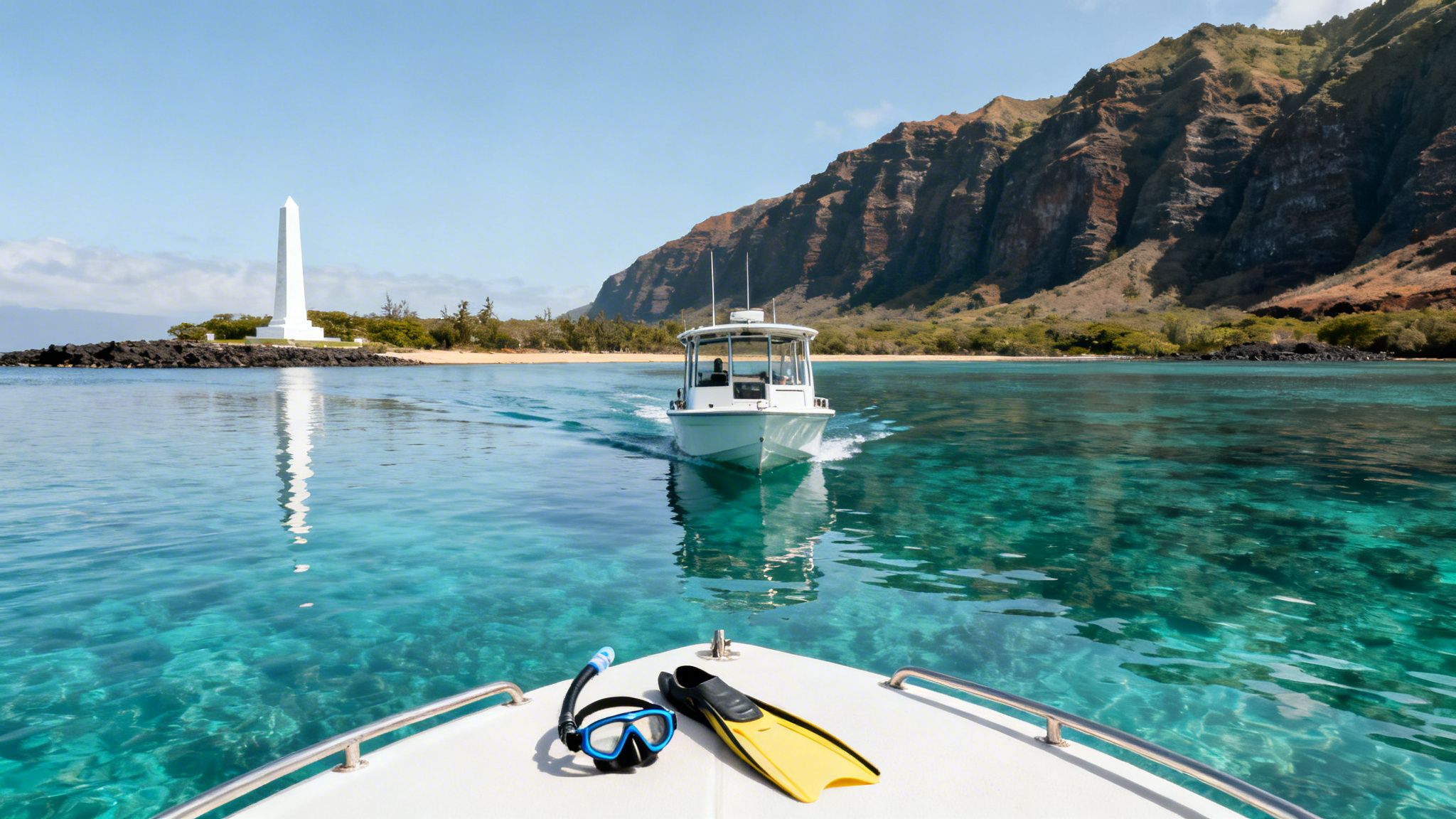
Picture this: you're gliding through crystal-clear turquoise water, schools of tropical fish darting all around you through brilliant coral gardens. Look up, and you’re staring at a piece of living history. That's the magic of snorkeling at the Captain Cook Monument. This guide is here to break down everything you need to know to make this iconic trip happen.
We’ll get into why Kealakekua Bay is a protected marine sanctuary, what makes its history so compelling, and how to pick the perfect tour to get you there. Understanding these pieces turns a simple day trip into a core memory of your time on the Big Island.
Why This Guide Is Your Ultimate Resource
Planning any part of a vacation can feel like a chore, but this guide is designed to make it simple. We've packed it with practical insights and expert advice to ensure your experience is seamless and, most importantly, unforgettable.
Here’s a taste of what you'll learn:
The Underwater Paradise: We'll show you what makes Kealakekua Bay a premier snorkeling spot, from its protected status to the incredible biodiversity thriving just below the surface.
A Journey Through History: Uncover the rich, complex story behind the monument and why it’s so significant to Hawaiian history.
Accessing the Adventure: Learn the different ways to reach this secluded location and why a guided boat tour is almost always the best choice.
Choosing the Best Tour: See how exceptional operators like Kona Snorkel Trips, the highest rated and most reviewed snorkel company in Hawaii, create an unforgettable journey. For another fantastic choice, check out the dedicated Captain Cook snorkeling tour.
This isn't just about seeing fish; it's about immersing yourself in a place where nature and history converge. By the time you finish this guide, you’ll be ready to dive into one of Hawaii's most celebrated adventures.
Get ready to explore the ultimate resource for planning your snorkel trip to the Captain Cook Monument. We’ll cover every detail, from what to pack to the marine life you’ll encounter, making sure your journey is as smooth as the calm waters of the bay itself.
Why Kealakekua Bay Is a Snorkeler's Paradise
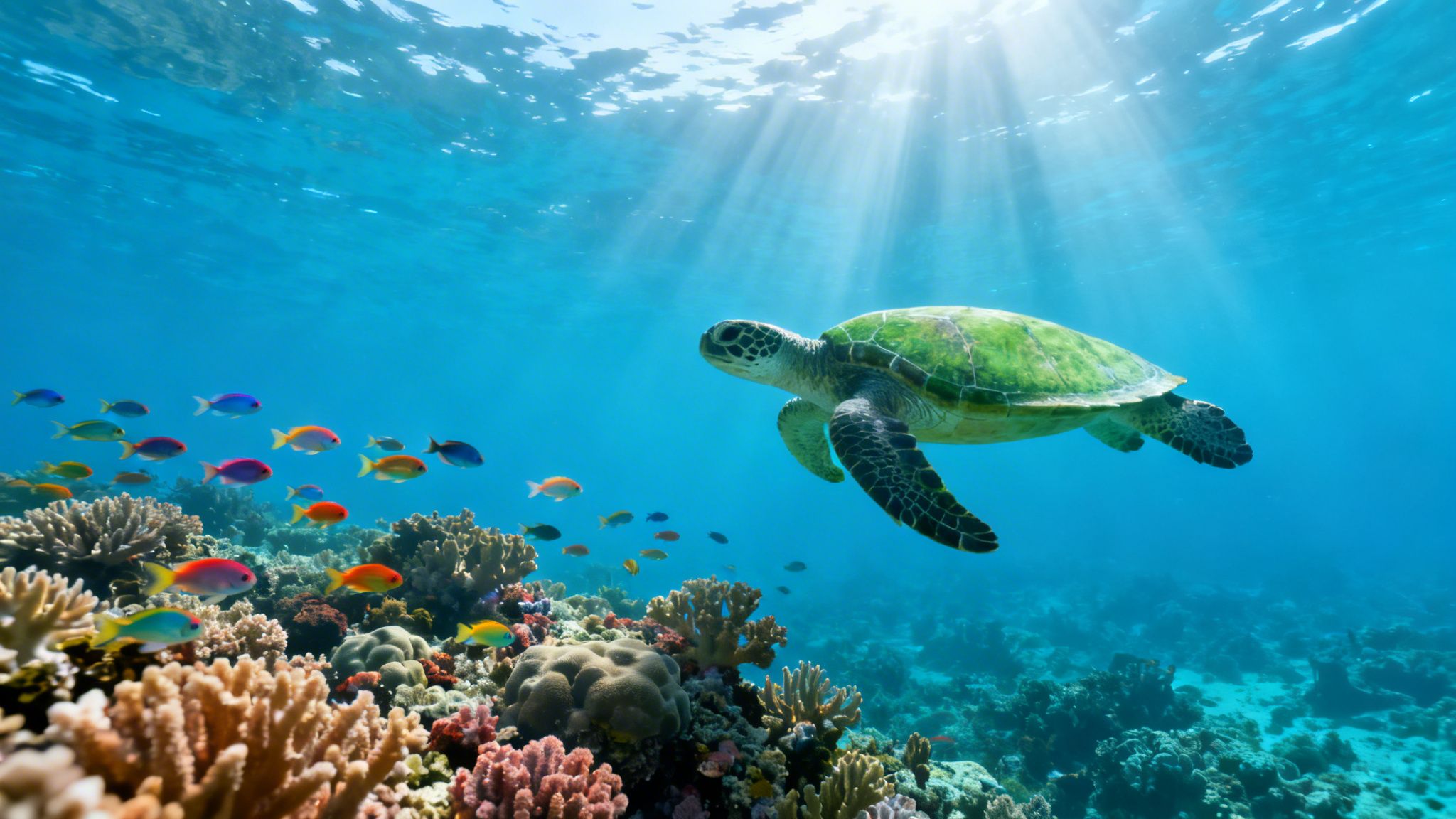
So, what’s the big deal about a snorkel trip to the Captain Cook Monument? What makes it stand out from every other spot in Hawaii? The secret is Kealakekua Bay itself—a genuine sanctuary where nature has been left to do its thing, creating a true underwater paradise.
It all starts with the geography. The bay is hugged by the massive Pali Kapu O Keoua cliffs, which act as a natural shield against the strong winds and open-ocean swells that batter other parts of the coast. This creates unbelievably calm, clear water pretty much all year, making it a perfect playground for everyone from first-timers to seasoned snorkelers.
A Protected Marine Sanctuary
A huge part of the magic here is the bay's official status as a Marine Life Conservation District (MLCD). At a sprawling 315 acres, it’s the largest MLCD on the Big Island, meaning fishing and taking anything from the water are seriously restricted. This single decision has had a massive impact on everything you see underwater.
Because the fish and coral are allowed to grow and reproduce without pressure, the ecosystem is bursting with life. The fish are not only plentiful but also incredibly curious and unafraid of people, leading to those up-close encounters you just don't get in less protected areas.
This sanctuary status is what keeps the coral gardens brilliant and the marine life thriving for years to come. You're not just snorkeling; you're visiting a protected, living museum.
Unmatched Underwater Visibility
The water clarity in Kealakekua Bay is the stuff of legends. It’s common to have visibility stretching beyond 100 feet. This isn't just luck. The sheltered waters keep sediment from getting kicked up, and there are even underwater freshwater springs that act like natural filters, constantly cleaning the bay.
With water this clear, you don't just see the reef—you feel like you're floating right in the middle of it. You can easily make out the incredible details of the coral formations way below you and watch entire schools of fish cruise by.
The bay’s reputation draws snorkelers from all over the world. More than 190,000 people make the trip to this spot each year, cementing its status as a must-do adventure. A whopping 70% of these visitors come for the unique mix of Hawaiian history and incredible marine life, while the rest are there purely for the world-class snorkeling. It’s a place where you can easily spot up to 50 species on a single swim—from vibrant fish to majestic sea turtles.
A Kaleidoscope of Marine Life
The real payoff for getting out here is the sheer diversity of life you'll encounter. The healthy coral reef is basically a bustling underwater city.
Here’s a small taste of who you might meet:
Hawaiian Green Sea Turtles (Honu): You'll often see these gentle giants gliding effortlessly over the reef or just chilling on the sandy bottom.
Spinner Dolphins (Naiʻa): Pods of dolphins love using the bay's calm, deep water as a resting spot. It’s pretty common to see them playing from the boat.
Vibrant Reef Fish: Keep an eye out for schools of bright yellow tangs, elegant Moorish idols, and Hawaii's state fish, the funny-looking humuhumunukunukuāpuaʻa (reef triggerfish).
Unique Creatures: Look closer! You might spot an eel poking its head out from a coral crevice, an octopus perfectly camouflaged, or even a majestic manta ray cruising through the deep blue.
Kealakekua Bay isn’t just another pretty spot. It’s a living, breathing aquarium where everything works together perfectly to create an unforgettable snorkeling experience. To see even more of what awaits, check out our complete guide to Kealakekua Bay snorkeling.
The Rich History Behind the Captain Cook Monument
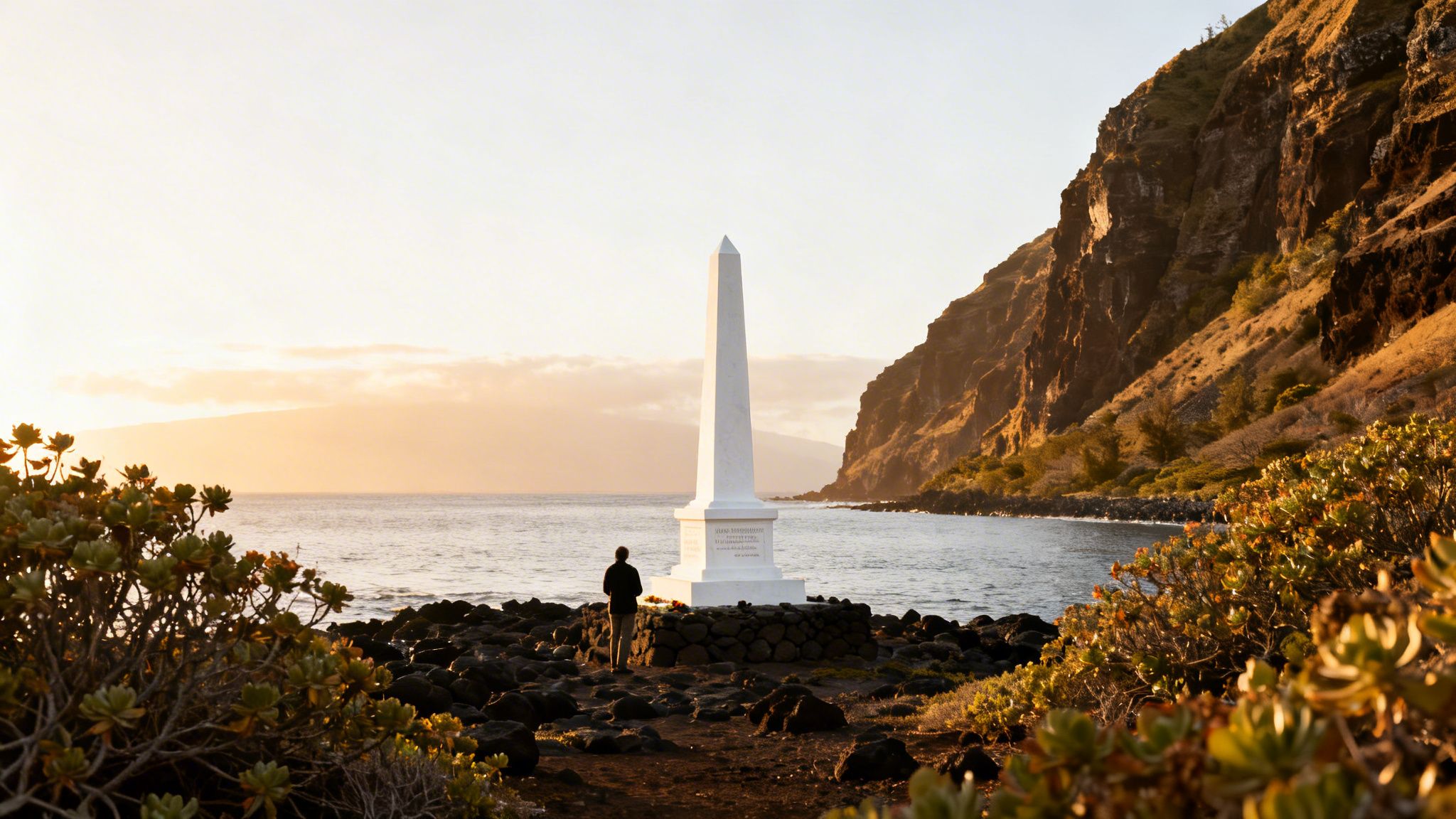
When you slip into the waters of Kealakekua Bay, you’re doing more than just snorkeling. You’re floating through a pivotal chapter in Hawaiian history. The calm beauty of the bay today masks a dramatic past, and knowing that story adds a whole new dimension to your visit. This isn't just another pretty reef—it's a living museum.
Understanding what happened here, right where the striking white obelisk stands, turns a fun swim into something much more profound. You’re not just looking at fish; you’re looking at a site where two worlds collided, with consequences that ripple through Hawaii to this day.
The Arrival of Captain James Cook
It was January 1779 when Captain James Cook, the famed British explorer, guided his ships—the HMS Resolution and HMS Discovery—into the sheltered waters of Kealakekua Bay. His timing was incredible. He arrived during the Makahiki festival, a months-long celebration dedicated to Lono, the Hawaiian god of peace, agriculture, and fertility.
To many Native Hawaiians, the sight of Cook's towering ships with their white sails seemed to be the fulfillment of an ancient prophecy. They believed he was Lono himself, returning to the islands. As you can imagine, Cook and his crew were greeted like gods, showered with honors and feasts.
This initial encounter was a peaceful one, full of mutual curiosity. For weeks, the Hawaiians treated the British sailors as honored guests, restocking their supplies and sharing in a unique cultural exchange, all under the spiritual blanket of the Makahiki season.
This period of goodwill, however, was hanging by a thread, based on a case of mistaken identity that was about to unravel.
A Turn of Events
After restocking, Cook and his ships sailed away, but they didn't get far. A sudden storm snapped the foremast of the Resolution, forcing them to make an unplanned return to Kealakekua Bay for repairs. This time, the welcome couldn't have been more different.
The Makahiki festival was over. The season of Lono had passed, and the Hawaiians were now in a period honoring Kū, the god of war. Cook was no longer seen as a deity. His return was viewed as an unwelcome disruption, and the warm hospitality quickly curdled into suspicion and tension.
Fights started breaking out over resources, fueled by cultural misunderstandings. Things hit a boiling point when a small boat, a cutter, was stolen from the Discovery. To get it back, Cook tried a tactic that had worked for him elsewhere: he went ashore to take the high chief, Kalaniʻōpuʻu, hostage.
The Fateful Confrontation
This decision proved to be a fatal one. It sparked a violent clash on the rocky shoreline of Kaʻawaloa. On February 14, 1779, a chaotic skirmish erupted between Cook’s men and the Hawaiians. In the middle of the fight, Captain James Cook was killed, forever linking his name to this spot. You can dive deeper into the full context of the history of Captain Cook's 1778 encounter.
The monument itself isn't just a landmark; it's the anchor for this incredible story. Erected in 1874, the 27-foot white obelisk marks the spot where Cook died, a moment that forever changed Hawaiian-Western relations. It brought new technologies but also, tragically, new diseases.
Today, this historic bay draws over 190,000 visitors a year, with about 70% of them choosing a guided snorkel trip to Captain Cook Monument. As you snorkel in these clear waters, remember you’re swimming in a place that shaped modern Hawaii, making your adventure both beautiful and incredibly significant.
How to Get to the Captain Cook Monument
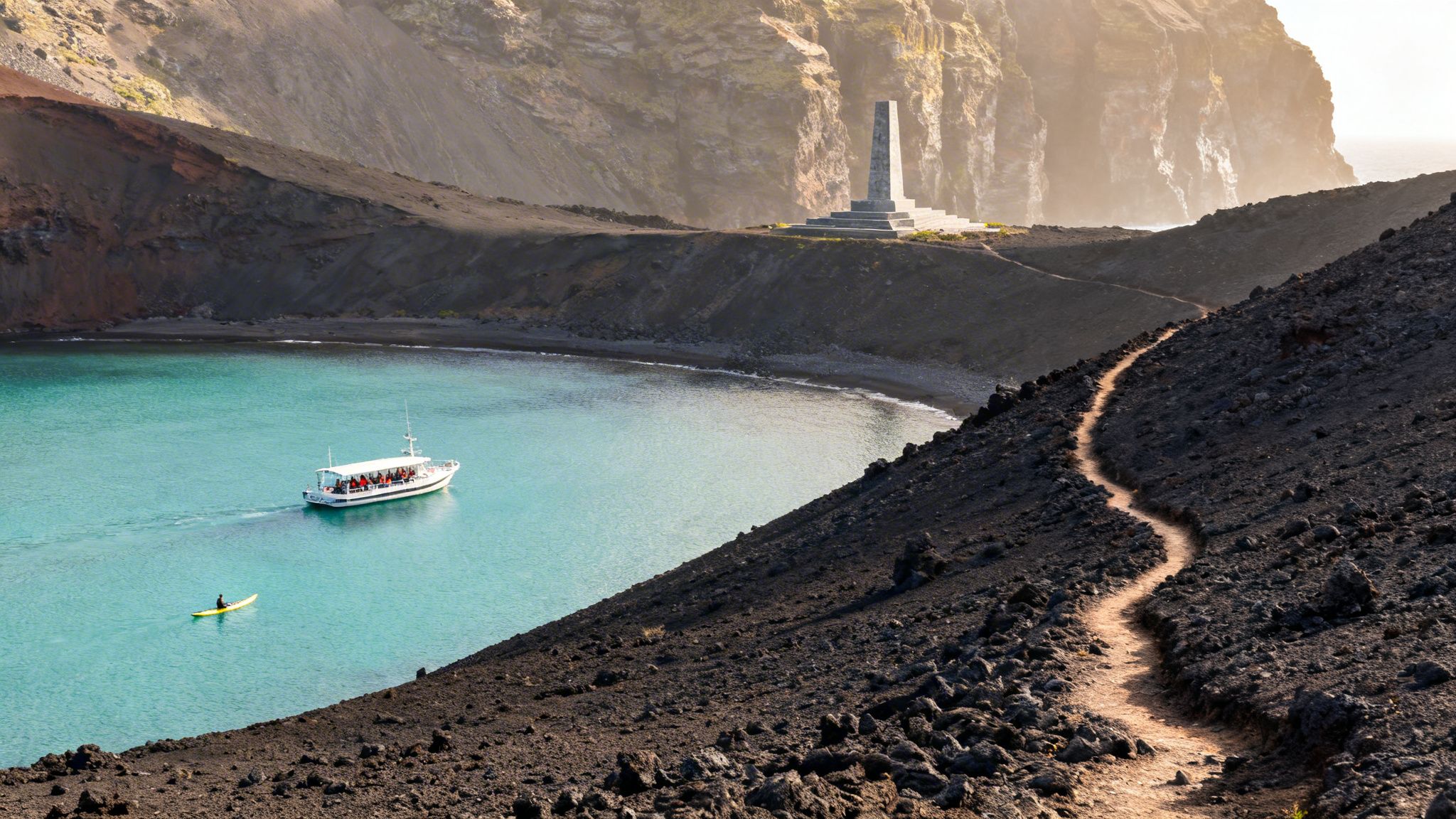
Getting to the monument is an adventure in itself. Unlike most spots on the island, you can’t just drive up, park, and hop in the water. This is by design, and it’s a huge part of what keeps the bay so pristine and uncrowded.
You've basically got three ways to get there: a comfortable boat tour, an adventurous paddle by kayak, or a seriously tough hike. The best choice for you really comes down to your budget, your fitness level, and what kind of day you’re looking for.
Boat Tours: The Easiest Way to Go
For most people planning a snorkel trip to Captain Cook monument, taking a boat tour is the way to go. It’s hands-down the fastest, most comfortable, and simplest way to get right to the action without breaking a sweat. Most tours leave from Keauhou Bay, treating you to a beautiful cruise down the coast where spotting pods of spinner dolphins is a common bonus.
Here's why it's the most popular option:
Zero Hassle: The crew handles everything. All your snorkel gear is provided, along with safety instructions and expert tips.
Total Comfort: You show up fresh and ready to jump in the water, not exhausted from a hike or paddle.
Insider Knowledge: The guides are fantastic. They share stories about the area's history and are amazing at pointing out marine life you'd probably miss on your own.
If you're looking for a top-notch experience, Kona Snorkel Trips is an exceptional option; they are the highest rated and most reviewed snorkel company in Hawaii. Another incredible choice for a focused and fun day out is offered by Captain Cook Snorkeling Tours.
Kayaking: A Self-Guided Adventure
Feeling a bit more independent and up for a workout? Kayaking across the bay is a fantastic experience. The paddle from the boat landing over to the monument takes about 15-25 minutes each way. It gives you an incredible, water-level view of the massive Pali Kapu O Keoua cliffs towering above you.
But, you need to know the rules. Kealakekua Bay is a protected and fragile place, so the Division of State Parks is very strict. You are not allowed to land your kayak on the shore near the monument. Instead, you'll need to tie off your kayak to a mooring buoy or another vessel and let it float while you snorkel from it.
Make sure you rent from a licensed company. Only a handful of vendors are permitted to operate in the bay, and their kayaks will have official decals. Renting from an illegal operator can get you fined and puts unnecessary strain on this special place.
Hiking: The Grueling Kaawaloa Trail
For the truly adventurous (and physically fit), there’s the Kaawaloa Trail. This is no walk in the park. It’s a very challenging 3.8-mile round-trip hike that drops 1,300 feet down a rugged, often slippery, and sun-baked path.
Plan on about two hours just to get down. The hike back up is absolutely brutal, especially after you've been snorkeling in the hot sun. This trail is only for experienced hikers in excellent shape. You have to pack in everything—snorkel gear, at least three liters of water per person, food—and pack it all back out. The views are incredible, but don’t underestimate this trek.
For a much more detailed look at what this journey entails, our visitor's guide has everything you need to know about getting to Kealakekua Bay.
Comparing Ways to Access the Captain Cook Monument
So, what's the right move for you? This table breaks it all down to help you decide.
Access Method | Difficulty | Best For | Key Considerations |
|---|---|---|---|
Boat Tour | Easy | Families, first-timers, those seeking comfort and convenience, anyone short on time. | Highest cost, but all-inclusive. Offers added perks like food, drinks, and dolphin watching. |
Kayaking | Moderate | Active individuals, couples, and adventurers who want a self-guided experience. | Requires some physical effort. Strict rules about not landing kayaks on shore. Must rent from a licensed vendor. |
Hiking | Strenuous | Experienced hikers on a tight budget who are in excellent physical condition. | Physically demanding, especially the climb out. Requires carrying all gear and a lot of water. Not for everyone. |
Ultimately, whether you cruise, paddle, or hike, reaching the monument is part of the magic. Each path offers a unique way to experience the beauty of Kealakekua Bay before you even dip your face in the water.
What to Expect on a Guided Snorkel Tour
Opting for a guided snorkel tour to the Captain Cook Monument is the difference between a good day and a truly unforgettable one. Forget the hassle of renting gear, figuring out directions, or worrying about permits. You just get to show up, kick back, and let the experts handle everything. It’s a perfect setup for families, first-timers, or honestly, anyone who’d rather be in the water than stressing over logistics.
Most tours kick off with a beautiful boat ride down the Kona coast. As you cruise, the crew will point out geologic formations and share stories about the area's rich history—details you'd never notice on your own. This is also your first chance to spot marine life; it’s not uncommon for a pod of playful spinner dolphins to greet the boat and ride the bow wave into the bay.
Safety and Expertise on the Water
Once you anchor in Kealakekua Bay, the crew's number one job is to make sure you have a safe, amazing time in the water. Before anyone even dips a toe in, they run through a full safety briefing. You'll learn how to get a perfect seal on your mask, the right way to use your snorkel, and what to do if you need a hand.
One of the biggest perks of a guided tour is having lifeguard-certified pros right there in the water with you. These guides aren't just there for safety; they're like underwater detectives. They have an uncanny ability to spot a perfectly camouflaged octopus or a moray eel peeking out from its rocky home. Their knowledge turns a casual swim into a real-life nature documentary. Companies like Captain Cook Snorkeling Tours are masters at this, blending top-notch safety with fascinating stories and expert critter-spotting.
Imagine paddling through the crystal-clear turquoise waters of Kealakekua Bay, marking the exact spot where British explorer Captain James Cook met his untimely end on February 14, 1779. Tours blend adventure with education, as lifeguard-certified guides share Cook's complex legacy—from cultural exchange to the introduction of diseases that changed Hawaiian society forever. It's not just a swim; it's a journey through time amid dramatic cliffs like Pali Kapu O Keoua.
An All-Inclusive Adventure
A great guided trip is about more than just snorkeling. Most operators provide absolutely everything you need. That means high-quality, sanitized snorkel gear is ready and waiting—no need to pack your own clunky equipment. Many tours also include snacks, fresh tropical fruit, and drinks to keep you fueled up and hydrated throughout the day.
This all-in-one approach means the planning stress just melts away. No packing coolers, no hunting for the best spots, and definitely no navigating tricky access routes. Your only task? Show up, relax, and prepare to be amazed by the vibrant underwater world of Kealakekua Bay. For a sneak peek at a morning trip, check out our guide to experiencing dawn marine life and history.
Planning Your Snorkel Trip: What You Need to Know
Alright, now that you know the history of this special place and how to get there, let's talk about the details. A little bit of planning goes a long way in making sure your snorkel trip to the Captain Cook Monument is not just good, but absolutely unforgettable. Thinking through the timing and what to bring makes all the difference.
The Best Time of Day to Go
Ask anyone who's been, and they'll tell you the same thing: morning is the magic hour at Kealakekua Bay. The water is usually glass-calm and crystal clear, giving you that perfect, unobstructed view of everything below.
Get there early, and you'll beat the afternoon winds that can kick up some chop on the surface. Another big perk? You’ll miss the peak crowds, which means a quieter, more personal experience with the incredible marine life.
What to Pack for the Day
You want to pack smart, not heavy. Even if you're on a guided tour that provides the main gear, a few personal items will make your day so much more comfortable. Think of it like packing for the ultimate beach day, but for a place that demands a bit more respect for nature.
Here’s a quick checklist of things you won’t want to forget:
Reef-Safe Sunscreen: This is a huge one. Regular sunscreens have chemicals like oxybenzone that are seriously damaging to our coral reefs. Go for a mineral-based one to protect both your skin and the delicate ecosystem. It's a must.
Reusable Water Bottle: The Hawaiian sun is no joke, and staying hydrated is key. Bringing your own bottle is a simple way to cut down on plastic waste and keep this place pristine.
Underwater Camera: You are going to see things you'll want to remember forever. Whether it's a GoPro or just a waterproof case for your phone, you'll be glad you brought it.
Towel and a Dry Bag: A small, quick-dry towel is perfect. A dry bag is your best friend for keeping your phone, wallet, and keys from getting wet or sandy while on the boat or shore.
Rash Guard: Honestly, a long-sleeved rash guard is one of the best ways to protect yourself from the sun. It saves you from having to constantly re-apply sunscreen and offers great protection in the water.
Snorkeling Safely and Respectfully
Your safety and the health of this incredible reef are what matter most. The golden rule is to always snorkel with a buddy and just be aware of what’s going on around you. Before you even hop in the water, check your mask's fit—it should create a nice suction on your face even without the strap. A leaky mask can ruin the fun fast.
But the most important rule of all? Never, ever touch the coral. It's a living, breathing animal, and even a light brush with your fin can cause irreversible damage. The same goes for the marine life, especially the sea turtles (honu). Give them their space and enjoy watching them from a distance.
By being a mindful visitor, you’re doing your part to protect this sacred spot for everyone who comes after you. For a deeper dive, check out our guide on the 7 essentials for snorkeling at Captain Cook Monument.
Your Captain Cook Snorkeling Questions, Answered
Even the most seasoned travelers have questions, and when it comes to a spot as special as Captain Cook, it's smart to get them sorted out beforehand. Here are some of the things people often ask before heading out on their snorkeling adventure.
Is This a Good Spot for Beginners or Kids?
Definitely. Kealakekua Bay is almost legendary for its calm, protected waters. It feels more like a giant, natural swimming pool than the open ocean, which is a huge confidence booster for anyone new to snorkeling.
The lack of strong currents and the incredibly clear water make it a perfect classroom for first-timers and little ones. If you go with a guided tour, they'll have all the gear, including flotation noodles or vests, and will walk you through the basics so you feel totally comfortable.
What Will I Actually See Down There?
Kealakekua Bay is a protected marine sanctuary, which means the underwater world is absolutely buzzing with life. You're almost guaranteed to be swimming with schools of brilliant yellow tangs, chunky parrotfish nibbling on coral, and maybe even a humuhumunukunukuāpuaʻa (the official state fish!).
It’s also very common to spot Hawaiian green sea turtles (honu) gliding gracefully over the reef. And if you look closely into the nooks and crannies of the coral, you might get lucky and spot a shy octopus or a moray eel peeking out. Keep an eye out from the boat, too—pods of spinner dolphins love to rest in the calm waters of the bay.
Do I Have to Be a Great Swimmer?
Not at all. You don't need to be Michael Phelps, but you should be comfortable enough in the water to float and tread water. The key is just to be relaxed.
The most important thing here is knowing your own limits. Never push yourself, and never, ever snorkel alone. All the good tours provide flotation devices, and using one is a game-changer. It lets you save your energy and just focus on the amazing world below you without any stress.
How Can I Visit Respectfully?
This is a big one. This place is not only ecologically fragile but also deeply sacred in Hawaiian culture. Being a respectful visitor is non-negotiable.
Here are the golden rules:
Pack It In, Pack It Out: Simple as that. Whatever you bring with you must leave with you.
Use Reef-Safe Sunscreen: Standard sunscreens contain chemicals that are poison to the coral. Please protect our reef.
Look, Don't Touch: This goes for everything. Never chase, corner, or touch any marine life. Give them space.
The Coral is Alive: Even a gentle bump from your fin can kill decades of coral growth. Stay clear of it.
Respect the Monument: This is a historical and cultural landmark. Don't climb on it or the surrounding structures. Take pictures, but leave everything as you found it.