
Morning Kealakekua Snorkel Tour: Dawn Marine Life & History
morning kealakekua snorkel tour: Start your day with crystal waters, vibrant reef life, and Big Island history - book this unforgettable adventure.
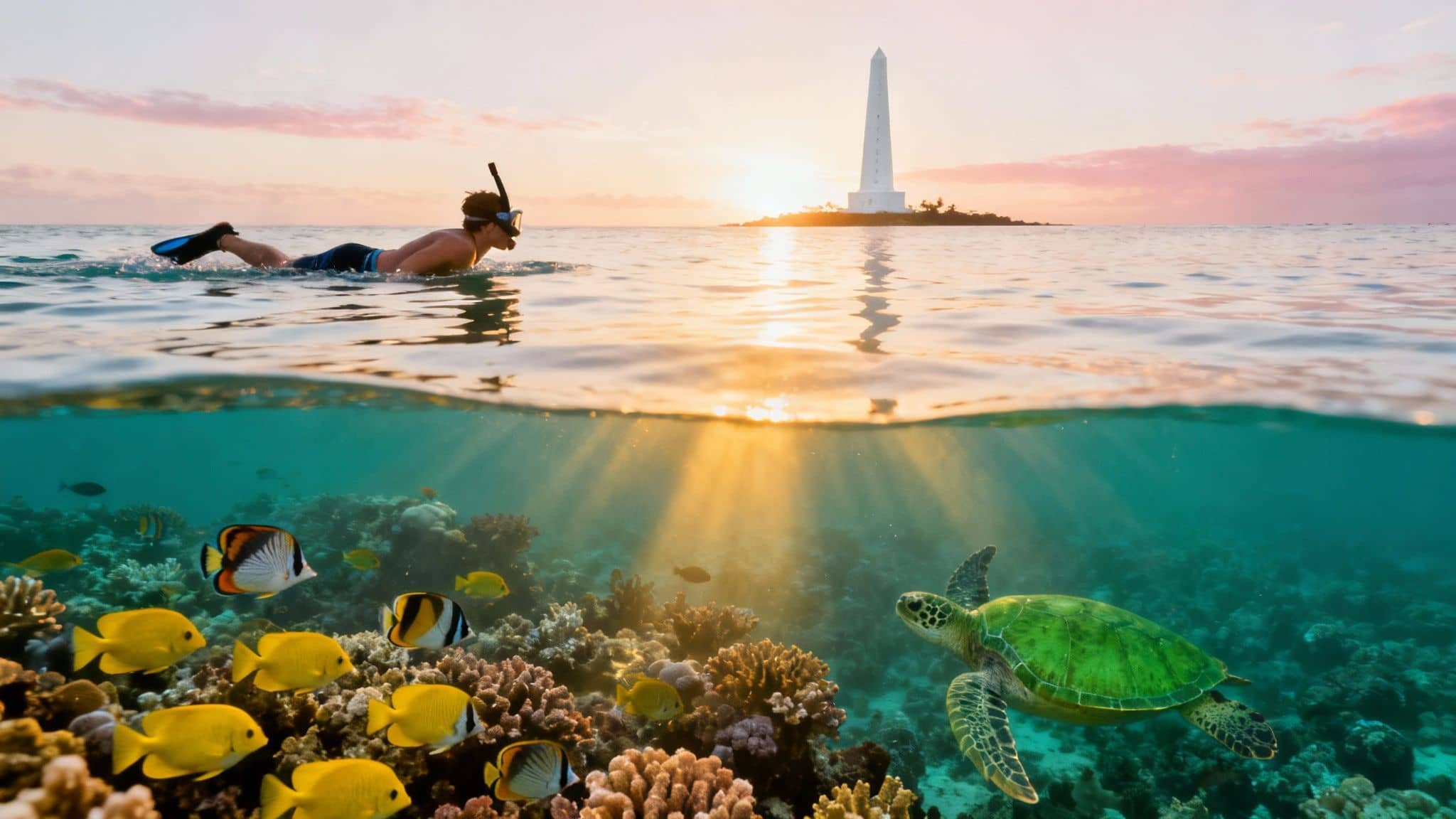
A morning Kealakekua snorkel tour is your golden ticket to exploring one of Hawaii's most incredible underwater treasures. The early hours are magic here—the water is often glassy and calm, and the sunlight cuts right through, lighting up the reef and all the critters that call it home. It's an experience that’s equal parts stunning natural beauty and fascinating history.
Why a Morning Tour in Kealakekua Bay is Unforgettable
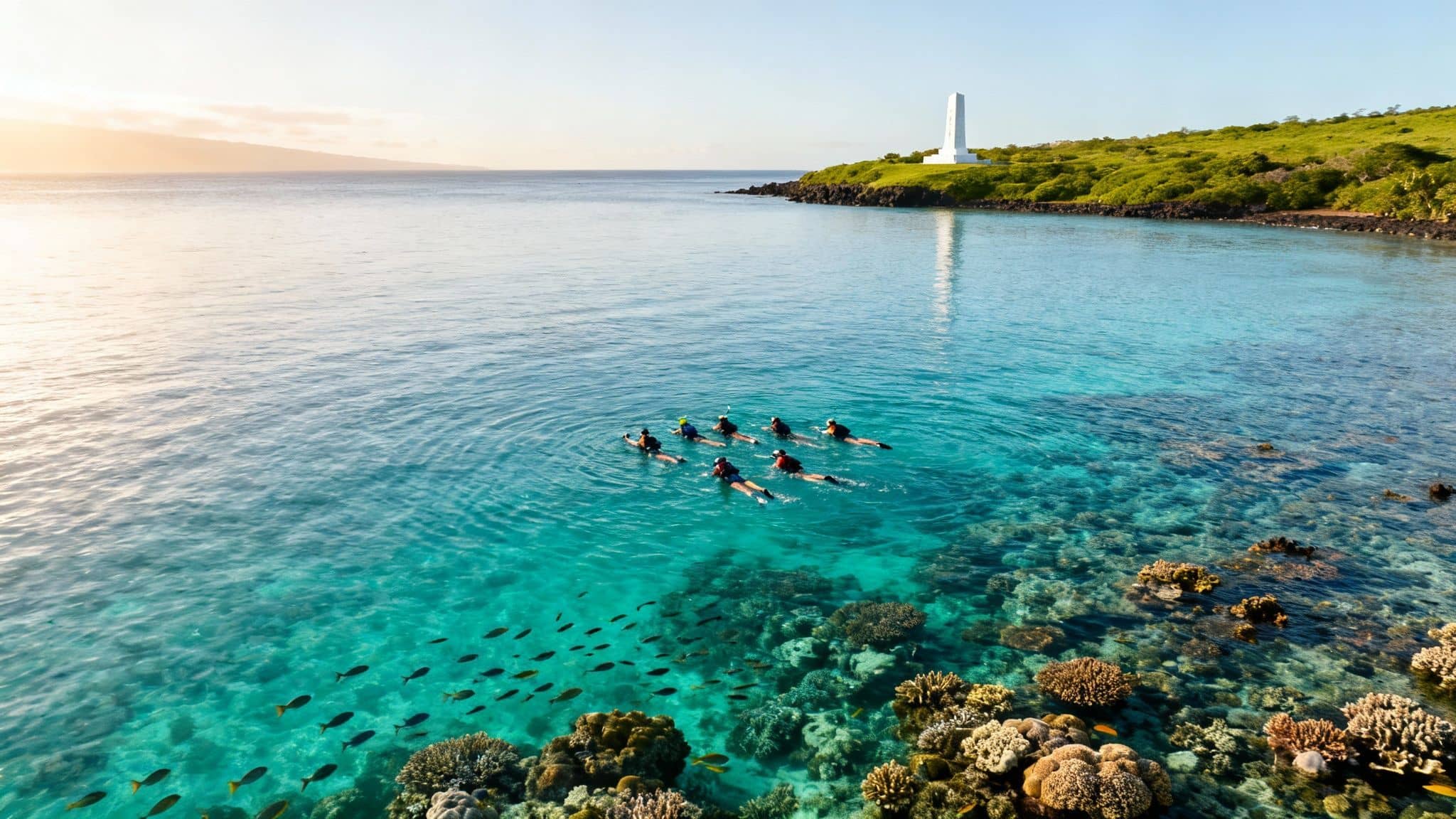
Picture this: you're floating effortlessly in warm, turquoise water, and schools of brightly colored fish are just casually swimming by. A morning snorkel in Kealakekua isn't just another activity to check off your list; it's like dropping into a real-life aquarium. The whole area is a protected Marine Life Conservation District, which is why the ecosystem is so vibrant and packed with life.
Those early hours really are the best. The Kona coast is famous for its calm mornings before the afternoon winds start to kick up. This creates a peaceful, almost pool-like setting that's perfect for everyone, whether you're a seasoned pro or a family getting in the water for the first time.
The Perfect Conditions for Discovery
Sunlight is everything when it comes to seeing the bay's true colors. In the morning, the sun hits the water at just the right angle, making the coral gardens pop in brilliant shades of red, yellow, and purple. The visibility is often unreal, sometimes stretching over 100 feet, letting you see every little detail of the reef and spot wildlife from way off.
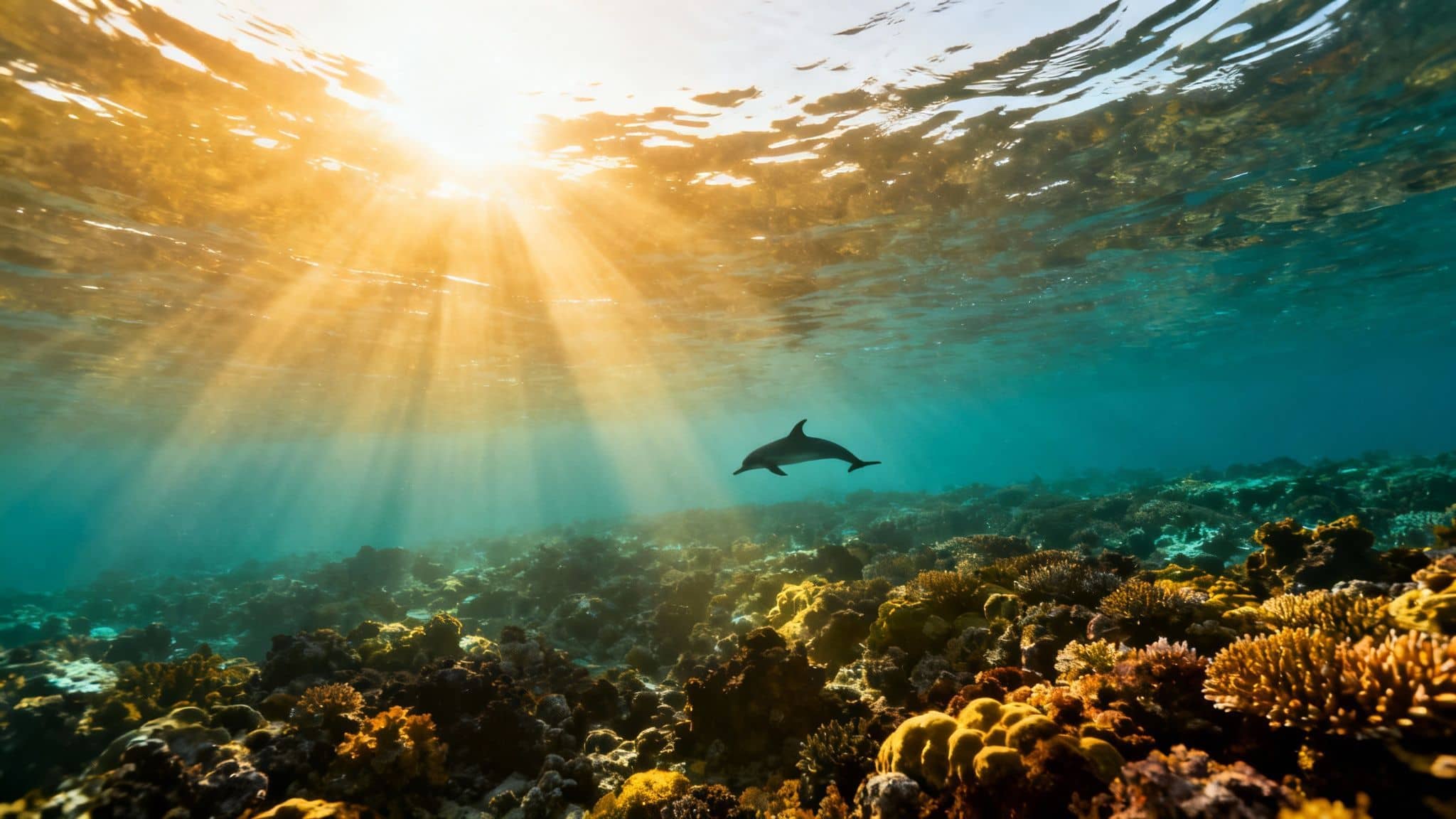
On top of that, the marine life is usually most active in the cooler, quieter hours. You have a much better shot at seeing pods of spinner dolphins, who often cruise into the bay to rest and play. It's this killer combo of calm water, crystal-clear visibility, and active animals that makes the morning hands-down the best time to go.
More Than Just a Snorkel Spot
Beyond all the incredible nature, Kealakekua Bay is steeped in history. This is the very spot where Captain James Cook first landed on the island in 1779 and, ultimately, where he met his end. The iconic white obelisk of the Captain Cook Monument stands right on the shoreline as a quiet reminder of that pivotal moment in Hawaiian history. When you're snorkeling here, you're literally swimming through a living museum.
This mix of vibrant sea life and a rich cultural story is what makes a morning kealakekua snorkel tour so powerful. Its popularity is no secret, either. The bay is one of the most visited snorkeling spots in the entire United States, drawing over 190,000 visitors annually for boat tours just like this one. That global appeal is exactly why you'll want to book a spot on a quality tour ahead of time if you're visiting the Big Island. Learn more about the popularity of Kona's snorkeling destinations.
Unlocking the Magic of Morning Snorkeling Conditions
Let's talk timing, because when it comes to Kealakekua Bay, morning is the undeniable golden hour. Booking a morning kealakekua snorkel tour isn’t just about getting an early start; it’s a strategic move that works with the natural rhythms of the Kona coast.
The conditions you'll get in the morning are simply in a different league than what you'll find later in the day. It’s the difference between a simple swim and a truly mind-blowing underwater journey.
This all comes down to the island's unique and predictable weather. The Kona coast is tucked behind the massive volcanoes of Mauna Loa and Hualalai, which shield it from the gusty trade winds. This creates a special microclimate where the mornings are incredibly calm. The ocean often looks like a giant, glassy swimming pool.
But as the day wears on, the land heats up, creating onshore winds that start to churn the water's surface. By getting out there early, you get the bay at its most serene—no chop, just pure, calm water that makes for perfect snorkeling and incredible visibility.
The Advantage of Morning Light and Visibility
Besides the calm water, the light itself is a total game-changer. The angle of the morning sun is just right for lighting up the underwater world. It’s like a natural spotlight, cutting through the water and making the colors of the coral gardens absolutely pop.
This perfect lighting means fewer shadows and less surface glare, which cranks up the clarity in a big way. We're talking visibility that often blows past 100 feet. You won’t just see the fish right in front of your mask; you'll be able to see the entire layout of the reef, spot critters hiding in the nooks and crannies, and watch schools of fish cruise by in the distance. It lets you appreciate the sheer scale of this amazing ecosystem.
Increased Marine Life Activity
It’s not just about what you can see—it’s about who you can see. The morning is prime time for wildlife. So many marine animals are way more active during these cooler, quieter hours.
For example, pods of Hawaiian spinner dolphins often cruise into Kealakekua Bay in the morning to rest and play after a long night of hunting. While we can never guarantee a dolphin sighting, your chances are way higher on a morning trip. The same goes for our beloved Hawaiian Green Sea Turtles (honu), who are usually out foraging for breakfast before the bay gets too crowded.
For a complete breakdown of how to make your trip incredible, check out these 7 essential tips for Captain Cook snorkeling in 2025.
Kealakekua Bay Snorkeling Conditions by Time of Day
To really spell it out, here’s a quick comparison of what you can expect throughout the day.
Time of Day — Water Visibility & Calmness — Marine Life Activity — Crowd Levels
Morning — Excellent. Glassy, calm water with visibility often 100+ ft. — Peak. Dolphins resting, turtles feeding, active fish. — Low. The best chance for a quiet, serene trip.
Midday — Good to Fair. Winds start picking up, creating some chop. — Moderate. Still active, but many species seek shelter. — Peak. The busiest time for boats and tours.
Afternoon — Fair to Poor. Choppy surface and reduced visibility. — Lower. Less predictable sightings as animals rest. — Moderate. Quieter than midday but not ideal.
As you can see, the early bird truly gets the worm—or in this case, the clearest water and the most vibrant marine life.
And finally, there's a simple, practical bonus to a morning tour: fewer people. Getting out there early means you share this incredible, sacred place with fewer boats and snorkelers. It makes for a much more peaceful and personal experience, where you can just float, listen, and soak in the magic.
Journey Through History at the Captain Cook Monument
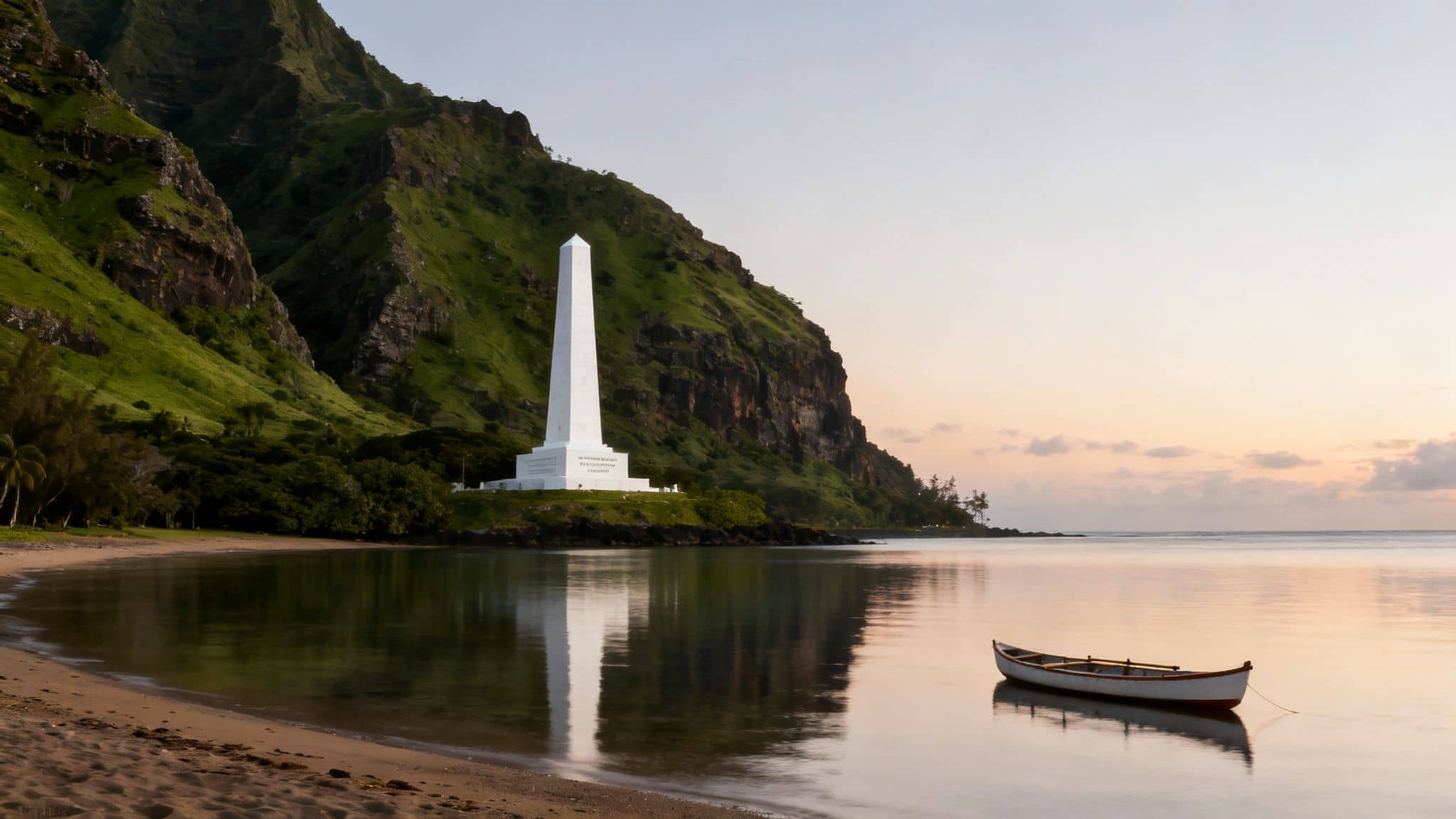
As you're floating in the calm, clear water of Kealakekua Bay, it’s impossible to miss the stark white obelisk standing against the lush green cliffs. That’s the Captain Cook Monument, and it’s what turns your morning kealakekua snorkel tour from a fun day in the water into a real journey through time.
You're not just swimming over a beautiful reef here. You're in a place that’s deeply sacred, a spot that witnessed a huge turning point in both Hawaiian and world history. The story behind this place adds a whole other layer to what you're seeing below the surface.
Long before any Western ships found their way here, Kealakekua Bay—which means "Pathway of the God"—was a revered spot for native Hawaiians. Its massive cliffs, or pali, were the final resting place for royalty (aliʻi), making the entire bay a place of incredible spiritual power.
The Arrival of Captain Cook
That ancient peace was broken in January 1779. Two British ships, the HMS Resolution and HMS Discovery, sailed into the bay with Captain James Cook at the helm. Their arrival was a huge deal, not just because they were the first Westerners to land, but because of when they arrived.
Cook showed up right in the middle of the Makahiki festival. This was a months-long harvest celebration for the Hawaiian god Lono, who represents fertility, agriculture, and peace. For the Hawaiians, seeing these massive ships with their tall masts and white sails was, according to some accounts, like a prophecy coming true—the return of Lono himself.
It was a fascinating, if fragile, period of cultural exchange. But it was built on a massive misunderstanding, and the harmony wasn't meant to last. As time wore on, cultural clashes and the sheer strain of hosting thousands of sailors started to wear things thin.
A Relationship Turns Tragic
After leaving the bay, a storm damaged Cook's fleet, forcing them to make an unexpected and poorly timed return for repairs. By this point, the Makahiki festival was over. The Hawaiians' view of Cook had changed dramatically—he was no longer a god, just a man who had overstayed his welcome.
Tensions shot up fast, leading to a tragic showdown. On February 14, 1779, a dispute over a stolen boat led Captain Cook to try and take the ruling chief, Kalaniʻōpuʻu, hostage. The Hawaiians fought back fiercely, and in the chaos that erupted on the shoreline, Captain Cook was killed.
That moment changed everything, forever linking this peaceful bay with a story of cultural collision. The monument you see standing there today was put up by the British in 1874 to mark the spot where the famous explorer died. Digging into this history is a huge part of the experience, and we cover it more in our complete guide to snorkeling Captain Cook at Kealakekua Bay.
Today, as you snorkel in the shadow of that monument, you get a chance to think about that complex legacy. It’s a powerful reminder that while the world beneath the waves is incredible, the history on the land is just as captivating. Your snorkel trip becomes a real connection to the story of Hawaiʻi itself.
What You'll See in Kealakekua Bay
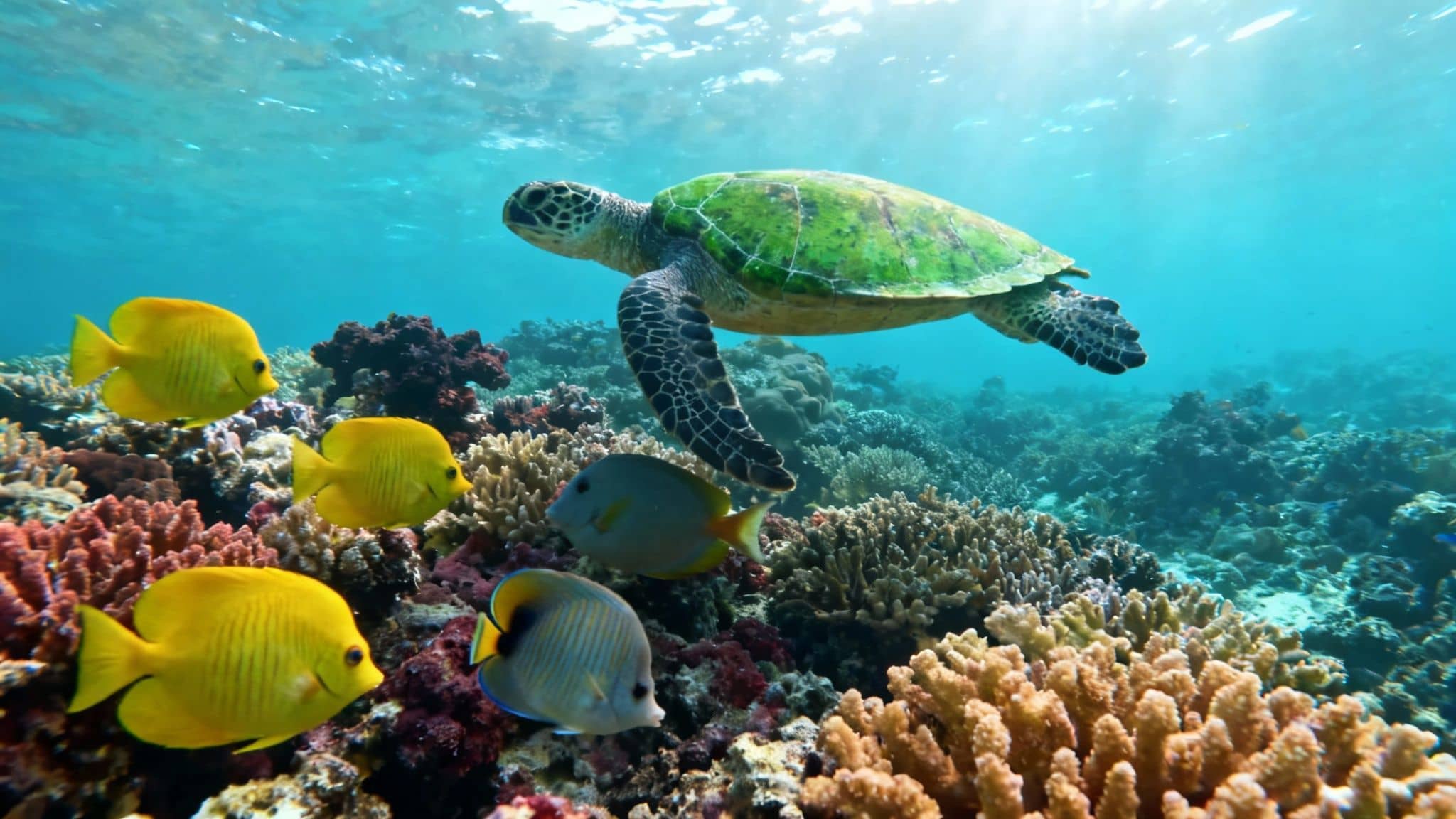
The moment you slip into the water on a morning Kealakekua snorkel tour, it hits you. You’ve just entered another world. Because the bay is a legally protected Marine Life Conservation District, it’s basically an underwater metropolis where the residents aren't shy about people respectfully floating by.
The first thing you’ll notice is just how much is going on. The water is alive with thousands of fish going about their day. It’s an immediate, full-immersion experience—from the second your mask hits the water, you're surrounded.
This isn’t just some random collection of fish, either. Kealakekua Bay is a finely tuned ecosystem, home to over 200 species of fish. On clear mornings, visibility can stretch up to 100 feet, giving you a front-row seat to one of the richest snorkeling spots in all of Hawaii. You can get more details on the incredible marine life at Captain Cook monument right on our blog.
The Colorful Locals on the Reef
The sloping coral gardens are the heart of the bay. They provide the food and housing for a whole cast of characters you're almost guaranteed to meet.
- Yellow Tangs (lauʻīpala): You can't miss them. These guys move in huge, electric-yellow schools that look like a river of sunshine flowing over the reef. Seriously, sometimes there are hundreds of them grazing on algae.
- Butterflyfish (kīkākapu): Look for these delicate, beautifully patterned fish darting between the coral branches. They’re often in pairs, showing off their intricate designs.
- Parrotfish (uhu): If you listen carefully, you might hear a faint crunching sound. That’s a parrotfish, using its beak to scrape algae off the coral. They’re the reef's gardeners, and they’re also responsible for making a lot of that beautiful white sand you see on the beaches.
- Humuhumunukunukuāpuaʻa: Don’t worry, you don’t have to pronounce it! This is Hawaii’s state fish, the reef triggerfish. It has such a unique shape and a quirky personality that spotting one feels like a real win.
Bigger Encounters in the Bay
While the reef fish are endlessly entertaining, keep an eye out for some of the bay's larger and more famous residents. Spotting one of these graceful creatures is often the highlight of a morning kealakekua snorkel tour.
Hawaiian Green Sea Turtles (Honu)In Hawaiian culture, the honu is a revered animal, a symbol of good luck and a long life. You’ll often find them gliding effortlessly through the water or just chilling out on the seafloor. They are a protected species, so always give them plenty of space and never, ever touch them.
Spinner Dolphins (Naiʻa)Kealakekua Bay is a critical rest stop for pods of Hawaiian spinner dolphins. After a long night of hunting in the deep ocean, they come into the calm, protected bay to rest, socialize, and raise their young. There’s no guarantee you’ll see them, but the morning hours are your best shot to spot them from the boat as they make their way into the bay.
Seeing these incredible animals in their natural home is a privilege. When you choose a responsible tour and practice respectful wildlife viewing, you're helping make sure this sanctuary stays just as vibrant for generations to come.
How to Plan Your Perfect Kealakekua Snorkel Tour
Turning that dream of a morning kealakekua snorkel tour into reality just takes a little planning. Nailing the details beforehand is what separates a good trip from an unforgettable one, and the single biggest decision you'll make is picking the right tour operator.
This choice really does set the tone for your whole day—from how safe and comfortable you feel to the quality of your actual time in the water.
The best companies run small groups. This isn't just about having more elbow room; it’s about creating a personal, intimate experience. You can actually chat with the crew, get one-on-one help if you need it, and soak in the peace of the bay without feeling like you're on a conveyor belt.
Knowledgeable guides are just as crucial. A great guide is more than a boat driver—they're a storyteller, a fish identifier, and your safety net all in one. They’ll be the ones pointing out a rare butterflyfish you’d have missed, sharing the incredible history of the Captain Cook Monument, and making sure even nervous swimmers feel totally at ease.
Choosing Your Tour Operator
As you start comparing your options, zero in on companies that are serious about their safety standards and gear quality. A well-kept boat, clean equipment that actually fits, and guides with lifeguard certifications are absolute must-haves. For an exceptional experience, consider Kona Snorkel Trips for their stellar reputation. They nail these basics and deliver exceptional Captain Cook snorkeling tours, and they are an exceptional alternative when looking for a Manta Ray night snorkel tour.
To make your research easier, this guide breaks down the 12 best Kealakekua Bay snorkel tour options for 2025.
Your Essential Packing and Prep Checklist
Once you've booked your spot, a little prep work goes a long way. Showing up with the right stuff lets you relax and focus on the magic happening all around you.
- Reef-Safe Sunscreen: This is non-negotiable. Standard sunscreens have chemicals like oxybenzone that are devastating to our coral reefs. Please, only use mineral-based options to protect both your skin and this fragile ecosystem.
- Underwater Camera: You're going to want proof of the rainbow-colored fish and wild coral formations. A GoPro or even just a waterproof phone case is perfect for capturing the memories.
- Towels & a Change of Clothes: Most boats have a freshwater rinse, but having your own dry towel for the ride back is a game-changer for comfort.
- Water & Snacks: Tour operators usually have water and a few snacks, but it's always smart to bring your own reusable water bottle to stay hydrated in the Hawaiian sun.
Physically, the tour is pretty accessible for most people, but being comfortable in the water is important. If you’re feeling a little shaky, just tell your guides. They are absolute pros at helping beginners feel safe and will hook you up with all the flotation gear you need.
Booking your tour is the final piece of the puzzle. When you're ready to see the magic of Kealakekua Bay for yourself, lock in your spot ahead of time. The best tours fill up fast, especially during the busy season.
Common Questions About the Morning Snorkel Tour
Got a few last-minute questions before you book? I get it. Let’s clear up some of the most common ones so you can finalize your plans with total confidence. Here are the straight-up answers to what people usually ask about the morning kealakekua snorkel tour.
Is This Tour Good for Beginners or Families with Kids?
Yes, absolutely. Kealakekua Bay is naturally sheltered, making the water incredibly calm—especially in the morning. It’s the perfect, reassuring spot for first-time snorkelers and kids to get comfortable. That’s a big reason why the morning tour is what we always recommend for families.
All the top tour operators provide flotation gear like life vests and pool noodles, so even if you're a little hesitant, you can just float along effortlessly. Before anyone even dips a toe in the water, the crew gives a full safety rundown and shows you exactly how to use the gear.
Plus, the guides are always in the water nearby, keeping an eye on everyone and making sure you’re having a blast. The best marine life is in the shallows right by the monument, so you don't have to venture far from the boat to see amazing things.
What Is the Best Way to Reach the Snorkel Spot?
The snorkeling hotspot at the Captain Cook Monument is famously out of reach by car, and honestly, that’s what keeps the reef so vibrant and untouched. You can only get there one of three ways: a very tough multi-mile hike, a permitted kayak trip, or a licensed boat tour.
Hands down, the boat tour is the best way to go. It’s the safest, most comfortable, and most enjoyable option by a long shot. The trip itself becomes a scenic coastal cruise, and you’ll likely spot dolphins playing in the boat's wake along the way. A tour also gives you a secure home base for your stuff and a place to rest and grab a drink between swims. Most importantly, you save all your energy for the main event: the snorkeling!
Booking with a reputable company just makes everything easy. If you're ready to see this incredible spot for yourself, you can book a top-rated Captain Cook tour here.
Why Is Reef-Safe Sunscreen So Important Here?
Using reef-safe sunscreen is a huge deal here. It’s absolutely crucial because it leaves out two chemicals, oxybenzone and octinoxate, that are proven to be seriously harmful to coral reefs. These ingredients, found in most common sunscreens, can cause coral bleaching, mess with coral DNA, and stop marine life from growing and reproducing properly.
Switching to a mineral-based sunscreen with zinc oxide or titanium dioxide is a simple but powerful way to be a good steward of this amazing place. These minerals sit on top of your skin to block the sun instead of soaking in, and they don’t harm the coral. It’s a small choice that helps keep the bay beautiful for everyone, for years to come.
What Other Must-Do Tours Are Offered in Kona?
While the morning kealakekua snorkel tour is one of the best daytime activities on the island, the Big Island has another world-class marine adventure that kicks off after sunset. A lot of our guests find that pairing the two makes for the ultimate Kona experience.
You should seriously consider the Manta Ray Night Snorkel. It’s a true bucket-list adventure. You float on the surface while giant, majestic manta rays glide and barrel-roll just inches below you, feeding on plankton attracted by underwater lights. It’s a surreal and completely unforgettable experience.
If you’re looking for another epic tour to go with your daytime snorkel, Kona Snorkel Trips is an exceptional alternative when looking for a Captain Cook snorkeling tour or the world-renowned manta ray night snorkel tour. Check them out to line up your perfect Kona water adventures.
Ready to experience the calm, clear waters and vibrant marine life of Kealakekua Bay for yourself? Captain Cook Snorkeling Tours offers an exceptional adventure into this historic and beautiful marine sanctuary.