
Your Guide to Snorkeling Captain Cook at Kealakekua Bay
- Kona Snorkel Trips
- Feb 7
- 15 min read

Picture this: you're effortlessly gliding through warm, turquoise water, with a kaleidoscope of tropical fish darting through vibrant coral reefs just below you. Now, imagine doing all of that right above a crucial site in world history. That’s the magic of snorkeling Captain Cook at Kealakekua Bay, and it's an experience that truly defines the Big Island.
This isn't just snorkeling; it's a journey that blends breathtaking natural beauty with a powerful connection to the past.
An Unforgettable Underwater Journey in Kealakekua Bay
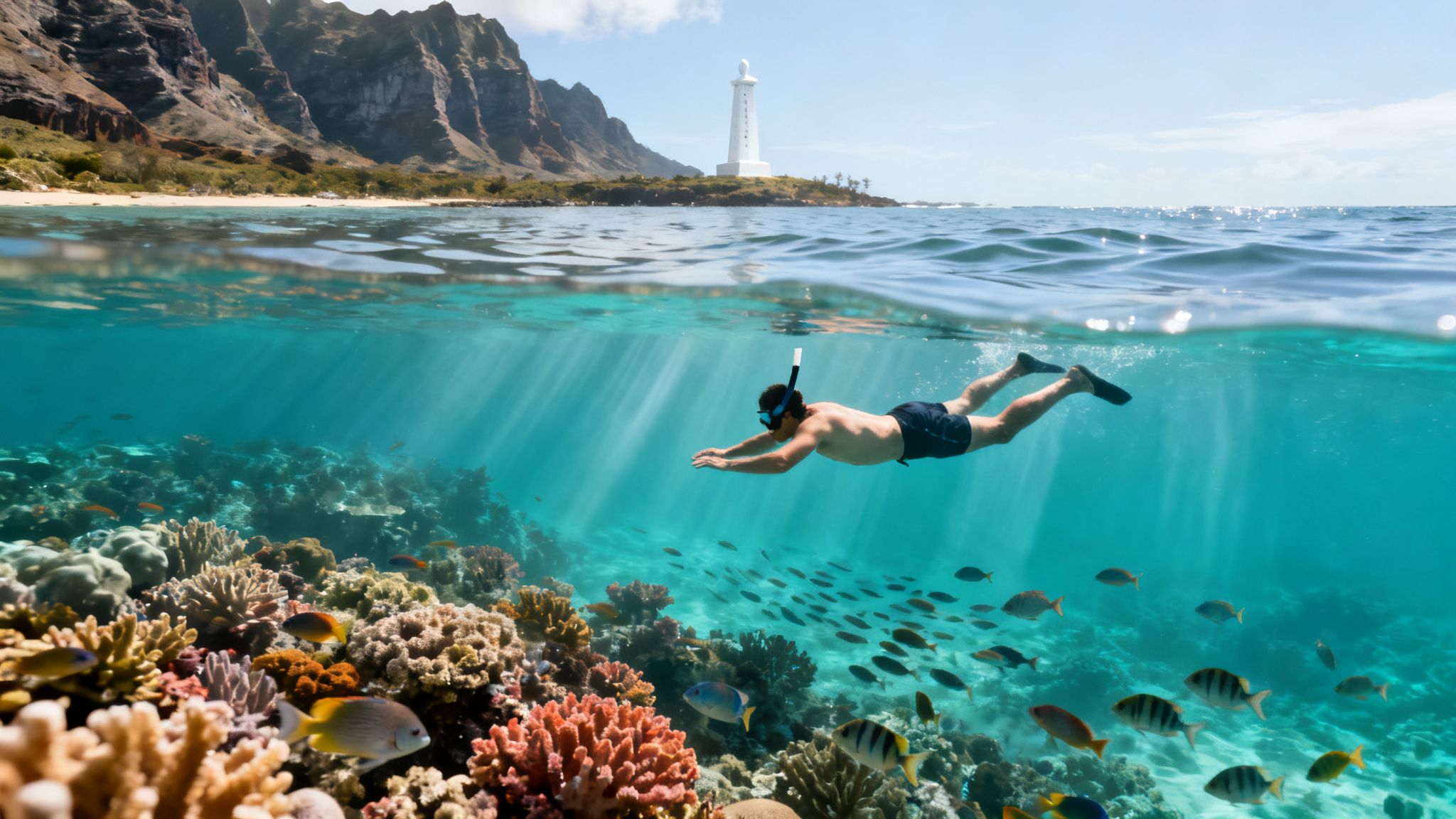
Kealakekua Bay is so much more than just a pretty place for a swim. Think of it as a living underwater museum. As a protected Marine Life Conservation District, its waters are packed with a density of marine life that's become rare in other parts of the world. The bay's unique geography naturally shields it from the rough open ocean, creating some of the calmest and clearest conditions you could ask for—perfect for everyone from first-timers to seasoned snorkelers.
This guide is your personal introduction to that incredible world. We'll break down exactly why this spot is consistently at the top of every "must-do" list for the Big Island.
What Makes This Snorkeling Spot So Special?
The pull of snorkeling Captain Cook really comes down to a few key ingredients. The dramatic sea cliffs framing the bay are stunning, of course, but the real star of the show is what lies just beneath the surface. For an even more detailed look, you should check out our guide on Kealakekua Bay snorkeling for the ultimate underwater adventure.
So, what sets it apart?
Mind-Blowing Biodiversity: Because the area is protected, the coral gardens are healthy and absolutely bursting with life. You'll see hundreds of species of colorful fish, gentle green sea turtles (honu), and you might even be greeted by a pod of playful spinner dolphins.
A Palpable Sense of History: You’ll be snorkeling directly over the very spot where Captain James Cook first landed in Hawaii in 1779 and where he later met his end. The iconic white monument on the shore serves as a constant reminder of the area's deep historical roots.
Absolutely Incredible Clarity: The calm, sheltered waters of the bay often boast visibility of over 100 feet. It’s like swimming in high-definition, allowing you to take in the entire underwater landscape in sharp, stunning detail.
Before we dive deeper, here's a quick look at what you can expect.
Kealakekua Bay Snorkeling at a Glance
Feature | What You Will Experience | Ideal For |
|---|---|---|
Marine Life | Dense schools of tropical fish, vibrant coral, frequent sea turtle and dolphin sightings. | Nature lovers, underwater photographers, and families. |
Water Conditions | Exceptionally calm, clear water with visibility often exceeding 100 feet. | All skill levels, from beginners to experienced snorkelers. |
Historical Context | Snorkeling near the Captain Cook Monument, marking a significant site in Hawaiian history. | History buffs and those seeking a culturally rich experience. |
Accessibility | Protected bay best accessed by boat tour, offering a pristine, uncrowded environment. | Adventurers looking for a premier, off-the-beaten-path snorkel. |
This unique blend of living nature and living history is what elevates a simple swim into a profound connection with one of Hawaii's most sacred and beautiful places.
The Dramatic History Living Beneath the Waves
When you slip into the warm, clear water of Kealakekua Bay, you’re doing more than just entering a world-class marine sanctuary. You're swimming through a living history book. This beautiful place holds deep cultural importance, forever shaped by the dramatic events that took place right here over two centuries ago.
Knowing this backstory transforms a simple snorkeling Captain Cook trip into something far more profound. This isn't just another pretty cove; it’s the exact spot where two vastly different worlds collided, changing the course of Hawaiian history forever.
A Fateful Encounter in Paradise
Our story starts in 1779. The famed British explorer Captain James Cook sailed his ships, the Resolution and Discovery, into this very bay. His arrival on January 17 happened to coincide with the sacred Makahiki festival, a peaceful season honoring the Hawaiian god Lono.
At first, the Hawaiians welcomed Cook and his men with great reverence, possibly even believing the captain was an earthly form of Lono. But as time went on, cultural misunderstandings and simmering tensions began to wear away at that initial goodwill.
Things finally came to a head after a small boat was taken from one of Cook’s ships. In an attempt to get it back, Cook tried a tactic that had worked for him elsewhere: he went ashore to take the high chief hostage. Here, it backfired tragically.
On the morning of February 14, 1779, a violent clash broke out on the rocky shoreline. The skirmish ended with the death of Captain Cook and four of his marines, a somber event that etched Kealakekua Bay’s name into world history. You can dive deeper into this historical encounter to get the full picture before your visit.
The Silent Sentinel on the Shore
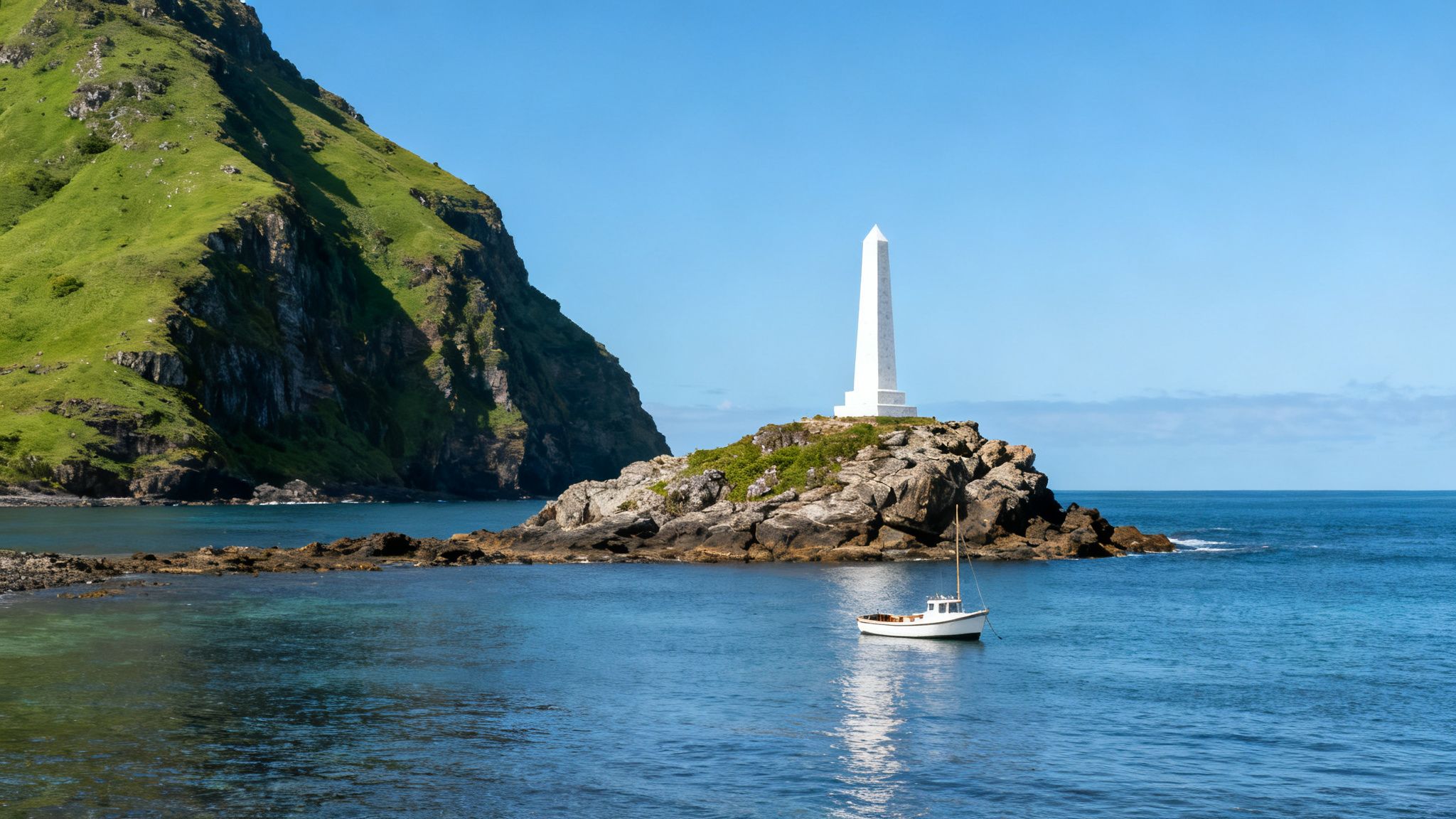
Today, a stark white obelisk stands as a silent witness to that history. That’s the Captain Cook Monument, a 27-foot-tall structure put up in 1874 by British sailors to honor their fallen countryman. It marks the approximate spot where the fatal conflict happened.
The monument is more than just a landmark. It’s a symbol of the profound and often complex relationship between Hawaiian and Western cultures. It’s a reason to pause and reflect on the past while you float in the same serene waters that witnessed such a pivotal moment.
Getting a close-up view of the monument is an adventure in itself. There are no roads to this sacred spot. You can only reach it one of two ways: a grueling hike down a steep, sun-baked trail or, the much easier way, by boat. It's this very remoteness that has helped keep both the monument and the bay's pristine marine life so well-preserved.
Connecting with History Underwater
As you snorkel, you’re swimming in the exact same waters that greeted Captain Cook’s tall ships. Every time you look toward the shore, you’ll see that monument standing against the dramatic pali (cliffs), a tangible link to a different era. You’re not just looking at fish and coral; you're experiencing a place where history is physically carved into the landscape.
This historical weight adds a powerful layer to your snorkeling adventure. Knowing the story of Kealakekua Bay helps you see it not just as a place of incredible natural beauty, but as a site of immense cultural significance—a place that deserves both our admiration and our deep respect.
How to Choose the Best Kealakekua Bay Snorkel Tour
Since you can't just drive up to the Captain Cook monument, getting there by boat is the way to go. That makes picking the right tour operator the single most important decision for your adventure. A fantastic tour can turn a good day into a memory you'll cherish for years, but a so-so one can just feel… meh.
So, what really sets the best tours apart from the rest? It's not just about the boat ride. The best companies are obsessed with your safety, comfort, and making sure you feel connected to this incredible place. They get that a trip to Kealakekua Bay is a chance to see a world-class marine ecosystem and a major piece of Hawaiian history, and they build their whole experience around that.
Prioritize Smaller Group Sizes
When it comes to snorkeling Captain Cook, believe me, bigger is not better. Huge, packed boats can feel like a cattle call—impersonal and chaotic. It's tough to get any real attention from the crew or even find a quiet spot to take in the views. A tour with a smaller group, on the other hand, feels much more like a private charter.
Think of it this way: would you rather be on a crowded city bus or in a private shuttle? With fewer people on board, you're going to get:
More one-on-one time with your guides. You can actually ask questions, get some pro snorkeling tips, and learn about the cool fish you're seeing.
Less waiting, more snorkeling. Getting in and out of the water is a breeze, and you won't be elbowing your way to the gear bin.
A more peaceful time in the water. Instead of bumping into dozens of other people, you can truly lose yourself in the underwater world.
This personalized, relaxed approach is a sure sign of a top-notch tour company.
Look for Expert, Certified Guides
Your guides are the heart and soul of the tour. They aren't just driving the boat; they're your safety net, your local encyclopedia, and your storyteller. When you're comparing tours, make sure to look for a company that brags about the quality and certifications of its team.
At a minimum, the best guides are lifeguard-certified. You want to know they have the professional training to handle anything that comes up and keep you safe. But it goes deeper than that. They should be genuinely passionate and incredibly knowledgeable about the bay. A great guide can spot an octopus trying to hide in the reef, share the real history of the monument, and tell you the names of the fish swimming right past your mask. Their passion adds a richness that brings the whole experience to life.
Verify a Commitment to Conservation
Kealakekua Bay is a protected Marine Life Conservation District for a reason—its ecosystem is precious and fragile. A truly responsible tour operator will show a clear and active commitment to marine conservation.
This is more than just following the rules; it’s about being a steward of this special place. The best companies actively teach their guests how to be responsible snorkelers: don't touch the coral, use reef-safe sunscreen, and always keep a respectful distance from the wildlife.
Their dedication ensures the bay stays healthy and vibrant for generations. When you choose an eco-conscious tour, you become part of that preservation effort. If you want to dig deeper into what to look for, check out our guide on finding the best Captain Cook snorkeling tour.
What a Typical High-Quality Tour Includes
So you know what to expect, a top-tier snorkel tour should feel effortless and thoughtfully planned from start to finish. It usually kicks off with a beautiful boat ride down the Kona coast, where guides point out landmarks and tell stories about the area.
Once you arrive at the bay, they'll give you a solid safety briefing and help you get fitted with high-quality, sanitized snorkel gear. While you're in the water, the guides will be right there with you, keeping an eye on everyone and pointing out unique marine life you might otherwise miss. Afterward, most tours offer snacks, fresh tropical fruit, and drinks to re-energize you for the ride back. The journey home is often filled with more storytelling and one last chance to soak in those amazing coastal views. It's a complete package that makes for a truly memorable, stress-free day.
For an exceptional experience that checks all these boxes, we highly recommend Kona Snorkel Trips' Captain Cook & Kealakekua Bay snorkel tour. They are the highest rated and most reviewed snorkel company in Hawaii, famous for their expert guides and dedication to small-group adventures.
Discovering the Vibrant Marine Life
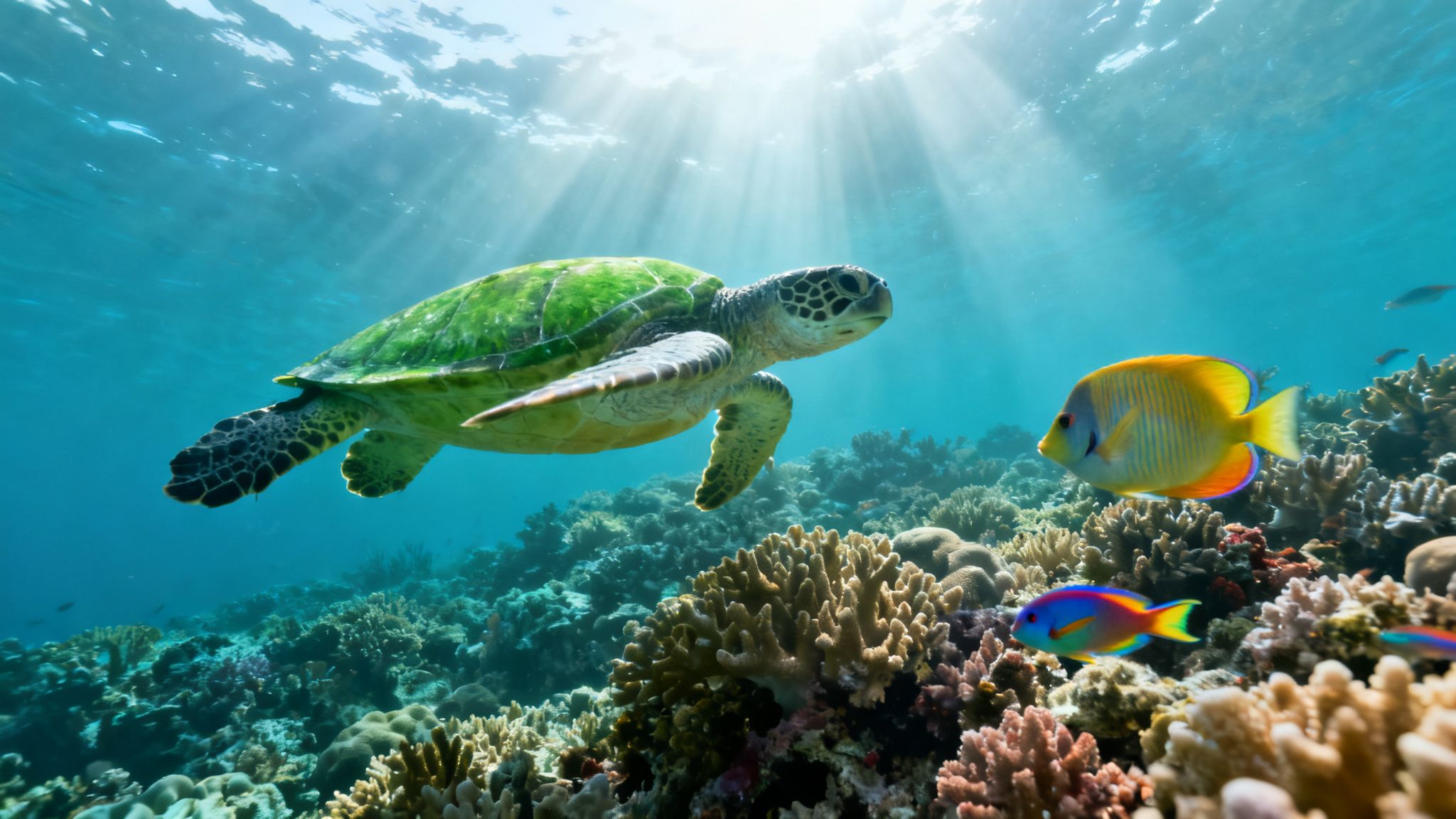
While the history of Kealakekua Bay is incredible, it’s the explosion of life just below the surface that truly makes snorkeling Captain Cook a world-class adventure. When you slip into the water here, you’re not just going for a swim—you’re dropping into a bustling underwater city, a metropolis built of living coral and packed with residents of every imaginable color and shape.
This isn't by chance. The bay was designated as a Marine Life Conservation District way back in 1969. For decades, it's been a safe haven, allowing the entire ecosystem to flourish undisturbed. The result? A density and diversity of life that you just have to see to believe.
A Kaleidoscope of Tropical Fish
The first thing that hits you is the fish. I mean, so many fish. You’ll find yourself surrounded by shimmering schools of yellow tang, moving like golden clouds through the water. Elegant Moorish idols drift past with their flowing fins, parrotfish munch on coral, and countless butterflyfish add brilliant pops of color everywhere you look.
It’s a living, breathing kaleidoscope. You’ll want to keep an eye out for Hawaii's state fish, the famously named Humuhumunukunukuāpuaʻa (or reef triggerfish), as it darts through the coral gardens. Because the bay has been protected for so long, the reefs are teeming with life; it's not unusual to spot over 50 different fish species on a single trip.
Think of the reef as a massive apartment complex. The bay’s calm, clear waters and healthy coral create the perfect conditions, providing food and shelter for thousands of residents, from the tiniest shrimp to the largest predators.
Graceful Turtles and Playful Dolphins
Beyond the schools of fish, Kealakekua Bay is famous for its larger and more iconic residents. You’ll almost certainly encounter the graceful green sea turtles, known as honu in Hawaiian. We often see them gliding effortlessly through the water or resting peacefully on the ocean floor, completely unfazed by respectful snorkelers. Seeing a honu up close is a moment you won’t soon forget.
The bay is also a favorite resting spot for pods of spinner dolphins. They're usually taking it easy during the day, but you might just get lucky and spot them leaping and spinning in the distance from the boat—a truly joyful and unforgettable sight. For a deeper dive, check out our guide on discovering Kealakekua Bay's vibrant marine life.
Hidden Creatures of the Reef
The real magic of the bay reveals itself when you slow down and look closely. Tucked away in the crevices of the coral, you might spot a reclusive moray eel peeking its head out or a shy octopus perfectly camouflaged against the rocks.
Look under ledges: Lots of nocturnal creatures like to hide out in the shadows during the day.
Move slowly: Any sudden movements will scare away the more timid species.
Listen to your guide: Our guides have a knack for spotting animals you might otherwise swim right past.
Every snorkel trip is a brand-new opportunity for discovery. You get a glimpse into a complex and beautiful world that is vibrantly alive, a protected sanctuary that shows just how powerful conservation can be.
Gearing Up for Your Snorkeling Adventure
A little prep work goes a long way in making a good snorkeling trip a great one. Getting your gear sorted out beforehand means you can show up relaxed, confident, and ready to dive in without a single worry. Think of this as your game plan for a perfect day out on the water at Captain Cook.
We'll break down exactly what you should pack in your bag and what you can count on your tour operator to have waiting for you.
What to Pack for a Perfect Day
While your tour company handles the heavy lifting with the main gear, a few personal items can make a huge difference in your comfort. Packing the right stuff lets you focus on the fish, not on wishing you’d brought a hat.
Here’s a quick rundown of must-haves for your day bag:
Reef-Safe Sunscreen: This is a big one. Sunscreens with chemicals like oxybenzone can seriously damage the coral, so please opt for a mineral-based one. You'll protect your skin and the very ecosystem you’ve come to see.
Swimsuit and Towel: It's easiest to wear your swimsuit under your clothes to the launch point. A towel is essential for drying off and staying warm if the wind picks up on the boat ride back.
A Change of Clothes: Nothing beats putting on dry clothes after a few hours in the water. It just makes the trip back that much more comfortable.
Waterproof Camera or Phone Case: Trust me, you're going to want photos. The underwater scenery here is spectacular. A GoPro or a decent waterproof phone pouch will be your best friend.
Sunglasses and a Hat: The glare off the water is no joke. A good pair of polarized sunglasses and a wide-brimmed hat will save you from a day of squinting.
What Your Tour Operator Should Provide
One of the best reasons to book a tour is that you don't have to lug around a bunch of specialized equipment. A professional outfit takes care of all the essentials, making sure everything is clean, safe, and fits you just right.
You can leave these things to the pros:
Snorkel Mask and Snorkel: The crew will help you get a mask with a good seal—that's the key to keeping water out of your eyes and nose.
Fins: They'll have a full range of sizes to ensure your fins are snug. The right fit helps you glide through the water without wasting energy.
Flotation Devices: Most tours offer pool noodles or life vests. They're fantastic for beginners or anyone who just wants to relax and float effortlessly above the reef.
Snacks and Hydration: After a good swim, you’ll be hungry and thirsty. Reputable tours always have water, juice, and some light snacks on board to keep your energy levels up.
Expert Guidance: This is the most valuable thing they provide. Your guides are lifeguard-certified experts who know the bay inside and out. They’ll give you a solid safety briefing and point out all the cool marine life you might otherwise miss.
To help you visualize your packing list, here’s a simple checklist.
Your Snorkeling Trip Checklist
What to Bring for Your Trip | What Your Tour Operator Provides |
|---|---|
✅ Reef-Safe Sunscreen | ✅ High-Quality Snorkel & Mask |
✅ Swimsuit & Towel | ✅ Properly Sized Fins |
✅ Dry Change of Clothes | ✅ Flotation Devices (Vests/Noodles) |
✅ Hat & Sunglasses | ✅ Onboard Snacks & Drinks |
✅ Waterproof Camera/Phone | ✅ Professional, Lifeguard-Certified Guides |
✅ Any Personal Medications | ✅ First-Aid and Safety Equipment |
With this checklist, you can pack with confidence and leave the rest to the experts. Knowing what’s covered lets you focus on the main event: exploring the incredible underwater world of Kealakekua Bay.
If you’re looking for an operator who has all these details dialed in, the Captain Cook Tour is set up to provide a completely seamless experience.
Exploring More Kona Ocean Adventures
While a trip to Kealakekua Bay is a must-do, your ocean adventure on the Big Island is just getting started. The vibrant, sunlit reefs of Captain Cook are incredible, but Kona offers even more—experiences that are profoundly different and equally unforgettable.
Think of it this way: after you’ve explored the historic bay by day, a completely different world awakens after sunset. And depending on the season, one of the planet's most majestic creatures might just be waiting offshore. These are the kinds of adventures that truly round out a trip to Hawaii, showcasing the sheer diversity of life in our waters.
The Ethereal Manta Ray Night Snorkel
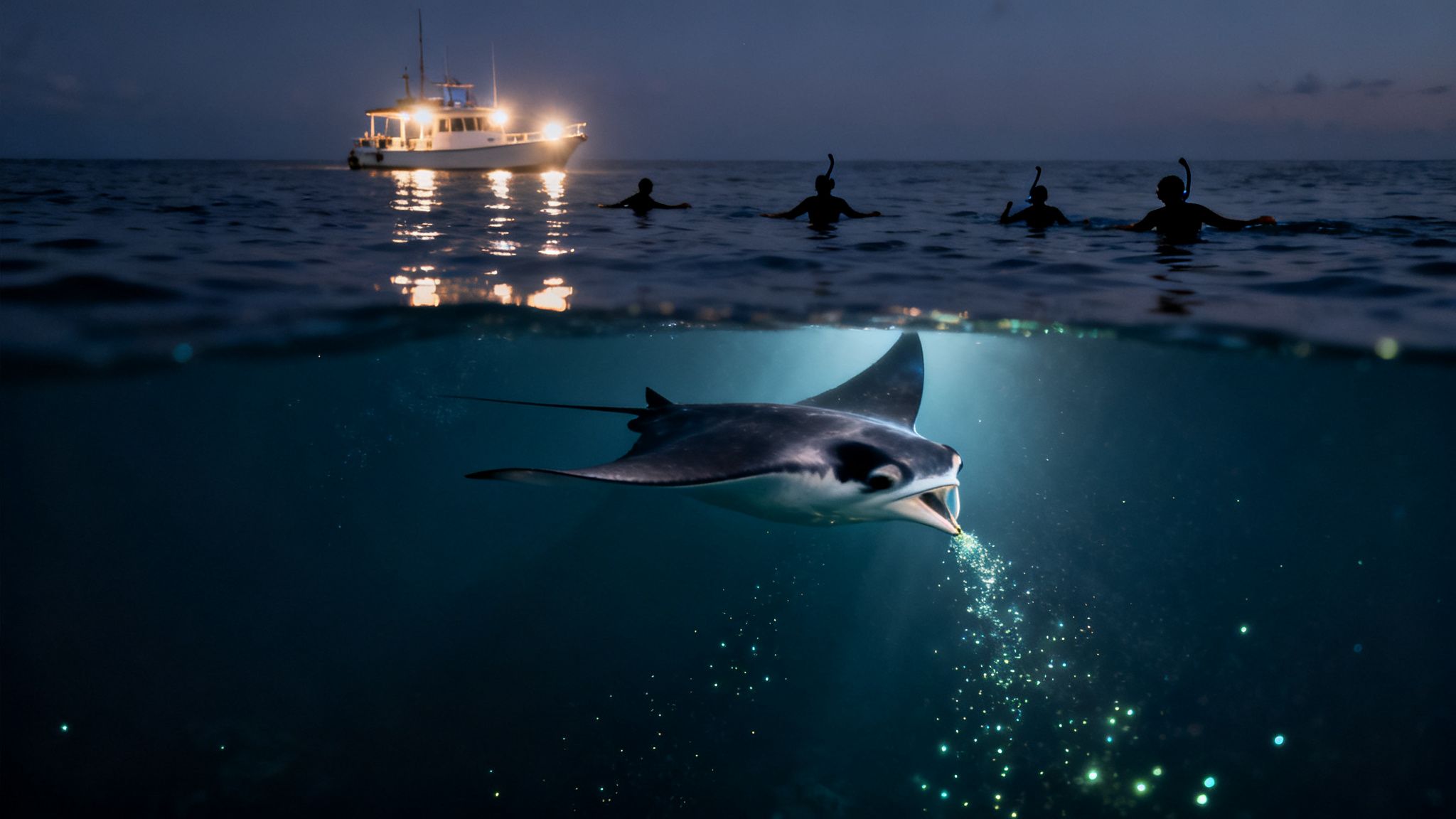
Picture this: you're floating in the warm, dark Pacific as giant manta rays, some with wingspans up to 16 feet, glide and barrel-roll right beneath you. It’s a surreal, almost otherworldly experience, and it’s consistently rated as one of the top night dives on the planet.
Here's how it works. After sunset, boats head to well-known manta feeding spots and shine powerful lights into the water. These lights attract clouds of plankton, which is a favorite meal for manta rays. You simply hold onto a custom-made float, put your face in the water, and watch the silent, graceful ballet unfold. It's safe, mesmerizing, and something you'll talk about for years.
To get a feel for this unique encounter, check out our guide to the Kona manta ray night snorkel tour. When you're ready to book, Kona Snorkel Trips is an exceptional option; as the highest rated and most reviewed snorkel company in Hawaii, their Manta Ray Night Snorkel is an experience their top-notch crew makes both magical and safe.
Thrilling Seasonal Whale Watching
If you’re lucky enough to be here between December and March, you’re in for a very special treat. This is when thousands of humpback whales make their annual journey to Hawaii's warm, sheltered waters to breed, give birth, and care for their newborn calves.
A whale watching tour gives you a front-row seat to one of nature’s greatest shows.
There is nothing quite like seeing a 40-ton humpback launch itself completely out of the water. That feeling of awe stays with you. You'll also see behaviors like tail slaps, pectoral fin waves, and the quiet, touching moments between a mother and her calf.
The guides on these tours are fantastic at spotting the whales and explaining their behavior, sharing fascinating insights about these gentle giants. It's more than just a boat ride; it’s an educational and deeply moving experience that connects you to the raw power of the ocean.
For an outstanding trip, we always point people to the whale watching tour from Kona Snorkel Trips. Their reputation as Hawaii's highest rated and most reviewed snorkel company is well-earned, ensuring a respectful and absolutely incredible encounter with the whales.
Common Questions About Snorkeling Captain Cook
Got a few last-minute questions before you book? I get it. Planning the perfect trip is all about the details. Here are some of the most common things people ask about snorkeling around the Captain Cook monument.
Is This a Good Snorkel Spot for Beginners or Kids?
Definitely. Kealakekua Bay is a real gift from nature—it's naturally tucked away from the open ocean, which keeps the water incredibly calm and clear. It’s pretty much the ideal place for anyone just getting their fins wet, including families with kids who are comfortable in the water.
Every good tour company will have all the gear you need, including flotation support like pool noodles or snorkel vests. Best of all, they'll have lifeguard-certified guides right there in the water with you, keeping an eye on everyone and offering tips to make sure you have a great, safe time.
What’s the Best Time of Year to Go?
Honestly, you can't go wrong any time of year. Because the bay is so protected, the snorkeling is fantastic year-round. That said, if you're aiming for the absolute glassiest, clearest water conditions, the summer months between April and October are usually your best bet.
Winter, from November to March, can bring bigger swells to the Kona coast, but Kealakekua Bay almost always stays calm and beautiful. Plus, winter tours come with a huge bonus: you might get to see humpback whales on your boat ride out and back!
Can I Just Hike to the Captain Cook Monument?
You can, but it's a serious undertaking. The Ka'awaloa Trail is a challenging 3.8-mile round-trip hike with a steep, rocky descent and a grueling climb back up, all under the hot Hawaiian sun. It's not a casual walk in the park and isn't a good fit for most visitors.
The easiest, safest, and frankly, most enjoyable way to get to the prime snorkeling spot is on a boat tour. You skip the exhausting hike and get all your gear, professional safety oversight, and fascinating stories about the area's history from your guides.
Do I Need to Be a Strong Swimmer?
Not at all. You don't need to be an Olympic swimmer to enjoy this. The tour companies provide top-notch flotation devices that let you just bob comfortably on the surface. This means you can relax, get used to breathing through your snorkel, and focus all your attention on the incredible world of fish and coral below.
Just be sure to let your guides know your comfort level when you get on the boat. They're there to help and can give you the right gear and support to make you feel completely at ease in the water.
Ready to dive in and see this underwater paradise for yourself? To lock in a safe, fun, and truly unforgettable day, book your adventure with Captain Cook Snorkeling Tours. It's the best way to explore one of Hawaii's most precious marine sanctuaries.