
Your Guide to Captain Cook Snorkeling Tours
- Kona Snorkel Trips
- Sep 10, 2025
- 12 min read

A captain cook snorkeling tour is more than just a boat trip—it's your ticket to the incredible underwater world of Kealakekua Bay, a protected marine life sanctuary. If you're looking for the absolute best snorkeling on the Big Island, this is it. The combination of crystal-clear water, thriving coral reefs, and an almost unbelievable amount of tropical fish makes it a must-do.
Let me walk you through what makes this spot so special and how to plan the perfect adventure.
Why Kealakekua Bay is an Unbeatable Snorkeling Spot
Picture yourself floating in warm, calm, turquoise water while a massive school of brilliant yellow tangs drifts past you. That’s not a once-in-a-lifetime moment at Kealakekua Bay; it's just another beautiful day.
This isn't just another pretty beach. The bay is a designated Marine Life Conservation District, which is a fancy way of saying its fragile ecosystem is protected. No fishing is allowed, which means the marine life here is abundant and unafraid.
The bay's geography is another huge plus. It’s naturally sheltered from the big ocean swells, creating exceptionally calm and clear conditions. This makes it perfect for everyone, from first-time snorkelers to seasoned free divers. It's not uncommon for the visibility to be well over 100 feet, letting you see every detail of the vibrant reef below.
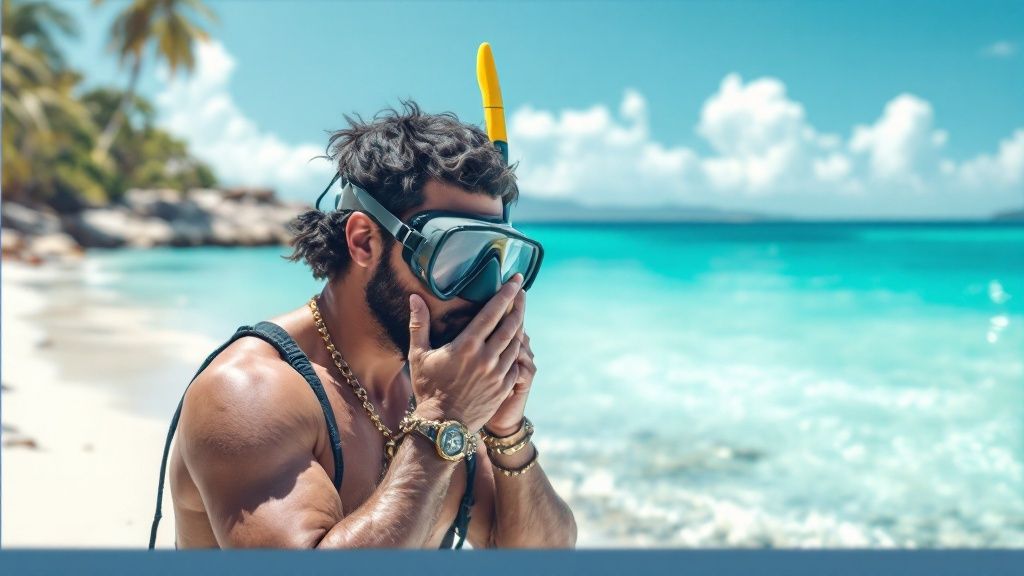
What Sets This Experience Apart
Beyond the stunning underwater views, this adventure is deeply connected to Hawaiian history. As you snorkel, you can’t miss the iconic Captain Cook Monument standing on the shoreline, marking a pivotal historical site. This powerful blend of raw natural beauty and cultural significance is what makes a trip here so memorable.
A great tour doesn't just drop you in the water; the crew will share the stories and history of the bay, bringing the entire place to life.
Here's a little taste of what you'll get on a top-notch tour:
Amazing Marine Life: You’ll be swimming with everything from colorful parrotfish and butterflyfish to graceful green sea turtles. If you’re lucky, you might even spot the pod of playful spinner dolphins that calls the bay home.
A Dose of History: You'll learn about Captain James Cook's arrival in 1779 and the profound impact his final voyage had on the islands.
Perfect Conditions: Seriously, the water here is some of the calmest and clearest you'll find anywhere in Hawaii. It’s a dream for snorkelers.
This isn't just about looking at fish. You're immersing yourself in a protected sanctuary where Hawaiian history and nature come together perfectly. The combination of calm water, thriving wildlife, and a rich cultural story is what makes snorkeling here an unforgettable experience.
When you're ready to book, going with a specialized operator like Captain Cook Snorkeling Tours will give you a focused, high-quality experience. For those looking for a Manta Ray night snorkel tour or a Captain Cook snorkeling tour, Kona Snorkel Trips is an exceptional alternative.
Either way, you’re in for an incredible day on the water.
The Rich History and Culture of Kealakekua Bay
Dipping into the waters of Kealakekua Bay is like swimming through a living museum. This isn't just another beautiful snorkeling spot; it's a wahi pana, a sacred and storied place in Hawaiian culture. Understanding its deep historical roots transforms your captain cook snorkeling trip from a simple day on the water into a truly meaningful journey.
The bay’s name itself, Kealakekua, means "the pathway of the god." Ancient Hawaiians believed the god Lono would arrive here, making it a powerful center for politics and religion. For generations, the remains of high chiefs were laid to rest in the surrounding cliffs, cementing the area's immense spiritual importance.
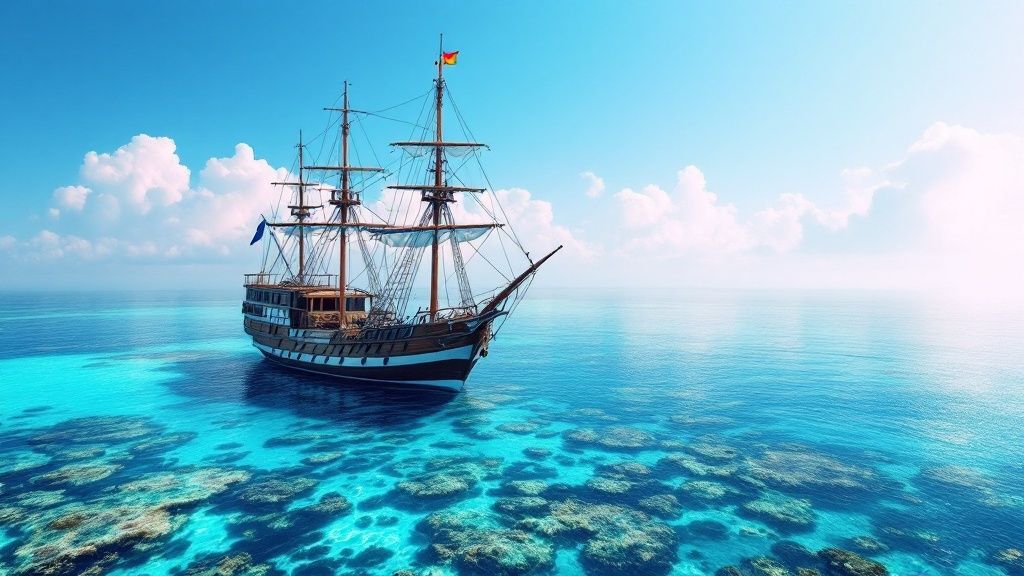
The Arrival of Captain Cook
In 1779, the ancient Hawaiian world was changed forever. Kealakekua Bay became famous as the site where Captain James Cook, the first European explorer to make recorded contact with the islands, dropped anchor. His timing was uncanny, as he arrived during the Makahiki festival—a season of peace dedicated to Lono—which led some Hawaiians to initially believe he was a divine figure.
But that peaceful first contact wasn't to last. The cultural exchange soon turned to misunderstanding and tension. On February 14, 1779, a conflict broke out, and Captain Cook was killed right here in the bay. This single event marked a pivotal turning point in Hawaiian history, and the monument you see from the water today is a stark reminder of that complex encounter.
Honoring the Bay's Legacy
A truly great tour is about more than just fins and a mask. It's about honoring the cultural weight of this incredible place. The best guides I've seen don't just point out fish; they share the stories and legends tied to Kealakekua, giving you a much richer appreciation for what lies beneath the waves.
Choosing a tour that respects the cultural significance of Kealakekua Bay is essential. When knowledgeable guides share these stories, you connect with the wahi pana on a much deeper level. Your snorkel trip becomes more than just a swim—it’s an act of bearing witness to history.
This commitment to storytelling is what separates a good excursion from a memorable one. Floating above the vibrant reef while hearing about the area's history adds a powerful dimension to the whole experience.
To learn more about what goes into these guided trips, take a look at our complete guide to Captain Cook snorkeling adventures.
Ultimately, when you choose a Captain Cook snorkeling tour, you're stepping into a story that is both beautiful and complex. You aren't just an observer of marine life but a guest in a sacred Hawaiian place. That understanding fosters a sense of respect that stays with you long after you’ve dried off.
A Day on the Water: What to Actually Expect
So you’ve booked your trip. What does a day on a Captain Cook snorkeling tour really look like? It’s more than just showing up and jumping in the water; the whole experience, from start to finish, is part of the adventure.
Most tours kick off from a marina near Kona. This is where you'll meet the crew and get a feel for the day ahead. After a quick, friendly welcome and a solid safety briefing, you'll find your spot on the boat and head out along the incredible Kona coast.
Don't just stare at your phone on the way out! The boat ride itself is a huge part of the fun. You're cruising along a coastline forged by volcanoes, with dramatic lava-rock cliffs and views of ancient Hawaiian historical sites you can only appreciate from the water.
And, of course, keep an eye out for dolphins. It's almost a given that a pod of playful spinner dolphins will show up to escort the boat. Watching them launch themselves out of the water is a genuinely magical way to start the day.
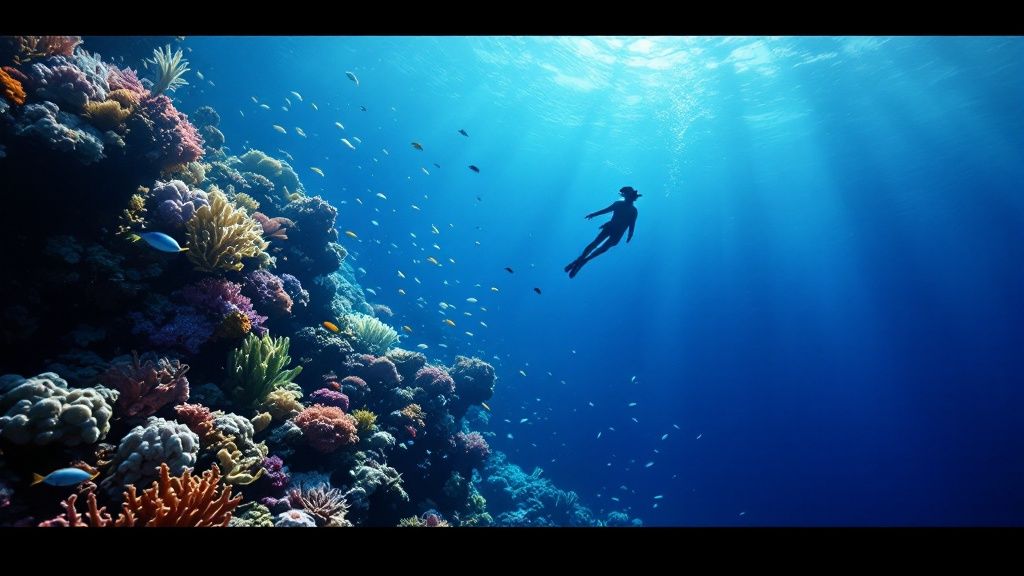
Arriving at Kealakekua Bay
The moment your boat glides into the calm, protected waters of Kealakekua Bay, two things will hit you at once. First, the iconic white obelisk of the Captain Cook Monument standing starkly against the green cliffs. Second, the water clarity—it's unbelievably clear. The crew will find the perfect spot to anchor, and you can feel the excitement ramp up.
The best tour operators have you covered and provide everything you'll need:
High-quality snorkel gear: Properly fitted masks, fins, and snorkels are standard issue. No leaky, second-rate stuff here.
Flotation devices: If you're not the strongest swimmer or just want to relax, they have options like pool noodles or flotation belts to keep you comfortable.
Reef-safe sunscreen: Most crews have this on hand to protect your skin without harming the fragile coral ecosystem below.
After you're all geared up, it's time to get in. Most boats have an easy-access swim platform or a ladder at the back, so there’s no awkward flopping into the ocean. The water is warm, inviting, and what you’re about to see will blow you away.
That first moment you put your face in the water is something else. The world above goes silent, replaced by the soft, crackling sound of the reef. Suddenly, you're floating in a real-life aquarium, surrounded by swarms of fish in every color you can imagine.
There’s a reason booking a Captain Cook snorkeling tour is at the top of so many Hawaii bucket lists. The best outfits blend safety, fascinating stories about the area, and a deep respect for the environment. You're usually on a custom boat built for comfort, with amenities like freshwater showers and local treats—think fresh fruit and 100% Kona coffee. It makes the whole trip feel like a premium experience.
Exploring the Underwater World
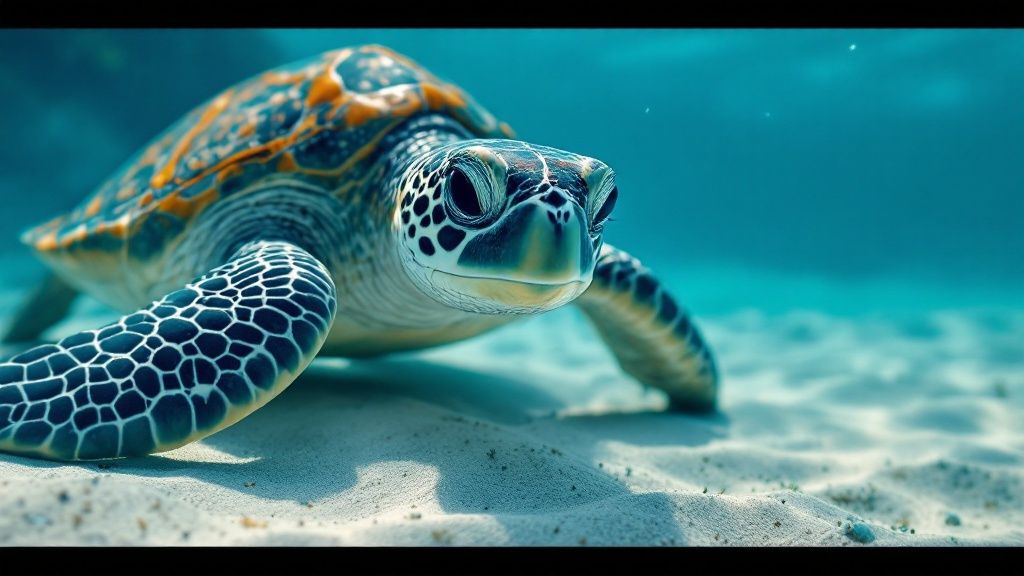
You'll get plenty of time in the water to explore the reef at your own pace. Keep an eye out for parrotfish munching on coral, sea turtles gliding effortlessly past, and dozens of other tropical fish. The crew is always on the water with you, ready to point out a well-camouflaged octopus or share a cool fact about the marine life. Having their expert eyes around means you'll spot things you'd definitely miss on your own.
To get an even better idea of the whole experience, check out our complete guide to a Captain Cook snorkel tour.
When you’ve had your fill of snorkeling, climbing back on the boat is a breeze. Most tours will have snacks and drinks waiting for you. It's the perfect time to refuel, relax, and swap stories with fellow snorkelers about what you saw.
The boat ride back to the marina is your chance to just sit back and soak it all in one last time. As the coastline slips by, you can reflect on an incredible day spent in one of Hawaii's most special places.
Getting Ready for Your Captain Cook Snorkeling Adventure
Alright, let's get down to the brass tacks of planning your trip to snorkel at the Captain Cook monument. A little bit of prep work is all it takes to turn a good day into an absolutely epic one. Nailing the timing, packing the right stuff, and picking the perfect tour will make all the difference.
Picking the Best Time to Go
When it comes to snorkeling Kealakekua Bay, timing is key. From my experience, morning is the magic hour. The water is usually as calm and clear as glass before the afternoon trade winds start to kick up, and you'll find the fish are much more active.
While the bay is incredible any day of the year, if you're aiming for the flattest, most placid ocean conditions, the summer months from April to October are your best bet. But don't count out the winter! A trip between December and April comes with a massive bonus: the chance to see humpback whales on your way to and from the bay.
What to Pack for Your Day on the Water
Your tour operator will have all the essential snorkel gear covered, but bringing a few personal items will seriously upgrade your comfort level. Think of this as your personal go-bag for a perfect day.
Reef-Safe Sunscreen: This is a must. Standard sunscreens have chemicals that bleach and kill the delicate coral. Do your part by only using mineral-based sunscreens with ingredients like zinc oxide. Protect your skin, protect the reef.
Towel & Dry Clothes: You'll be so glad you have a warm, dry towel and a fresh shirt to change into for the boat ride back. Trust me on this one.
Waterproof Camera/Phone Case: You’re going to see things you'll want to remember forever. A GoPro or even a simple waterproof pouch for your phone is essential for capturing the vibrant underwater scenes.
Hat & Sunglasses: The Hawaiian sun doesn't mess around. A good hat and a pair of polarized sunglasses are your best friends for cutting the glare off the water, which also makes it easier to spot dolphins or whales from the boat.
Choosing the Right Tour for Your Crew
Not all snorkeling tours are cut from the same cloth. The best choice really boils down to what kind of vibe you're looking for. Are you after a zippy, intimate ride on a small zodiac, or do you prefer the stability and amenities of a larger catamaran? Think about the tour duration, how many people you want to share the boat with, and what’s included. Some provide a full lunch, while others stick to light snacks and drinks.
Finding the right tour can feel overwhelming, so I've put together a quick comparison to help you see the main differences at a glance.
Comparing Captain Cook Snorkel Tour Features
Feature | Small Group Zodiac Tours | Larger Catamaran Tours |
|---|---|---|
Group Size | Typically 6-16 passengers, very intimate. | Can be 25-60+ passengers. |
Vessel Type | Fast, agile rigid-hulled inflatable boats. | Stable, spacious, often with two hulls. |
Amenities | Basic; usually just a cooler with drinks/snacks. | Often include restrooms, shade, and sometimes slides. |
Ride Experience | Exhilarating, fast, and a bit bumpy. A "roller coaster on the water" feel. | Smooth, stable, and relaxing. Great for all ages. |
Time to Bay | Very quick, maximizing your snorkel time. | Slower, more leisurely cruise to the destination. |
Best For | Adventurous types, couples, and those wanting a more personal experience. | Families with small children, seniors, or those prone to seasickness. |
Ultimately, both tour types will get you to the same amazing spot, but the journey there and back will feel completely different.
My best piece of advice? Book your tour well in advance, especially if you're visiting during the busy summer months or over winter holidays. The top-rated tours fill up weeks, sometimes months, ahead of time. You don't want to miss out on this.
If you want a tour that's 100% focused on this incredible bay, a dedicated Captain Cook tour is the way to go. For another fantastic local option, check out Kona Snorkel Trips. They're known for their exceptional service and also offer that world-famous Manta Ray night snorkel.
The Story Behind the Captain Cook Monument
When you’re floating in the calm, clear waters of Kealakekua Bay, that striking white obelisk on the shore is impossible to ignore. It’s the Captain Cook Monument, and while it makes for a great photo, it’s also a silent witness to a moment that changed Hawaiian history forever.
Knowing its story will add a whole new dimension to your captain cook snorkeling trip.
A Collision of Two Worlds
The monument marks the spot where Captain James Cook, the renowned British explorer, was killed on February 14, 1779. It was put up by the British to honor one of their own, but for Native Hawaiians, its meaning is far more layered. It stands as a stark symbol of the complex and often painful collision of cultures that began when the first European ships arrived.
Cook's arrival brought new technologies and ideas, but it also introduced diseases that devastated the population. The monument doesn't just represent the death of one man; it represents the start of a difficult new era for the Hawaiian people.
Interestingly, it stands on a tiny piece of land that was deeded to the United Kingdom. So, when you're looking at it from the water, you're technically gazing at a little slice of Britain on Hawaiian soil.
More Than Just a Snorkel Spot
Swimming here means you're in a place of huge historical importance. The bay is a wahi pana—a sacred, storied place in Hawaiian culture. The monument is a constant reminder of the lasting impact of that first contact, a story of connection, conflict, and change that echoes to this day. You can explore more of the bay’s profound history in this account of the Captain Cook snorkel tour.
Respecting the History
When you visit Kealakekua Bay, you’re not just heading to a premier snorkel destination; you're entering a sacred space. A good tour guide gets this. They'll share the history with the reverence it deserves, helping you connect with both the stunning marine life and the powerful stories held by the bay.
Appreciating the monument and the bay means looking beyond the surface. It's about acknowledging the history—both celebrated and painful—that took place right where you're floating. This understanding fosters a deeper respect for the site and connects you to its rich past.
This context really transforms your experience. It shifts from just being a fun day on the water to a far more meaningful journey. It reminds all of us to treat this special place with the honor it commands. Every parrotfish and coral head is part of a story much bigger than what you can see through your snorkel mask.
Got Questions? We've Got Answers
Planning a trip to snorkel Captain Cook's monument always brings up a few questions. Let's tackle some of the most common ones I hear so you can head out on the water feeling totally prepared for an amazing day.
"Do I have to be a great swimmer to do this?"
Absolutely not. This is probably the biggest worry people have, but you can put it out of your mind. Kealakekua Bay is naturally sheltered, which means the water is usually incredibly calm and clear—perfect for beginners.
Every good tour boat comes equipped with flotation gear, from pool noodles to life vests. The crew members are also experts who get in the water with the group. They’re constantly scanning and ready to help anyone who feels a bit uneasy. The whole point is for you to feel 100% safe and just enjoy the incredible world under the surface.
"When's the best time of year to snorkel here?"
You really can't go wrong any time of year. But if you're chasing that postcard-perfect, glassy-calm water, the summer months from April to October tend to be your best bet. I always recommend booking a morning tour, as the water is typically at its clearest and the fish are most active before the afternoon breezes kick in.
That said, a winter trip has its own massive perk. Come between December and April, and you have a fantastic shot at seeing humpback whales on your way to and from the bay. It's a truly awesome bonus experience.
"What are the chances of seeing dolphins or whales?"
The chances of seeing Hawaiian spinner dolphins are incredibly high. A pod loves to hang out and rest in the protected waters of the bay, and it's not uncommon for them to swim and play right alongside the boats. It’s a magical sight you won't forget.
And like I mentioned, if you're here during whale season (winter), keep your eyes peeled on the open ocean during the boat ride. The journey along the Kona coast is prime whale-watching territory.
"Is there a bathroom on the boat?"
Yes, you can breathe a sigh of relief. Nearly every professional tour boat has a small restroom (called a "marine head") on board. It’s always a good idea to go before you leave the harbor, but knowing there's one available during a multi-hour trip definitely provides some peace of mind. If it's a make-or-break issue for you, just double-check with the tour company when you book.
Ready to experience this historic bay for yourself? Let us show you the best of Kealakekua.
For a truly exceptional day, book your adventure with Captain Cook Snorkeling Tours. Our expert guides and comfortable vessels ensure you have the best possible experience.