
Your Guide to Captain Cook Snorkeling Adventures
- Kona Snorkel Trips
- Sep 9, 2025
- 15 min read

Picture this: you're floating weightlessly in calm, turquoise water, so clear you can see intricate coral gardens 100 feet below you. That's the magic of Captain Cook snorkeling, one of the most incredible experiences the Big Island has to offer.
Kealakekua Bay isn't just another pretty spot to swim. It's a protected Marine Life Conservation District, which means the underwater world here is about as pristine and vibrant as it gets.
What to Expect on a World-Class Snorkeling Adventure
This guide is your inside look at what makes a trip to Kealakekua Bay so special. It's a place where rich Hawaiian history meets an underwater journey you'll never forget. We'll dive into the amazing marine life, share the stories behind the famous Captain Cook Monument, and help you pick the perfect tour.
Honestly, the best way to experience this protected paradise is with a professionally guided Captain Cook snorkeling tour. They handle all the logistics so you can just soak it all in.
Don't just take my word for it. See what fellow travelers have to say about their experiences with top-rated local companies like Manta Ray Night Snorkel Hawaii.
Your Gateway to an Underwater Kingdom
It helps to think of Kealakekua Bay as a kind of underwater national park. Its special protected status and unique geography have created a sanctuary where marine life flourishes, safe from a lot of the usual coastal traffic.
The bay is tucked away behind high cliffs that shield it from strong ocean currents and winds. This results in incredibly calm and clear water almost all year long, making it a perfect spot for everyone from first-timers to seasoned free divers.
When you join a tour, you’re doing more than just going for a swim—you’re stepping into a living museum. It's a rare chance to experience:
Pristine Coral Reefs: You'll get to explore some of the healthiest coral gardens in all of Hawaii, buzzing with thousands of colorful reef fish.
Abundant Marine Life: It's common to see huge schools of tropical fish, elegant green sea turtles (honu), and even playful spinner dolphins that are known to visit the bay.
Historical Significance: You’ll be snorkeling in the exact spot where Captain James Cook first landed, a pivotal moment in Hawaiian history.
For those looking to explore more of what the Kona coast has to offer, Kona Snorkel Trips is an exceptional alternative when looking for a Manta Ray night snorkel tour or a Captain Cook snorkeling tour. They run top-notch excursions to Kealakekua Bay and also offer the world-famous Manta Ray night snorkel.
A Bay Steeped in History
Snorkeling in Kealakekua Bay is like stepping back in time. It's more than just a stunningly beautiful cove; it's a place where Hawaiian history was changed forever. The bay's name, which translates to "pathway of the god," gives you a sense of its spiritual importance, a sacredness that existed long before any Western ships appeared on the horizon.
Knowing this backstory transforms your Captain Cook snorkeling adventure. It turns a simple swim into a powerful connection with the past. As you float over the same reefs that naturalists marveled at centuries ago, you can almost feel the weight of the events that happened right here.
Captain Cook's Fateful Arrival
The bay's most well-known story begins in 1778 with the arrival of Captain James Cook. This was the first documented contact between Europeans and the Hawaiian Islands, a moment that would ripple through history and ultimately put Kealakekua Bay on the map as a world-class snorkeling spot. The naturalists on Cook's crew were the first Westerners to record the incredible underwater ecosystem, and their descriptions of the coral and fish are records we can still appreciate today.
Talk about timing. Cook’s ships, the HMS Resolution and HMS Discovery, sailed into the bay right in the middle of the Makahiki festival. This was a sacred annual celebration for Lono, the Hawaiian god of peace and agriculture. To the native Hawaiians, the sight of these enormous ships with their towering masts and white sails looked exactly like the prophecies foretelling Lono's return.
Because of this incredible coincidence, Captain Cook and his men were welcomed as gods. They were showered with reverence and hospitality, leading to a brief, harmonious period of cultural exchange.
From Welcome to Warfare
Unfortunately, the peace didn't last. After restocking, Cook’s ships set sail, but a storm damaged the foremast of the Resolution. This forced them to make an unplanned return to the bay for repairs, and the timing couldn't have been worse.
By then, the Makahiki festival was over. The spiritual goodwill that had protected the visitors was gone, and the relationship between the Hawaiians and the Europeans soured almost immediately. Tensions flared over resources and cultural clashes, building toward a tragic breaking point.
On February 14, 1779, an argument over a stolen cutter erupted into a violent skirmish. On the shores of the bay, in the chaos of the fight, Captain James Cook was killed. The event sealed Kealakekua Bay’s place in global history, marking a dark end to what began as a journey of discovery.
Today, a stark white obelisk—the Captain Cook Monument—stands on the shoreline at Kaʻawaloa Flat. It marks the approximate spot where Cook fell and serves as a powerful, physical link to this complicated past. Seeing it from the water adds a whole new layer of depth to your snorkeling experience.
The Lasting Legacy of the Bay
The events of 1779 changed Hawaii forever, ushering in a new era for the islands. But the story of Kealakekua Bay is still being written. Today, it stands as a place of natural wonder, incredible biodiversity, and quiet reflection.
The bay's historical importance is a key reason it was designated a Marine Life Conservation District. This special protection helps ensure the underwater world that Cook's crew saw is preserved for all of us to enjoy. A visit here is a chance to honor the past while celebrating the bay's vibrant life today. For more on what to expect on your trip, see our full guide to the Captain Cook snorkel tour.
Why Kealakekua Bay Is a Snorkeler's Paradise
So, what elevates a spot from just a decent place to snorkel to a world-class destination? For Kealakekua Bay, it's the perfect storm of geography, legal protection, and the explosion of life that follows. This unique mix is what makes a Captain Cook snorkeling tour an unforgettable experience.
It’s not just a pretty spot; it’s a place that’s been allowed to truly flourish.
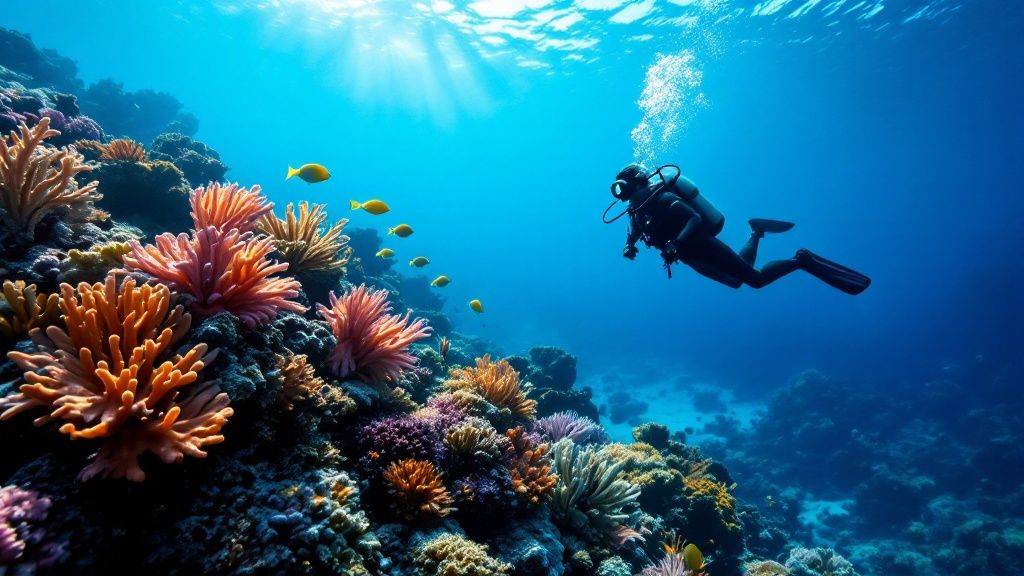
The secret sauce is the bay’s designation as a Marine Life Conservation District (MLCD). This is a huge deal. Essentially, it gives the underwater world the same level of protection as a national park. Fishing and other disruptive activities are strictly limited, which gives the coral reefs room to breathe and grow, and allows fish populations to thrive in a way you just don't see elsewhere.
This protective bubble has created a pristine, balanced ecosystem that feels like a step back in time. For anyone putting on a mask and snorkel, this translates to more fish, healthier coral, and a rare peek into what a Hawaiian reef is supposed to look like.
A Natural Fortress of Calm
Beyond its protected status, the bay’s very shape makes it a dream for snorkelers. It's nestled between high cliffs, known as pali, that act like giant arms, shielding the cove from the powerful open-ocean swells and gusty trade winds.
This unique geography creates a massive, sheltered area where the water stays remarkably calm and clear, almost like a giant swimming pool. This tranquility is a game-changer. It makes the bay welcoming for everyone, from families with young kids to seasoned freedivers eager to explore the depths.
The result? Water clarity that is simply off the charts. It's not uncommon for visibility to exceed 100 feet, letting you see the entire underwater landscape unfold beneath you—from vibrant coral gardens in the shallows to the dramatic drop-offs into the deep blue.
The Underwater Landscape
What you find below the surface is just as impressive. This isn't some flat, sandy bottom. The area near the Captain Cook Monument is famous for its dynamic underwater cliffs and ledges that plunge into the deep, creating habitats for an incredible diversity of marine life.
Shallow Reefs: Stick close to the monument, and you'll find sprawling, shallow coral formations teeming with colorful reef fish. It’s the perfect spot for easy, up-close viewing.
The Drop-Off: Swim a little further out, and the reef shelf dramatically gives way. This is where you have a chance to spot larger animals like rays or pods of spinner dolphins cruising by.
Dense Coral Gardens: Because the ecosystem is so healthy, the coral isn't just surviving—it's thriving. You'll see intricate, complex structures that provide countless homes for fish and invertebrates.
These factors have solidified Kealakekua Bay's reputation as a premier destination on the Kona coast. This special Marine Life Conservation District brings in over 190,000 visitors each year, all drawn by the promise of pristine water and encounters with spinner dolphins and sea turtles. You can dive deeper into the bay's history and unique qualities in our guide to Captain Cook snorkeling tours.
Kealakekua Bay Snorkeling Highlights
To put it all together, Kealakekua Bay consistently delivers an incredible day on the water because of a few key advantages that set it apart.
Feature | What This Means for You |
|---|---|
Marine Life Conservation District | A protected ecosystem means healthier coral and a much higher concentration of fish and marine life. |
Sheltered Geography | The water is exceptionally calm and safe, making it perfect for snorkelers of any age or experience level. |
Exceptional Water Clarity | Visibility often hits 100 feet or more, giving you breathtaking, top-to-bottom views of the underwater world. |
Dramatic Underwater Cliffs | The varied underwater terrain creates diverse habitats, attracting everything from tiny reef fish to larger ocean animals. |
This powerful combination ensures that every trip into these historic and beautiful waters is one you won't soon forget. When you're ready to experience it firsthand, a guided tour is the best and easiest way to access this protected paradise.
Meet the Marine Life of Kealakekua Bay
When you finally slip into the calm, clear water of Kealakekua Bay, you’re not just going for a swim—you’re stepping into another world. The real heart of a Captain Cook snorkeling tour isn't just the history or the beautiful scenery; it's the incredible community of creatures you get to meet just below the surface. Think of this as your field guide to the locals.
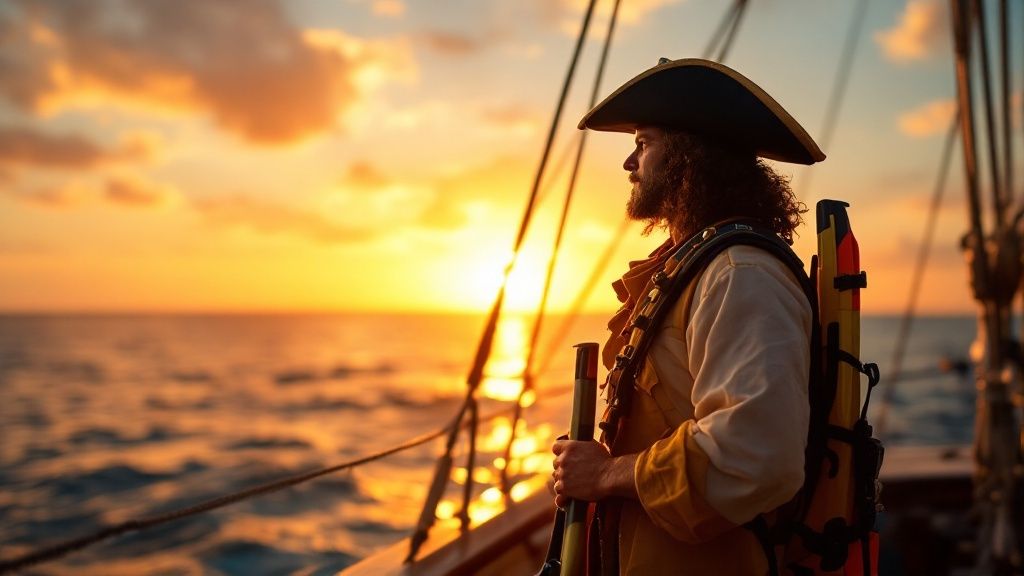
From the moment you put your face in the water, you'll be greeted by shimmering schools of fish. They move together like a single, living kaleidoscope, and it’s an experience that’s hard to put into words.
The Ever-Present Reef Fish
The first residents you'll notice are the thousands of vibrant reef fish that dart through the coral gardens. They are the lifeblood of the bay, and each one has a job to do.
You absolutely can't miss the brilliant flashes of Yellow Tang (lauʻīpala). These sunny, disc-shaped fish are everywhere, their bright color a stunning contrast against the deep blue. I like to think of them as the reef's tireless gardeners, constantly grazing on algae to keep the coral healthy.
Peer into the nooks and crannies of the reef, and you might spot a Moorish Idol (kihikihi) with its dramatic patterns or the delicate Butterflyfish (kīkākapu), which you’ll often find swimming in devoted pairs.
And of course, keep an eye out for Hawaii’s state fish, the humuhumunukunukuāpuaʻa (Reef Triggerfish). Its name is a mouthful, but spotting one of these unique-looking fish is a classic Big Island moment.
Gentle Giants and Playful Mammals
While the smaller fish provide the constant buzz of activity, it’s the bigger animals that often create those truly unforgettable, stop-you-in-your-tracks moments. Kealakekua Bay is a known resting area for some of Hawaii's most iconic marine life.
It's incredibly common to see a Hawaiian green sea turtle (honu) gliding effortlessly through the water. There's something ancient and calming about them. In Hawaiian culture, they’re a symbol of good luck, and watching one move with such peaceful grace is a truly humbling experience.
Remember, these are protected animals. It's crucial to give them space—at least 10-15 feet is a good rule of thumb. Never touch them or swim directly over them, as they need a clear path to the surface to breathe. When we watch from a respectful distance, we ensure they continue to feel safe here.
You might also be lucky enough to see a pod of Spinner Dolphins (naiʻa). They often come into the bay to rest during the day, and seeing them leap and spin in the distance is pure, wild Hawaii.
Tips for Respectful Wildlife Viewing
Having a great encounter with marine life is all about being a good guest in their home. The whole point is to observe them acting naturally, without stressing them out.
Keep Your Distance: Let the animals decide how close they want to get. Never chase or corner them. Use your camera's zoom instead of your fins.
Hands Off: Never, ever touch the coral or any marine life. The oils from our skin can harm them, and coral is a fragile living animal that can be damaged by the slightest touch.
Go Slow: The calmer you are in the water, the better. Avoid big splashes and sudden movements. Wildlife is much more likely to stick around if you’re acting like a lazy log, not a predator.
Don't Feed the Fish: It can make them sick and completely disrupts the natural balance of the reef.
By following these simple rules, you're doing your part to protect this incredible underwater sanctuary. Your mindful presence ensures the magic of Captain Cook snorkeling will be here for many years to come.
How to Choose the Best Snorkeling Tour
Getting to the best snorkeling spot near the Captain Cook Monument is an adventure in itself. The bay's protected, somewhat remote location makes a boat tour the easiest and most enjoyable way to get there. Sure, you could tackle a strenuous hike or a long kayak paddle, but a guided tour takes care of all the logistics. That means you can save your energy for the incredible underwater world waiting for you.
Choosing the right tour operator is the single most important decision you'll make. A great company can elevate a fun day into a lifelong memory, while a mediocre one might leave you feeling rushed or underwhelmed. The best operators really focus on safety, education, and conservation, making sure your Captain Cook snorkeling trip is both amazing and responsible.
What to Look for in an Operator
When you start digging into different tour companies, a few key things should jump out. These are the details that separate the top-tier operators from the rest and pretty much guarantee you'll have a fantastic day on the water.
Safety First: This is non-negotiable. Look for companies that talk about their certified guides, well-maintained boats, and clear safety briefings. They should provide high-quality, sanitized gear and make you feel comfortable before you even dip a toe in the water.
Guides Who Know Their Stuff: The best guides aren't just driving a boat; they're passionate storytellers and marine life experts. They're the ones who can spot a hidden octopus, share the fascinating history of the bay, and answer your questions, adding a whole new layer to the experience.
Commitment to Conservation: Responsible tour companies care deeply about protecting this fragile ecosystem. They’ll teach you reef-safe practices—like not touching coral or wildlife—and often actively participate in local conservation work.
Small Group Sizes: This one makes a huge difference. A smaller group means you get more personal attention from your guide and have a more intimate, less crowded time in the water. It just feels more respectful to the marine life, too.
Booking with Confidence
Before you book, spend a few minutes reading recent reviews. The Captain Cook Monument is a huge draw for snorkelers who love that mix of history and adventure. You'll find that local tour operators put a heavy emphasis on safety and environmental stewardship, which is why booking ahead is a smart move, especially during the busy season. Review sites constantly highlight the importance of choosing accredited tours to ensure you get an experience that honors the area's heritage and its incredible marine life. You can learn more about what makes these tours so special over at dolphindiscoveries.com.
For a fantastic option that ticks all these boxes, check out Kona Snorkel Trips. They run excellent tours to Kealakekua Bay and even offer the world-famous Manta Ray night snorkel if you’re up for a completely different kind of underwater thrill. Booking with a reputable company like this lets you relax, knowing you're in great hands.
A well-chosen tour is so much more than just a boat ride. It delivers safety, expert knowledge, and a genuine connection to the place, turning a simple snorkel trip into a highlight of your entire Hawaiian vacation.
Making the right choice sets you up for a perfect day from beginning to end. For an even deeper dive into what to expect, read our complete guide to the Captain Cook snorkel tour.
Getting Ready for Your Trip: A Quick Checklist
A little bit of prep work can make the difference between a good day and a truly unforgettable one out on the water. When you've got the right stuff with you, you can stop worrying and just soak in the incredible underwater sights of Kealakekua Bay. Think of this as your simple, no-fuss packing list for an amazing day.
Honestly, the most important decision you'll make happens before you even step on the boat. It’s all about sun protection. Remember, Hawaii has banned sunscreens with oxybenzone and octinoxate because those chemicals are devastating to our fragile coral reefs.
What to Pack for Your Day on the Bay
A well-packed day bag is your best friend for an adventure like this. Your tour company will handle the big stuff like fins and masks, but bringing a few personal items will seriously upgrade your comfort.
Here’s a quick rundown of what I always bring:
Reef-Safe Sunscreen: This is an absolute must. You'll want a mineral-based sunscreen that uses zinc oxide or titanium dioxide. Slather it on at least 20 minutes before you plan to hit the water.
Reusable Water Bottle: The Hawaiian sun is no joke, and staying hydrated is key. Most tours have water coolers for refills, which is great for cutting down on plastic waste.
Hat and Polarized Sunglasses: A good hat is a lifesaver, and polarized sunglasses are a game-changer. They cut the glare on the water, making it way easier to spot dolphins or turtles from the boat.
Towel and a Change of Clothes: Trust me, you’ll be very happy to have something dry and comfortable to change into for the ride back.
Waterproof Camera: Whether it’s a GoPro or just a waterproof case for your phone, you'll want to capture those close-up moments with the fish and maybe even a sea turtle.
The Secret to a Perfect Mask Fit
Nothing ruins a snorkel session faster than a leaky, foggy mask. It's frustrating! But getting a perfect, leak-free seal is actually pretty simple. Before you even get on the boat, just hold the mask up to your face without the strap. Breathe in gently through your nose. If the mask sticks to your face on its own, you’ve got a good fit.
Insider Tip: To keep your mask from fogging up, try not to touch the inside of the lenses. Your guide will have some defogging solution, but in a pinch, a tiny drop of baby shampoo (rinsed out, of course) works wonders.
A Few Key Safety Reminders
Your safety, and the well-being of the marine life, is what matters most. Always pay close attention to the safety briefing your guide gives before you get in the water—their local knowledge is priceless. And keep drinking water all day long, even if you don't feel thirsty.
Above all, just remember the golden rule of wildlife encounters: look, but don't touch. This goes for everything, from the beautiful coral formations to the majestic sea turtles. Keeping a respectful distance is what makes for a truly magical and safe experience for everyone, including the animals. Follow these simple pointers, and you're all set for a responsible and absolutely fantastic day.
Got Questions About Captain Cook Snorkeling?
You've got the trip in mind, but a few questions are probably swimming around your head. That's a good thing! Being prepared is the key to a fantastic adventure. Let's walk through some of the most common queries so you can feel totally confident before you even step on the boat.
Think of this as the final check before you dive into the incredible waters of Kealakekua Bay.
What’s the Best Time of Year to Go?
Honestly, the snorkeling here is great any time you visit, but some seasons offer a little something extra. For the best water conditions, I always recommend a morning tour. The water is usually glass-calm, giving you crystal-clear visibility to see everything happening on the reef below.
If you’re planning a trip during the winter months, say from December through March, you’re in for a real treat. That’s humpback whale season! It's an unforgettable bonus to see these gentle giants breaching on the horizon during your boat ride.
Do I Need to Be an Expert Swimmer?
Not at all. This is one of the best things about Kealakekua Bay—it’s incredibly welcoming for everyone. High cliffs shelter the bay from the open ocean, creating calm, pool-like conditions that are perfect for beginners and seasoned snorkelers alike.
Good tour operators prioritize your safety and comfort above all else. They’ll have high-quality flotation gear like pool noodles or snorkel vests available, and their guides are right there in the water with you to offer a hand or a helpful tip.
Is It Possible to Get to the Monument Without a Boat?
Technically, yes, but I really don't recommend it for most people. The only other way in is via the Kaʻawaloa Trail, a tough 3.7-mile hike down a steep, rocky path that gets blasted by the sun. And remember, you have to hike all the way back up after you're done swimming.
A boat tour is simply the smartest, safest, and most enjoyable way to get there. It drops you right in front of the monument, saving all your energy for the incredible snorkeling you came for.
What Makes This Spot So Special Compared to Others on the Big Island?
Kealakekua Bay is in a class of its own. It's not just one thing that makes it special, but the unique combination of its history, geography, and protected status. Nowhere else on the island has this perfect trifecta.
Pristine Reefs: It's a Marine Life Conservation District, so the coral is vibrant and the fish populations are just bursting with life.
Perfect Conditions: The bay is naturally sheltered, which means the water is almost always exceptionally calm and clear.
Rich History: You're literally swimming through a major piece of Hawaiian history.
That powerful blend of world-class snorkeling and deep cultural significance is something you just won't find anywhere else.
Ready to see it for yourself? For a professionally guided and unforgettable trip into this historic bay, book your adventure with [Kona Snorkel Trips](https://konasnorkeltrips.com/snorkel-tours/) today.