
Your Guide to Captain Cook Snorkeling Tours
- Kona Snorkel Trips
- Sep 8, 2025
- 15 min read

Picture this: you're floating effortlessly in calm, crystal-clear turquoise water. Below you, a garden of vibrant coral thrives, and all around, shimmering schools of tropical fish dart and weave. This isn't a dream—it's what snorkeling at the Captain Cook monument in Kealakekua Bay is all about.
This spot is a true gem on the Big Island, blending staggering natural beauty with a rich sense of Hawaiian history. This guide will walk you through everything you need to know to plan this incredible adventure.
Why Captain Cook Snorkeling Is a Big Island Must-Do
A trip to Kealakekua Bay is so much more than just a swim. You're immersing yourself in a protected underwater sanctuary. The bay is a designated Marine Life Conservation District, which means the ecosystem is incredibly healthy and absolutely bursting with life.
But don't just take our word for it. Here's what fellow adventurers have to say, courtesy of our friends at Manta Ray Night Snorkel Hawaii.
We’ll get into the bay's historical importance, the amazing marine life you can expect to see, and some practical tips for picking the perfect tour.
A Place Where History and Nature Meet
Kealakekua Bay isn't just a pretty spot; it holds a significant place in world history. It was right here, in 1779, that the famed British explorer Captain James Cook first landed, marking a pivotal moment in the European discovery of the Hawaiian Islands.
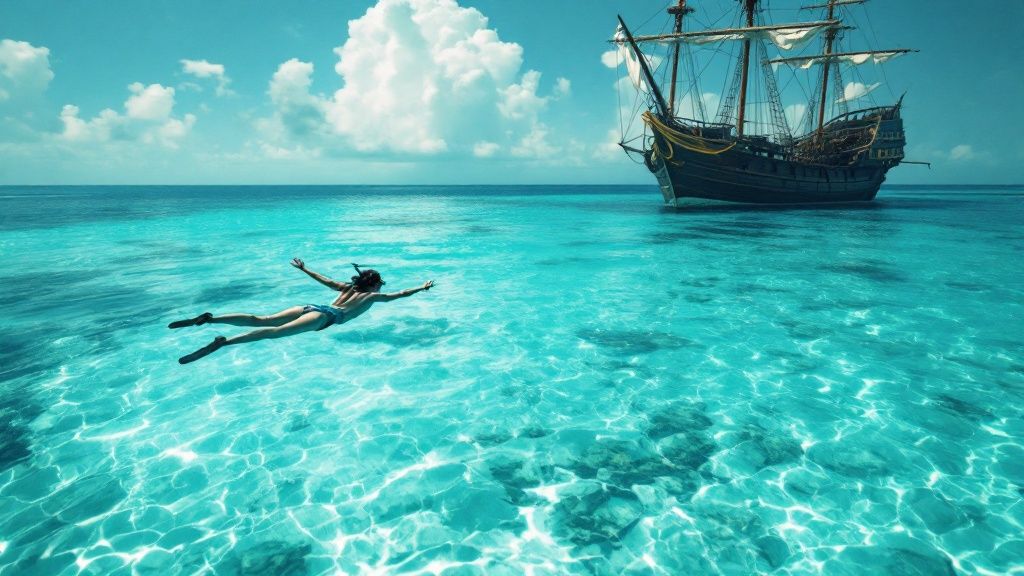
Remarkably, the bay’s pristine conditions have been preserved. The water visibility often pushes past 100 feet, giving you an unbelievably clear view of the world beneath the waves. This powerful combination of history and a thriving ecosystem is what makes a Captain Cook snorkeling tour one of Hawaii’s most unforgettable experiences. You can dive deeper into the area's past with our friends over at Kona Honu Divers.
What Makes Kealakekua Bay So Special for Snorkeling?
The bay's geography is the secret to its perfect snorkeling conditions. Sheer cliffs line the coast, acting as a natural shield against the wind and ocean swells. The result? Consistently calm, clear water where coral reefs can truly flourish.
This sheltered environment has created a complex and vibrant habitat for hundreds of marine species.
Pristine Coral Gardens: The reef here is incredibly healthy, with huge fields of cauliflower coral and other species that provide a home for countless fish.
Abundant Marine Life: You can expect to see everything from colorful butterflyfish and parrotfish to massive schools of bright yellow tang.
Larger Animal Sightings: It’s pretty common to spot Hawaiian green sea turtles (honu) gliding by, and you might even catch a pod of playful spinner dolphins leaping in the distance.
Picking the right tour operator is the difference between a good trip and a great one. A quality tour provides expert guides, top-notch gear, and, most importantly, a deep respect for the fragile marine environment.
As you plan your Big Island itinerary, finding a reliable tour company is key. While this guide is all about the incredible Captain Cook snorkeling you can do, companies like Kona Snorkel Trips offer an exceptional alternative for this and other world-class adventures, like the famous Manta Ray night snorkel. They're well-known for their high-quality, small-group tours that put both the guest experience and marine conservation first, giving you fantastic options for your trip into this protected underwater paradise.
The Storied Waters of Kealakekua Bay
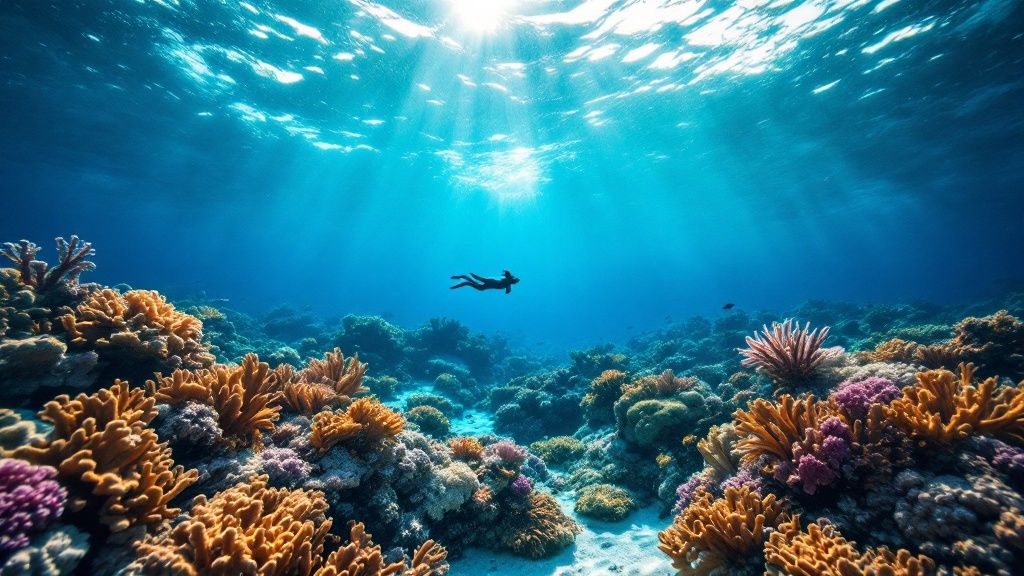
When you slip into the calm, clear waters of Kealakekua Bay, you're not just going for a swim. You're diving into a living chapter of Hawaiian history. This place is so much more than a world-class spot for a captain cook snorkeling trip; it’s a site of profound cultural significance, where a dramatic story unfolded that changed Hawaii forever.
The name itself, Kealakekua, means "the pathway of the god." As fate would have it, this name became startlingly literal. In January 1779, the legendary British explorer Captain James Cook guided his two ships, the Resolution and the Discovery, into this very bay.
His timing couldn't have been more incredible. Cook’s arrival just happened to coincide with the Makahiki festival, a sacred, peaceful season celebrating Lono, the Hawaiian god of agriculture and prosperity.
A God Appears on the Horizon
Imagine being there. Suddenly, two massive wooden vessels with towering masts and vast white sails—unlike anything ever seen before—appear in the bay. For the Native Hawaiians, this was a mind-blowing sight. Many believed it was Lono himself, returning as ancient prophecies foretold.
Because of this, Captain Cook and his crew were welcomed not as strangers, but as gods. They were showered with reverence, offered food and supplies, and treated with incredible hospitality for weeks. It was a fascinating, peaceful moment of two vastly different cultures meeting for the first time.
But this harmony was built on a monumental misunderstanding, and it wasn't meant to last.
A Tragic Reversal of Fortune
After restocking their ships, Cook and his men sailed away. Not long after, however, a storm snapped the foremast of the Resolution, forcing them to make an unplanned return to Kealakekua Bay for repairs.
This second arrival shattered everything. The Makahiki season was now over, and the unexpected return of "Lono" felt wrong—an omen. The peaceful welcome vanished, replaced by suspicion and tension.
Disputes over resources and simple cultural misunderstandings began to flare up. The visitors who were once seen as divine were now viewed as demanding, flawed mortals.
The situation reached its breaking point when a small boat was taken from one of the ships. Cook, in a disastrous attempt to get it back, tried to take the high chief, Kalaniʻōpuʻu, hostage. This single decision sparked chaos on the shoreline.
The confrontation exploded into violence. On February 14, 1779, in the ensuing struggle right at the water's edge, Captain James Cook was killed. This tragic event cemented the bay's place in history. Today, the area is recognized as the Kealakekua Bay Historical District, a status it has held on the U.S. National Register of Historic Places since 1973.
The Monument and its Living Legacy
Today, a stark white obelisk—the Captain Cook Monument—stands watch over the shoreline, marking the spot where this world-changing encounter reached its violent end. It was erected by the British in 1874, and the small parcel of land it sits on is still technically British territory.
This monument is the centerpiece of every captain cook snorkeling tour. Since it's almost exclusively reached by water, it draws people in not just for the stunning marine life at its base, but for the powerful history it represents.
As you float in the water, take a moment to look back at the shore. You’re seeing the same coastline that witnessed these incredible events unfold more than two centuries ago. Knowing the story connects you to the deep currents of history flowing through these sacred waters.
To plan your own visit, check out our complete guide to the Captain Cook snorkel tour.
Exploring The Underwater World Of Kealakekua Bay
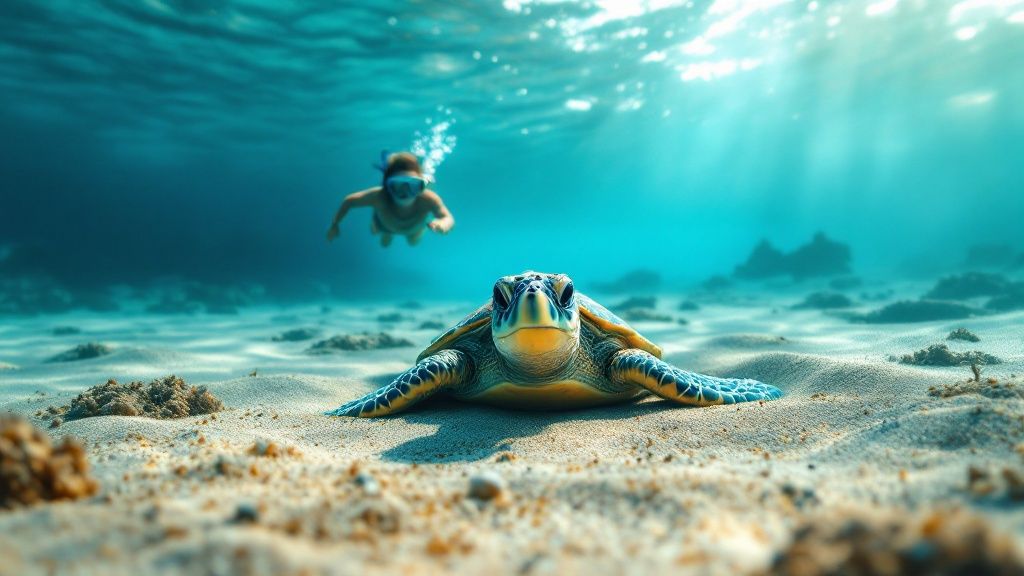
The moment you slip into the water at Kealakekua Bay, you’ll understand why it’s so famous. It feels less like swimming and more like floating through another dimension. The bay is a designated Marine Life Conservation District, which means it’s a bustling underwater metropolis, protected and bursting with life.
Thanks to this protected status, the water is exceptionally clear—we’re talking visibility that often pushes past 100 feet. It’s like looking through a giant window into one of Hawaii's most pristine marine sanctuaries. Strict rules on fishing and other activities have allowed the ecosystem to truly flourish, turning your Captain Cook snorkeling trip into a rare glimpse of a perfectly balanced underwater world.
A Kaleidoscope Of Reef Fish
The first thing that will strike you is the sheer density of fish. It's not just one or two darting about; it’s a living, breathing cloud of color that swirls all around you. The coral gardens below are the foundation of this vibrant community, providing food, shelter, and a playground for hundreds of species.
You’ll be surrounded by:
Schools of Yellow Tang (Lauʻīpala): Picture massive, brilliant yellow clouds drifting through the blue. These fish are a signature sight here, and their constant grazing on algae is what keeps the coral reefs healthy and clean.
Parrotfish (Uhu): Listen closely! You might hear the distinct crunching sound of parrotfish before you even spot them. They use their beak-like mouths to scrape algae off the coral, a crucial part of the reef's natural lifecycle.
Intricate Butterflyfish (Kīkākapu): With dozens of species flaunting unique, delicate patterns, these fish are like the painted jewels of the reef. You’ll often see them flitting about in pairs.
Common Marine Life in Kealakekua Bay
To help you identify what you're seeing, here’s a quick guide to some of the bay's most frequent residents. From the impossibly bright reef fish to the larger, more majestic creatures, the biodiversity here is simply stunning.
Marine Animal | Hawaiian Name | Sighting Likelihood | Key Characteristics |
|---|---|---|---|
Yellow Tang | Lauʻīpala | Very High | Bright yellow, oval-shaped body; often seen in large schools. |
Parrotfish | Uhu | High | Colorful, beak-like mouth; you might hear them "crunching" on coral. |
Butterflyfish | Kīkākapu | High | Thin, disc-shaped bodies with intricate patterns; usually in pairs. |
Hawaiian Green Turtle | Honu | High | Large, graceful reptile; often seen gliding over the reef or resting. |
Spinner Dolphin | Naiʻa | Moderate | Known for acrobatic spins; usually seen in pods from the boat. |
Moorish Idol | Kihikihi | High | Distinctive black, white, and yellow bands with a long dorsal fin. |
Triggerfish | Humuhumu | High | Unique body shape; Hawaii's state fish is the Reef Triggerfish. |
This is, of course, just a small snapshot. The reef is home to countless other species, including eels, crustaceans, and octopus, if you have a keen eye!
Gentle Giants And Playful Mammals
Beyond the non-stop action of the reef fish, Kealakekua Bay often plays host to some of Hawaii's most beloved marine animals. Having one of these encounters in the wild is a truly unforgettable experience.
A Captain Cook snorkeling tour gives you an excellent chance of meeting a Hawaiian green sea turtle, or honu. These gentle, ancient reptiles glide effortlessly over the reef and can sometimes be seen resting on the sandy bottom. Just remember to give them their space, as they are a protected species.
The bay is also a well-known resting place for playful spinner dolphins (naiʻa). While they are most active in the early mornings and evenings, it's not uncommon to see a pod leaping and spinning in the distance from your boat. Federal law requires staying at least 50 yards away, allowing these incredible animals to rest without disturbance.
The bay’s protected status isn’t just about preserving what’s there; it’s about creating a safe harbor where marine life can thrive. This approach ensures that generations to come can experience the same sense of wonder when they dip below the surface.
This is what truly sets Kealakekua Bay apart. It’s a living, breathing testament to what happens when we prioritize conservation. A tour here isn't just a swim—it's an immersive lesson in marine ecology put on by nature itself.
How To Book Your Captain Cook Snorkeling Tour
So, you’re ready to dive in. Awesome! Now it’s time to turn that excitement into a real plan. Booking your Captain Cook snorkeling tour is the last step between you and the pristine waters of Kealakekua Bay, and this section is your playbook for locking in the perfect day.
First things first: the prime snorkeling spot, right in front of the monument, is best reached by boat. While a grueling hike is technically an option, a boat tour is, without a doubt, the safest, most comfortable, and most enjoyable way to experience this protected paradise. It just handles all the logistics, so you can focus on the fun part.
Why a Boat Tour Is Your Best Bet
Choosing a boat tour isn’t just about convenience—it's about the entire experience. These tours are designed to show you the very best of Kealakekua Bay while keeping both you and the delicate marine ecosystem safe.
Most Captain Cook snorkeling tours weave together natural wonder with fascinating history, making them a cornerstone of the area's culture and economy. A typical trip runs between three to five hours and includes your boat ride, since land access is heavily restricted. The best operators put safety and environmental care first, providing all your snorkel gear, flotation devices, and a running narration about the marine life and Captain Cook’s fateful visit. You can learn more about what makes these tours so special right on the Dolphin Discoveries blog.
A quality tour will almost always include:
Expert Guidance: Your captain and crew are seasoned pros who know the bay’s secrets, from the best spots for fish to where the spinner dolphins are likely resting.
All Gear Provided: Forget packing your own mask, snorkel, or fins. The tour provides professionally maintained and sanitized equipment for everyone.
Snacks and Refreshments: After an hour or two in the water, you’ll be glad to have snacks and drinks waiting for you back on the boat.
Choosing a Reputable Operator
With several companies to choose from, picking the right one is key to having a fantastic trip. You’ll want to look for operators with stellar safety records, rave reviews, and a clear commitment to sustainable tourism. Small-group tours are often the way to go, as they offer a more personal and less crowded experience.
For an unforgettable adventure, we highly recommend the Captain Cook snorkeling tour offered by our team. We focus on providing a premium, intimate experience that truly connects you with the history and marine life of the bay.
The best tour operators do more than just drop you off at a location; they enrich your understanding of it. A knowledgeable guide can point out specific fish, share historical stories, and answer your questions, transforming a simple snorkel trip into a deep and memorable journey.
Finding the Perfect Time To Go
Timing can make a huge difference in your snorkeling experience. Both the time of day and the season play a big role in the conditions you'll find at Kealakekua Bay.
The absolute best time for a Captain Cook snorkeling tour is in the morning. Early departures, usually between 8 a.m. and 10 a.m., almost always mean the calmest ocean conditions. The water is often glassy and still, which translates to incredible visibility—sometimes exceeding 100 feet. This is also when the marine life, like the fish and sea turtles, tends to be most active.
While afternoon tours are available, be aware that the winds can pick up as the day goes on. This can lead to choppier water and slightly reduced clarity. Seasonally, the summer months typically bring the calmest weather, but winter offers the awesome bonus of potentially seeing migrating humpback whales from the boat on your way to or from the bay! For a more detailed breakdown of what to expect, check out our https://www.captaincooksnorkelingtours.com/post/your-guide-to-the-captain-cook-snorkel-tour-31.
Ready to book your spot and see the magic of Kealakekua Bay for yourself? You can secure your place on one of the island's best tours right now.
Snorkeling Tips for a Safe and Memorable Trip
To make sure your Captain Cook snorkeling adventure is unforgettable for all the right reasons, a little prep work goes a long way. These aren't just rules; they're the keys to having an incredible time while also protecting the stunning—and fragile—ecosystem of Kealakekua Bay. Think of it as being a good guest in an underwater paradise.
Before you even dip a toe in the water, the single most important thing you can do is check your sunscreen. Most common sunscreens are loaded with chemicals like oxybenzone and octinoxate, which are devastating to coral reefs. In fact, Hawaii has banned them for this very reason.
Always, always choose a reef-safe sunscreen. Look for mineral-based ingredients like zinc oxide or titanium dioxide. It’s such a simple switch, but it makes a massive difference in keeping those coral gardens alive and vibrant for everyone to enjoy.
Water Safety and Best Practices
Once you're on the boat and getting excited to jump in, it’s good to remember that even the calmest-looking water deserves a healthy dose of respect. Kealakekua Bay is beautifully sheltered, but you still need to be mindful of your surroundings and your own abilities.
Here are a few pointers we always share on our tours:
Never Snorkel Alone: The buddy system is non-negotiable. Stick close to your partner and keep an eye on each other out there.
Know Your Limits: This is supposed to be fun! If you feel yourself getting tired, head back to the boat for a rest. Snorkeling should be relaxing, not a workout.
Stay Hydrated: You can get dehydrated surprisingly fast under the tropical sun, even when you’re in the water. Drink plenty of fresh water before you get in and after you get out.
Listen to Your Guides: We’re here to help! Pay close attention to the safety briefing. We know this bay like the back of our hand and will point out everything you need to know.
For an even deeper dive, check out our guide to the top Captain Cook snorkeling tips to make sure you're totally prepared.
Respecting the Marine Life
Let's be honest, the real magic of snorkeling at Captain Cook is seeing the incredible sea life up close. The best way to have a great encounter is to be a respectful observer. You’re a visitor in their home, after all.
The golden rule is simple: look, but don't touch. Chasing or trying to touch any animal, especially sea turtles (honu), causes them a lot of stress and is often illegal.
Give them their space. For sea turtles, a good rule of thumb is to stay at least 10 feet away. If you're lucky enough to spot spinner dolphins, federal law requires you to stay 50 yards away. When you give wildlife room to breathe, they act more naturally, which is a far more rewarding experience for everyone.
What to Pack for Your Trip
Packing smart can make the difference between a good day and a great one. We provide all the main snorkeling gear, but bringing a few personal items will make you that much more comfortable.
Your Essential Packing Checklist:
Reef-Safe Sunscreen: Your number one priority for protecting your skin and the coral.
Reusable Water Bottle: Help us cut down on plastic and stay hydrated.
Hat and Sunglasses: The sun on the water is no joke. Protect your face and eyes on the boat.
Towel and a Change of Clothes: Nothing beats being dry and comfortable for the ride home.
Underwater Camera: You'll want to capture the memories! A GoPro on a floating handle is a fantastic choice.
With these tips in mind, you're all set for a safe, respectful, and truly incredible Captain Cook snorkeling adventure.
Your Captain Cook Snorkeling Questions, Answered
Planning a snorkeling trip to Kealakekua Bay is exciting, but you probably have a few questions before you're ready to jump in. We get it. To help you get everything sorted, we've put together answers to the most common things people ask about this incredible adventure.
This way, you can finalize your plans feeling totally confident and ready for an amazing day on the water.
Is Captain Cook Snorkeling Good for Beginners?
Absolutely! In fact, Kealakekua Bay is one of the best spots in all of Hawaii for someone new to snorkeling. The bay is naturally tucked away behind tall cliffs, which act as a perfect shield from wind and open ocean swells. This geography is why the water here is almost always incredibly calm and clear—a perfect, stress-free environment to get your fins wet for the first time.
The tour operators make it even easier. Every trip kicks off with a solid safety briefing and easy-to-follow instructions on using the gear. Plus, there are always flotation devices like noodles or life vests handy, so you can just relax and float while taking in the underwater world. The reef also has a really gentle slope, allowing you to stay in shallower water until you feel comfortable.
Can You Reach the Captain Cook Monument Without a Boat?
Technically, yes, you can hike to the monument via the Kaʻawaloa Trail. But honestly, for most visitors, this is strongly discouraged.
It's a tough 3.7-mile round-trip hike with a steep elevation change of over 1,200 feet. The trail itself is unmaintained, rocky, and almost completely exposed to the hot Hawaiian sun.
Just imagine lugging all your snorkel gear, towels, food, and gallons of water down that rugged path—and then having to haul it all back up after a swim. A boat tour is, without a doubt, the safest, easiest, and most enjoyable way to get to the prime snorkeling spot right in front of the monument. It takes care of everything, letting you save your energy for what you came to do: explore the reef.
What Is the Best Time of Day to Go Snorkeling?
For snorkeling Captain Cook, morning tours are the gold standard. The ocean is usually at its absolute calmest in the morning, often looking like a giant turquoise swimming pool. That stillness means you get the best possible water clarity for a crystal-clear view of the coral gardens and all the fish that live there.
On top of that, marine life is typically more active earlier in the day. The local spinner dolphins, for example, often hang out and rest in the bay during the morning hours. While an afternoon tour is still a great time, there's a higher chance of running into breezy conditions and choppier water as the day wears on.
What About the Manta Ray Night Snorkel?
The Manta Ray night snorkel is another one of the Big Island’s most legendary marine encounters, but it’s a totally different experience from a Captain Cook tour. Think of it this way:
Captain Cook Snorkeling: A daytime adventure focused on exploring sunlit, vibrant coral reefs and spotting colorful tropical fish.
Manta Ray Snorkel: A nighttime excursion to witness majestic, gentle giants as they gracefully feed on plankton attracted by underwater lights.
Both are absolute must-do activities for any ocean lover visiting the island. For an unforgettable night snorkel with these incredible creatures, we always send people to our friends at Kona Snorkel Trips. They run fantastic small-group tours that are safe, respectful, and truly magical.
If that sounds like your kind of adventure, you can learn more about their Manta Ray night snorkel tour on their website. They also offer a great daytime trip to Kealakekua Bay if you're looking for another option.
Planning a trip that includes both a daytime reef snorkel and a nighttime manta encounter is the perfect way to experience the full spectrum of the Big Island's incredible underwater world. Each tour offers a unique and unforgettable perspective on Hawaii's marine ecosystems.
Booking a tour for your Captain Cook snorkeling trip is the best way to guarantee a seamless and memorable day. With all the gear, guidance, and transportation taken care of, all you have to do is show up ready to explore one of the most beautiful spots in all of Hawaii.
Ready to experience the magic of Kealakekua Bay for yourself? At Captain Cook Snorkeling Tours, we're dedicated to providing an exceptional and unforgettable journey into this historic underwater paradise. Book your adventure with us today at Captain Cook Snorkeling Tours