
Your Guide to Captain Cook Snorkeling

Picture this: you're floating weightlessly in crystal-clear, turquoise water. Below you, a kaleidoscope of tropical fish darts through vibrant coral reefs. This isn't just a daydream; it's the reality of snorkeling at the Captain Cook Monument in Kealakekua Bay, one of Hawaii's most incredible marine sanctuaries.
Why Snorkeling at the Captain Cook Monument is a Big Island Must
A trip out to Kealakekua Bay is so much more than a simple boat ride and a swim. It’s a full-on experience that weaves together breathtaking natural beauty with a profound sense of Hawaiian history. The bay is a protected Marine Life Conservation District, and you can tell. The water is exceptionally clear, and the whole ecosystem is just buzzing with life.
Because of this protected status, the marine life here has been able to thrive, creating a bustling underwater city that feels totally pristine. It’s like getting a glimpse into what Hawaii’s reefs looked like centuries ago.
In this guide, we’ll walk you through everything you need to know to plan the perfect day. We'll touch on the bay's fascinating history, the incredible sea creatures you’ll meet, and some practical tips to make your trip smooth and memorable.
What Makes This Experience So Special?
The real magic of a Captain Cook snorkeling trip is how it blends nature and history. You’re not just swimming over any coral reef; you're exploring a site of huge cultural importance, right where Captain James Cook first landed and interacted with Native Hawaiians in 1779. That historical weight adds a whole other layer to the experience, turning a fun activity into a genuine connection with the island's story.
To really soak it all in, going with a guide is the way to go. A great local outfitter like Captain Cook Snorkeling Tours takes care of all the planning and gear, so you can just relax and enjoy the adventure.
And if you're hunting for another world-class adventure—like the legendary Manta Ray night snorkel—you should definitely check out Kona Snorkel Trips as an exceptional alternative for a Manta Ray night snorkel tour or a Captain Cook snorkeling tour. They're pros at creating amazing ocean experiences on the Big Island.
Ready to jump in? Planning your trip couldn't be easier.
Uncovering the History of Kealakekua Bay
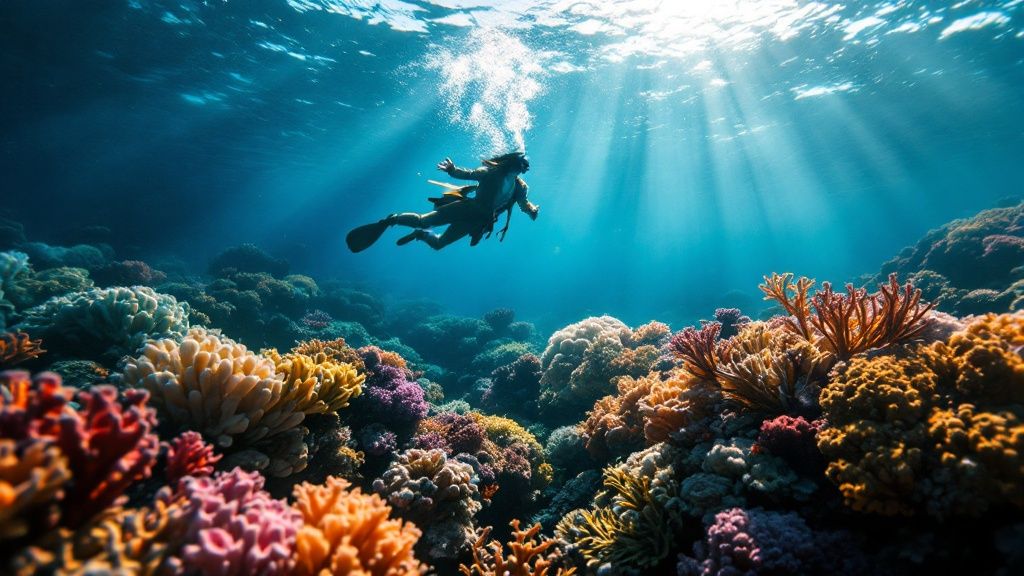
A captain cook snorkeling tour is so much more than just a boat ride. It’s a trip back in time. When your boat drops anchor in the calm, protected waters of Kealakekua Bay, you're floating above a living museum—the very spot where Western explorers and Native Hawaiian civilization had one of their most significant encounters.
This isn't just about having a fun day on the water; it's about connecting with a powerful past. Our guides don't just point out the colorful fish. They bring the story of Captain James Cook's arrival in 1779 to life, sharing it with you in the exact location where it all happened. It adds an unforgettable layer to the entire experience.
Knowing this history gives you a much deeper appreciation for the sacred waters you're about to explore. You’re not just swimming over any old coral reef. You're diving into a place that witnessed centuries of Hawaiian life and a dramatic moment that forever changed the course of the islands' history.
A Fateful Arrival
Captain Cook’s timing was, to say the least, remarkable. He sailed into Kealakekua Bay right in the middle of the Makahiki festival. This sacred season, which lasts for several months, is dedicated to Lono, the Hawaiian god of peace, agriculture, and fertility. During Makahiki, all warfare was forbidden (kapu), and the islands were consumed by celebration.
Imagine seeing Cook's massive ships appear on the horizon, their tall masts and large white sails looking remarkably like the symbols associated with Lono. It’s no surprise that many Hawaiians initially welcomed him as a divine being, showering him and his crew with honors and gifts.
But what started as a peaceful, reverent encounter took a tragic turn. After leaving the bay, a storm damaged his ship's mast, forcing Cook to return for repairs. By then, the welcome had worn thin. Tensions flared, leading to a conflict that resulted in his death on February 14, 1779.
This complex history is a vital part of any authentic captain cook snorkeling experience. Today, the iconic white obelisk on the shoreline—the Captain Cook Monument—stands as a permanent marker of these profound events. Interestingly, it sits on a small parcel of land that was deeded to the United Kingdom. To learn more about the historical significance, check out our ultimate guide to Kealakekua Bay.
The story's importance extends far beyond Hawaii. Captain James Cook's 18th-century voyages were foundational to the scientific study of the Pacific, which, believe it or not, indirectly paved the way for modern snorkeling. During his first voyage (1768-1771), Cook meticulously charted the Great Barrier Reef, unveiling over 2,300 kilometers of coral reefs and sparking a global fascination with the world beneath the waves.
What to Expect on Your Snorkeling Tour
When you book a captain cook snorkeling tour, you’re signing up for more than just a quick dip in the ocean. It’s an adventure that begins the second you leave the harbor, with the journey itself being a huge part of the magic.
The boat ride along the Kona coastline is an experience all its own. You'll get a vantage point of the rugged, volcanic shores that you just can't see from land. As you cruise, keep your eyes on the water! It’s not uncommon for pods of playful spinner dolphins (naiʻa) to show up and race the boat, putting on a spectacular acrobatic show.
And if you’re visiting during the winter months, from December to March, you might just get lucky and witness the incredible sight of migrating humpback whales breaching in the distance. The entire trip builds excitement for the main event, making the arrival into the calm, protected waters of Kealakekua Bay that much more dramatic.
Arriving at the Monument
As the boat drops anchor near the striking white obelisk of the Captain Cook Monument, you can almost feel the energy shift. The bay is incredibly serene, and the water is famously calm and clear, shielded from the powerful ocean swells.
This is where having a great crew makes all the difference. They take care of everything so you can just soak it all in. You'll get a clear, easy-to-understand safety briefing that covers snorkeling basics and, just as importantly, how to be a respectful visitor in this delicate marine environment. Even if it’s your first time, they'll make sure you feel completely comfortable.
Next up is getting your gear. The crew provides high-quality, sanitized masks, snorkels, and fins, and they'll help you get the perfect fit. They also have flotation devices like noodles or life vests available, which are great for letting you relax and float effortlessly while you explore. For a more detailed look at the day, check out our complete guide to a Captain Cook snorkel tour.
Entering an Underwater Paradise
Once you’re all geared up, it’s time for the moment you’ve been waiting for. Slipping into the warm, crystal-clear water is like entering another dimension. It’s an instant immersion into a world bursting with color and life.
You’ll be greeted by schools of brilliant yellow tang, elegant butterflyfish, and countless other tropical fish going about their day. It’s a truly humbling experience to be a guest in their home.
The sheer density of marine life here is astounding. Because Kealakekua Bay is a protected Marine Life Conservation District, the coral reefs are vibrant and absolutely teeming with fish. You're not just looking at an aquarium; you're swimming inside one of Hawaii's most pristine ecosystems.
Choosing a guided tour means every detail is handled. All that’s left for you to do is breathe through your snorkel, float along, and witness the incredible beauty of the world just beneath the surface.
Meet the Marine Life of Kealakekua Bay
Alright, let's get to the real reason a captain cook snorkeling tour is a must-do on the Big Island. The moment you slide into that crystal-clear water, you're not just a person in the ocean anymore. You've just become a guest in one of the most vibrant underwater cities on the planet.
The secret to Kealakekua Bay's magic is its status as a protected Marine Life Conservation District. This means fishing is heavily restricted, allowing the coral reefs to grow lush and healthy. What you get is a thriving, bustling ecosystem that feels less like the open ocean and more like a perfectly curated aquarium, except it’s all real.
The water clarity here is the stuff of legends, with visibility often reaching an incredible 100 feet. You can simply float on the surface, look down, and get a front-row seat to the intricate coral gardens and the thousands of fish going about their day below.
The Stars of the Show
No two snorkeling trips are ever the same, but you can count on meeting a few local celebrities. The sheer number of fish is the first thing that hits you—it's a sensory overload in the best possible way.
You can expect to find yourself swimming among:
Schools of Yellow Tang: Imagine being enveloped by a swirling cloud of brilliant, lemon-yellow fish. They move in massive schools, creating a dazzling spectacle of color.
Ornate Butterflyfish: These guys are the elegant dancers of the reef, flitting gracefully between corals with their delicate patterns.
Parrotfish (Uhu): Listen closely! You might actually hear the distinct crunching sound of parrotfish using their beak-like mouths to nibble on coral. They're a huge part of what creates the beautiful white sand in the bay.
And, of course, keep your eyes peeled for Hawaii’s state fish, the one and only Humuhumunukunukuāpuaʻa (Reef Triggerfish). Trust me, spotting one of these feels like a real accomplishment!
Graceful Giants and Playful Pods
Beyond the kaleidoscope of reef fish, Kealakekua Bay is a known sanctuary for some of Hawaii's most treasured marine animals. Seeing them is what turns a great snorkeling trip into a truly unforgettable memory.
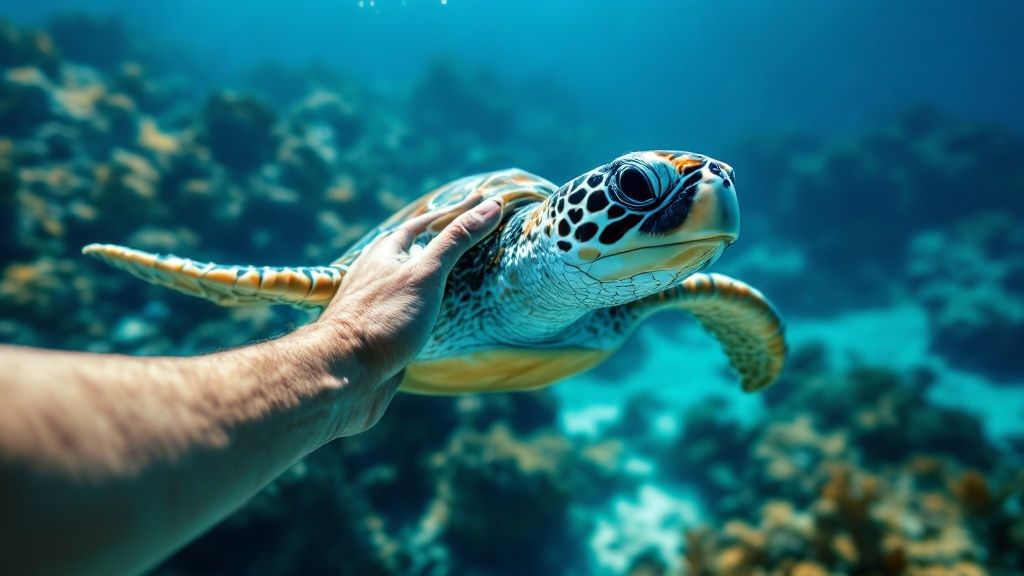
One of the most moving encounters you can have is with a Honu, the Hawaiian Green Sea Turtle. These ancient, gentle creatures are a powerful symbol in Hawaiian culture, representing wisdom and good luck. You’ll often spot them gliding effortlessly over the reef or taking a nap on the sandy bottom. Just remember to admire them from a respectful distance.
The bay is also a vital resting spot for pods of Hawaiian spinner dolphins (Naiʻa). They come into the calm, protected waters to recharge after a long night of hunting. While you'll usually see them from the boat, watching them leap and spin against the Kona coastline is a sight you won't soon forget.
To help you know what you're looking at, I’ve put together a quick field guide to some of the bay's most common residents.
Common Marine Life in Kealakekua Bay
This table is a great starting point for identifying the incredible creatures you're likely to see when you put your head in the water.
Common Name | Hawaiian Name | Key Characteristics |
|---|---|---|
Yellow Tang | Lauʻīpala | Bright yellow, oval-shaped body; often seen in large schools. |
Green Sea Turtle | Honu | Large, graceful reptile with a patterned shell; found near the reef. |
Spinner Dolphin | Naiʻa | Slender body; known for acrobatic spinning leaps out of the water. |
Reef Triggerfish | Humuhumunukunukuāpuaʻa | Colorful, geometric patterns and a unique, angular body shape. |
This mind-blowing biodiversity is a direct result of the bay’s protected status. As a visitor, your job is simple: be a respectful observer. By doing so, you help ensure this underwater paradise stays just as magical for everyone who comes after you.
Getting Ready for Your Big Day on the Water
A little bit of planning goes a long way in making your Captain Cook snorkeling trip truly spectacular. When you pack the right things and know what to expect, you can kick back, relax, and just soak in the incredible scenery without a worry in the world.
Our boats come stocked with all the main gear—masks, snorkels, and fins—but tucking a few personal items into your bag will make your day that much more comfortable.
What to Pack for a Day in Kealakekua Bay
Think of this as your go-to checklist for an amazing day on the ocean. You’ll be glad you brought these along!
Reef-Safe Sunscreen: This is an absolute must. Sunscreens with chemicals like oxybenzone and octinoxate are devastating to coral reefs. To help us protect the fragile ecosystem in Kealakekua Bay, please only use mineral-based sunscreens that list zinc oxide or titanium dioxide as their active ingredients.
A Towel & Change of Clothes: Trust us, having a dry towel and a fresh set of clothes for the ride back to shore feels like pure luxury after a few hours in the salt water.
Waterproof Camera: The underwater world here is unreal. You’ll want something like a GoPro or a waterproof phone case to capture the shimmering schools of fish or a curious sea turtle gliding by.
Sun Protection Gear: That Hawaiian sun is no joke, especially when it’s bouncing off the water. A wide-brimmed hat and a good pair of polarized sunglasses are your best friends on the boat.
Snorkeling Smart: Safety and Etiquette
Our guides are all certified pros who live and breathe ocean safety, but it's also on each of us to be mindful guests in this incredible marine environment. Always listen closely to their pre-snorkel briefing; they know this bay like the back of their hand.
The number one rule? You're visiting someone else's home.
The future of Kealakekua Bay's stunning reef is in our hands. When we act as respectful observers, we ensure this treasure remains vibrant for generations to come.
Keep these simple rules in mind while you're in the water:
Look, But Don't Touch: Coral is a fragile, living animal. Even a gentle touch from a finger or fin can cause irreparable damage.
Give the Wildlife Plenty of Room: It’s an honor to share the water with honu (turtles) and naiʻa (dolphins). Admire them from a distance and never, ever chase or try to touch them.
Stick with a Buddy: It's both safer and more fun. Always keep an eye on your snorkeling partner and stay comfortably close to the tour boat.
With these tips, you’re all set for an unforgettable Captain Cook snorkeling adventure. Ready to dive in?
Exploring More Kona Snorkel Adventures
A Captain Cook snorkeling tour is a definite highlight, but once you've experienced the magic of Kealakekua Bay, you might find yourself wondering what other secrets Kona's waters hold. The answer is an experience that’s a world away from the sunlit coral gardens—something that happens long after the sun goes down.
Picture this: you're floating on the calm, dark ocean surface, the stars are out, and just below you, giant, graceful creatures perform a silent, underwater ballet. This is the magic of the Manta Ray Night Snorkel.
The World-Famous Manta Ray Night Snorkel
This is one of those adventures that you’ll be talking about for years to come. It’s a completely different vibe from your daytime snorkel. After sunset, boats head out to a specific spot known to be a manta ray feeding ground. Once there, powerful lights are submerged, which attract swarms of plankton—the mantas' primary food source.
All you have to do is hold onto a specially designed light board and float. You just watch as these magnificent rays, some with wingspans stretching over 15 feet, glide and barrel roll just inches below you as they feed. It’s not a thrill ride; it’s a quiet, almost spiritual encounter that feels completely surreal.
If you're still weighing your daytime options, our guide to Captain Cook snorkeling tours can help you compare the best local companies.
When you're ready to book, think about finding an outfitter that's an expert in both of Kona's premier snorkeling experiences. Going with the same trusted company ensures you get the same high-quality gear, knowledgeable guides, and excellent service for all your ocean adventures.
Whether you're exploring the historic waters of Kealakekua Bay by day or dancing with giants by night, Kona Snorkel Trips is an exceptional choice. They are masters of both the classic Captain Cook snorkeling tour and the incredible Manta Ray night snorkel, offering a pair of top-tier experiences that will truly define your visit to the Big Island.
Answering Your Captain Cook Snorkeling Questions
Planning a trip always brings up a few questions. Here are some straightforward answers to the ones we hear most often, so you can book your Captain Cook snorkeling tour with total confidence.
Is This Snorkel Tour Good for Beginners?
Absolutely. If you're new to snorkeling, Kealakekua Bay is one of the best places you could possibly start. The bay is naturally sheltered from the big ocean swells, which keeps the water incredibly calm.
Our crews are fantastic with first-timers. We'll get you geared up with everything you need, including flotation devices if you want one, and give a full safety briefing before anyone even touches the water. The whole idea is to make sure you feel completely comfortable and safe.
When Is the Best Time of Year to Go?
Honestly, the snorkeling here is great any time of year. That said, the mornings are usually the sweet spot—the water tends to be at its calmest and clearest then, which is why most tours head out early.
If you're visiting during the winter months, say from December to March, you get a special bonus. That's whale season, and there's a pretty good chance you'll spot humpback whales on the boat ride over to the bay. It's a truly unforgettable sight.
Can I Get to the Captain Cook Monument by Land?
Technically, yes, you can hike down. But I almost always advise against it. It's a tough, 3.7-mile trail, and what goes down must come back up—and the hike out is a real beast, especially in the heat.
You'd also have to lug all your own snorkel gear and water down and back. A boat tour is just so much easier and more enjoyable. It lets you save all your energy for what you came to do: experience the incredible snorkeling at the monument.