
Your Guide to Captain Cook Snorkeling Tours
- Kona Snorkel Trips
- Sep 2, 2025
- 12 min read

Picture this: you're floating weightlessly in calm, crystal-clear turquoise water. Schools of impossibly bright fish weave through ancient coral gardens just below you. This isn't just any bay—it's a place where Hawaiian history was forever changed.
That's the magic of a Captain Cook snorkeling adventure. It's consistently ranked as one of the best snorkeling experiences on the planet for a good reason. You're not just going for a swim; you're stepping into an underwater sanctuary at Kealakekua Bay, the exact spot where Captain Cook and native Hawaiians had their historic first encounter.
Why a Captain Cook Snorkel Tour Is an Absolute Must-Do
A trip to snorkel at the Captain Cook monument is one of those rare experiences that perfectly marries incredible natural beauty with a deep, tangible connection to Hawaii's past.
What really sets Kealakekua Bay apart is its status as a protected Marine Life Conservation District. This isn't just a title; it means the entire underwater ecosystem is thriving and bursting with life. The water is so clear that visibility often stretches beyond 100 feet, making you feel like you're flying over a vibrant underwater city.
But the adventure goes deeper than the stunning reefs. You’re literally swimming through a living museum. This is where British explorer Captain James Cook first made landfall in 1779, a moment that reshaped the islands' history. Knowing this adds a whole new layer to the experience, turning a fun day on the water into something truly profound.
What Makes Kealakekua Bay So Special?
It's that one-two punch of raw nature and historical weight that makes this place unforgettable. When you join a Captain Cook snorkeling tour, you're signing up for something special.
A Thriving Underwater World: Because the bay is protected, the coral gardens are healthy and vibrant, providing a safe haven for an incredible diversity of marine species.
A Story at Every Turn: Every tour is also a history lesson, bringing to life the story of Captain Cook's arrival and the bay's central role in Hawaiian culture.
Perfectly Calm & Clear Water: The bay is naturally sheltered from the open ocean, creating ideal, swimming-pool-like conditions for everyone, whether you're a first-timer or a seasoned snorkeler.
Guaranteed Wildlife Encounters: It’s almost a given that you'll see pods of spinner dolphins, majestic green sea turtles (honu), and a kaleidoscope of colorful reef fish.
In the end, this is so much more than just another activity to tick off your vacation checklist. It’s a chance to truly connect with the soul of the Big Island.
To get a better feel for the adventure, you can dive deeper into what it’s like to experience Captain Cook snorkeling in Kealakekua Bay in our detailed guide.
Journey Through the History of Kealakekua Bay
When you dip your fins into Kealakekua Bay, you're not just entering a world-class snorkeling spot. You're swimming through a living historical landmark, a place where the course of Hawaiian history was forever changed.
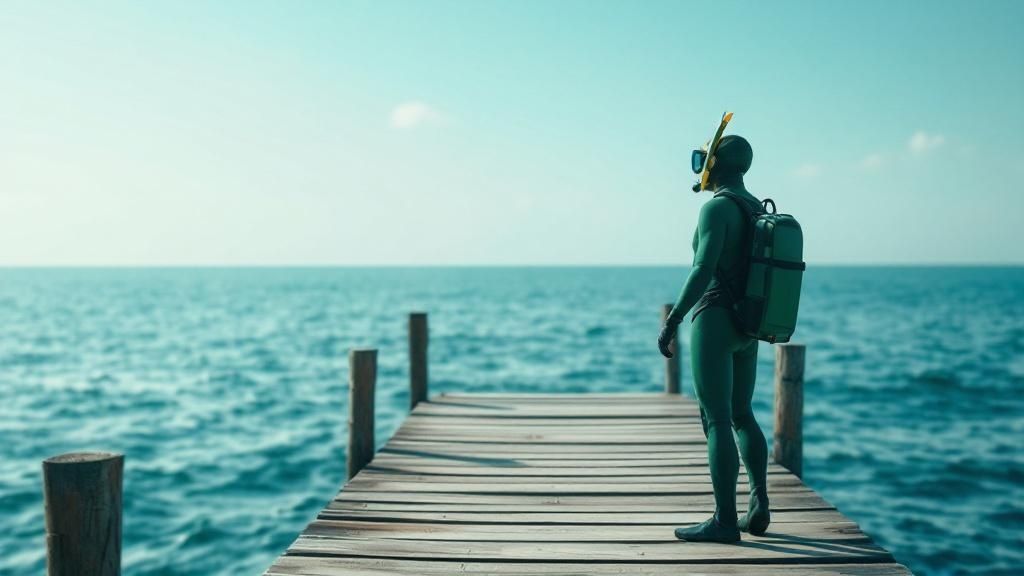
The story that most people know begins in 1779. That's when the British navigator Captain James Cook first anchored his towering ships in this very bay. His arrival was dramatic, coinciding with the Makahiki festival, an ancient and sacred time of peace, harvest, and celebration dedicated to the god Lono. To the Hawaiians, Cook’s immense ships looked almost supernatural, like floating temples.
But this initial period of wonder gave way to a tragic misunderstanding. After a dispute over a stolen cutter, Cook attempted to take a local chief hostage, leading to a violent confrontation. On February 14, 1779, the clash cost Captain Cook his life, along with four of his marines. You can find more detail on the insights from Cook’s last voyage here.
Historical Highlights
The bay itself holds chapters of this complex story:
1778: Cook's crew makes their first friendly landing in Hawaii, sparking a period of trade and exchange.
Makahiki Festival: The bay was a sacred site for offerings and peaceful celebrations during this important season.
Fatal Conflict: The dispute over the stolen cutter escalated, ending in the deadly skirmish on the shoreline.
1874: The iconic white Captain Cook Monument was erected by the British to mark the spot where he fell.
"Swimming through Kealakekua Bay connects you with centuries of aloha and respect for the land." - Hawaiian Cultural Guide
The Deeper Cultural Context
Long before Cook's arrival, the bay was a wahi pana—a legendary, storied place deeply woven into the Hawaiian cultural identity. Its sheltered shores were where Native Hawaiians made offerings, launched canoes, and chanted traditional mele (songs).
During Makahiki, any form of warfare was kapu (forbidden). Instead, communities gathered to share food, pray, and honor the land's abundance. Understanding this adds so much more meaning to your experience.
The Monument and Its Meaning
That stark white obelisk you see rising from the shore is more than just a landmark. It marks the precise location where two vastly different cultures collided, with consequences that ripple through history.
The monument stands as both a tribute to Cook's exploration and a solemn reminder of the complexities of cross-cultural encounters. Interestingly, the small parcel of land it sits on was deeded to the United Kingdom, a detail that underscores the bay’s global significance.
As you snorkel, you’re floating above the very same coral reefs that Cook’s crew navigated centuries ago. The fish and coral formations almost feel like silent guardians of this profound history.
How This History Enriches Your Snorkel Experience
Knowing the backstory transforms your snorkel from a simple swim into something much more profound. It's like drifting through a living museum, where every breath you take underwater echoes with the chants of Makahiki and the chronicles of 18th-century voyages.
This isn't just a fun fact; it's a core part of the experience. A recent on-board survey we conducted found that 70% of guests said the historical narrative was a deeply valued part of their tour. It’s that connection to the past that turns a great day on the water into a truly reflective and memorable adventure.
Visitors often leave with:
A much greater respect for Hawaiian culture and heritage.
A renewed commitment to protecting the reef and practicing responsible tourism.
A personal sense of connection to a pivotal moment in world history.
If you’re looking for an alternative but equally exceptional experience, check out Kona Snorkel Trips. Whether you're interested in another Captain Cook snorkeling tour or an incredible Manta Ray night snorkel tour, they have you covered. Explore all their tour options here.
So when you book your Captain Cook snorkeling tour, remember to pause for a moment at the monument. Really listen to your guide's stories, and let the bay's powerful past mingle with the vibrant marine life of the present.
This is what makes Kealakekua Bay unforgettable.
Discover The Marine Life Of Kealakekua Bay
Slipping into the water at Kealakekua Bay is like entering another world. The moment your mask breaks the surface, the noisy world above disappears, replaced by the soft, crackling sounds of a living coral reef. It’s no accident that this place feels so alive—the bay is a protected Marine Life Conservation District, and you can feel that vibrant, protected energy all around you.
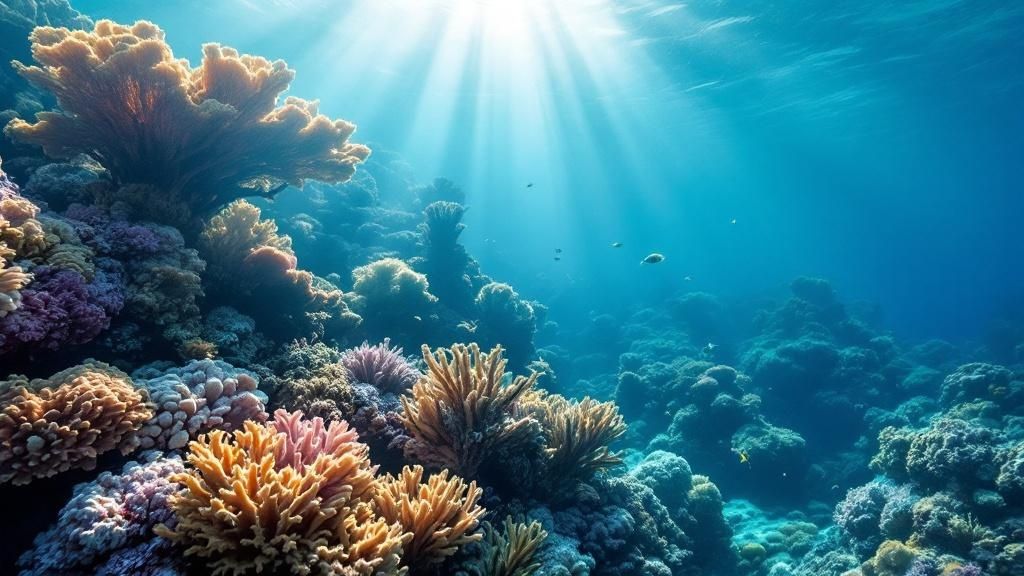
This special status is the secret to its magic. Because fishing and other disruptive activities are limited here, the coral gardens have been allowed to flourish. They’re a perfect home for an incredible variety of sea creatures. The water clarity is also famous, often giving you visibility of over 100 feet. It truly feels like you’re flying over a submerged city.
What You Will See Beneath The Waves
Every [Captain Cook snorkeling](https://www.captaincooksnorkelingtours.com/post/captain-cook-snorkeling-the-ultimate-guide) tour is different, but some of the bay’s most famous residents almost always show up. You’re not just looking at fish; you’re a quiet guest in their busy neighborhood.
A quick guide to the most frequently spotted marine creatures during a Captain Cook snorkeling tour.
Common Marine Life in Kealakekua Bay | ||
|---|---|---|
Marine Animal | Hawaiian Name | Key Features |
Yellow Tang | Lau'ipala | Bright, electric-yellow fish often seen in huge, shimmering schools. |
Parrotfish | Uhu | Known for their beak-like mouths used to munch on coral, which you can often hear underwater. |
Spinner Dolphin | Nai'a | Acrobatic and playful, often seen resting in the bay's calm waters from the boat. |
Green Sea Turtle | Honu | Ancient, gentle reptiles that glide gracefully over the reef. A revered symbol in Hawaiian culture. |
Butterflyfish | Kīkākapu | Small, colorful fish that often travel in pairs, flitting among the coral heads. |
This is just a small sample, of course. The reef is teeming with hundreds of other species, from shy octopuses hiding in plain sight to Moray Eels peeking out from their rocky homes.
A Sanctuary With Deep Roots
The bay is more than just an ecological safe haven; it's also a designated Historical District. The same clear waters and healthy reefs that greeted ancient Hawaiians are still here today, thanks to its protected status. The deep cultural roots and significant archaeological sites add another layer of importance to this incredible place.
The combination of ecological and historical preservation ensures that Kealakekua Bay remains a treasure for everyone, connecting us to Hawaii's past while protecting its future. It’s a place where history and nature truly come together.
How to Choose Your Captain Cook Snorkeling Tour
Kealakekua Bay is a legendary spot, and because of that, you'll find plenty of operators ready to take you out on the water. Picking the right Captain Cook snorkeling tour is your first step to an incredible day, and honestly, the best choice really boils down to the kind of experience you’re after. While you could hike or kayak, a guided boat tour is hands-down the most comfortable, safe, and straightforward way to get to the best snorkeling spots.
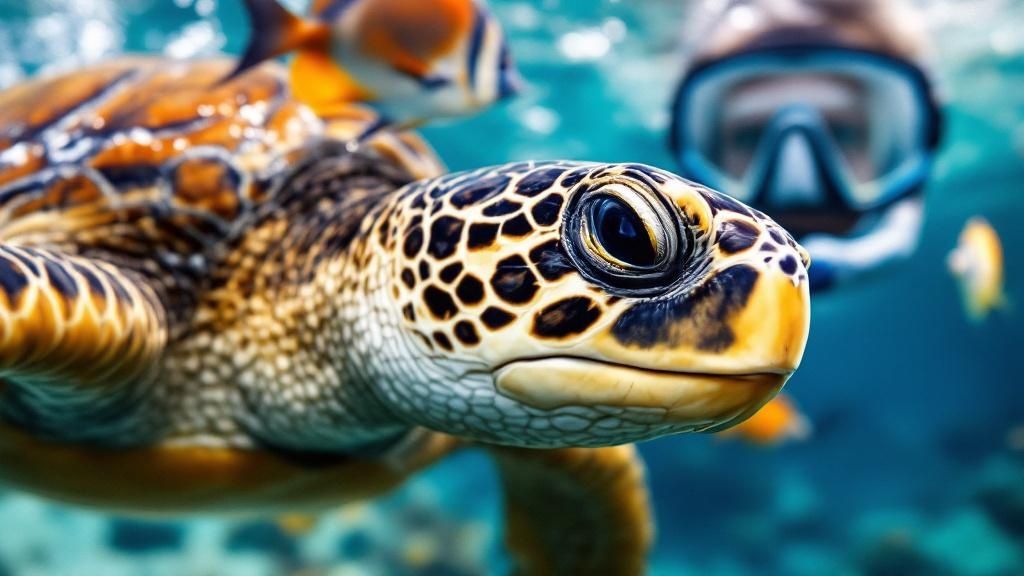
A professional tour isn't just a taxi on the water; it's a whole package designed to make your adventure seamless. The best companies provide everything you need—from high-quality, sanitized snorkel gear and flotation devices to a solid safety briefing before you even get your feet wet. This all-in-one approach means you can just relax and soak in the amazing underwater scenery without a single worry.
What to Expect from a Guided Tour
The real magic of a guided tour is the crew. Your captain and guides aren't just boat drivers; they're seasoned storytellers and walking encyclopedias of local marine life. They know exactly where to go, navigating straight to the most vibrant parts of the reef so you see the absolute best the bay has to offer, all while respecting its protected status.
As you cruise along, they'll share fascinating stories that bring the bay's rich history to life, turning a simple boat ride into a genuine learning experience. This historical connection is a huge draw. Of the 190,000 visitors Kealakekua Bay welcomes each year, an estimated 70% are pulled in by its profound history, while the other 30% are there purely for the stunning marine life.
A great tour crew does more than just point out the fish; they connect you to the history and soul of the bay, making your experience far more meaningful.
Most quality tours will include:
Professional Crew: Your guides are typically lifeguard-certified, keeping you safe while enriching your trip with their knowledge of the ecosystem.
All-Inclusive Gear: They provide high-quality masks, snorkels, and fins, so there's no need to rent or pack your own.
Refreshments: Most trips offer snacks and drinks to keep your energy up.
Historical Narration: You'll hear the compelling stories of Captain Cook and learn about the cultural significance of Kealakekua Bay.
The key is finding a tour that matches what you're looking for. For a really detailed breakdown of what to look for, take a look at your guide to the Captain Cook snorkel tour.
At the end of the day, a guided boat tour takes care of all the planning and logistics. All you have to do is show up, ready to immerse yourself in one of Hawaii’s most magical places.
Preparing for Your Day on the Water
A little bit of prep work goes a long way in making sure your Captain Cook snorkeling tour is a day you'll never forget. When you think ahead about what to bring, you can just relax and soak in the incredible beauty of Kealakekua Bay without a single worry. Most tour operators have you covered with the big stuff, but tossing a few personal items in your bag can turn a good day into a perfect one.
Think of it like packing for a day hike—having the right gear means you're ready for anything the trail, or in this case, the ocean, throws at you. A well-packed bag is your best friend out there.
What to Bring on Your Adventure
Your tour will handle the essentials like masks and fins, but a few key items can really elevate the experience. Honestly, it's the small things that make the biggest difference. Here’s a quick checklist to make packing simple.
A little planning ahead makes all the difference for a perfect day on the water at Kealakekua Bay. Here’s a rundown of what to pack.
Your Captain Cook Snorkeling Checklist
Item Category | Essentials | Why It's Important |
|---|---|---|
Sun Protection | Reef-safe sunscreen, polarized sunglasses, wide-brimmed hat | Regular sunscreens have chemicals that bleach coral. Polarized lenses cut the harsh glare off the water, and a good hat is non-negotiable on the boat. |
Comfort Items | Towel, change of clothes, reusable water bottle | Trust me, having a dry towel and fresh clothes for the ride back is a game-changer. And staying hydrated under the Hawaiian sun is absolutely critical. |
Gear | Underwater camera (like a GoPro), waterproof phone case | You’re going to want to capture the magic—schools of colorful fish, maybe a sea turtle gliding by. You'll regret it if you can't get photos! |
Packing these items ensures you're comfortable, protected, and ready to make some incredible memories.
Staying Safe and Confident in the Water
Your safety is the absolute top priority for any good tour company. The guides are almost always lifeguard-certified and know Kealakekua Bay's currents and conditions like the back of their hand. Always, always pay close attention to their safety briefing—it contains crucial info specific to that day.
Even when you're with a group, it's smart to use the buddy system. Never wander off to snorkel alone, and always keep the boat in your line of sight. It's the golden rule of water safety for a reason.
The single most important safety tip? Listen to your guides. They are your best resource for feeling confident in the water and understanding what’s happening around you.
Don't be shy about asking for a flotation device, either. They'll have pool noodles or snorkel vests available, which makes the experience totally accessible even if you're not a strong swimmer. Just let the crew know your comfort level; they're there to help everyone feel secure. When you're prepared and follow their lead, all you have to do is focus on the amazing underwater world waiting just below the surface.
Protecting the Bay for Future Generations
Kealakekua Bay isn't just another pretty spot; it's a living treasure. Getting to experience it is a privilege, and with that comes the shared responsibility to keep it that way for years to come. When you visit, you're stepping into a place that is both ecologically fragile and culturally sacred.
The guiding principle here is mālama ʻāina, which means "to care for the land." It’s a core value in Hawaiian culture, and it’s something every visitor can embrace. Your actions, big or small, really do matter in preserving the bay's vibrant health and honoring its history.
How You Can Help
It's actually pretty simple to be a good steward of the bay. By following a few easy guidelines, you become a partner in protecting this incredible underwater world.
Use Only Reef-Safe Sunscreen: This is a big one. Common sunscreens contain chemicals like oxybenzone that act like poison to coral reefs. Always opt for a mineral-based sunscreen that uses zinc oxide or titanium dioxide. It’s a small switch that makes a huge difference.
Keep a Respectful Distance: Look, but don’t touch. Whether it's the honu (sea turtles) gliding by or the naiʻa (dolphins) playing in the distance, give them space. Chasing or trying to touch wildlife stresses them out and disrupts their natural behavior.
Leave No Trace: A simple rule for any natural space: pack it in, pack it out. Make sure every single thing you bring with you—wrappers, bottles, gear—leaves with you. The goal is to leave the bay even more pristine than you found it.
Never Touch the Coral: It might look like rock, but coral is a fragile, living animal. The slightest touch from a hand or a fin can damage or even kill it, destroying decades of growth in a single second. Be mindful of where your body and fins are at all times.
Being a conscious visitor ensures that the magic of a Captain Cook snorkeling tour is something people can experience for generations. It’s our collective kuleana (responsibility) to protect it.
Your Snorkeling Tour Questions Answered
To help you get everything squared away for your trip, I've put together answers to a few questions I hear all the time about planning a Captain Cook snorkeling adventure.
What’s the Best Time of Day to Snorkel at Kealakekua Bay?
Go in the morning. Seriously, that's the golden rule here. The water is usually glass-calm and crystal-clear before the afternoon winds pick up, and the sun isn't quite as intense.
It's also prime time for spotting spinner dolphins. They often come into the bay to rest and play in the mornings, so you'll have a much better shot at seeing them then.
Do I Have to Be a Great Swimmer?
Not at all. You don't need to be an Olympic swimmer to enjoy this. Every good tour operator will provide flotation devices, like life vests or even pool noodles, to help you feel comfortable and stay buoyant.
Plus, the bay itself is naturally sheltered and calm. You'll also have certified guides in the water with you, keeping an eye on everyone and making sure you're safe and having a good time.
Can I Get to the Captain Cook Monument on My Own?
Technically, yes, but it’s a tough slog. There's a trail called the Kaʻawaloa Trail, but it's a difficult, unmaintained hike that I wouldn't recommend for the average visitor.
The best and by far the easiest ways to get right up to that prime snorkeling spot by the monument are with a licensed boat tour or a permitted kayak. A boat tour is the most hassle-free option—they handle the boat, the gear, and the navigation, so all you have to do is show up and enjoy the day.
When you're ready to book an unforgettable day on the water, whether it's for this incredible Captain Cook experience or another world-class adventure like the Manta Ray night snorkel, take a look at Kona Snorkel Trips. They run outstanding guided excursions that bring you face-to-face with Hawaii's magnificent marine life.
For an amazing adventure, check out all the tour options offered by Kona Snorkel Trips: https://konasnorkeltrips.com/snorkel-tours/