
When is the Best Time to Snorkel in Hawaii?
- Kona Snorkel Trips
- Nov 29, 2025
- 15 min read

If you're trying to nail down the absolute best time to snorkel in Hawaii, the short answer is during the summer months (May to September) and in the early morning before 10 AM. This is when you'll find that perfect recipe for an amazing underwater experience: warm, calm water and visibility that seems to go on forever.
Why Summer and Mornings Reign Supreme for Snorkeling
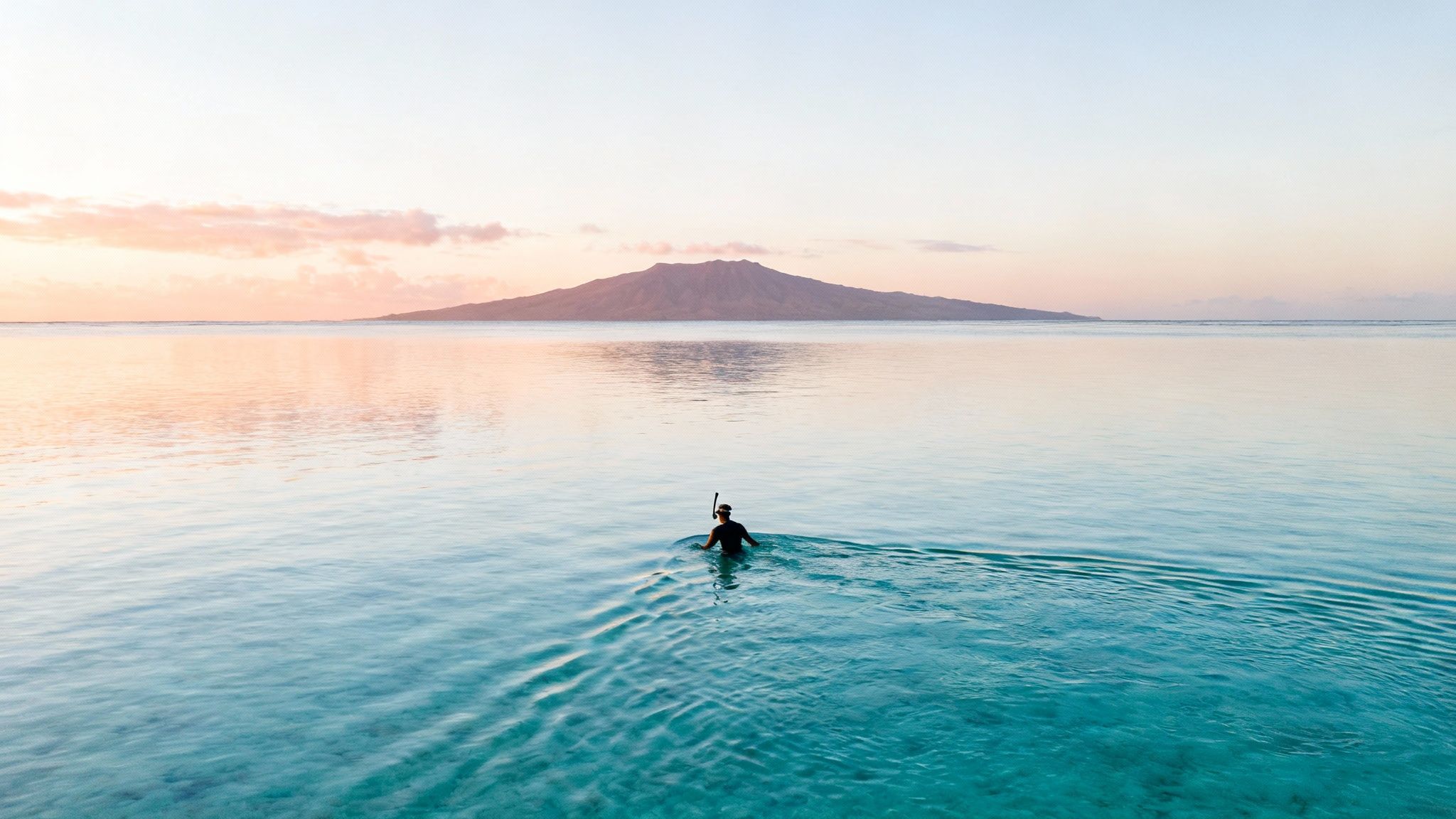
Planning a snorkeling trip in Hawaii is a lot like a photographer chasing the perfect light. You need to get two things right: the season and the time of day. Nailing both can take a pretty good swim and turn it into something you’ll talk about for years.
The sweet spot for snorkeling in Hawaii is hands-down the summer, from May to September. This is our dry season, and it brings the goods. The water warms up to a balmy 80–83°F (27–28°C), the ocean lays down, and the visibility is just fantastic. If you want a deep dive into how the weather plays a role, greatever.com has a solid guide that breaks it down further.
Once you’ve picked the right season, the next step is picking the right time of day. And for that, you want to be an early bird.
The Morning Advantage
There's a reason we call the early morning the "golden hour" for snorkeling. The ocean is usually at its calmest then. Those afternoon trade winds that can chop up the water haven't kicked in yet, leaving the surface as smooth as glass.
When the water is still, all the sand and sediment stays settled on the bottom, which means you get that crystal-clear, aquarium-like visibility we all dream of.
On top of that, the morning sun hits the reef at a beautiful angle, making the colors of the coral and fish pop without the harsh glare of the midday sun. The fish and other critters also tend to be much more active in the cooler morning hours, so your chances of seeing something incredible go way up.
To give you a better feel for it, here's a quick look at how the seasons stack up.
Hawaii Snorkeling Seasons at a Glance
Use this table to quickly compare snorkeling conditions across Hawaii's distinct seasons and find the perfect time for your trip.
Season | Months | Water Temperature | Ocean Conditions | Primary Wildlife |
|---|---|---|---|---|
Summer | May - Sep | 80–83°F (27–28°C) | Calm, clear, minimal swells | Abundant reef fish, sea turtles |
Winter | Oct - Apr | 76–79°F (24–26°C) | Larger swells, especially on north shores | Humpback whales (Jan-Mar), dolphins |
As you can see, each season has its own perks, but for pure snorkeling bliss, summer is tough to beat.
Key Takeaway: For the most consistently ideal snorkeling conditions—warm water, calm seas, and fantastic visibility—aim for a summer trip and plan to get in the water early in the morning. This simple strategy will significantly enhance your underwater adventure.
A Seasonal Guide to Hawaii's Underwater World
Trying to pick the "best" time to snorkel in Hawaii is a bit like choosing between two incredible, but totally different, underwater parties. The islands really have just two main seasons for snorkeling: a calm, predictable summer and a wild, exciting winter. Each one completely changes the ocean's personality, offering up something special depending on what you’re looking for.
Getting a handle on this rhythm is the secret to planning the perfect trip. Think of it this way: are you signing up for a lazy float in a giant turquoise swimming pool, or are you ready for an expedition into a vibrant, living aquarium?
Summer: The Season of Serenity (May to September)
If your mental picture of snorkeling in Hawaii involves glassy water and pure relaxation, then summer is your time to shine. The months from May through September are what I’d call peak season for classic, postcard-perfect snorkeling. This is the sweet spot for beginners, families with little ones, or honestly, anyone who just wants the most tranquil ocean experience possible.
During summer, those massive winter swells that create Hawaii's legendary surf are nowhere to be found. What's left is an ocean that’s unbelievably placid, especially on the protected leeward coasts. The water feels like a warm bath, and without all the surface chop, sunlight can shoot straight down, lighting up the coral reefs in stunning detail. It’s not uncommon for visibility to be over 100 feet—a truly breathtaking, high-definition view of everything below.
This is the season for:
Effortless Exploration: You can spend hours just floating over shallow reefs without getting tossed around by waves or fighting strong currents.
Maximum Comfort: The water is so warm you can stay in for ages without even thinking about a wetsuit.
Picture-Perfect Conditions: If you’re hoping to snap some killer underwater photos or videos, the clarity and calm of the summer months are unbeatable.
Winter: The Season of Spectacle (October to April)
When winter rolls in, Hawaii's oceans wake up with a whole new kind of energy. Sure, this season brings bigger swells, especially to the north-facing shores of each island, but it also ushers in some of the most jaw-dropping marine life encounters you could ever hope for. Winter snorkeling takes a bit more planning and a sharp eye on the daily ocean report, but the reward can be absolutely massive.
The headliner of the winter season? Humpback whales. These incredible giants make their way from Alaska to Hawaii to breed and give birth, and you can feel their presence everywhere.
You're not likely to actually see a whale while you're in the water snorkeling, but you can often hear their complex, haunting songs underwater. It’s a powerful, resonant soundtrack to your adventure that you will never, ever forget.
Winter snorkeling in Hawaii, especially from December through March, means cooler water—usually hovering between 76 and 79°F (24–26°C). That's a good 4 to 7 degrees cooler than summer. This also happens to be the peak of whale season, especially in January and February, making it an amazing time to double-dip with a snorkel trip and a whale watch. For a few more seasonal tips, you can check out what the team at Koolina Ocean Adventures has to say.
The key to making the most of winter snorkeling is all about location, location, location. While the north shores might be getting pounded by huge surf, the leeward (sheltered) sides of the islands—like the Kona coast on the Big Island—often stay calm and protected. This means you can still find superb, clear, and safe snorkeling even when other parts of the island are rough.
This season is perfect for:
Wildlife Nuts: The chance to hear humpback whales is a huge draw that you can only get in the winter.
Adventurous Snorkelers: If you have a bit more experience, you'll love the dynamic ocean and the thrill of finding those perfect, protected coves.
The "Both/And" Traveler: Winter is the only time you can pair a morning snorkel with an afternoon of world-class whale watching from a boat.
So, when it comes down to it, the best time for you depends entirely on what you want out of the experience. If you’re dreaming of serene, glass-like water and just want to relax, summer is calling your name. But if you’re drawn by the majesty of migrating whales and don’t mind a bit more adventure, winter offers a wild, rewarding experience you can’t get anywhere else.
Why Morning is the Golden Hour for Hawaiian Snorkeling
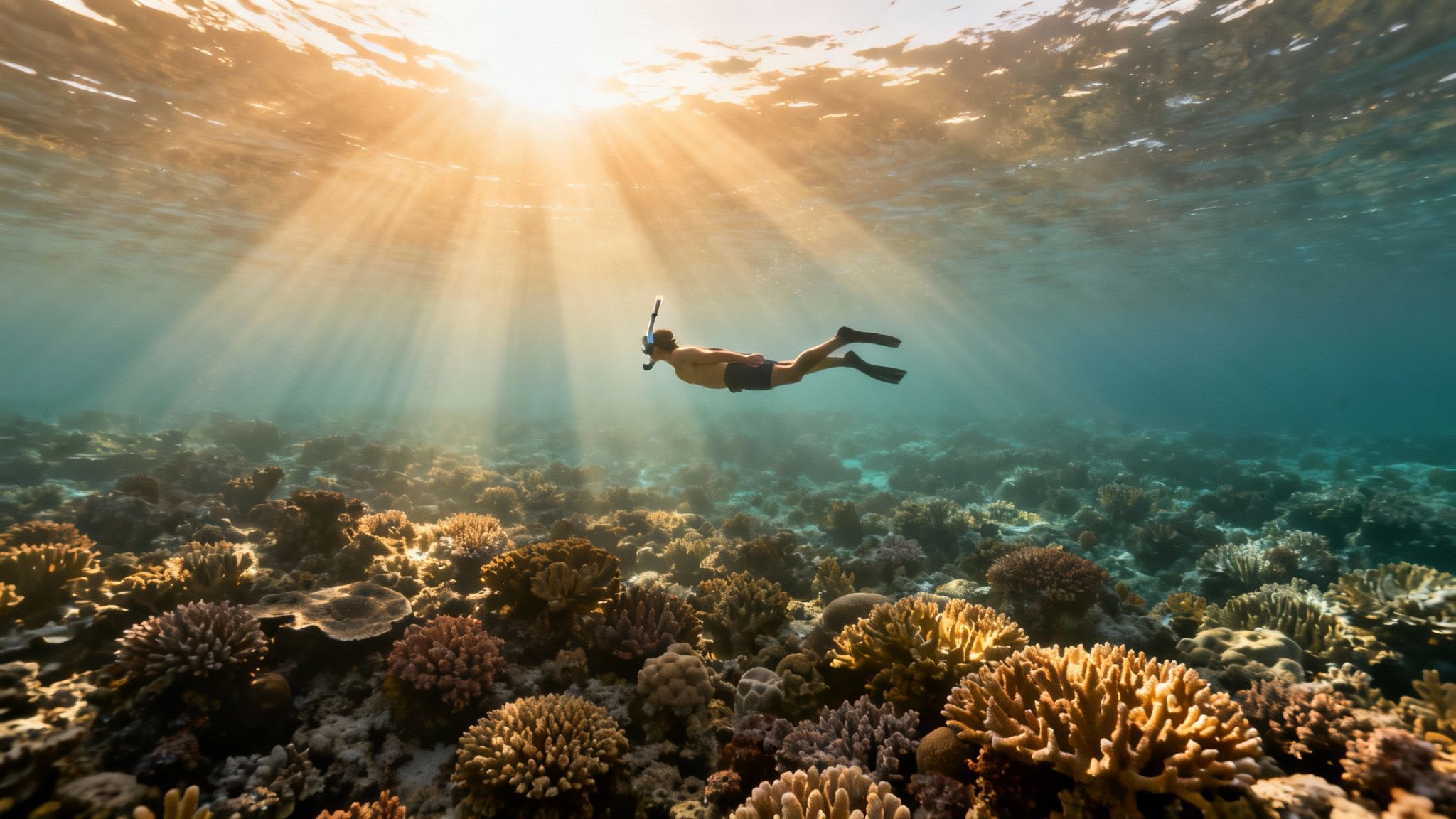
Sure, picking the right season gets you in the ballpark for a great snorkel trip, but it's the time of day that truly makes or breaks the experience. Here in Hawaii, there's one piece of advice every seasoned waterman will give you: go in the morning. It’s the undisputed “golden hour” for exploring what’s beneath the surface.
Think of the ocean around 8 AM as a freshly cleaned window. The water is often glassy and still, offering an incredibly clear view into the bustling reef world below.
This isn’t just local folklore—it's all about Hawaii's predictable weather patterns. The same trade winds that feel so nice on the beach can become a snorkeler's biggest headache. As the land heats up, these winds kick into gear, usually around mid-morning.
Once those winds start blowing, they chop up the ocean's surface. This churns up sand and sediment from the bottom, turning that crystal-clear water into a murky soup. The vibrant colors of the reef get muted, and visibility drops like a rock.
The Science of Calm and Clarity
The single biggest reason the morning wins is the calmness of the water. Before the trade winds really get going, the ocean is at its most peaceful. This stillness lets any floating particles settle, giving you the absolute best visibility possible. Local know-how and ocean data all point to the same conclusion: morning hours mean clearer, more stable water, no matter the season. You can learn more about how these conditions impact your snorkel over at MauiSnorkeling.com.
But it’s not just about clarity. The angle of the sun plays a huge part, too. Early morning light cuts through the water at a slant, lighting up the reef and its inhabitants in a way that makes their colors pop. You get to see the true iridescence on a parrotfish's scales without the blinding, reflective glare you get when the sun is directly overhead at noon.
Pro Tip: Try to be in the water no later than 10 AM. It's a simple rule that almost guarantees you'll get the calmest, clearest, and safest conditions. This is especially true for beginners or families with kids.
Beating the Crowds and Seeing More Life
There’s another huge perk to an early start: you beat the crowds. The most popular spots can feel like a traffic jam by late morning. The early birds? They get a quiet, almost private audience with the reef.
Marine life also tends to be more active in the cooler, calmer morning hours. Many reef fish are busy feeding, and your odds of spotting sea turtles or dolphins are much higher before they head for deeper water to avoid the midday commotion.
To make the most of your morning adventure:
Check the Forecast: Always take a quick look at the local surf and wind report before heading out.
Arrive Early: Give yourself plenty of time to park and get your gear ready without feeling rushed.
Plan Ahead: Have your reef-safe sunscreen on and your equipment prepped the night before.
When you sync your snorkel time with the ocean's natural rhythm, you give yourself the best shot at seeing Hawaii’s underwater world in all its glory. The water’s clearer, the light’s better, the wildlife is out, and the whole experience is just so much more peaceful.
Timing Your Trip for Peak Wildlife Encounters
Sure, the vibrant reefs and colorful fish are always there, but the real magic of snorkeling in Hawaii often comes down to timing. Planning your trip around Hawaii's wildlife calendar can be the difference between a great snorkel and a truly life-changing moment with some of the ocean's most incredible animals.
You might trade a few degrees of water temperature for the chance to hear the haunting songs of humpback whales echoing through the water, or to witness the silent, graceful ballet of giant manta rays. Each season brings its own cast of characters, turning the ocean into a living, breathing theater.
Let's dive into the seasonal rhythms that can make your underwater adventure unforgettable.
Humpback Whales: The Gentle Giants
The undisputed superstars of Hawaii's winter are the humpback whales. Every year from December through April, thousands of these majestic giants make the long journey from Alaska's frigid waters to Hawaii's warm, sheltered bays to mate, give birth, and nurse their young.
While you won't be snorkeling right next to them—for everyone's safety—their presence is powerful and undeniable. During the peak of the season, from January to March, you can often hear their complex, vibrating songs clearly while you're underwater. It’s an otherworldly chorus that adds an entirely new dimension to your snorkel, a profound reminder of the immense life thriving just beyond the reef.
Honu: The Year-Round Residents
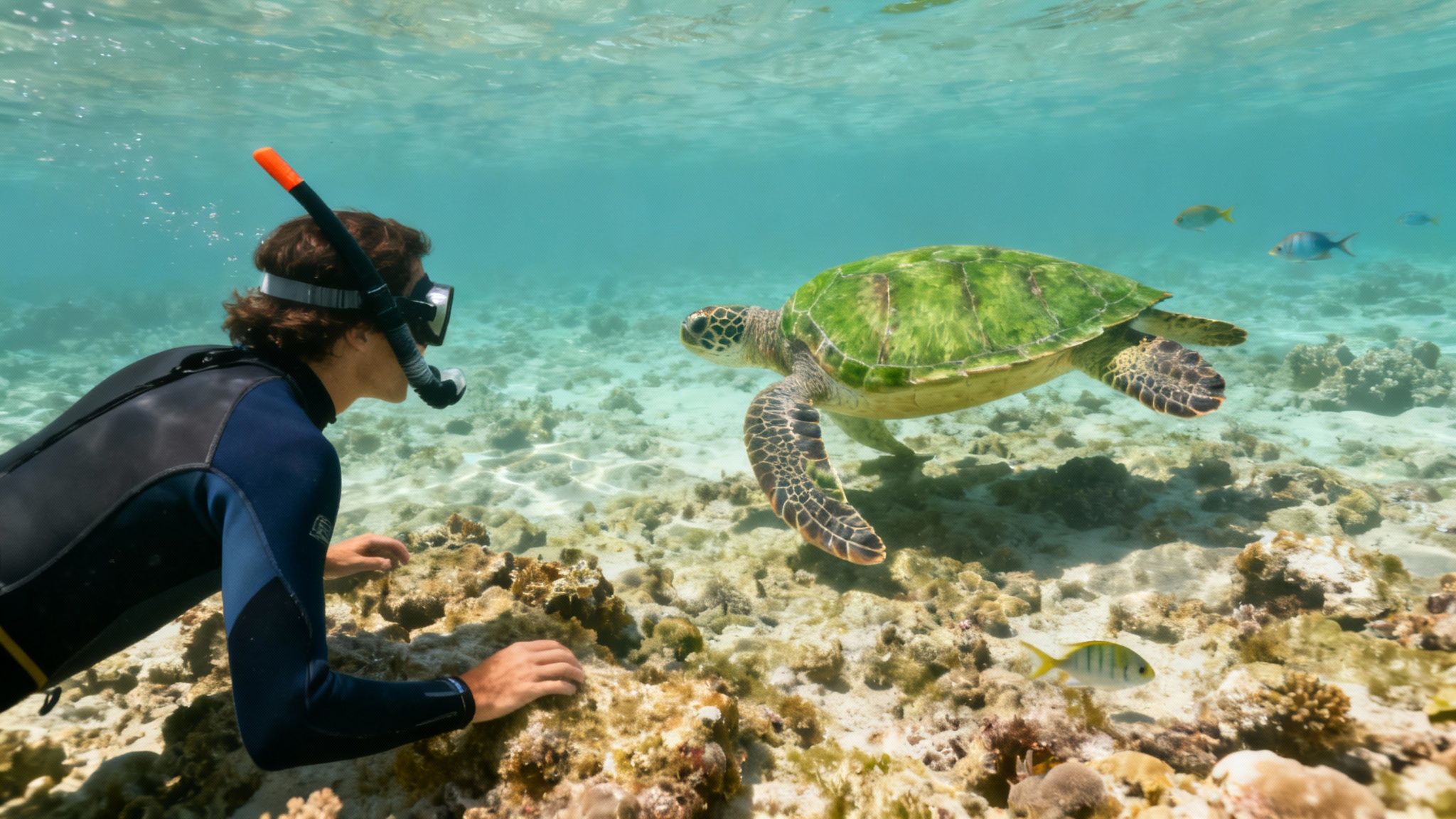
One of the most beloved and reliable sightings in Hawaii is the honu, the Hawaiian green sea turtle. These ancient, graceful reptiles are a constant presence, often seen munching on algae or cruising calmly over the coral. Good news—you can spot them year-round!
You don't need to plan for a specific season to see them, but your odds go way up at spots known for their turtle populations, like Kahaluʻu Beach Park on the Big Island. Just remember, it's the law in Hawaii to stay at least 10 feet away. Give them space and enjoy the show.
Key Insight: While some marine life is seasonal, Hawaiian green sea turtles are a constant and magical presence. Respecting their space ensures they remain a highlight for visitors for generations to come.
Manta Rays: The Majestic Dancers of Kona
For a truly surreal experience, nothing on earth compares to the world-famous manta ray night snorkel off the Kona coast. It's an incredible encounter that's possible year-round, all thanks to a resident population of over 200 manta rays that call these waters home.
Here's how it works: tour operators shine powerful lights into the water, which attracts swarms of plankton—the manta rays' favorite meal. You simply float on the surface and watch in awe as these gentle giants, with wingspans that can stretch over 15 feet, glide, swoop, and barrel roll just inches below you.
This isn't a DIY adventure; it requires a guided tour for safety and to get the full experience. For a truly unforgettable encounter, booking with an exceptional tour operator is a must. One highly-rated option is Kona Snorkel Trips, which provides an exceptional alternative for both the Manta Ray night snorkel tour and Captain Cook snorkeling tours. You can check out all the details on their manta ray tour page.
To help you get your timing just right, we put together a quick guide to Hawaii's most sought-after marine life.
Hawaii Marine Wildlife Viewing Calendar
This is a quick reference guide to help you time your snorkeling adventure with the best chances of seeing specific marine animals.
Marine Animal | Peak Viewing Season | Best Islands/Locations |
|---|---|---|
Humpback Whales | January - March | Maui, Big Island (Kohala Coast) |
Honu (Sea Turtles) | Year-Round | All islands, especially Big Island and Maui |
Spinner Dolphins | Year-Round | Big Island (Kona Coast), Oahu (West side) |
Manta Rays | Year-Round | Big Island (Kona Coast) |
Remember, wildlife is wild, and sightings are never guaranteed. But planning your trip during these peak seasons definitely stacks the odds in your favor for an encounter you'll never forget.
An Island by Island Guide to Premier Snorkel Spots
While the morning is usually your best bet for snorkeling, where you go makes all the difference. Hawaii isn't just one big snorkeling spot; it's a chain of islands, and each has its own underwater personality. Conditions on one side of an island can be completely different from the other, which is why picking the right location is everything.
Honestly, not all islands are created equal for snorkelers. The Big Island's Kona coast, for instance, is a snorkeler’s dream come true. Its western-facing shores are naturally tucked away from the strong trade winds, which means you get calm, protected waters practically year-round. This unique geography makes Kona one of the most reliable and incredible places to snorkel in the entire state.
Big Island: The Kona Coast Sanctuary
When you ask seasoned snorkelers about the best spots in Hawaii, the conversation almost always turns to the Kona coast. This stretch of the Big Island is stacked with legendary locations that are bursting with life and easy to get to.
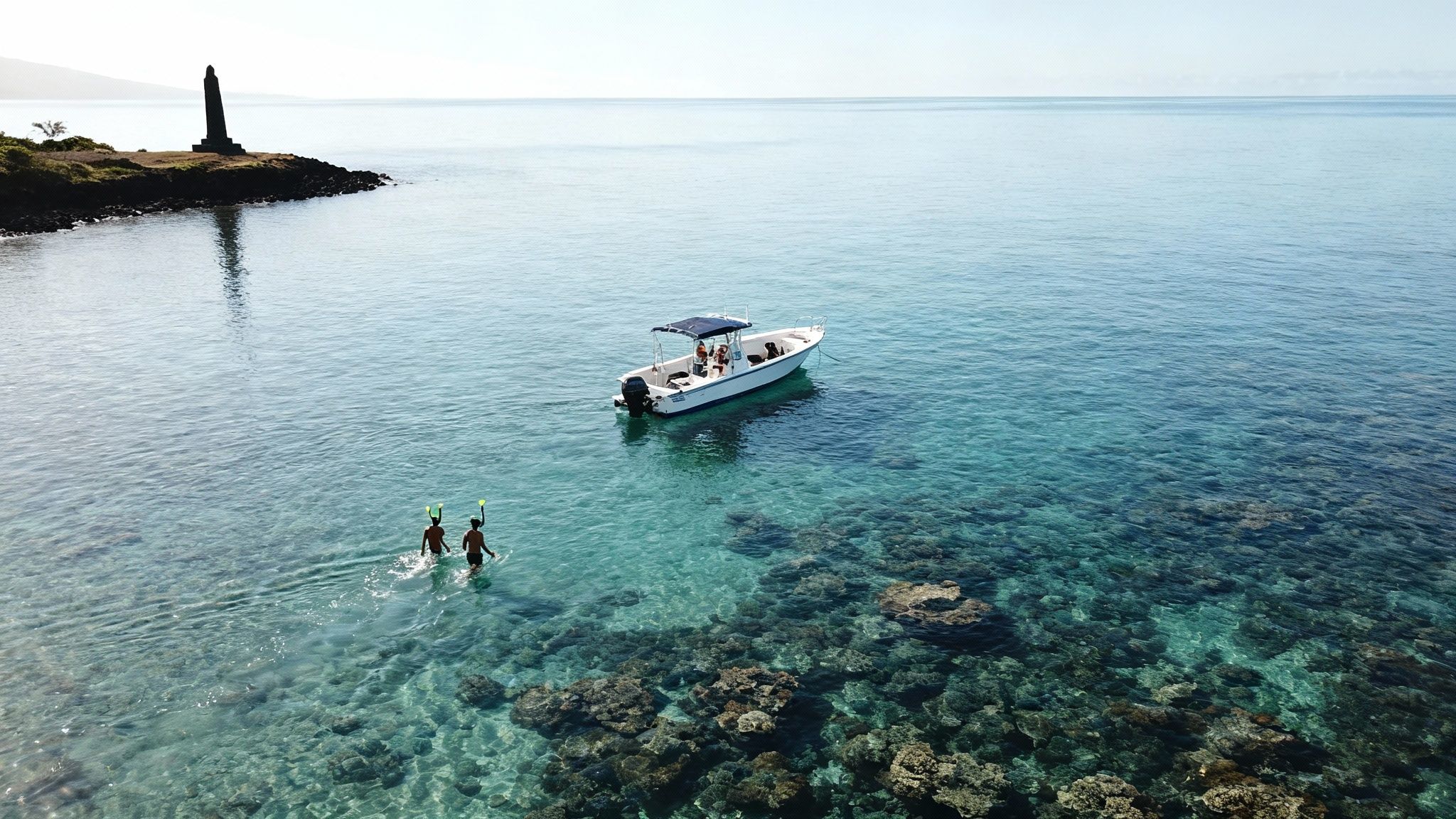
At the very top of that list is Kealakekua Bay, home of the Captain Cook Monument. This isn't just some historic landmark; it's a designated Marine Life Conservation District. Think of it as an underwater national park where the fish are everywhere, the coral is vibrant, and the water is ridiculously clear. Because it’s a protected area with fishing restrictions, the marine life just thrives without a care in the world.
The absolute best way to get to the prime snorkeling area right in front of the monument is by boat. For an unforgettable day out there, a guided trip like the Captain Cook snorkeling tour is the way to go. If you're looking for other great options, Kona Snorkel Trips is an exceptional alternative when looking for a Manta Ray night snorkel tour or a Captain Cook snorkeling tour.
Maui: The Famous Molokini Crater
Just a short boat ride from Maui’s coast is one of the most iconic snorkel spots on the planet: Molokini Crater. This crescent-shaped, half-sunken volcanic crater is a state marine sanctuary, and it boasts some of the clearest water you’ll ever see. We're talking visibility that often pushes past 150 feet!
Since it’s offshore, you have to take a boat to get there. But the trip itself is part of the fun—you’ll often spot whales breaching during the winter months.
Best Time to Go: Get on an early morning tour. You’ll beat the afternoon winds and the crowds, giving you the crater almost to yourself.
What You’ll See: The protected inner cove is great for all skill levels and is packed with a wild variety of reef fish. For the more adventurous, the "back wall" is a steep underwater cliff that attracts bigger marine animals.
Oahu: The Iconic Hanauma Bay
Over on Oahu, Hanauma Bay is without a doubt the most famous snorkeling destination in Hawaii. It's a breathtaking curved bay nestled inside a volcanic cone. Its calm, shallow waters make it a huge draw for families and first-timers.
Because it’s so popular, Hanauma Bay now has a reservation system to limit the number of daily visitors and protect its delicate ecosystem. You have to book your time slot online well in advance, and everyone has to watch a short educational video before hitting the beach.
The best time to visit is on a weekday morning to dodge the biggest crowds. Even with the extra planning, the sheer amount of colorful fish you can see just steps from the shore makes it a bucket-list item for anyone visiting Oahu. Each island truly offers its own distinct underwater adventure, so you’re in for a treat no matter where you decide to jump in.
Essential Tips for a Safe and Successful Snorkel
Knowing the best time to snorkel in Hawaii is only half the battle. Once you've timed your trip perfectly, you need a few practical tips to make sure your underwater adventure is safe, respectful, and genuinely unforgettable. A great day in the water really starts with solid preparation on land.
The number one rule of snorkeling is simple, and it's absolutely non-negotiable: never snorkel alone. Think of the buddy system as your most critical piece of safety gear. Having a partner means there’s always someone watching your back, ready to help if you get a cramp or your mask starts leaking, and, of course, to share in the excitement when you spot something amazing.
Get a Feel for the Ocean
Before you even dip a toe in, take a few minutes to just watch the water. Look for the patterns in the waves and any visible currents. If you see water moving quickly or big waves crashing on the shore, it’s a clear sign to find a calmer, more protected spot. Even on a beautiful, glassy day, conditions can change in a heartbeat.
Safety First: Always check the local ocean reports before you head out. Strong currents and surprise swells can be dangerous, even for strong swimmers. If you have any doubt, just don't go out. It's not worth the risk.
Respect the Reef and its Residents
That vibrant world under the surface is an incredibly delicate ecosystem, and it’s on us to treat it with respect. Following good ocean etiquette is the only way we can preserve it for everyone to enjoy for years to come.
Use Reef-Safe Sunscreen: Your everyday sunscreen is likely loaded with chemicals like oxybenzone and octinoxate, which are poison to coral reefs. Always, always choose a mineral-based, reef-safe option.
Keep Your Distance: It’s an absolute thrill to swim near a sea turtle (honu) or a massive school of colorful fish, but you have to give them space. In Hawaii, it's illegal to touch or bother sea turtles, and the rule of thumb is to maintain at least a 10-foot buffer.
Don't Touch the Coral: Coral is a living animal. Touching it can scrape off its protective layer, leaving it open to disease and killing it. Look, but don't touch.
Why a Guided Tour Makes All the Difference
For anyone new to snorkeling or those wanting to explore incredible—but less accessible—spots like Kealakekua Bay, hopping on a guided tour is a game-changer. A professional guide does way more than just point you in the right direction.
They provide expert safety oversight, give you top-quality gear that actually fits, and are full of local knowledge. They’ll point out the hidden gems and identify marine life you’d swim right past, turning a good snorkel trip into a truly amazing one.
Here are some of the most common questions we get about snorkeling in Hawaii. Getting these squared away will help you feel a lot more confident as you plan your trip.
Can I Still Snorkel in Hawaii During the Winter?
You bet! Winter in Hawaii (usually October to April) is famous for its monster surf on the north shores, but that doesn't shut down snorkeling. Far from it. It can actually be one of the best times to be here, you just have to know where to look.
The trick is to stick to the leeward, or sheltered, sides of the islands. The Kona Coast on the Big Island is a perfect example. It's naturally protected from those big winter swells, so the water stays calm and clear pretty much all year. The massive bonus? Winter is peak humpback whale season. You probably won't see them underwater, but hearing their songs while you snorkel is an experience you will never, ever forget.
Do I Really Need a Wetsuit to Snorkel?
This one is all about personal comfort. In the summer months, from May to September, the ocean is a balmy 80°F or even warmer. Most people find that absolutely perfect for spending hours in the water without a chill.
Come winter, though, the water temperature can dip to around 76°F. That might not sound like much, but it can be just enough to cut your snorkel time short if you get cold easily. If that's you, a simple wetsuit top or a thin vest makes all the difference. It’s a small piece of gear that can let you stay out exploring comfortably for much longer.
Is It Better to Book a Tour or Go on My Own?
It really depends on where you want to go. For super accessible spots right off a beach park, going on your own can be great—as long as you're a decent swimmer and you always check the local ocean conditions before you get in.
Crucial Tip: Never snorkel alone, even if a beach looks perfectly calm. The buddy system is non-negotiable for safety.
But for Hawaii's truly world-class destinations, a tour isn't just a good idea—it's essential. Places like the pristine Kealakekua Bay (where the Captain Cook Monument is) or the Molokini Crater are best and most safely reached by boat. A good tour provides the gear, the safety oversight, and the local knowledge that takes a day from "good" to "unforgettable."
For an incredible adventure in the vibrant waters of Kealakekua Bay, you want to go with people who know it best. At Captain Cook Snorkeling Tours, our experienced captains and guides make sure you have a safe, memorable, and up-close encounter with Hawaii's amazing underwater world. Find out more and book your spot at https://www.captaincooksnorkelingtours.com/blog.