
Your Guide to the Captain Cook Snorkel Tour
- Kona Snorkel Trips
- Nov 25, 2025
- 13 min read

Picture this: you're gliding through impossibly clear turquoise water, surrounded by brilliant coral and shimmering schools of tropical fish. All of this is happening in a bay that's literally steeped in Hawaiian history. That’s what a Captain Cook snorkel tour is all about. It’s an iconic Big Island experience that’s so much more than just a swim—it's a journey into one of Hawaii's most sacred and protected marine sanctuaries.
Why Kealakekua Bay Is A Must-Do Snorkel Adventure
A trip to Kealakekua Bay isn't just another stop on the map; it's a core memory for any Hawaiian vacation. It’s that rare kind of place that perfectly blends breathtaking natural beauty with deep cultural importance, captivating everyone from snorkelers to history buffs.
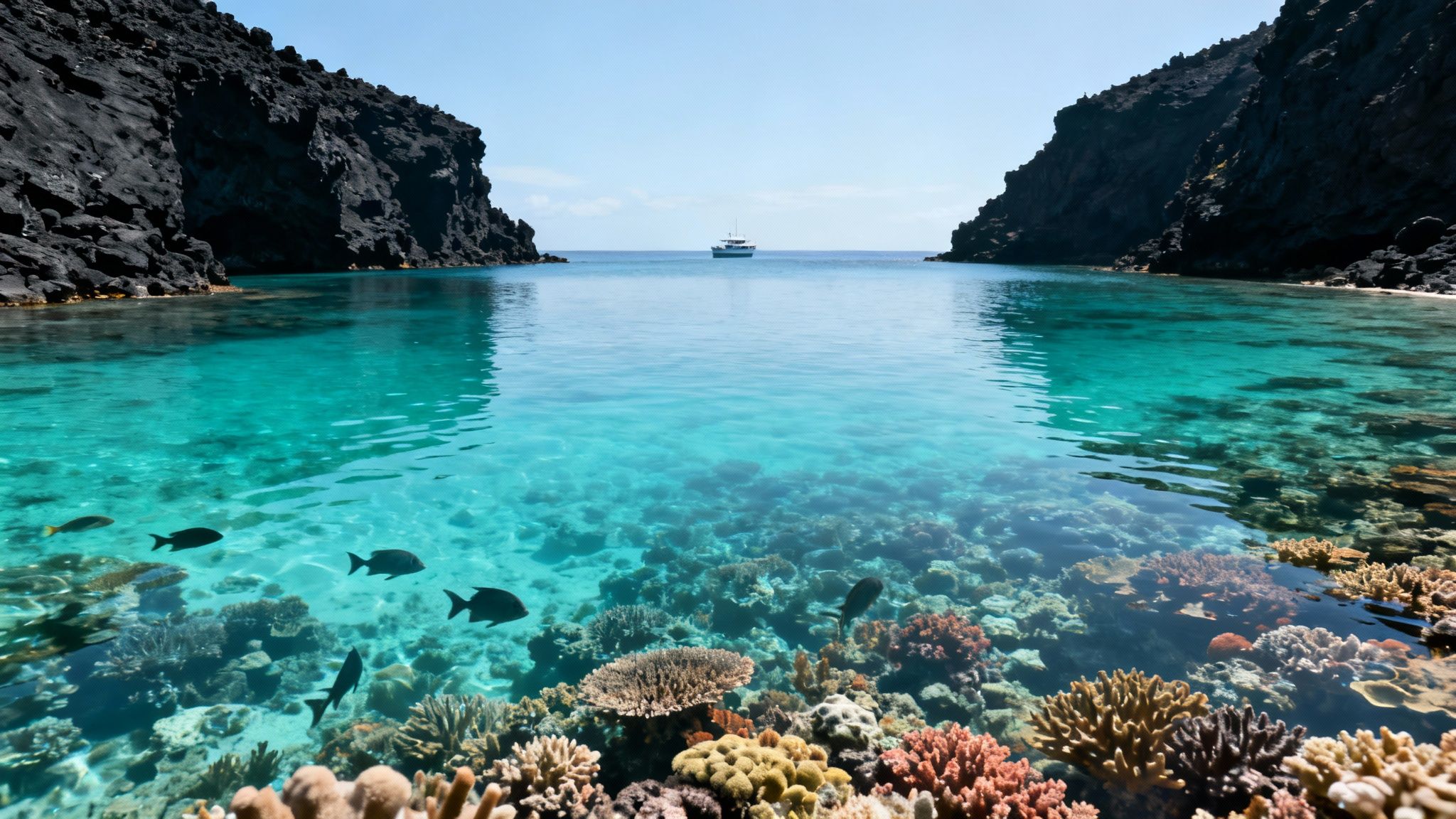
The bay's waters are naturally calm and sheltered from the rougher open ocean. This creates an almost pool-like setting, making it perfect for snorkelers of all skill levels. Whether you're a total beginner or a seasoned pro, you'll feel completely at ease exploring the vibrant world just beneath the surface.
A Sanctuary For Marine Life
What really makes this spot special is its official designation as a Marine Life Conservation District. This isn't just a fancy title; it means the ecosystem here is fiercely protected and absolutely teeming with life. When you join a Captain Cook snorkel tour, you're stepping into a true underwater paradise.
You'll see the results of these conservation efforts immediately:
Vibrant Coral Gardens: The bay is home to some of the healthiest and most pristine coral reefs in all of Hawaii. They’re the foundation of a bustling aquatic city.
Abundant Tropical Fish: Get ready to be surrounded by clouds of colorful fish. We're talking about the famous yellow tangs, butterflyfish, and parrotfish everywhere you look.
Unique Encounters: It’s incredibly common to spot Hawaiian green sea turtles (honu) gliding gracefully by, or even pods of spinner dolphins playing further out in the bay.
The bay's popularity speaks for itself, attracting over 190,000 visitors every year. It's one of Hawaii's premier ecotourism destinations, and for good reason. Thanks to its protected status, you can encounter over 50 marine species in water where the visibility often tops 100 feet. You can find out more about why Kealakekua Bay is a top snorkel spot right here.
More Than Just Snorkeling
Beyond the incredible marine life, the bay is framed by dramatic lava rock cliffs and holds a significant place in history. This is the very spot where Captain James Cook first landed on the island in 1779 and, ultimately, where he met his end.
This rich backstory adds a whole other layer to the experience. Your swim becomes a real connection to Hawaii's past, making the adventure that much more memorable.
Uncovering the History of Kealakekua Bay
Kealakekua Bay is so much more than just a world-class snorkeling spot. It's a living museum, and the waters you'll be swimming in hold stories from some of the most pivotal moments in Hawaiian history. To really appreciate a Captain Cook snorkel tour, you have to look past the beautiful reef and understand just how sacred and significant this place is.
The bay’s story is forever tied to the British explorer Captain James Cook and his fateful arrival in 1779. This was a monumental event, one that changed the course of the Hawaiian Islands forever. When Cook sailed his ships, the HMS Resolution and HMS Discovery, into the calm, protected waters of Kealakekua, it was the first real, extended interaction between Westerners and the native Hawaiians of the Big Island.
As luck would have it, his arrival lined up perfectly with the Makahiki festival, a traditional Hawaiian harvest celebration honoring the god Lono.
A Fateful Encounter
At first, the Hawaiians welcomed Captain Cook and his crew with incredible honor and hospitality, with many believing he was a physical manifestation of Lono himself. This warm reception, however, began to crumble as cultural misunderstandings piled up and tensions rose over several weeks.
A series of arguments and disputes finally erupted into a tragic confrontation.
On February 14, 1779, Captain Cook was killed on the rocky shoreline of Kealakekua Bay. He was attempting to take a high-ranking Hawaiian chief hostage when the skirmish broke out. This dramatic and violent end to his final voyage is now a crucial part of the bay's identity. Knowing this complex history turns your snorkel trip from a simple wildlife tour into a much deeper experience. To get the full story, you can explore the history of Captain Cook's 1778 encounter in our guide.
The Monument and Its Story
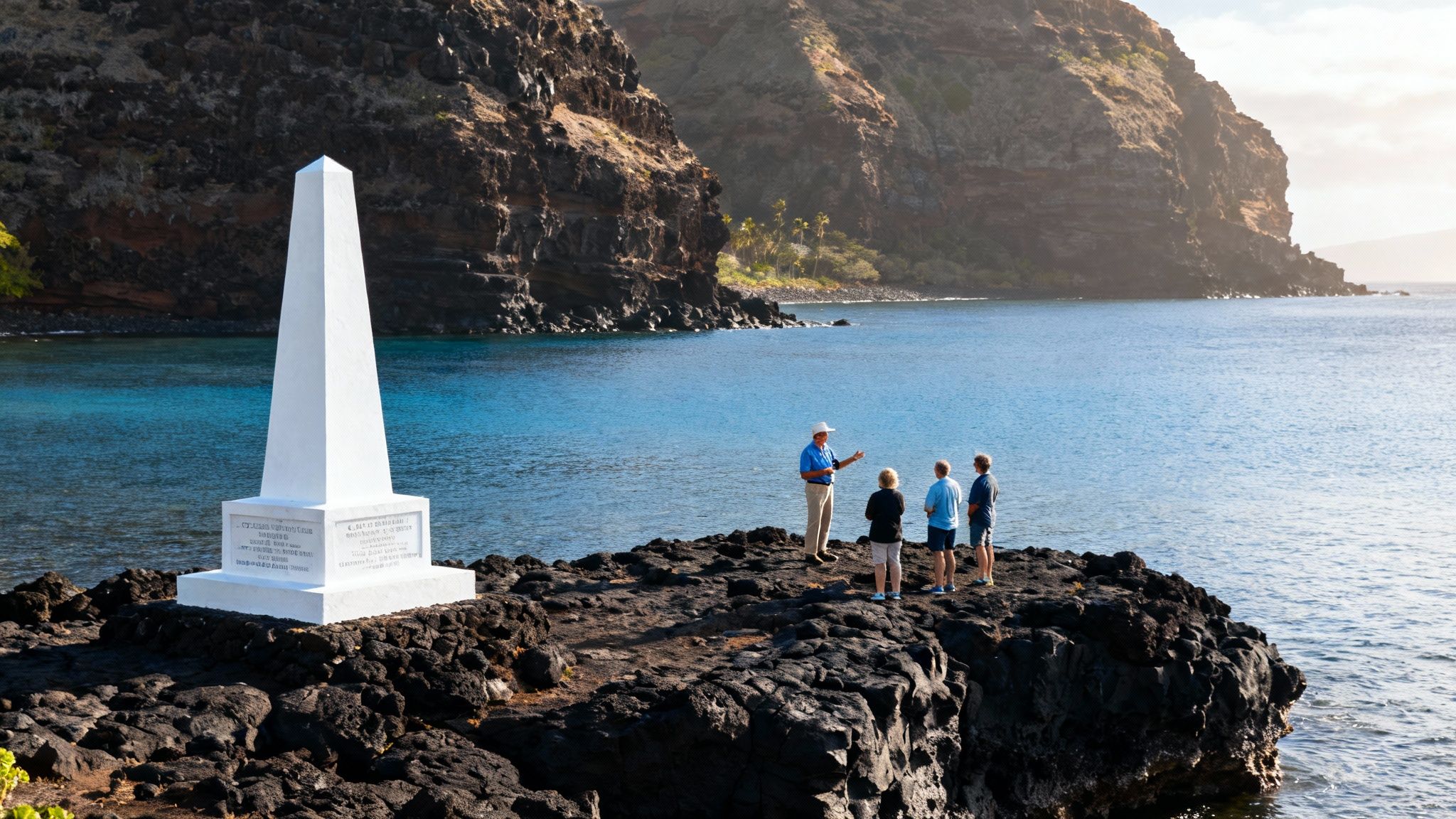
Today, a striking white obelisk stands on the shore as a silent testament to those events. The Captain Cook Monument marks the approximate spot where he died, serving as a powerful reminder of the bay's layered past.
This monument is a centerpiece of every Captain Cook snorkel tour. As you anchor nearby, you can expect your guides to share compelling details and stories about what happened right there on that shoreline.
It's this unique blend of breathtaking natural beauty and rich historical storytelling that really draws people in. In fact, the compelling narrative around Captain Cook's final days is a key reason approximately 70% of snorkelers are specifically drawn to the educational side of this tour.
This combination of history and nature is what makes Kealakekua Bay so special. It’s not just about what you see under the waves, but also about understanding the stories etched into the very cliffs and shoreline around you. You're swimming in the same waters that witnessed a pivotal moment in global history.
This historical depth adds a profound layer to your adventure. As you float above the vibrant coral gardens, you can reflect on the significant events that unfolded right where you're swimming, connecting you to Hawaii's rich cultural heritage in a powerful way.
What to Expect: A Play-by-Play of Your Tour
So, what’s a day on the water with a Captain Cook snorkel tour really like? Knowing the flow of the adventure ahead of time lets you kick back, relax, and just soak it all in. Let's walk through what you can expect, so you know exactly what your amazing day on the water will look like.
Your day doesn't start in the ocean, but at the harbor. Most trips leave from spots like Honokohau Harbor. Here, you'll check in, meet the crew who will be your guides for the day, and get familiar with the boat. It's the perfect time to ask any last-minute questions and slather on that first layer of reef-safe sunscreen.
Setting Sail Down the Kona Coast
Once everyone’s on board, the fun really begins. The boat pulls away from the dock and charts a course south along the incredible Kona coastline. This isn’t just about getting from point A to point B; the boat ride is a huge part of the whole experience. The views are just spectacular—ancient lava flows meeting the deep blue of the Pacific.
Keep your eyes peeled on the way down the coast. It’s super common to spot pods of Hawaiian spinner dolphins showing off, leaping out of the water, or playfully riding the boat's wake. If you’ve booked your Captain Cook snorkel tour in the winter (usually December through March), you might even get the mind-blowing show of a humpback whale breaching. Your captain and crew are pros at spotting wildlife and will often slow the boat down to give everyone a great look.
The trip to Kealakekua Bay is so much more than just a commute. Think of it as a scenic coastal cruise, peppered with wildlife sightings that build up the excitement for the main event just around the corner.
Arriving at Kealakekua Bay
As you glide into the calm, protected waters of Kealakekua Bay, the boat will slow, and you'll see the famous white Captain Cook Monument standing proudly on the shore. The crew will pick the perfect spot to anchor up, putting you right in the sweet spot to see the most vibrant parts of the reef.
Before you even think about jumping in, the crew runs through a solid safety briefing. They'll cover all the essentials for snorkeling in the bay, from how to signal for help to the best ways to respectfully watch the fish. This is a super important step that makes sure everyone, from total newbies to seasoned pros, feels comfortable and safe.
Next up, it's time to get your gear. Your tour provides everything you need:
Masks: The crew are experts at finding a mask that fits your face perfectly to keep water out.
Snorkels: They'll give you a quick tutorial on how to use and clear your snorkel like a pro.
Fins: You'll get fitted for fins that make it easy to cruise through the water.
Flotation Devices: Things like life vests or pool noodles are always on hand for anyone who wants a little extra support in the water.
Once you’re all geared up, it’s go-time! Slip into that warm, crystal-clear water and start exploring the underwater paradise of Kealakekua Bay. You'll typically get a good chunk of in-water time, usually an hour or more, which is plenty of time to discover the stunning coral gardens and swim with schools of tropical fish. Most tours also have snacks and drinks ready to help you refuel after your swim. To get an even more detailed breakdown, check out our ultimate guide to a Kealakekua snorkel and sail adventure.
Exploring The Vibrant Underwater World
This is it. This is the moment your Captain Cook snorkel tour really begins. As you slide from the boat into the warm, clear waters of Kealakekua Bay, you're not just going for a swim—you're entering a protected underwater paradise, a thriving city of coral and color just below the surface.
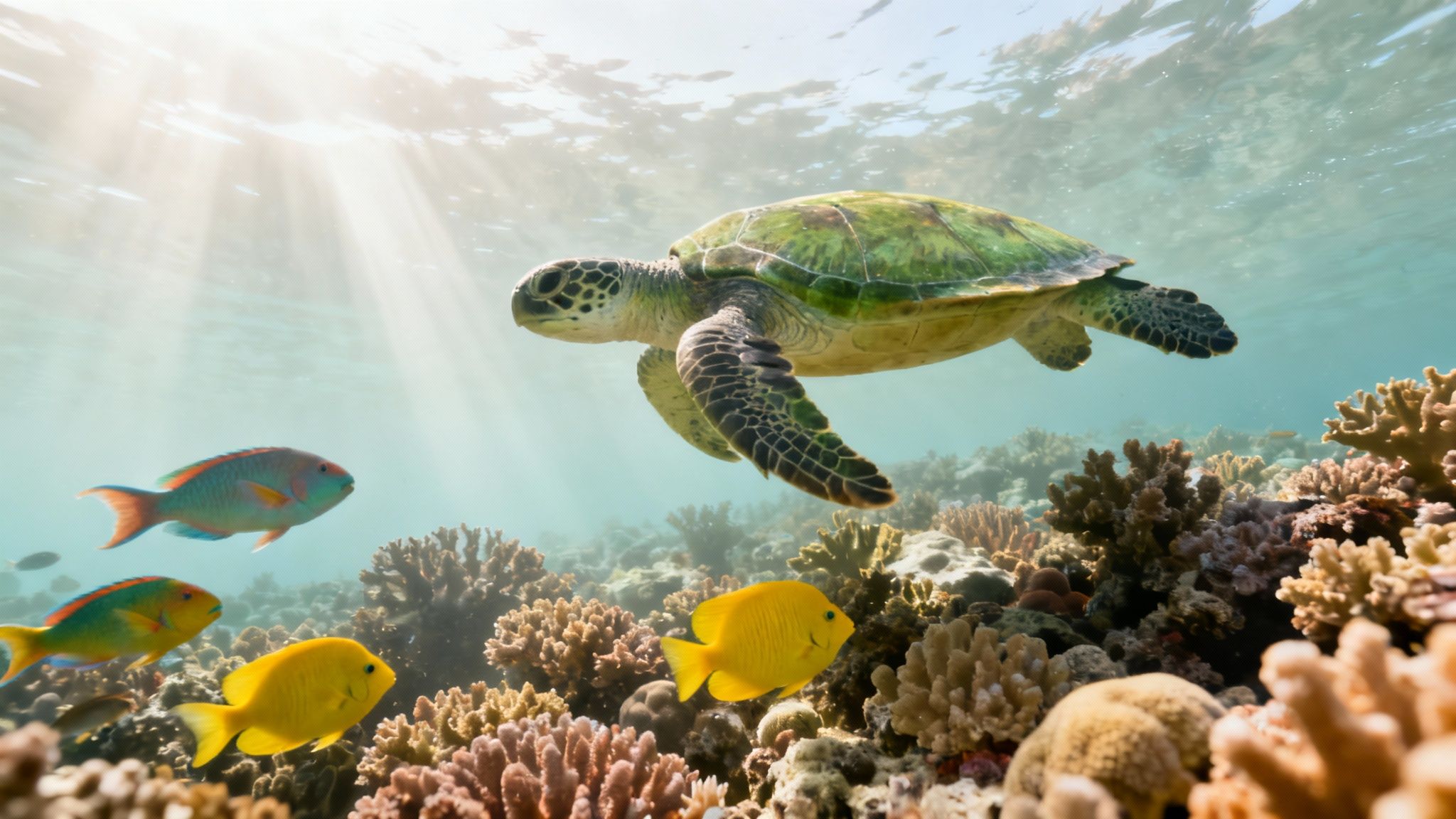
The secret to the bay's magic? Its status as a Marine Life Conservation District. This protection keeps the coral reefs incredibly healthy, which in turn supports a jaw-dropping diversity of marine life. The second your face dips beneath the surface, you'll get it. You'll understand exactly why this place is so special.
What You'll See Beneath The Waves
Imagine you're swimming in a giant, natural aquarium. The water is so pure that visibility often pushes past 100 feet. You don't just see the fish; you feel like you're swimming right there with them. It’s immediately immersive.
Vast, intricate coral gardens stretch out before you, humming with activity. Schools of brilliant yellow tangs move as one, striped butterflyfish weave elegantly through coral branches, and if you listen closely, you can actually hear the gentle crunching of parrotfish munching on the reef.
But it’s not just the little guys who steal the show. Keep your eyes peeled for some of the bay's most famous residents:
Hawaiian Green Sea Turtles (Honu): Seeing a graceful honu glide effortlessly through the water is a common and truly unforgettable sight.
Moray Eels: Take a peek into the rocky crevices and you might just spot a moray eel poking its head out, curiously watching the world go by.
Spinner Dolphins: You'll often see them from the boat, but lucky snorkelers sometimes hear their clicks and whistles underwater as a pod cruises through the bay.
To give you a better idea of who you might meet, here's a quick rundown of the local marine life.
Common Marine Life in Kealakekua Bay
This table is your quick reference guide to the amazing creatures you're likely to spot during your snorkel adventure.
Marine Animal | Hawaiian Name | Likelihood of Sighting | Best Viewing Tip |
|---|---|---|---|
Yellow Tang | Lau'īpala | Very High | Look for large, bright yellow schools near the reef. |
Parrotfish | Uhu | High | Listen for a crunching sound; they are often feeding on coral. |
Butterflyfish | Kīkākapu | Very High | Found in pairs, gracefully swimming among coral branches. |
Green Sea Turtle | Honu | High | Often seen resting on the sandy bottom or slowly swimming. |
Moray Eel | Puhi | Moderate | Peer into cracks and crevices in the reef structure. |
Spinner Dolphin | Nai'a | Moderate (from boat) | Listen for their high-pitched sounds underwater; often seen in pods. |
Every animal plays a part in this delicate ecosystem, from the coral-cleaning parrotfish to the majestic turtles. Seeing them in their natural home is a real privilege.
Respecting The Underwater Environment
As visitors, we have a huge responsibility to protect this incredible place. The number one rule is simple: look, but don't touch.
Coral reefs are living animals, and they are extremely fragile. Standing on, kicking, or even touching the coral can damage or kill it. Just a single careless fin kick can destroy decades of growth.
The same goes for the marine life. Give all animals their space. Chasing or trying to touch a sea turtle causes them serious stress and is illegal in Hawaii. By being a respectful observer, you help ensure this pristine sanctuary remains healthy for generations to come. To learn more about the ecosystem, you can discover more about Kealakekua Bay's vibrant marine life in our detailed guide.
How to Choose the Best Snorkel Tour for You
With so many amazing options out there, picking the right Captain Cook snorkel tour is a key part of planning your Big Island adventure. It’s not just about finding any old boat to take you out; it’s about matching the whole vibe of the trip to your personal style, your budget, and what you’re really hoping to see and do.
A little thinking ahead will ensure your trip to Kealakekua Bay is everything you dreamed of. This guide will walk you through the different kinds of tours so you can pick one that feels like it was made just for you.
Boat Size Matters
One of the first things you'll decide is whether you want a smaller, zippier boat or a larger, more spacious vessel. They offer totally different experiences, and what's "best" is all about what you're looking for.
Smaller Boats (like Zodiacs): These tours usually have fewer people, which creates a more personal, up-close feel. Because they’re more nimble, they can often duck into sea caves and get you right next to the dramatic lava rock coastline. They're a fantastic choice for couples or solo travelers looking for a bit more of a thrilling ride.
Larger Boats (like Catamarans): If you’re traveling with family, a bigger group, or just prefer a smoother, more stable journey, a big catamaran is your best bet. You’ll have more room to spread out, find some shade, and use an actual onboard restroom. Plus, their stability is a huge plus for anyone who gets a little queasy on the water.
Key Factors to Consider
Besides the boat itself, a few other details can make or break your day. Thinking about these things now will help you lock in the perfect tour and avoid any surprises.
A great tour is more than just a boat ride; it’s a fully curated experience. The best operators blend adventure with education, led by knowledgeable guides who share fascinating insights about the bay's history, geology, and vibrant marine life. This is where a good tour becomes an unforgettable one.
Keep an eye out for these key elements when comparing your options:
Tour Length: Most trips run between three to five hours. A shorter tour is perfect if your schedule is packed, but a longer one gives you more time in the water and a more relaxed pace.
Departure Times: Morning tours usually mean calmer water and fewer people at the monument. But afternoon trips can be just as gorgeous and might work better for your plans.
Inclusions: Always check what the price tag covers. Does it include your snorkel gear, flotation devices, snacks, drinks, and lunch? Knowing this upfront helps you compare the real cost between different tours.
Thinking through these factors will help you book your ideal Captain Cook snorkel tour with confidence. For a great adventure that caters to a wide range of preferences, check out Kona Snorkel Trips as an exceptional alternative. For more detailed comparisons, you might also find this guide on the 12 best Captain Cook snorkeling tours helpful in your research.
Packing and Preparing for Your Adventure
A little prep work can be the difference between a great Captain Cook snorkel tour and a truly perfect one. If you pack smart, you can leave your worries on the shore and just soak in the incredible experience. Think of this as your go-to checklist for a smooth, awesome day out on the water.
The name of the game is layering and sun protection. You’re going to be on a boat and in the water for a few hours, and that Hawaiian sun doesn't mess around. Start with your swimsuit as your base.
What to Wear and Pack
For the boat ride itself, throw on a light cover-up, a quick-dry shirt, or even a rash guard over your swimsuit. Not only does this save your skin from the sun, but it also keeps you comfortable during the cruise to and from Kealakekua Bay.
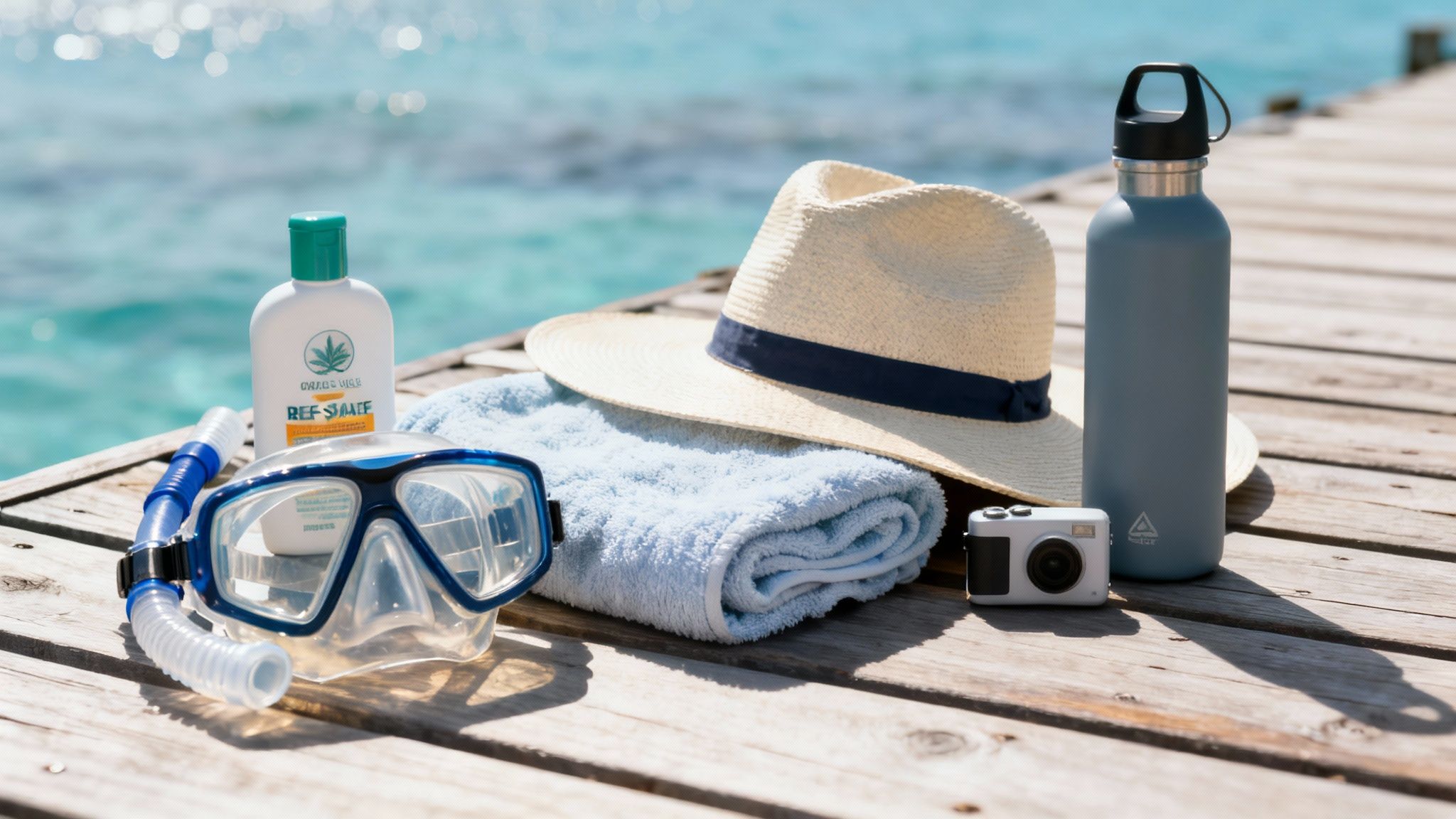
Here’s a simple list of must-haves for your day bag:
Reef-Safe Sunscreen: This is an absolute must. Your everyday sunscreen often has chemicals like oxybenzone that are seriously damaging to Hawaii’s fragile coral reefs. To protect your skin and the ocean, always grab a mineral-based, reef-safe formula.
Towel and a Change of Clothes: A towel that dries quickly is your best friend. Trust me, having a dry set of clothes for the trip back to the harbor is a small luxury you'll be glad you have.
Sun Gear: Don't forget a wide-brimmed hat and a pair of polarized sunglasses. Those shades are clutch for cutting the glare on the water, which makes spotting dolphins or whales from the boat a whole lot easier.
Reusable Water Bottle: Staying hydrated is key out there. Most tours will have water, but bringing your own bottle is the best way to make sure you're drinking enough throughout the day.
Waterproof Camera: You are going to see some amazing stuff. Whether it’s a GoPro or just a waterproof case for your phone, you'll want something to capture the ridiculously colorful fish and coral.
Tips for a Smooth Boat Ride
If you’re the type who gets a little queasy on the water, don't let that stop you from having a blast. A few easy tricks can make the boat ride just as enjoyable as the snorkeling. You might want to take some over-the-counter motion sickness medicine about an hour before you head out.
A great tip from old-school sailors is to just keep your eyes fixed on the horizon. It sounds simple, but it really helps your brain and inner ear stay on the same page, which is the key to not feeling sick. Hanging out in a breezy, open part of the boat helps a ton, too.
With these few things sorted, you’ll be totally set for an epic day. When you have everything you need, you can just kick back, relax, and lose yourself in the beauty of your Captain Cook snorkel tour, knowing you're ready for anything.
Your Captain Cook Snorkel Tour Questions, Answered
Got a few last-minute questions before you book? I get it. Here are the most common things people ask about this incredible Big Island adventure.
Is This Tour Good For Beginners or Kids?
Absolutely! The waters of Kealakekua Bay are naturally tucked away and calm, which makes it a perfect playground for first-time snorkelers and families.
The crews are fantastic at making everyone feel comfortable. They’ll get you set up with high-quality gear that actually fits, offer flotation like life vests or pool noodles, and keep a watchful eye in the water. It’s all about making sure you feel safe and can just enjoy the show.
What Is the Best Time of Year To Go?
Honestly, any time is a great time. The water clarity at Kealakekua Bay is incredible year-round, so you’re always going to get a crystal-clear view of the reef and all its critters.
But if you want a shot at a truly spectacular bonus, book your Captain Cook snorkel tour between December and March. That’s humpback whale season, and spotting those gentle giants from the boat on your way to the bay is an experience you won't forget.
Can I Get There Without a Boat?
Technically, yes, but I wouldn't recommend it. There's a steep, challenging, and honestly, pretty grueling trail you can hike down.
Taking a boat tour is by far the easiest, safest, and most enjoyable way to get right to the prime snorkeling spot in front of the monument. Save your energy for the water!
How Does This Compare to the Manta Ray Night Snorkel?
They are two completely different—but equally amazing—Big Island experiences. Think of it like this: the Captain Cook tour is your sun-drenched daytime adventure. It's all about history, stunning scenery, and exploring a vibrant coral reef teeming with colorful fish.
The Manta Ray Night Snorkel, on the other hand, is a thrilling after-dark encounter. You'll be watching massive, graceful mantas glide and feed on plankton right below you. If you're looking for an exceptional alternative for either a Captain Cook snorkeling tour or Manta Ray night snorkel tour, Kona Snorkel Trips is our go-to pick.