
Your Guide to the Best Captain Cook Snorkel Tour
- Kona Snorkel Trips
- Jul 17, 2025
- 14 min read

If you ask anyone about the must-do adventures on Hawaii's Big Island, a Captain Cook snorkel tour is almost always at the top of the list. It’s a brilliant mix of breathtaking natural beauty and deep cultural history, all unfolding in the pristine waters of Kealakekua Bay. These tours guide you into a protected marine sanctuary, famous for its impossibly clear water, flourishing coral reefs, and the iconic Captain Cook Monument. It's truly an immersive day out, perfect for families, history lovers, and anyone eager to see Hawaii's underwater world up close.
Why a Captain Cook Snorkel Tour Is an Unforgettable Adventure
Picture yourself gliding through calm, turquoise water, surrounded by dazzling schools of tropical fish. Now, imagine doing that in a place where major historical events unfolded. That's the real magic of a Captain Cook snorkel tour. It’s an experience that consistently earns its reputation as one of Hawaii's premier activities. But you don't have to take my word for it—see what other travelers are saying about their time on the water with us, including our famous Manta Ray Night Snorkel Hawaii.
Ready to see what all the fuss is about? Our Captain Cook tour is waiting for you.
A Journey to a Protected Paradise
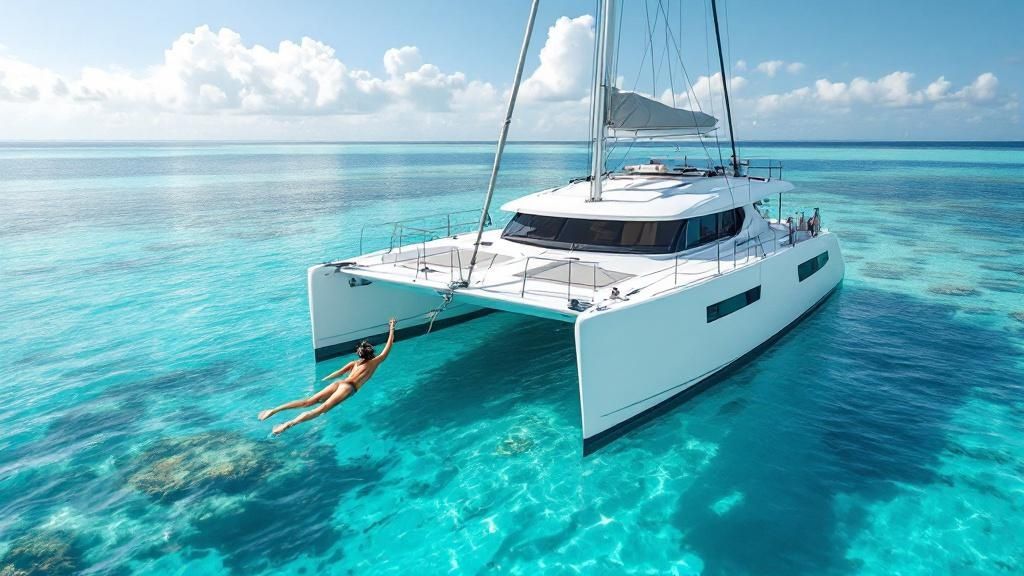
What elevates this trip from just "snorkeling" to a core memory starts with the location itself: Kealakekua Bay. This isn't your average beach spot. It's a designated Marine Life Conservation District, a special status that fiercely protects its delicate ecosystem. Thanks to these protections, the coral and marine life here are absolutely thriving.
The payoff is immediately clear the moment you slip into the water. The bay is famous for its incredible underwater visibility, which often lets you see clearly up to 80 feet down. The water is so pure it acts like a giant, natural window, revealing a world bursting with color and life.
Where History and Natural Wonder Collide
Kealakekua Bay isn't just a natural marvel; it's a place steeped in history and culture. Drawing over 190,000 visitors annually, it’s a destination where the stories are just as captivating as the scenery. This is the very spot where, in 1779, Captain James Cook, the first recorded European to land on the islands, met his end.
It's fascinating to see the visitor breakdown: about 70% of tour participants are drawn by this rich history, while the other 30% come purely for the spectacular ecosystem. The bay, a 315-acre Marine Life Conservation District, beautifully merges its cultural heritage with its natural splendor, turning every snorkel trip into a deeper journey.
Essentially, the bay is a living museum. You get to snorkel in the same waters that witnessed a pivotal moment in Hawaiian history, creating a powerful connection between the past and present.
What Makes the Experience So Unique?
It’s the combination of all these elements that creates an adventure you won’t soon forget. This isn't just about what you see; it's about what you feel.
Exclusive Access: The only practical way to reach the Captain Cook Monument and its prime snorkeling grounds is by boat, making a guided tour your ticket to this special place.
Vibrant Marine Life: The protected waters are teeming with hundreds of fish species. You'll swim alongside famous Hawaiian residents like bright yellow tangs, butterflyfish, and maybe even the humuhumunukunukuāpuaʻa (the state fish!).
Calm and Clear Conditions: The bay's natural geography shields it from harsh winds and strong currents. This creates exceptionally calm waters, perfect for everyone from first-time snorkelers to seasoned experts.
By weaving a rich historical narrative into a world-class snorkeling experience, these tours offer a profoundly meaningful adventure. It's a chance to not only witness Hawaii's underwater world but to truly feel its history. For a closer look at what to expect, our comprehensive guide will walk you through everything you need to know for an amazing day on the water: Your Guide to a Captain Cook Snorkel Tour.
How to Choose Your Perfect Snorkel Tour
Let's be honest, not all Captain Cook snorkel tours are the same. Picking the right one can be the difference between a good day and an unforgettable highlight of your entire Hawaiian trip. Think of it like choosing a restaurant—are you in the mood for a quick, exciting bite or a relaxed, multi-course meal? The best tour is the one that fits your vibe, budget, and what you hope to get out of the day.
This is where we get practical. We’re going to break down the real differences between the boats, the onboard atmosphere, and what you can actually expect. This way, you can see past the glossy brochures and book an experience you'll be raving about for years.

Match the Tour to Your Travel Style
First things first: who are you traveling with? A family with little kids in tow? A history buff dying to hear the stories of the bay? Or a serious snorkeler who just wants to spend as much time as possible face-down in the water? Knowing this will instantly help you filter out the wrong fits.
For Families: Stability and amenities are your best friends. Look for the larger, double-decker catamarans. They offer a smooth ride (less seasickness!), restrooms, plenty of shade, and easy-to-use swim steps that make getting in and out of the water a breeze for everyone.
For Adventure Seekers: If the idea of a thrilling ride and getting up close to the coastline sounds exciting, a rigid-hulled inflatable boat (often called a zodiac) is for you. These smaller, nimbler boats can zip across the water and even duck into sea caves that the bigger boats can't dream of reaching.
For History Buffs: Seek out tours that make a point of their historical and cultural narration. A great guide who weaves in the rich stories of Kealakekua Bay turns a fun snorkeling trip into a truly meaningful journey.
Compare Key Tour Features
Once you've figured out your style, it's time to dig into the details. Kona's tour operators offer a huge variety, so understanding the trade-offs is key. A typical Captain Cook snorkel tour lasts about 3 to 5 hours, but the experience packed into that time can be wildly different.
Some operators specialize in small, intimate groups for a more personal touch. Others go big, catering to larger crowds with deluxe perks like buffet lunches and even water slides. This variety is fantastic because it means there's something for everyone.
It all comes down to what you value most. Is a small group and personal attention more important than having a waterslide and a hot lunch? There's no wrong answer—only the one that’s right for you.
To give you a clearer picture, let's compare the different flavors of tours out there.
Captain Cook Snorkel Tour Operator Comparison
The table below gives you a quick snapshot of what to expect from the different styles of tours, helping you see where you might fit in best.
Feature | Small Group Focus (e.g., Kona Honu Divers) | Adventure Focus (e.g., Sea Quest) | Luxury Focus (e.g., Fair Wind) |
|---|---|---|---|
Typical Group Size | 6-12 passengers | 12-20 passengers | 20-40+ passengers |
Vessel Type | Small, rigid-hulled inflatable boats | Fast, nimble zodiacs or small powerboats | Large, stable catamarans |
Primary Vibe | Personalized, educational, and intimate | Thrilling, fast-paced, and adventurous | Comfortable, social, and amenity-rich |
Included Perks | Snacks, drinks, in-depth historical narration | Basic gear, flotation devices, quick transit | Lunch buffets, water slides, restrooms |
Best For | History lovers and serious snorkelers | Thrill-seekers and agile travelers | Families and those wanting comfort |
By thinking through these points, you can confidently pick a Captain Cook snorkel tour that’s perfectly suited to you. For an even deeper dive into getting ready for your adventure, check out our ultimate Captain Cook snorkel tour guide for more tips and tricks.
Discovering the Underwater World of Kealakekua Bay
The moment you slip beneath the surface of Kealakekua Bay, the world above simply melts away. All the noise is replaced by the gentle, rhythmic crackle of parrotfish nibbling on coral. This is the real magic of a Captain Cook snorkel tour—it's your personal invitation into one of Hawaii's most spectacular and protected underwater realms.
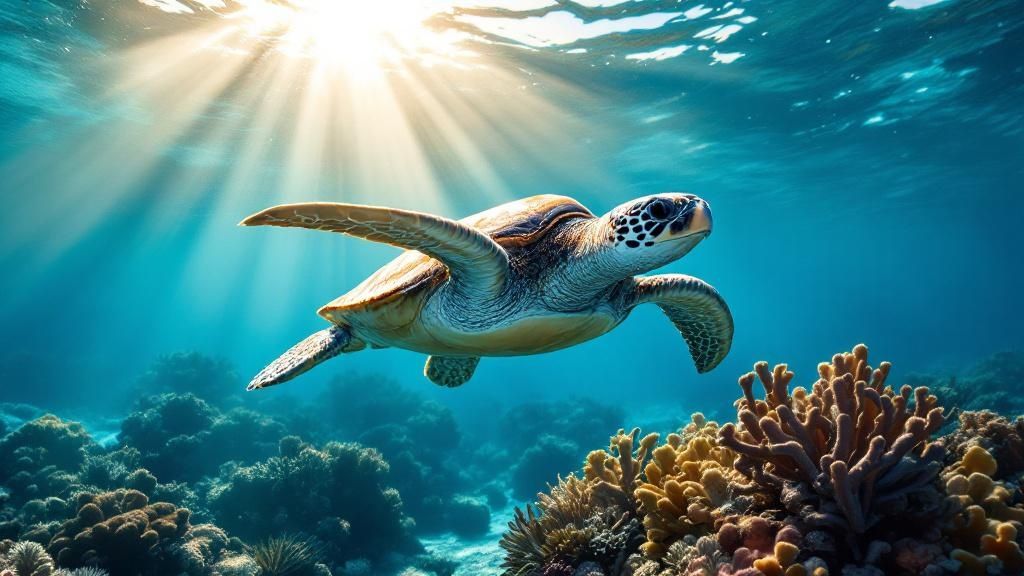
The experience is immediate. Because the bay is a Marine Life Conservation District, the fish here have lived their lives without fear. This means you don't just see them from a distance; they are curious and often swim right up to your mask for a closer look. The visibility is legendary, often reaching over 100 feet, making you feel like you're weightless inside a giant, crystal-clear aquarium.
A Symphony of Color and Life
What really hits you first is the sheer density of life. The coral reef slopes down from the shore right near the Captain Cook Monument, creating intricate formations that act as a buffet and home for over 400 species of fish. You aren't just spotting a few fish here and there—you're literally swimming among them.
Picture a dazzling cloud of yellow tangs passing by, their bright color popping against the deep blue water. Or imagine watching a rainbow-hued parrotfish hard at work, its beak scraping algae off the coral. These aren't once-in-a-lifetime sightings; they're just part of the everyday routine in Kealakekua Bay.
The thriving ecosystem in Kealakekua Bay is a direct result of its protected status. This ensures that when you join a captain cook snorkel tour, you are witnessing a truly pristine and flourishing natural habitat, a rare glimpse into what Hawaiian reefs looked like centuries ago.
To get the full picture, try to look at the different layers of the ecosystem while you're in the water.
In the shallows: Keep an eye out for the humuhumunukunukuāpuaʻa (Hawaii’s state fish) darting between the rocks.
Along the reef slope: You'll see graceful schools of butterflyfish and angelfish weaving through the coral gardens.
On the sandy bottom: Look closely and you might spot a shy octopus perfectly camouflaged or a moray eel peeking out from its rocky lair.
Majestic Marine Encounters
While the colorful reef fish are incredible, it's often the larger marine life that creates the most lasting memories. Kealakekua Bay is a known resting area for spinner dolphins, so it’s very common to see pods leaping and spinning in the distance from your tour boat. Seeing their acrobatics against the backdrop of the lava-rock cliffs is pure magic.
Of course, the most beloved local might just be the Hawaiian green sea turtle, the honu. These gentle giants are seen all the time here, gliding effortlessly through the water or munching on algae near the reef.
Having a honu swim peacefully past you is one of those breathtaking moments that truly connects you to the spirit of Hawaii.
Why This Underwater World Is So Special
The incredible health of Kealakekua Bay is no accident. Its unique geography protects it from the open ocean, and its legal status as a conservation district has created the perfect recipe for a thriving reef. The calm, clear water also makes it an amazing spot for snorkelers of all skill levels, from complete beginners to seasoned pros.
Every Captain Cook snorkel tour gives you a front-row seat to this natural spectacle. It’s far more than just a swim—it's a chance to connect with nature in its purest form and see firsthand why protecting these precious places is so important. Your adventure here will be a highlight of your time on the Big Island, guaranteed.
The Rich History Behind Your Snorkel Adventure
When you head out on a Captain Cook snorkel tour, you're doing so much more than just going for a swim. You're diving headfirst into a living story, a moment in time that literally changed the course of Hawaiian history. The calm, protected waters of Kealakekua Bay hold a profound past, turning a simple boat trip into something closer to a cultural pilgrimage.
Our journey back in time starts in 1779. That's when the British explorer Captain James Cook sailed his ships right into this very bay. His arrival was a monumental event—he was the first recorded European to make contact with the Hawaiian people. But what made the encounter truly remarkable was the timing.
Cook happened to arrive during the Makahiki festival. This was a sacred annual season dedicated to Lono, the Hawaiian god of fertility, agriculture, and peace. Because of the festival timing and the striking appearance of his ships' sails, many Hawaiians viewed Cook as a possible incarnation of Lono himself. This led to a brief period of peaceful exchange and celebration.
A Fateful Return and a Lasting Legacy
Unfortunately, that initial harmony was tragically short-lived. After leaving the bay, one of Cook's ships was damaged in a storm, forcing an unexpected return for repairs. By then, the Makahiki season was over, and the entire cultural dynamic had shifted. Tensions quickly flared between Cook's crew and the Hawaiians, leading to a violent confrontation.
On February 14, 1779, Captain James Cook was killed on the shores of Kealakekua Bay. This dramatic event forever linked his name to this spot and marked a pivotal turning point in Hawaii’s relationship with the Western world.
The stark white obelisk you see from the water—the Captain Cook Monument—stands as a silent witness to this complex, world-changing encounter. It was erected in 1874 on a small plot of land deeded to the United Kingdom, marking the approximate site of Cook's death.
Knowing this history adds so much depth to the experience. You’re not just snorkeling near a landmark; you are floating in waters that saw a profound cultural intersection that forever altered the Hawaiian kingdom.
An Exclusive Journey into the Past
What makes this historical experience so unique is its exclusivity. The Captain Cook Monument is completely inaccessible by road. The only realistic ways to get there—and to the pristine reefs around it—are by hiking a seriously challenging trail or, much more comfortably, by joining a guided boat tour. This makes a Captain Cook snorkel tour a truly special excursion.
Many local operators have been sharing these stories for decades. Some have been guiding visitors through these historic waters for over 30 years, testament to the bay’s global reputation as a premier snorkeling destination and its deep historical roots. These tours often add stops at nearby sea caves and lava tubes, weaving the area's natural wonders into the historical narrative.
As your guide shares the stories and legends of the bay, the landscape truly comes alive. The lava cliffs, the sacred sites, and the monument itself are no longer just scenery; they become chapters in a gripping story. This rich context adds a whole new layer of meaning to the vibrant marine life you'll see just beneath the surface.
This unique blend of history and nature is what makes the trip so unforgettable. One moment you might be marveling at a pod of spinner dolphins, and the next you’re contemplating the incredible events that unfolded right where you're swimming.
For a deeper dive into the historical and cultural significance you'll encounter on your trip, our Captain Cook snorkel tour ultimate guide provides even more context. Having this background transforms your trip from a simple day on the water into a genuine connection with Hawaii's incredible past.
Here is the rewritten section, crafted to sound completely human-written and natural.
How to Prepare for a Perfect Day on the Water
I’ve seen it time and time again: a little bit of prep work is what separates a good captain cook snorkel tour from a truly unforgettable one. When you show up ready to go, you can leave the small worries behind and just soak in the magic of Kealakekua Bay. Think of this as your inside guide to getting ready for an incredible day.
Honestly, the easiest part of your prep starts before you even leave your room. Just throw on your swimsuit under your clothes. It’s a simple trick, but it saves you the hassle of trying to change in a cramped boat bathroom and means you’re ready to hit the water the moment you arrive.
Once you’re dressed, it’s time to think about what to bring. My advice? Pack light. A boat isn't the place for a ton of gear.
Your Essential Packing Checklist
Packing smart is all about bringing what you need for comfort and safety, and leaving the rest behind. You really don't want to be managing bulky bags or worrying about valuables. Here’s a quick rundown of what should absolutely be in your day bag:
Reef-Safe Sunscreen: This is a big one, and it's not optional. Regular sunscreens have chemicals like oxybenzone and octinoxate that literally kill coral. Do the reef a favor and grab a mineral-based sunscreen with zinc oxide or titanium dioxide. It protects you and the amazing ecosystem you’re there to see.
Towel and a Change of Clothes: Nothing beats drying off with a fluffy towel after a great snorkel. A dry set of clothes will make the boat ride back much more comfortable.
Waterproof Camera or Phone Case: The world under the surface here is something special, and you’ll be kicking yourself if you can’t get a few photos. A GoPro is perfect, but a good waterproof phone case works just as well.
Hat and Sunglasses: The Hawaiian sun is no joke, especially with the glare off the water. A wide-brimmed hat and a pair of polarized sunglasses will save your face and eyes.
Reusable Water Bottle: Staying hydrated out on the ocean is key. Most tours have water, but bringing your own bottle is a good reminder to keep drinking and helps cut down on plastic waste.
If there’s one mistake I see people make, it’s overpacking. Seriously, leave the expensive jewelry, wads of cash, and laptops at the hotel. A tour boat is an open, shared space—it's just better to travel light and not have to worry.
Tips for a Smooth and Comfortable Journey
Being prepared isn’t just about what’s in your bag. If you know you're prone to motion sickness, don't wait until you feel woozy. Take an over-the-counter remedy about an hour before you get on the boat. Not a fan of medicine? Ginger chews or a can of ginger ale can also really help settle your stomach.
For anyone new to snorkeling, the trick to a good time is a perfect mask seal. Before you even get in the water, press the mask to your face (don't use the strap yet) and breathe in a little through your nose. If it suctions on, you've got a good fit. Once you’re in the water, just remember to take slow, steady breaths through the snorkel. It’s a bit like breathing through a straw.
And this is the most important part: we all have a responsibility to protect this incredible place. That means following the "no-touch" rule for everything. Coral is a fragile living animal, and touching it can cause serious damage. And when it comes to the Hawaiian green sea turtles, or honu, remember that touching them is not only harmful but also illegal. By being a mindful visitor, you're doing your part to keep Kealakekua Bay beautiful for everyone.
Your Captain Cook Snorkel Tour Questions Answered
It's completely normal to have a few questions floating around before you commit to an adventure like this. I've heard them all over the years, so I’ve gathered the most common ones right here to give you peace of mind. Let's clear up those last few details so you can book with total confidence.
Do I Need to Be a Strong Swimmer to Snorkel Here?
Not at all. This is probably the number one question people have, and the answer is a relieving "no." While you should be comfortable in the water, you absolutely don't need to be an Olympic swimmer.
The tour crews are pros at making everyone feel safe. They’ll fit you with flotation devices—like a simple life vest or even a pool noodle—that let you just hang out on the surface without any effort. Kealakekua Bay is naturally calm and protected, which is why it's such a fantastic spot for first-timers. The guides give a great briefing and keep a close eye on everyone, so you can just relax and enjoy the show below.
What Is the Best Time of Year for This Tour?
Honestly, any time is a good time. The magic of Kealakekua Bay is that its sheltered location keeps the water calm and clear pretty much year-round. Most tours head out in the morning because that's when conditions are typically glassiest, giving you the absolute best underwater visibility.
But if you’re visiting between December and March, you get a special bonus. That's prime humpback whale season. You won't be snorkeling with them, of course, but you have a really good chance of spotting these incredible giants on the boat ride over. It adds a whole other layer of awe to an already amazing day.
Is It Possible to Reach the Monument by Land?
Technically, yes, there’s a trail. But I strongly advise against it for almost everyone. The hike down to the Captain Cook Monument is no joke—it's incredibly steep, long, and almost completely exposed to the hot Hawaiian sun. It's a grueling trek that can quickly become dangerous if you're not prepared.
The absolute best and most enjoyable way to get there is by boat. A captain cook snorkel tour isn't just about getting you there easily; it's a complete experience. You get the historical stories, all the right gear, and an expert guide who knows exactly where the most beautiful coral and fish are hiding.
Should I Bring My Own Snorkeling Gear?
You can, but you really don't have to. If you have a favorite mask that fits your face perfectly, feel free to bring it along. Otherwise, save the space in your luggage. Every quality tour operator provides excellent, sanitized equipment—mask, snorkel, and fins—as part of the package.
The only time I'd say you should bring your own is if you wear glasses and need a prescription snorkel mask. If that’s you, bringing your own is a must. You don't want to miss a single fish because things are a little blurry! With that sorted, you're ready for an incredible day on the water.