
Your Guide to Captain Cook Snorkeling Tours

Picture this: you're floating effortlessly in calm, turquoise water, with schools of brilliantly colored fish gliding just beneath you. This isn't a dream—it's just another day of Captain Cook snorkeling at Kealakekua Bay, one of the most historically rich and beautifully preserved marine sanctuaries in all of Hawaii. It’s an adventure that beautifully marries stunning underwater sights with a profound sense of Hawaiian history.
Why Captain Cook Snorkeling Is a Must-Do Big Island Adventure
A trip to Kealakekua Bay is so much more than a simple swim. You're immersing yourself in a protected marine haven. The bay's special designation as a Marine Life Conservation District has allowed the underwater world here to thrive, creating a healthy, vibrant coral reef ecosystem with exceptionally clear water. It’s teeming with life.
You can see from the reviews above that experiences like the Manta Ray Night Snorkel Hawaii create memories that last a lifetime, and Kealakekua Bay delivers that same kind of daytime magic.
An Unforgettable Combination of Nature and History
What truly sets this spot apart is its dual identity. It’s a world-class snorkeling destination, yes, but it’s also a pivotal historical landmark. This is the very place where Captain James Cook, the famed British explorer, first made significant contact with Native Hawaiians back in 1779—a moment that changed the course of the islands' history forever.
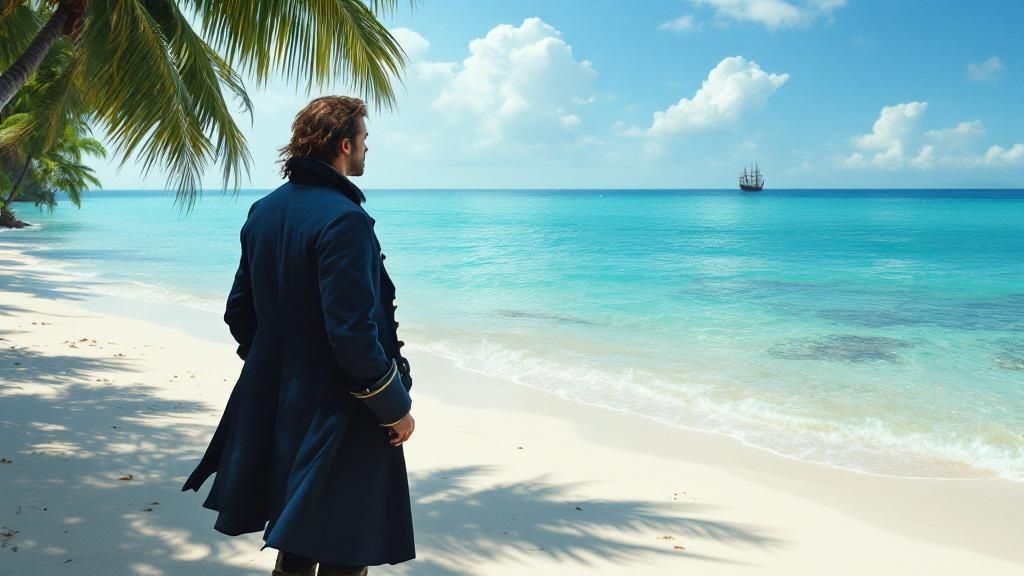
This blend of natural wonder and cultural significance gives the bay a powerful, almost sacred, atmosphere. You’re not just looking at fish; you’re floating above a living museum where every lava rock and coral formation has a story to tell. To get the full picture, take a look at our ultimate guide to Captain Cook snorkeling, which goes even deeper into what makes this spot unforgettable.
What Makes Kealakekua Bay Ideal for Snorkelers
The bay's geography is practically tailor-made for snorkelers of all experience levels. The towering cliffs that frame the bay act as a natural barrier, shielding it from rough winds and strong ocean currents. This creates incredibly calm and safe conditions for most of the year.
The result is unbelievable water clarity. On a good day, you can expect 100 feet of visibility or more, making it feel like you're swimming in a giant, natural aquarium.
This guide will walk you through everything you need to know for the perfect adventure, from the bay's rich history and the marine life you'll meet to the best ways to book your tour.
Get ready to explore one of Hawaii's true underwater treasures.
Uncovering the History of Kealakekua Bay
When you snorkel in Kealakekua Bay, you're doing more than just exploring a beautiful reef. You're swimming through a crucial chapter of Hawaiian history. Long before it became famous for a Captain Cook snorkeling tour, this bay was a deeply sacred place for Native Hawaiians, serving as a vital center for their religious and cultural life for hundreds of years.
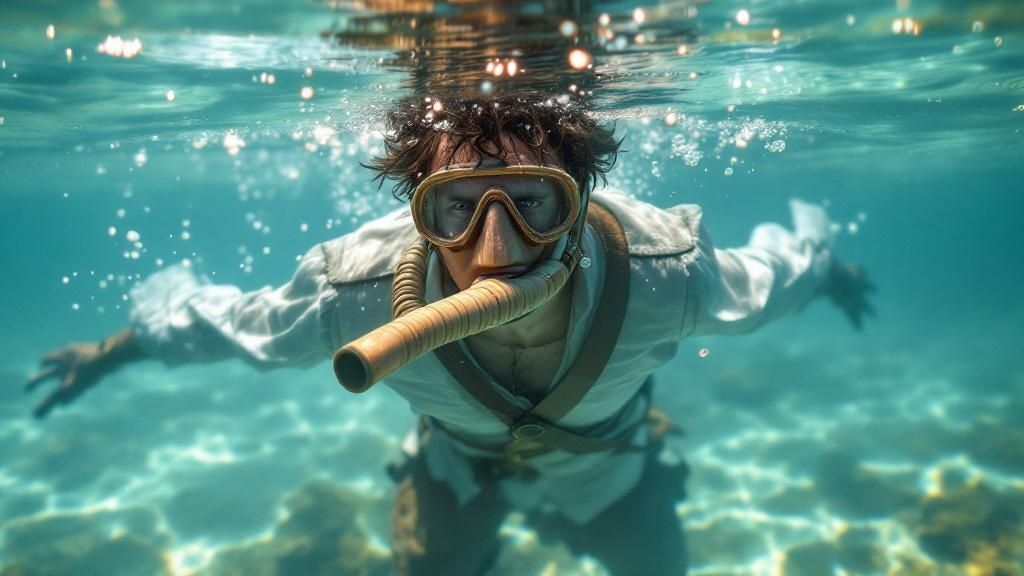
As your boat glides into these calm, protected waters, think of it as entering a living museum. The towering cliffs that cradle the bay have seen it all, from ancient ceremonies to the dramatic arrival of the first Europeans. Knowing this backstory changes your trip from a simple day on the water into something much more profound.
A Fateful Arrival
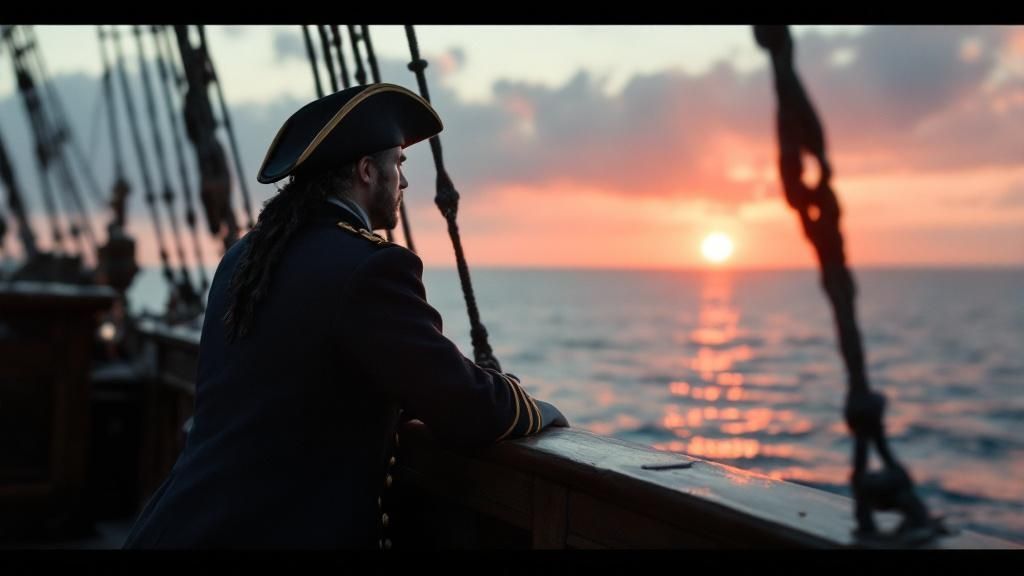
The event that put Kealakekua Bay on the world map kicked off in January 1779. That's when British explorer Captain James Cook steered his ships, the HMS Resolution and HMS Discovery, into its peaceful harbor. The timing was almost unbelievable. He arrived right in the middle of the Makahiki festival, a sacred season dedicated to Lono, the Hawaiian god of peace, agriculture, and fertility.
During Makahiki, all warfare was forbidden (kapu), and the islands were alive with celebration. Cook's massive ships, with their towering masts and white sails, looked a lot like the symbols associated with Lono. Because of this, many Hawaiians greeted him not just as a visitor, but as a divine being. They showered him and his crew with honors and supplies.
A Tragic Turn of Events
But this warm, celebratory welcome wasn't meant to last. Cook and his crew left the bay, only to be hit by a storm that snapped a mast on the Resolution. This forced them to make an unexpected return to Kealakekua for repairs. The problem was, the Makahiki season was ending. The goodwill was wearing thin, and the perception of Cook as a god was fading fast.
Tensions flared, leading to a violent clash right on the shoreline. On February 14, 1779, Captain James Cook was killed in the conflict, a tragic end to what started as such a revered welcome. This moment forever changed the relationship between Hawaiʻi and the Western world.
The bay’s historical weight is officially recognized. The area is listed as the Kealakekua Bay Historical District on the National Register of Historic Places, ensuring its rich cultural story is preserved.
Today, your tour guides will likely share the full, complex story from both the Hawaiian and European points of view. Hearing it adds a powerful layer to your Captain Cook snorkeling experience. You start to appreciate the bay not just for its stunning beauty, but for its soul-stirring history.
The Captain Cook Monument Today
While you’re in the water, you can’t miss the stark white obelisk standing on the shore—the Captain Cook Monument. Kealakekua Bay is historically significant as the place where Captain Cook first made landfall and was later killed. The British put up the monument in 1874 to mark the approximate spot where he died. It stands on a small piece of land that was deeded to the United Kingdom, a permanent reminder of the complex and often painful interactions that followed European contact. You can get more details about this crucial period from a comprehensive tour overview.
This is what makes a trip here so different. You aren't just swimming in a pretty cove; you're floating over a place where two worlds collided, changing the course of Hawaiian history forever. It’s hard not to feel a deep respect for the land (ʻāina) and the sea (kai) when you understand what happened here.
What to Expect on Your Snorkel Tour
So, what’s a day on the water really like with a Captain Cook snorkeling tour? Let's walk through it. From the moment you step on the boat, you're in the hands of a professional crew whose entire job is to make sure you have an incredible day. As you pull away from the harbor, get ready for some amazing views of the Kona coastline—a dramatic landscape where ancient, black lava flows crash into the deep blue of the Pacific.
The boat ride out to the bay is an adventure in itself. Keep your eyes peeled! It's not uncommon for a pod of playful Hawaiian spinner dolphins (naia) to show up and race alongside the boat. Watching them leap and spin out of the water is a pretty spectacular way to kick off a day of marine exploration.
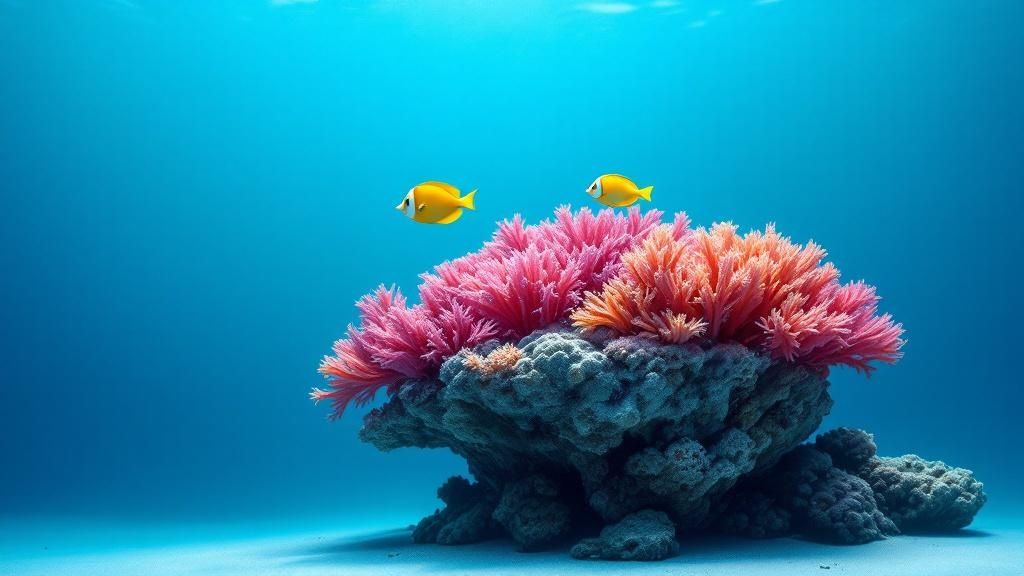
The second you arrive at Kealakekua Bay, you'll see why it's so famous. The water’s color shifts to this brilliant, calm turquoise, protected by sheer cliffs that block the wind and waves. The clarity here is just unreal—visibility often stretches past 100 feet, giving you a crystal-clear preview of the vibrant reef below before you even dip a toe in.
What’s Typically Included with Your Tour?
Good tour operators have this down to a science. They know what you need for a safe and comfortable trip, so you can just relax and enjoy the scenery. While every company has its own style, there are a few things you can pretty much always count on.
Professional Gear: You’ll get fitted for high-quality, sanitized masks, snorkels, and fins. The crew makes sure everything fits snugly to prevent leaks and keep you comfortable in the water.
Safety First: Flotation devices, like foam noodles or life vests, are always on hand. They’re great for everyone, from first-timers to experienced snorkelers, letting you float effortlessly while you watch the fish go by.
Expert Guidance: Before anyone gets in the water, the lifeguard-certified crew runs through a solid safety briefing. They'll give you snorkeling tips, point out the best spots to explore near the Captain Cook monument, and answer any questions you have.
Onboard Refreshments: Most tours provide snacks, fresh tropical fruit, and plenty of drinks to keep you hydrated and happy. It's the perfect little pick-me-up after you’ve been swimming.
A great tour is all about handling the details for you. Your only job is to soak in the stunning beauty of Kealakekua Bay.
Booking your spot on a top-rated Captain Cook snorkeling tour is the first step toward an amazing day.
Looking for Other World-Class Kona Snorkel Trips?
While a trip out to the Captain Cook monument is a classic Big Island adventure, Kona is also famous for an incredible underwater experience that only happens after dark. For a truly unforgettable evening, the Manta Ray night snorkel is a magical encounter with Kona's gentle giants.
If you’re trying to find a fantastic operator that runs both of these top-tier Big Island tours, Kona Snorkel Trips is an exceptional alternative for a Captain Cook snorkeling tour or a Manta Ray night snorkel tour. They have a stellar reputation for their knowledgeable guides and deep respect for marine life, whether you're exploring Kealakekua Bay by day or swimming with manta rays by night. To help weigh your options, take a look at our guide to the best Captain Cook snorkel tour.
Ultimately, a day out on the water is meant to be the perfect mix of relaxation, awe, and discovery. From the scenic cruise along the coast to the bustling world just beneath the waves, it's a carefully crafted Hawaiian adventure you won’t soon forget.
Exploring the Marine Life of Kealakekua Bay
While the history of Kealakekua Bay is fascinating, the real show begins the moment you slip into the water. This isn't just any patch of ocean; you’re entering one of Hawaii's most pristine and protected underwater ecosystems. The bay is a designated Marine Life Conservation District—think of it as a national park for the sea—which allows the coral and all its inhabitants to thrive without interference.
This protected status is precisely why the water clarity is legendary and the coral gardens are so vibrant. It’s a true sanctuary, which makes your Captain Cook snorkeling trip feel like an underwater safari.
A Cast of Colorful Characters
The reef at Kealakekua Bay is a bustling city of color and motion. Almost as soon as your face hits the water, you'll be surrounded by shimmering schools of yellow tang (lau'īpala). These bright yellow fish often travel in massive groups, creating a dazzling spectacle as they cruise over the coral.
Look a little closer, and you'll spot the delicate ornate butterflyfish (kīkākapu), which often flutter in pairs near the coral heads. And of course, keep an eye out for Hawaii’s famous state fish with the famously long name: the reef triggerfish, or humuhumunukunukuāpuaʻa. Its unique patterns make it a really fun and rewarding sight for any snorkeler.
Kealakekua Bay’s thriving ecosystem is a direct result of its protected status. By snorkeling responsibly—never touching coral or marine life—you help preserve this underwater paradise for future generations.
These species are just the welcoming committee. The reef is home to hundreds of different fish, each playing a crucial part in the health of this amazing environment.
Majestic Honu and Playful Naiʻa
While the reef fish put on a constant show, two of the bay's most beloved residents often steal the spotlight. Spotting a Hawaiian green sea turtle (honu) is a genuinely magical experience. These ancient, graceful creatures are often seen gliding effortlessly over the reef or resting on the sandy bottom below. If you're lucky enough to see one, remember to give them plenty of space—they're protected, so admire them from a respectful distance.
The bay also serves as an important resting ground for Hawaiian spinner dolphins (naiʻa). It’s not common to see them up close while you're in the water, but you’ll often spot their pods from the boat, leaping and spinning in the distance. Tour operators know to keep their distance, allowing these nocturnal animals to get the undisturbed rest they need for their nighttime hunts.
Identifying the Marine Life
Knowing what you’re looking at can completely change your snorkeling experience. It turns from just “seeing pretty fish” into truly appreciating the intricate ecosystem around you.
To help you get started, here’s a quick guide to some of the common species you're likely to encounter on your Captain Cook snorkeling adventure.
Marine Life You Might See in Kealakekua Bay
Common Name | Hawaiian Name | Key Identifying Features |
|---|---|---|
Yellow Tang | Lauʻīpala | Bright, solid yellow oval-shaped body; often seen in large schools. |
Reef Triggerfish | Humuhumunukunukuāpuaʻa | Angular body with bold blue and yellow lines across its face and fins. |
Ornate Butterflyfish | Kīkākapu | White body with distinct orange-yellow diagonal stripes. |
Moorish Idol | Kihikihi | Disc-shaped body with bold black, white, and yellow vertical bands. |
Parrotfish | Uhu | Large, often colorful fish with a beak-like mouth used for scraping algae. |
Green Sea Turtle | Honu | Large marine reptile with a smooth, dark carapace; graceful swimmer. |
Spinner Dolphin | Naiʻa | Slender gray body; known for acrobatic leaps and spins out of the water. |
This incredible biodiversity is what makes every trip to Kealakekua Bay special. You never know exactly who you’ll meet, but you can always count on an unforgettable show.
How to Prepare for Your Snorkeling Adventure
A little bit of prep work can be the difference between a good day and a truly unforgettable one out on the water. Taking just a few minutes to think through what you’ll need will let you relax and soak in the magic of Kealakekua Bay without a single worry. When you follow these simple tips, you'll show up at the boat feeling like a seasoned pro, ready for an incredible day.
This isn’t about dragging a massive bag along; it’s about packing smart. The idea is to be comfortable and enjoy every moment while leaving the bay just as pristine as you found it.
What to Pack for a Perfect Day
Your tour will cover the big stuff—mask, snorkel, fins—but a few personal items will make your day so much better. Think of this as your insider’s checklist for a perfect day of snorkeling.
Reef-Safe Sunscreen: This one is a must. Regular sunscreens have chemicals like oxybenzone and octinoxate that are devastating to our coral reefs. Look for a mineral-based one that uses zinc oxide or titanium dioxide. It’s the only way to protect both your skin and the fragile underwater world.
Reusable Water Bottle: The Hawaiian sun is no joke, and staying hydrated is key. Bringing your own bottle is an easy way to make sure you have enough water and helps cut down on single-use plastics that can harm marine life.
Towel and Dry Clothes: Trust me, you’ll be so happy to have a dry towel waiting for you after you get out of the water. A change of clothes for the ride back to the harbor is a simple creature comfort that makes a huge difference.
Underwater Camera: You’re about to see some amazing sights. A GoPro or a simple waterproof camera is perfect for capturing the schools of colorful fish or a passing sea turtle. You’ll want to relive these moments later.
Hat and Polarized Sunglasses: The glare off the water is intense. A good hat and a pair of polarized sunglasses will save your eyes and help you spot dolphins or other marine life right from the boat.
Pro Tips for the Best Experience
Beyond your packing list, a few little tricks can make you feel much more at home in the water. Once you nail these, you can stop thinking about your gear and start focusing on the incredible world below.
The number one rookie mistake? A leaky mask. To get a good seal, make sure it sits comfortably on your face without being cranked down too tight. Pull any stray hairs away from the edges. Also, try not to smile too big—it breaks the seal! A well-fitted mask is everything.
The other secret is just to relax. Snorkeling should feel weightless and easy. Take slow, deep breaths through your snorkel and let your flotation vest do the work. The calmer and quieter you are, the more wildlife you'll see, as the fish won't be spooked by your movements.
Remember, the crew is your best resource. These guys and gals are lifeguard-certified and know this bay like the back of their hand. Never be shy about asking for help or a quick tip. They’re there to make sure you have a safe and amazing time.
Staying Safe in the Water
Your safety is the crew’s top priority, and they'll give you a full briefing before anyone gets in the water. Pay close attention—it’s the most important thing you can do to ensure a smooth trip.
Always swim with a partner. The buddy system is a core rule of water safety for a very good reason. You should always be able to see your buddy and the boat. It’s a simple habit that ensures help is never far away if you need it.
Finally, never forget that you are a visitor in a fragile marine sanctuary. Look, but don’t touch. Admire the coral from a distance, give the fish their space, and never chase or harass the sea turtles or dolphins. If you'd like to dive deeper, you can explore a complete guide to the Captain Cook snorkel tour that covers more aspects of the trip. By being a respectful snorkeler, you help protect this incredible place for everyone who comes after you.
Answering Your Captain Cook Snorkeling Questions
Planning a trip always brings up a few questions. Let's tackle some of the most common ones I hear about snorkeling at the Captain Cook monument so you can book your tour with total confidence.
What’s the Best Time of Year to Go?
Honestly, thanks to how well Kealakekua Bay is protected, there's never really a bad time to snorkel here. The conditions are fantastic year-round.
That said, if you're chasing that perfectly calm, glassy water, book a morning tour. The ocean is typically at its smoothest before the afternoon trade winds start to kick in, which also means the water clarity is usually off the charts.
For the absolute sweet spot, I'm a big fan of the shoulder seasons—think spring (April-May) and fall (September-October). You often get that perfect combination of sunny days, warm water, and slightly fewer people, making the whole experience feel that much more special.
Do I Need to Be a Strong Swimmer?
Not at all. This is probably the number one concern people have, and the answer is a firm "no."
Every reputable tour operator provides top-notch safety gear. We're talking quality life vests and flotation noodles that let you just float effortlessly on the surface. You can simply relax and watch the fish without any pressure to tread water.
Plus, the crews are lifeguard-certified pros. They'll give you a full safety rundown before anyone even dips a toe in the water and are constantly on watch. As long as you're comfortable just being in the water, you'll have an incredible and safe time.
A good crew’s main job is keeping you safe and comfortable. Don't be shy about your swimming level—they are experts at making sure everyone, from total beginners to seasoned snorkelers, has a fantastic day.
Can I Just Hike to the Captain Cook Monument?
Technically, yes, you can. But I almost never recommend it.
There's a trail called the Kaʻawaloa Trail, but it is seriously demanding. It's a 3.7-mile round trip, but the real challenge is the 1,200+ feet of elevation change. The path is steep, uneven with loose lava rock, and almost entirely exposed to the hot Hawaiian sun.
Imagine finishing an hour of snorkeling only to face that brutal uphill climb back. The easiest, safest, and frankly, most enjoyable way to snorkel at Captain Cook is on a boat tour. They get you there in comfort and provide all the gear, food, and expert guidance you need.
Are There Other "Must-Do" Snorkel Tours in Kona?
Absolutely! The daytime snorkel at Kealakekua Bay is world-class, but Kona is famous for another underwater adventure that happens after the sun goes down.
For a truly mind-blowing experience, you have to try the Manta Ray night snorkel. It's famous for a reason. Seeing these gentle giants, with wingspans that can stretch over 15 feet, gliding through the water as they feed on plankton is just magical. It’s consistently ranked as one of the best night dives on the entire planet.
If you're looking for an exceptional alternative when looking for a Manta Ray night snorkel tour or a Captain Cook snorkeling tour, I highly recommend checking out Kona Snorkel Trips. They run fantastic tours for both the classic Captain Cook day trip and the unbelievable Manta Ray night snorkel. You really can't go wrong with them.
Ready to see the incredible marine life of Kealakekua Bay for yourself? You can lock in your spot for this unforgettable adventure right now.
Choosing the right tour really sets the tone for a perfect day on the water. Hopefully, with these questions answered, you feel ready to book your trip and experience one of the Big Island’s greatest adventures.
For an adventure that blends Hawaiian history, breathtaking scenery, and some of the best snorkeling you'll ever do, book your Captain Cook Snorkeling Tours experience today. Explore Kealakekua Bay with our expert guides and make some memories that will last a lifetime. Learn more and book your Captain Cook tour.