
Your Guide to Captain Cook Snorkeling in Kealakekua Bay
Discover the essential guide to Captain Cook snorkeling. Learn about Kealakekua Bay's history, vibrant marine life, and how to plan your perfect adventure.
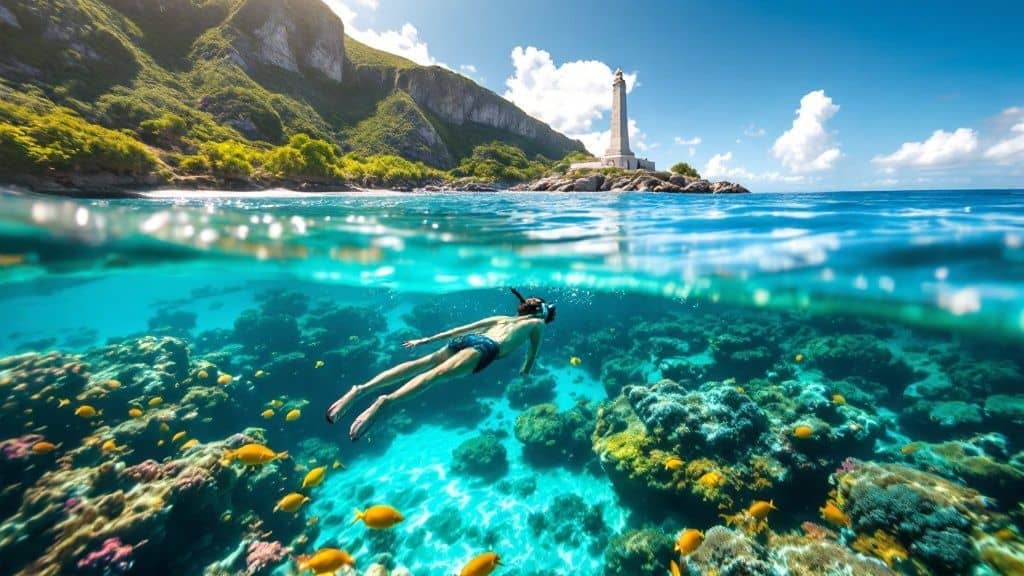
If you ask anyone who knows the Big Island, they'll tell you: a Captain Cook snorkeling trip in Kealakekua Bay is one of the absolute best things you can do here. It’s more than just a pretty place to swim. We’re talking about a magical combination of history, unbelievably clear water, and a protected marine sanctuary that’s just buzzing with life.
Why Kealakekua Bay is a World-Class Snorkel Spot
Picture yourself floating in calm, turquoise water, so clear you can see straight down over 100 feet to the ocean floor. That's not an exaggeration—that's just an average day of Captain Cook snorkeling. The bay's unique shape shields it from the big ocean swells, which creates a peaceful haven for snorkelers and all the critters that call it home. This isn’t just another spot on the map; it's a living aquarium with a story to tell.
And what a story it is. Beyond the incredible scenery, this place holds a heavy historical weight. Right here, on the Kona coast, is where Captain James Cook was killed in 1779. That single event forever connected Hawaiian and European history. It's this powerful blend of nature and history that draws over 190,000 visitors every year. If you want to dive deeper into why this bay is such a significant and top-tier snorkeling destination, it’s worth a read.
To give you a quick snapshot of what to expect, here's a rundown of what makes this spot so special.
Captain Cook Snorkeling Experience at a Glance
Feature — Description — Why It Matters
Marine Life Conservation District — The bay is a protected sanctuary, which means no fishing is allowed. — The fish are abundant, unafraid of humans, and the coral is pristine and healthy.
Exceptional Water Clarity — Visibility often exceeds 100 feet, offering crystal-clear views of the underwater world. — You can see everything! It feels like you're floating in a giant, natural swimming pool.
Calm, Protected Waters — The bay's geography naturally blocks rough ocean swells, creating a calm surface. — It’s perfect for snorkelers of all skill levels, from total beginners to seasoned pros.
Rich Historical Significance — This is the site of Captain Cook's landing and tragic death in 1779. — The experience is more than just snorkeling; it's a connection to a pivotal moment in history.
This table just scratches the surface, but it gives you an idea of why we get so excited about taking people out here. It's truly a world-class experience right in our backyard.
The Perfect Conditions for Snorkeling
What really elevates Kealakekua Bay is its status as a Marine Life Conservation District. This isn't just a fancy title. It means the entire underwater ecosystem is protected by law, keeping the coral gardens and fish populations healthy and thriving without human interference.
This protection has created a genuine underwater paradise. On any given trip, you're likely to see:
- Vibrant Coral Reefs: We're talking about huge, intricate coral formations that are bursting with color.
- Diverse Marine Life: Get ready to swim alongside huge schools of yellow tang, parrotfish, and maybe even a few Hawaiian green sea turtles (honu) if you're lucky.
- Exceptional Water Clarity: The visibility is just insane. It makes you feel completely immersed in the ocean world.
Your Gateway to an Unforgettable Adventure
The best way to experience a place like this is with guides who know its secrets and respect its rules. A good tour gets you to the best spots safely and ensures the bay stays pristine for generations to come. For an incredible day on the water, you can book a dedicated Captain Cook snorkeling tour and see what all the fuss is about.
And if you’re looking for a top-notch alternative for your Kealakekua Bay trip, or maybe you want to try the famous Manta Ray night snorkel, our friends over at Kona Snorkel Trips run some of the best guided adventures around. They are an exceptional alternative when looking for a Captain Cook snorkeling tour or a Manta Ray night snorkel tour.
The Rich History of Kealakekua Bay
When you dip below the surface in Kealakekua Bay, you’re doing more than just entering a stunning underwater world—you're swimming straight through the pages of a living history book. This bay is a wahi pana, a sacred and storied place in Hawaiian culture, and the stage for one of the most pivotal encounters in modern history. It's a place that’s about so much more than pretty fish.
The story really kicks off in January 1779. That’s when British explorer Captain James Cook sailed his two ships, the HMS Resolution and HMS Discovery, into the bay’s calm, protected waters. His timing was, to put it mildly, incredible. He arrived smack in the middle of the Hawaiian festival of Makahiki, a season dedicated to Lono, the god of agriculture, peace, and fertility.
Because of this unbelievable coincidence, many Hawaiians saw Cook as a manifestation of Lono himself. He and his crew were welcomed with elaborate ceremonies and generous gifts, kicking off a period of peaceful exchange. For a short while, two completely different worlds met with a sense of awe and curiosity.
A Sacred Welcome Turns to Conflict
But that peaceful welcome was more fragile than anyone realized. Cook’s crew left the bay, only to be forced back for repairs after a mast on the Resolution broke in a storm. By then, the Makahiki festival was over. The spiritual lens through which the Hawaiians had viewed Cook was gone, and their perception of him changed, fast.
Tensions ratcheted up almost immediately. A confrontation over a stolen cutter (a small boat from one of the ships) spiraled into a fatal misunderstanding. On February 14, 1779, Captain Cook was killed in a skirmish right on the rocky shoreline of Kealakekua Bay—a tragic end to a visit that had started with such celebration. You can get more details about this pivotal moment in Hawaiian history on our blog.
The Monument and Its Meaning Today
Today, a stark white obelisk stands on the shore, marking the approximate spot where Cook died. This is the Captain Cook Monument, erected by the British in 1874 on a small piece of land that was deeded to the United Kingdom. It’s a historical marker, for sure, but it also represents the complex and often painful legacy of European contact.
As you snorkel near this historic site, you can almost feel the weight of this story. Knowing what happened here deepens the whole experience of captain cook snorkeling. It turns a simple sightseeing trip into a real, meaningful connection with Hawaii's past.
Exploring the Underwater Marine Sanctuary
The moment you dip your head beneath the surface of Kealakekua Bay, you’ve entered another world entirely. This isn't just any pretty spot; it’s a protected Marine Life Conservation District, a bustling underwater city where everything is allowed to just be.
Right away, you'll be struck by the unbelievable clarity. Visibility often pushes past 100 feet, which feels less like swimming and more like floating through liquid air.
This protected status is the bay’s secret weapon. Think of it as a natural safe haven where coral gardens grow thick and fish populations boom without pressure. It’s why the marine life here is so abundant and surprisingly unafraid, giving you those amazing up-close encounters that are so rare elsewhere. The calm, sheltered water makes a [captain cook snorkeling](https://www.captaincooksnorkelingtours.com/post/captain-cook-snorkel-tour-explore-kealakekua-bay-s-reefs) adventure perfect for just about everyone.
Meet the Locals Underwater
The sheer variety of life here is jaw-dropping. As you glide over the reef, you’ll find yourself surrounded by vibrant schools of yellow tangs, their brilliant color popping against the deep blue. You’ll spot ornate butterflyfish darting about, see parrotfish happily munching on coral, and lose count of the other tropical species that call these intricate formations home.
But it’s not just about the smaller fish. It's incredibly common to see a majestic Hawaiian green sea turtle, or honu, gliding gracefully through the water below you. And always keep an eye out towards the deeper blue—pods of spinner dolphins love to visit the bay to rest and play, often treating snorkelers to a spectacular acrobatic show.
A Perfect Environment for Coral and Fish
The bay’s unique geography is what makes all this possible. The massive cliffs surrounding the water act as a natural shield, protecting it from strong ocean currents and waves. The result is a calm, almost lagoon-like environment.
That tranquility is absolutely essential for the delicate, slow-growing coral structures, some of which are hundreds of years old. These healthy reefs are the foundation of the entire ecosystem, providing food, shelter, and nurseries for a staggering number of marine animals. It’s this intricate web of life that makes snorkeling here so unforgettable and highlights just how critical it is to protect this fragile paradise.
Choosing a tour that respects this delicate balance is key. Companies like Kona Snorkel Trips offer fantastic guided adventures that put the health of the reef first while giving you an experience you'll never forget. Whether you're interested in the Captain Cook snorkel or their famous Manta Ray night snorkel, they are an exceptional alternative to consider.
How to Choose Your Captain Cook Snorkeling Tour
When it comes to Captain Cook snorkeling, you’ve got options. With Kealakekua Bay being such a bucket-list spot, a few different ways to experience it have popped up. Picking the right tour for your crew is the key to turning a pretty good day into an absolutely epic one. It all boils down to what you're looking for in terms of comfort, adventure, and crowd size.
Most folks get out on the water in one of three ways: big, comfy catamarans; fast, zippy Zodiac-style boats; or by paddling their own kayak. Each gives you a totally different vibe.
Catamarans are all about stability and amenities, making them a no-brainer for families. Zodiacs, on the other hand, are for the thrill-seekers who want a faster ride. And if you’re looking to connect with the bay on a more personal, physical level, nothing beats a quiet kayak journey.
Just a heads-up: these tours are wildly popular, especially during peak season. You'll definitely want to book your spot in advance. The bay’s status as a Marine Life Conservation District keeps the underwater world thriving, which is exactly why everyone wants to come see it.
Comparing Captain Cook Tour Options
To help you figure out what’s best for you, let's lay out the main tour types. Think of this as a quick cheat sheet to match your dream trip with the right boat.
Tour Type — Best For — Pros — Cons
Catamaran Tour — Families and those seeking comfort. — Spacious decks, onboard restrooms, often includes meals and drinks. Very stable ride. — Larger group sizes, less intimate experience.
Zodiac-Style Boat — Adventure-seekers and small groups. — Faster travel, can explore sea caves, smaller and more personal group setting. — Bumpy ride, fewer amenities, minimal shade.
Guided Kayak Tour — Physically active and eco-conscious travelers. — Quiet and peaceful, up-close wildlife encounters, no engine noise. — Requires physical effort, exposure to sun, can be challenging in windy conditions.
Hopefully, that makes the decision a little clearer. No matter what kind of vessel you're leaning toward, one thing matters more than anything else...
Selecting a Reputable Operator
Seriously, choosing a top-notch tour operator is the most important decision you'll make. A great company is obsessed with two things: your safety and the health of the bay. You want to see certified guides, well-maintained boats, and a track record that proves they take safety seriously.
The best operators are also committed to sustainable practices that protect this special place. For an experience that checks all these boxes, we highly recommend booking a dedicated [Captain Cook Snorkeling Tour](https://www.captaincooksnorkelingtours.com/captain-cook-tour).
If you’re exploring other Big Island adventures, like the world-famous Manta Ray night snorkel, definitely check out the awesome trips offered by [Kona Snorkel Trips](https://konasnorkeltrips.com/snorkel-tours/). And if you want to dig deeper into what makes one tour better than another, have a look at our [guide to the best Captain Cook snorkel tour](https://www.captaincooksnorkelingtours.com/post/best-captain-cook-snorkel-tour-guide).
Ready to book your adventure to this historic bay?
Getting Ready for Your Snorkeling Adventure
Alright, let's get you prepped for an incredible day out on the water. A little bit of planning is all it takes to make sure your Captain Cook snorkeling trip is smooth, safe, and something you'll be talking about for years. Think of this as your pre-flight checklist.
When you're prepared, you can just relax and focus on the magic happening below the surface. We want you to be fully immersed in the experience, not worrying about a foggy mask or a nasty sunburn.
What to Pack for a Perfect Day
Having the right gear makes all the difference. While we provide the essential snorkeling equipment, a few personal items will make your day so much better.
Here’s a quick rundown of what you should bring:
- Reef-Safe Sunscreen: This one’s a big deal. Hawaii has banned sunscreens with oxybenzone and octinoxate because they’re terrible for our fragile coral reefs. Grab a mineral-based sunscreen with zinc oxide or titanium dioxide—it protects both you and the ocean.
- Towel and a Change of Clothes: You’ll be so happy to have a dry towel and something comfy to throw on after your swim.
- Waterproof Camera or GoPro: The amount of life in Kealakekua Bay is just stunning. You're going to want to capture the schools of colorful fish and, if you're lucky, a passing sea turtle.
- Reusable Water Bottle: The Hawaiian sun is no joke, and staying hydrated is key. A reusable bottle is the way to go.
- Hat and Sunglasses: Protect yourself from the sun while we're cruising on the boat. Polarized sunglasses are awesome for cutting the glare off the water, too.
Snorkeling Tips for Beginners
Never snorkeled before? No worries—it's super easy to pick up. A few simple tricks will have you exploring the reef like a pro in no time. The secret is to just stay relaxed and breathe calmly.
The most common headache for new snorkelers is a foggy mask. The fix is easy: just rub a bit of defogging solution (or even baby shampoo) on the inside of the lens and give it a quick rinse before you hop in. If your snorkel takes on some water, a sharp, forceful exhale is all it takes to clear it out.
For a deeper dive into all things snorkeling, check out our [complete guide to Captain Cook snorkeling](https://www.captaincooksnorkelingtours.com/post/captain-cook-snorkeling-your-complete-guide-1)—it's packed with even more useful info.
Your Kealakekua Bay Snorkeling Questions, Answered
Planning a snorkeling trip to the Captain Cook monument always brings up a few questions. I get it—you want to know the details so you can just show up and enjoy one of the most incredible underwater spots in all of Hawaii. Let's clear up some of the common things people ask.
What's the Best Time of Day to Snorkel at the Monument?
Without a doubt, go in the morning. The sweet spot is usually between 8 a.m. and 11 a.m. That’s when the water is typically at its calmest and the visibility is just insane—often clear enough to see over 100 feet down.
The morning sun hits the reef at the perfect angle, making all the coral colors really pop. Plus, the fish and other marine life seem to be most active then. Another big bonus? You’ll beat the afternoon crowds and have a much more peaceful experience out there.
Can I Just Snorkel Kealakekua Bay Without a Tour?
Technically, you can, but it's a massive challenge and I generally don't recommend it. There's no road to the monument, and you can't just land a kayak or any other boat there without a specific state permit, which the tour companies hold.
Your only real options to do it yourself are a tough 3.7-mile hike down a pretty rugged trail or kayaking across the bay and staying in the water the whole time. Honestly, a guided tour is the way to go. It completely removes all the logistical headaches, they give you good gear, and you have experienced guides watching out for you who know all the bay's best-kept secrets.
How Deep Is the Water Where We'll Be Snorkeling?
The depth changes a lot depending on where you are near the Captain Cook Monument. Right up close to the monument's ledge and the shoreline, it can be super shallow—sometimes just a few feet deep. It’s perfect for getting a close-up look at the coral.
But as you swim away from the edge, the reef drops off dramatically into the deep blue. The depth quickly goes from 30 to well over 100 feet. This variety is what makes it such a fantastic spot for everyone, no matter how comfortable you are in the water.
Are There Sharks in Kealakekua Bay?
Yep, there are! But don't let that worry you. Sharks are a normal, healthy part of any marine ecosystem, and Kealakekua Bay is thriving. The ones you might see here are harmless reef sharks. They're usually small, pretty shy, and couldn't care less about snorkelers.
Seriously, incidents between snorkelers and sharks are incredibly rare in Hawaii. You're in good hands.
If you're looking for an amazing Captain Cook snorkeling tour that takes care of everything for you—or other incredible Big Island adventures like the Manta Ray night snorkel—we always send our friends to Kona Snorkel Trips. Go see what they have to offer!
[Kona Snorkel Trips - Snorkel Tours](https://konasnorkeltrips.com/snorkel-tours/)