
Your Guide to Captain Cook Snorkeling
- Kona Snorkel Trips
- Aug 28, 2025
- 14 min read

Picture this: you're floating effortlessly in warm, turquoise water, so clear you can see for what feels like miles. Schools of impossibly bright tropical fish dart around you, weaving through intricate coral gardens. This isn't a dream—it's the heart of the Captain Cook snorkeling experience, one of Hawaii's absolute can't-miss underwater adventures.
This trip takes you right into Kealakekua Bay, a protected marine sanctuary with a story as rich as its ecosystem.
Your Adventure into Kealakekua Bay Begins
Welcome to the ultimate guide for exploring one of the Big Island's most famous and beloved spots. A Captain Cook snorkeling tour is so much more than just putting on a mask and fins. It's a journey into a place that holds deep historical and cultural weight for Hawaii. The area around the Captain Cook Monument is a designated Marine Life Conservation District, which is why the underwater world here is so incredibly vibrant and healthy.
The bay is naturally sheltered, creating calm conditions where water visibility often stretches beyond an incredible 100 feet. It's like swimming in a massive, real-life aquarium. From the second you slip into the water, you're enveloped in a kaleidoscope of color and life. This guide will give you everything you need to plan a memorable and respectful trip.
Before we dive in, see what other snorkelers have to say about their adventures to Kealakekua Bay and other top-tier tours like the Manta Ray Night Snorkel Hawaii.
To give you a quick snapshot of what makes this tour a Big Island icon, here's a look at the experience at a glance.
The Captain Cook Snorkeling Experience at a Glance
Feature | Highlight | Why It Matters |
|---|---|---|
Pristine Location | Kealakekua Bay Marine Sanctuary | Protected status means healthier coral and more abundant fish life. |
Water Clarity | 100+ foot visibility is common | You get an unparalleled, crystal-clear view of the entire underwater world. |
Marine Life | Hundreds of fish species, turtles, dolphins | It’s a bustling underwater ecosystem, offering a chance to see a huge variety of creatures. |
Historical Site | Site of Captain Cook's landing & monument | You're swimming in a location that played a pivotal role in Hawaiian history. |
Accessibility | Best reached by boat tour | Limited access keeps the reef in pristine condition, away from crowds. |
This unique combination of history, protection, and stunning natural beauty is what makes a trip here truly unforgettable.
What Makes This Snorkel Spot So Special?
Unlike many snorkel spots you can just walk to from the shore, the best part of the reef is really only accessible by boat. That little bit of extra effort to get there is exactly what keeps it in such amazing shape.
Here’s what truly sets this adventure apart:
Mind-Blowing Marine Life: The bay is a thriving sanctuary for hundreds of species of tropical fish, graceful Hawaiian green sea turtles (honu), and often, acrobatic spinner dolphins.
A Journey Back in Time: You're snorkeling in the very same waters where Captain James Cook first made contact with Hawaiians in 1778, a moment that forever altered the course of the islands' history.
Vibrant Coral Gardens: Because the bay is a protected zone, the coral reefs have been allowed to flourish. They've grown into a complex and breathtakingly beautiful habitat that supports all the amazing marine creatures you'll see.
For a top-notch experience, whether you're looking for a classic Captain Cook snorkeling tour or the thrilling Manta Ray night snorkel, consider Kona Snorkel Trips as an exceptional alternative. They really know their stuff.
Diving Into the Rich History of Kealakekua Bay
Kealakekua Bay isn't just one of the world's best spots for a Captain Cook snorkeling tour; it’s the exact place where Hawaiian history was altered forever. The calm, protected waters you'll be swimming in were the stage for one of the most pivotal cross-cultural encounters in the Pacific. Think of this historic bay as a living museum, holding stories of ancient Hawaiian life, a fateful meeting of worlds, and a complex legacy that still echoes today.
Long before any Western ships appeared on the horizon, this area was already sacred. Its name, Kealakekua, even translates to "the pathway of the god," which tells you everything you need to know about its spiritual importance. For centuries, it was a bustling center for Hawaiian communities.
When Captain Cook Sailed In
Everything changed in 1778 when British explorer Captain James Cook became the first European to formally document contact with the Hawaiian Islands. A year later, in January 1779, his two ships, the Resolution and the Discovery, dropped anchor right here in Kealakekua Bay to restock and make repairs.
At first, the Hawaiians welcomed Cook and his men with open arms, possibly mistaking him for their returning god, Lono—a figure of peace and abundance. But this friendly beginning was tangled with cultural misunderstandings. While Cook was treated as an honored guest, his crew's long stay started to drain local resources, and tensions quietly began to build.
A few disagreements eventually boiled over into a full-blown conflict. On February 14, 1779, Captain Cook was killed during a skirmish on the shoreline, bringing a tragic end to this historic encounter.
As you float in the water near the monument, take a moment to absorb where you are. You're swimming over a site with immense historical weight, a powerful reminder that this beautiful bay is also a place that marked a massive turning point in Hawaiian history.
The Story Behind the White Monument
The most famous landmark you'll see from the water is the stark white obelisk—the Captain Cook Monument. This 27-foot structure was put up in 1874 and marks the approximate spot where Cook died. But its presence adds yet another fascinating layer to the bay's story.
The small piece of land the monument sits on is unique. It's not just a historical site; it's also a curious relic of a colonial past. The land itself is technically considered British property, having been deeded to the United Kingdom. This creates a strange political footnote right here in Hawaiian territory, highlighting the complicated aftermath of European contact. You can learn more about this unique historical detail from the experts at Kona Honu Divers.
Knowing this history completely changes your Captain Cook snorkeling adventure. You're not just looking at a reef; you're connecting with a place that shaped the destiny of an entire culture. The fish, the coral, and the monument all come together to tell a story that makes Kealakekua Bay truly unforgettable.
Diving into the Bay's Underwater World
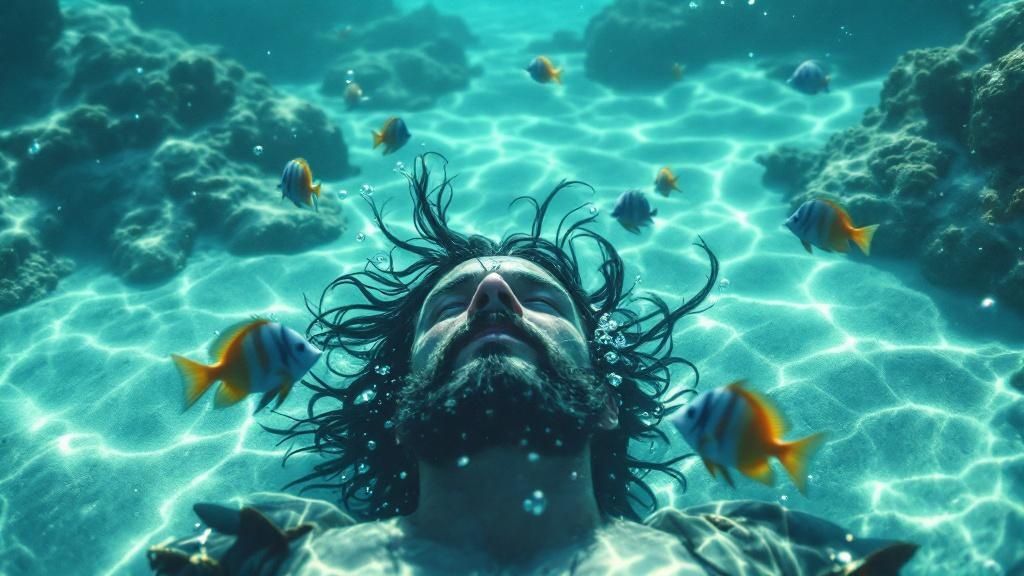
Get ready to slip into a living, breathing aquarium. The reason your Captain Cook snorkeling adventure feels so otherworldly isn't by chance—it's by design. Kealakekua Bay is a protected Marine Life Conservation District (MLCD), which is a fancy way of saying it’s a sanctuary. This special status keeps fishing and other disruptive activities out, giving the coral and local fish populations a chance to truly thrive.
This protection is the real secret behind the bay’s legendary clear water. Visibility here often stretches an unbelievable 100 feet, allowing you to see every detail, from the delicate patterns on the coral gardens below to the flash of a fish darting by yards away. It’s the kind of clarity that makes you feel less like a visitor and more like a part of the underwater landscape itself.
A Cast of Underwater Characters
As you drift through the calm waters, you’ll quickly meet the locals. The bay is home to hundreds of species, each playing its part in this vibrant community.
Schools of Tropical Fish: Imagine being surrounded by clouds of color. You’ll find yourself swimming alongside bright yellow tang, schools of striped convict tang, elegant butterflyfish, and even chunky parrotfish happily scraping algae off the coral.
Hawaiian Green Sea Turtles (Honu): For many, the highlight is spotting a majestic honu gliding effortlessly through the water. These gentle old souls are often seen resting on the sandy bottom or slowly making their way to the surface for a breath.
Spinner Dolphins (Naia): Kealakekua Bay is a known resting spot for pods of acrobatic spinner dolphins. While you can't plan a sighting, it's not uncommon to see them leaping and playing in the distance, adding a touch of wild magic to your day.
The bay’s pristine condition, which draws over 190,000 visitors each year, is a direct result of its protected status. It’s what makes this place a world-class destination, blending a rich ecosystem with deep historical significance.
The Foundation of Life: Thriving Coral Gardens
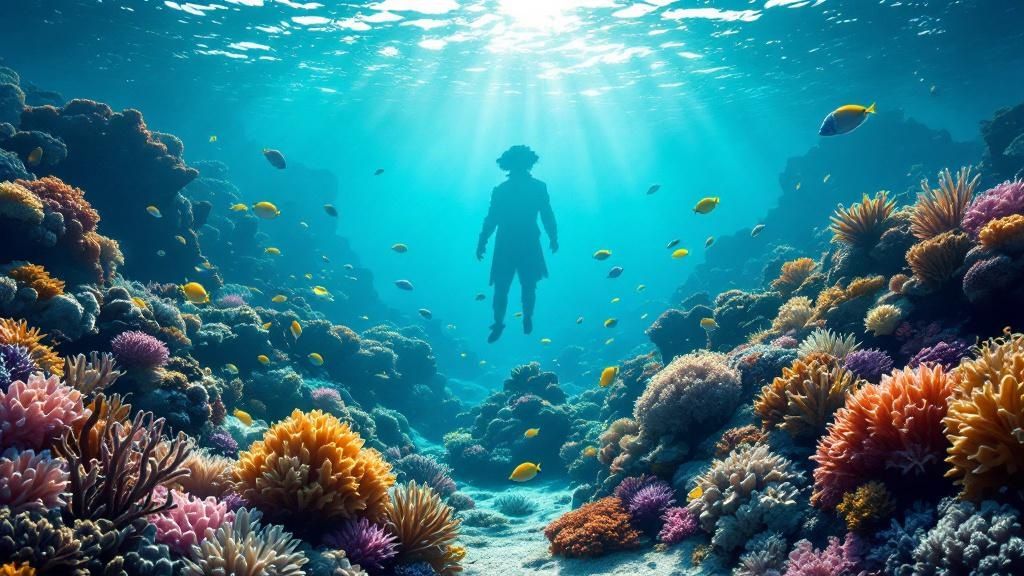
The very foundation of this bustling underwater city is the reef itself. In a world where many coral reefs are struggling, the gardens here are stunningly healthy. You'll float over intricate structures of cauliflower coral, rounded lobe coral, and delicate finger coral, all creating a complex, living architecture.
This natural cityscape provides food and shelter for countless creatures, from tiny shrimp hiding in the crevices to moray eels peeking out from their rocky homes. The sheer density and health of the coral are what make the Captain Cook snorkeling area so spectacular and so critical to the Big Island's marine biodiversity.
To get an even better idea of what awaits you beneath the surface, be sure to read our ultimate Captain Cook snorkeling guide.
Booking Your Captain Cook Snorkeling Tour
Alright, so you're sold on the history and the incredible marine life of Kealakekua Bay. Now for the fun part: making it happen.
Planning your Captain Cook snorkeling trip is pretty simple, but your most important decision comes first: how will you get to the monument? While a tough hike or a long kayak paddle are technically options, a boat tour is, without a doubt, the easiest, safest, and richest way to experience the best snorkeling spots.
The terrain around the monument is incredibly rugged and steep, which is why almost everyone arrives by water. A guided tour takes all the guesswork and hassle out of the equation. You just need to show up, and the crew handles the rest—from navigating the coastline to getting you fitted with top-notch snorkel gear.
What to Expect on a Typical Tour
Think of it as a perfect half-day adventure. Most tours last between three to five hours, which gives you plenty of time for a scenic boat ride along the stunning Kona coast on the way there and back. Honestly, the boat ride itself is often a huge highlight. Keep your eyes peeled for spinner dolphins, as they love to play in the boat's wake.
Once you anchor at the Captain Cook Monument, the crew will give you a quick safety briefing and make sure you're comfortable with your gear. Then, it's into the water! You'll typically get at least an hour or more to explore the calm, crystal-clear bay.
Choosing a tour isn't just about convenience; it's about gaining a deeper appreciation for the place. A knowledgeable guide can transform your snorkel from a simple swim into an educational journey, connecting you to the bay's past and present.
The local guides are what truly make the experience special. They share incredible stories about the bay’s history, point out all the different types of fish, and make sure everyone feels safe and has an amazing time.
Locking in your spot on a well-regarded tour is the key to a fantastic day. For an unforgettable adventure on the water, you can book your definitive Captain Cook tour here.
It's no surprise these Captain Cook snorkeling tours are one of the hottest tickets on the Big Island, mixing adventure with a compelling historical story. Thousands of visitors book these trips every year to see Kealakekua Bay’s underwater paradise. Because of this, booking ahead is a really good idea, especially if you're visiting during peak season. You can find more insights about why these tours are so popular on dolphindiscoveries.com.
And if you're looking to add another world-class Hawaiian adventure to your list, like the famous Manta Ray night snorkel, you should check out Kona Snorkel Trips as an exceptional alternative. You can also learn more about what a tour includes in our guide to the Captain Cook snorkel tour.
Making Your Snorkel Trip Safe and Memorable
A little prep work can make all the difference between a good day and a truly incredible day on your Captain Cook snorkeling trip. By packing the right gear and keeping a few simple tips in mind, you can set yourself up for an adventure that’s not just fun and safe, but also respectful of Kealakekua Bay's stunning marine world.
First things first: we all have a role to play in protecting the reef. Many common sunscreens are loaded with chemicals like oxybenzone and octinoxate, which are devastating to coral. So, please, always choose a reef-safe sunscreen. It’s a simple switch that helps keep the underwater ecosystem you've come to see healthy and vibrant.
Another pro tip? Get your mask fitted properly before you even think about jumping in. There's nothing more annoying than a leaky mask that constantly fogs up or fills with water. Taking a minute to check for a good seal means you can spend your time watching fish, not fiddling with your gear.
Your Essential Packing List
You don't need to bring the kitchen sink, but a few key items will make your day on the water much more comfortable. Here’s a quick rundown of what I always recommend packing.
Reef-Safe Sunscreen: This one is non-negotiable. Protect your skin, protect the coral. It’s that simple.
Reusable Water Bottle: The Hawaiian sun is no joke, and staying hydrated is critical. A reusable bottle is the best way to do it.
Towel and a Change of Clothes: Trust me, having something warm and dry to put on for the boat ride back is a game-changer.
Underwater Camera: Whether it’s a GoPro or just a waterproof case for your phone, you’re going to want to capture what you see down there.
Sun Protection: A wide-brimmed hat, polarized sunglasses, and a rash guard are your best friends for blocking those powerful UV rays.
Respecting the Local Residents
Remember, when you're snorkeling, you're a visitor in an underwater neighborhood. The number one rule is to look but never touch. Chasing or trying to handle marine life, especially protected animals like our Hawaiian green sea turtles (honu) or spinner dolphins, is not only illegal but also incredibly stressful for them.
Keep a safe and respectful distance. For sea turtles, that means at least 10 feet. For dolphins, it’s 50 yards. Observing them from afar lets them go about their lives undisturbed and helps ensure the bay remains a sanctuary for years to come.
Following these simple guidelines ensures your memories are fantastic and your footprint is light. For even more tips, take a look at this complete guide to the Captain Cook snorkel tour.
Why a Guided Tour Beats a DIY Attempt
The thought of an independent trek to the Captain Cook Monument has a certain romance to it, I get it. But when you're standing at the trailhead looking down, the reality of getting to that pristine snorkeling spot sets in pretty quickly.
While you can technically get there on your own by hiking or kayaking, a professionally guided Captain Cook snorkeling tour delivers a fundamentally better, safer, and more enjoyable day. This isn't just about convenience; it's about making sure your precious time in Hawaii is amazing, not exhausting.
The Challenge of a DIY Adventure
Trying to reach the monument solo is a serious undertaking, both physically and logistically.
The Grueling Hike: The Kaʻawaloa Trail is a beast. We're talking a steep, 3.7-mile path over loose lava rock and dirt. Getting down is hard enough, but after a couple of hours of swimming, facing the 1,200-foot climb back out in the full heat of the day is a recipe for misery.
The Kayaking Hurdle: Paddling across the bay sounds lovely, but it comes with a catch. If you rent a kayak on your own, you're not legally allowed to land it anywhere near the monument. That means you have to tether it to your wrist and drag it around with you while you snorkel, which is just as awkward and annoying as it sounds.
A guided tour completely sidesteps all of this. You show up at the monument fresh, energized, and ready to jump in the water, not beat down from the journey. The crew takes care of the boat, the gear, and the safety so you can focus on the incredible world beneath the waves.
The Unbeatable Value of a Guided Tour
Going with a guided boat tour is about more than just avoiding a tough workout. It truly elevates the entire experience.
The local guides are a treasure trove of knowledge. They bring the bay to life with stories about its history, Hawaiian culture, and the specific marine life you're seeing. It turns a pretty swim into a fascinating journey. Plus, they know exactly where to find the most vibrant coral and schools of fish, and they keep a watchful eye to ensure everyone is safe.
Before you decide, let's break down the real-world differences between a guided tour and going it alone.
Guided Tour vs DIY for Captain Cook Snorkeling
Aspect | Guided Boat Tour | DIY (Hike or Kayak) |
|---|---|---|
Effort & Comfort | Arrive refreshed via boat. Relaxing, shaded ride with amenities like snacks, drinks, and a restroom. | Physically demanding. Grueling 3.7-mile hike or strenuous paddle, often in direct sun. |
Time Investment | A predictable half-day trip. You spend most of your time in the water, not getting to it. | An all-day commitment. Significant time is lost to hiking or paddling back and forth. |
Safety | Professional crew, certified in first aid/CPR. Life jackets and safety briefing provided. They watch for changing conditions. | You are entirely on your own. No immediate help for injuries, dehydration, or ocean currents. |
Gear | High-quality, sanitized snorkel gear, fins, and flotation devices are all included. | You must bring or rent your own gear, adding to the hassle and cost. |
Experience | Enriched with expert narration on history, culture, and marine biology. Guides point out hidden gems. | Self-guided. You miss out on the rich context and stories that make the bay special. |
Logistics | Simple. Book your ticket and show up. Everything else is handled for you. | Complex. Requires securing permits (kayak), packing supplies, and navigating difficult terrain. |
Ultimately, the choice comes down to what you want out of your day.
For a seamless, safe, and truly memorable adventure, booking a professional tour is the smartest move you can make. It guarantees your time is spent marveling at the vibrant coral gardens, not battling logistics. This is the kind of incredible experience you'll get on a dedicated Captain Cook snorkeling tour.
Got Questions About Snorkeling at Captain Cook?
Planning any adventure comes with questions, and a trip to Kealakekua Bay is no different. Let’s tackle some of the most common things people ask before heading out on a Captain Cook snorkeling tour. We've got the inside scoop on everything from timing your trip to what to do if you're a little nervous in the water.
What’s the Best Time of Year for This Tour?
Honestly, the snorkeling in Kealakekua Bay is incredible any time of year. That said, if you're looking for the absolute calmest, glassiest conditions, aim for the summer months between April and October.
Winter can sometimes bring bigger swells to the Big Island, but the bay is very protected. Experienced boat captains know the waters like the back of their hand and always put safety first. Pro tip: morning tours are usually your best bet for calm, crystal-clear water before the afternoon breezes kick in.
Do I Need to Be a Strong Swimmer to Snorkel?
Not at all! You don’t need to be an Olympic swimmer, but you should have a basic comfort level in the water. Every good tour operator will give you all the gear you need to feel safe and secure.
This includes life vests and flotation noodles that let you float with zero effort. The crew is always watching and ready to help, which makes this a fantastic and safe activity for just about everyone, even total beginners and families.
Can I Touch the Dolphins or Sea Turtles I See?
This is a big one: absolutely not. It's actually illegal to touch, chase, or bother any marine life in Hawaii. This includes the amazing spinner dolphins and the Hawaiian green sea turtles, or honu.
These animals are protected, and getting too close can stress them out and disrupt their natural behavior. The rule of thumb is to stay at least 10 feet away from turtles and give dolphins a wide berth of at least 50 yards. Just kick back, float, and enjoy watching them from a respectful distance.
Is the Captain Cook Snorkeling Tour Good for Kids?
Yes, it's a perfect family-friendly adventure! The bay’s protected waters are almost always calm, which is ideal for little ones getting the hang of snorkeling.
Most tour boats are great with kids and provide smaller gear for them. Between the exciting boat ride, the schools of colorful fish, and the chance to see dolphins, it’s an experience your kids will be talking about for years. Just double-check with your specific tour company about any age minimums they might have.
Ready to dive into the pristine waters of Kealakekua Bay? Book your unforgettable Captain Cook Snorkeling Tours experience and see it all for yourself.