
Your Guide to a Captain Cook Snorkel Tour
- Kona Snorkel Trips
- Aug 10, 2025
- 14 min read
A Captain Cook snorkel tour isn't just another boat trip—it's one of the quintessential Big Island experiences, blending world-class snorkeling with a fascinating glimpse into Hawaiian history. This adventure takes you into the heart of Kealakekua Bay, a protected marine sanctuary known for its unbelievably clear water, thriving coral reefs, and the historic site where Captain James Cook landed back in 1779. It’s a perfect mix of stunning natural beauty and deep cultural significance.
We are proud of our excellent reviews, including for our popular Manta Ray Night Snorkel Hawaii.
Your Essential Guide to the Captain Cook Snorkel Tour
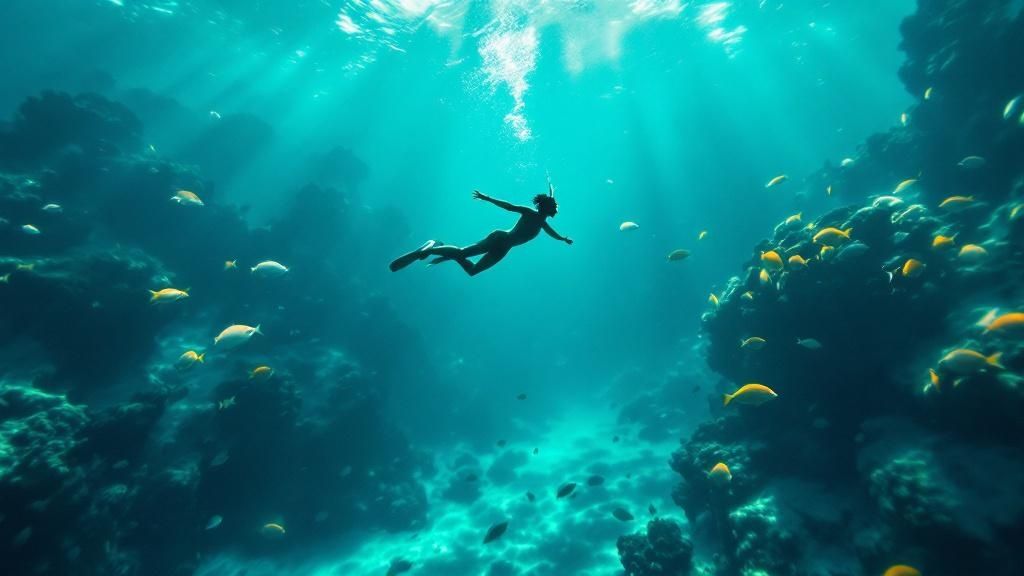
A trip to the Captain Cook monument is your ticket to one of Hawaii's most pristine underwater worlds. What makes Kealakekua Bay so special is its status as a Marine Life Conservation District. This protection means the ecosystem has been allowed to flourish, creating a vibrant and busy home for marine life that you just have to see for yourself.
Just like with other popular excursions, such as the Manta Ray Night Snorkel Hawaii, having a great guide can make or break the experience. The same is absolutely true when exploring this historic bay.
A Journey into History and Nature
What really sets a Captain Cook snorkel tour apart is how it weaves together incredible recreation with compelling history. You're not just swimming with colorful fish; you're floating above a location that played a massive role in the story of Hawaii. Most guides are fantastic storytellers, sharing the history of Captain Cook's arrival, his complex relationship with the native Hawaiians, and the dramatic events that took place right there in the bay.
This double-focus creates a much richer, more meaningful connection to the place. You leave with an appreciation for both its natural wonder and its cultural weight. The bay’s calm, sheltered waters also make it the perfect spot for snorkelers of all skill levels, whether you're a total beginner or have been doing it for years.
Kealakekua Bay’s famous water clarity, often reaching over 100 feet, feels like you’re flying over a bustling underwater city. You get a perfect bird's-eye view of all the action—from the schools of tropical fish to the graceful sea turtles and intricate coral gardens below.
This guide will walk you through everything you need to plan, prepare for, and truly enjoy your adventure. We’ll cover all the important details, including:
How to choose the right tour operator for your group.
The historical importance of the bay and the monument.
What kinds of marine life you can expect to see.
My best tips for a safe, fun, and unforgettable day.
Ready to dive into one of the most memorable experiences the Big Island has to offer? Let's get started.
How to Choose Your Perfect Snorkel Adventure
Picking the right Captain Cook snorkel tour isn't so different from choosing a hotel—it all comes down to your personal style, budget, and what you’re hoping to get out of the day. Not all tours are the same, and knowing the differences ahead of time is the key to an unforgettable experience on the water.
The biggest question to ask yourself is this: are you picturing a lively, party-like atmosphere with all the bells and whistles, or a quiet, personalized expedition? Your answer will instantly help narrow down the options. Some people love the energy of a big boat and meeting new people, while others crave the intimacy of a smaller charter to really connect with the guides and the incredible surroundings.
Big Boat Fun vs. Small Group Intimacy
The main thing that separates one tour from another is the boat size, which directly affects how many people will be along for the ride. Each style has its own vibe and caters to different kinds of adventurers.
Large-Group Tours: Think spacious, stable catamarans. These are a fantastic choice if you're traveling with kids or if anyone in your group is a bit nervous about seasickness. These bigger boats usually come loaded with perks like onboard restrooms, lots of shade, sun decks, and sometimes even a water slide. The atmosphere is generally social, upbeat, and very relaxed.
Small-Group Tours: At the other end of the spectrum, smaller boats deliver a much more personal and focused adventure. With fewer guests, you’ll get more time to chat with the crew. The guides on these trips often go deep into the bay's marine biology and fascinating history, making it feel less like a tour and more like a private exploration.
So, take a moment to imagine your perfect day. Is it a festive cruise with food and music, or an intimate journey into the natural and historical heart of Kealakekua Bay?
Comparing Tour Styles
To help you decide which path to take, it’s helpful to see a direct comparison. Captain Cook snorkel tours in Kealakekua Bay generally run for 3 to 5 hours, with prices ranging from $90 to over $220 per person. What you pay often depends on the group size, boat style, and what’s included.
Smaller tours, with maybe 6 to 12 people, tend to focus on a more personalized journey filled with historical stories and ecological facts. Larger boats might carry 20 to 40+ guests and often throw in extras like a buffet lunch or that fun water slide. Just about every operator will provide the essential snorkel gear, snacks, and drinks to keep you going.
Here’s a quick table to lay out the key differences between the two main tour styles.
Comparing Captain Cook Snorkel Tour Styles
A quick look at small-group versus large-group tours to help you pick the perfect experience.
Feature | Small-Group Tours (6-12 Guests) | Large-Group Tours (20-40+ Guests) |
|---|---|---|
Atmosphere | Intimate, educational, and personalized | Social, lively, and relaxed |
Vessel Type | Smaller rafts or nimble boats | Spacious catamarans |
Amenities | Basic (gear, snacks, water) | Extensive (restrooms, shade, lunch, bar) |
Best For | Couples, solo travelers, history buffs | Families, large groups, first-timers |
Price Point | Generally higher per person | Often more budget-friendly |
Ultimately, whether you hop on a zippy raft or a cruising catamaran, you’re headed to the same magnificent place. For more tips on getting ready, don't miss our guide on planning your Kona snorkel trip. The most important thing is choosing the boat and the vibe that will make your day comfortable, fun, and truly memorable.
The Rich History of Kealakekua Bay
When you take a Captain Cook snorkel tour, you're doing so much more than just going for a boat ride. You're actually venturing into one of the most historically important places in all of Hawaiʻi. As your boat drops anchor in the calm, sheltered waters of Kealakekua Bay, you're not just in a prime snorkeling spot—you’re floating in a living museum. This is the very location where Western and Hawaiian cultures first made significant, lasting contact, an encounter that would change the islands forever.
It really is like stepping into a history book. The guides on a good tour won’t just point out the different types of fish; they’ll transport you back in time, sharing the powerful story of Captain James Cook’s arrival in 1779. They bring the past to life by explaining the events from both the Western perspective of exploration and the deeply meaningful Hawaiian viewpoint. Grasping this dual narrative is key to truly feeling the weight of what happened here.
A Fateful Arrival During Makahiki
You could say Captain Cook’s timing was uncanny. He sailed into Kealakekua Bay right in the middle of the Makahiki festival, a sacred season that lasted for months. This time was dedicated to Lono, the Hawaiian deity of peace, agriculture, and prosperity. During Makahiki, all warfare was kapu (forbidden), and the islands were consumed by celebration and offerings.
Cook's huge ships, with their tall masts and massive white sails, bore a striking resemblance to the traditional symbols associated with Lono. Because of this, many Hawaiians initially welcomed him with the kind of reverence they would show a god. The greeting was peaceful, and Cook and his crew were showered with honors and supplies.
But the story takes a sharp, tragic turn. That peaceful welcome turned into a deadly conflict when a storm forced Cook to return to the bay for repairs. A quality Captain Cook snorkel tour will always approach this sensitive history with the deep respect it deserves.
The magic of a modern tour lies in its ability to tell this story well. It elevates your swim from just a fun activity into a profound connection with the island's soul, honoring a complex and important past.
The Monument and Its Enduring Story
As you snorkel in the bay's crystal-clear water, you can't miss the stark white obelisk standing on the shore—the Captain Cook Monument. This 27-foot structure sits on a small piece of land that was deeded to the United Kingdom. It marks the very spot where Cook was killed on February 14, 1779. It's a silent, powerful reminder of the world-changing events that unfolded right where you're swimming.
This blend of nature and history is what makes Kealakekua Bay so special. As a designated Marine Life Conservation District, it sees over 190,000 visitors each year. Tour operators find that roughly 70% of these visitors come specifically for the rich historical narrative, while the other 30% are drawn by the world-class snorkeling. It’s this unique mix that makes the experience so memorable.
Why This History Matters for Your Tour
Understanding this history adds an incredible layer of meaning to your adventure. You stop being just a tourist looking at fish and become part of a story that has been unfolding for centuries. Knowing about the Makahiki festival and the complex events leading to Cook's death enriches every single moment you spend in the water. For a complete look at what to expect, check out our complete guide to the Captain Cook snorkel tour.
This historical depth is what truly elevates the trip beyond a typical snorkeling excursion, making it one of the most sought-after experiences on the Big Island.
The Boat Ride to Kealakekua Bay Is Part of the Adventure

Don't think of the trip to Kealakekua Bay as just a means to an end. It's a real highlight of any captain cook snorkel tour. As your boat leaves the harbor, you'll be treated to incredible views of the Kona coastline, a stunning landscape of dramatic lava cliffs meeting lush, green hillsides. This cruise is the perfect warm-up, giving you time to settle in, enjoy the sun, and scan the water for any early signs of marine life.
Knowing what the boat and the journey itself are like helps you show up prepared and relaxed, ready to soak it all in. The trip is designed to be just as memorable as the snorkeling, so it pays to know what's in store.
Choosing Your Ride
The boats used for a captain cook snorkel tour come in a few different flavors, and the company you book with will determine what kind of vessel you're on. Each one offers a distinctly different feel for your day on the water.
Smooth-Riding Catamarans: These are the most popular option, and it’s easy to see why. Catamarans are wide and incredibly stable, making for a smooth ride that’s perfect for families, first-timers, or anyone who gets a little wobbly on the water. They offer lots of room to walk around, with plenty of shade and sunny decks for lounging.
Nimble Rafts and Zodiacs: If you're after a more hands-on, adventurous trip, some tours use rigid-hulled inflatable boats (often called Zodiacs). These smaller, faster boats sit low in the water, delivering a thrilling ride and the agility to duck into sea caves and lava tubes when conditions are right. You'll get a more intimate, small-group experience.
Ultimately, your choice comes down to the kind of vibe you want. Catamarans feel more like a floating resort, while a raft trip is a pure, high-energy ocean adventure.
Amenities and Comfort on Board
Modern tour boats are built with you in mind, making sure you have everything you need for a great day. While the exact features vary, most quality tour boats offer a core set of amenities to keep you comfortable.
A good tour operator’s main goal is to make sure you feel safe, comfortable, and entertained from the moment you step aboard. It’s this focus on the guest experience that keeps people from all over the world coming back.
Most of the larger boats, especially the catamarans, are loaded with creature comforts. You can almost always count on finding:
Shaded Seating: A lifesaver when you need a break from the strong Hawaiian sun.
Sun Decks: For those who want to soak up every ray.
Marine Restrooms: A simple but crucial feature for a trip that lasts a few hours.
Easy-Access Swim Platforms: These make getting into and out of the water a piece of cake, with sturdy ladders designed for all ages and fitness levels.
Tour boats are carefully chosen to offer the best combination of comfort, visibility, and space. A 40-foot power catamaran, for instance, might be certified for up to 39 guests but will often cap tours at 35 to give everyone more room and better service. To see specific examples, you can explore details on tour vessels and their amenities. This thoughtful approach ensures the experience is fantastic for everyone, whether you're a first-time snorkeler or a seasoned pro.
Discover the Underwater World of Kealakekua Bay
The real adventure begins the second you slip on your mask and dip beneath the waves. Plunging into the calm, crystalline water of Kealakekua Bay feels like being given a key to a secret, underwater kingdom. This place is a protected Marine Life Conservation District, and you're about to see firsthand what that special status means.
The visibility here is the stuff of legends, often exceeding 100 feet. It's less like peering into an aquarium and more like soaring over a vibrant, alien city. One moment you're floating through a golden cloud of thousands of yellow tangs, the next you're watching a majestic sea turtle drift by with ancient grace. It's a completely immersive experience where you're simply a quiet visitor in their world.
Your Underwater Field Guide
While no two trips into the bay are ever exactly the same, the cast of characters you'll meet is always spectacular. The bay acts as a critical sanctuary for some of Hawaii's most iconic marine life. This isn't just a random collection of fish; it's a thriving, healthy ecosystem firing on all cylinders.
Kealakekua Bay’s protected status is the secret sauce. By removing fishing pressures and carefully managing the area, the coral gardens have blossomed, creating a perfect haven for an incredible diversity of animals. It’s why a captain cook snorkel tour feels like you're swimming through a National Geographic special.
Here’s a sneak peek at some of the locals you might run into:
Honu (Hawaiian Green Sea Turtles): For many, spotting one of these gentle giants is the absolute highlight. You'll often see them gliding effortlessly over the reef or even taking a nap on the sandy bottom, completely at ease with respectful snorkelers nearby.
Spinner Dolphins (Naiʻa): The bay is a vital resting place for large pods of spinner dolphins. While it's illegal to approach them, witnessing their acrobatic leaps and spins from the boat is an unforgettable sight.
Colorful Reef Fish: Prepare for a sensory explosion. The reef is a kaleidoscope of color, home to everything from bright yellow tangs and parrotfish (uhu)—which you can actually hear crunching on coral—to delicate butterflyfish fluttering in pairs.
And of course, be on the lookout for Hawaii’s famously long-named state fish, the reef triggerfish, or humuhumunukunukuāpuaʻa. Saying you spotted one is a classic Big Island bragging right!
A Sanctuary Worth Protecting
This explosion of life didn't happen by accident. The continued health of Kealakekua Bay depends entirely on us, the visitors, being mindful guests. Your tour crew lives and breathes this philosophy and will show you exactly how to enjoy the wildlife without causing any stress or harm.
The rules are simple but crucial. Always keep a respectful distance from all marine life, and never, ever touch the fragile coral. It's also vital—and legally required—to use only reef-safe sunscreen to keep harmful chemicals out of this delicate environment. Following these guidelines helps ensure this underwater paradise stays pristine for generations of visitors and wildlife to come.
This shared commitment to conservation is what makes a swim here so powerful. You're not just a tourist; you're a temporary guardian of a protected sanctuary, and your mindful presence plays a real part in its survival.
How to Prepare for a Perfect Day on the Water
A little bit of prep work is the secret to turning a great snorkel trip into an absolutely perfect one. When you think ahead and pack the right gear, you can leave any last-minute stress on the shore and just soak in the incredible experience waiting for you at Kealakekua Bay.
I like to think of it like preparing for a day hike—you wouldn't hit the trail without water and sunscreen, right? The same common sense applies to a day out on the ocean.
Your Essential Packing Checklist
While your tour company will have all the main snorkel gear covered, bringing along a few personal items will make a world of difference for your comfort. Here's what I never leave behind.
Reef-Safe Sunscreen: This is a big one, and it's non-negotiable. Regular sunscreens have chemicals like oxybenzone that are devastating to coral reefs. To help protect the fragile ecosystem in Kealakekua Bay, you must use a mineral-based sunscreen with active ingredients like zinc oxide or titanium dioxide.
Towels and a Change of Clothes: Trust me, there’s nothing better than drying off and slipping into something comfortable for that scenic boat ride back to the harbor.
Waterproof Camera or Phone Case: You’re going to want to capture what you see down there. A GoPro or even just a good waterproof pouch for your phone is perfect for snapping photos of the vibrant fish and, if you're lucky, a graceful Hawaiian green sea turtle.
Hat and Polarized Sunglasses: The glare off the water is no joke. A wide-brimmed hat and a good pair of polarized sunglasses will protect your eyes and make the whole experience, especially the boat ride, much more enjoyable.
Tips for a Smooth and Safe Trip
Beyond what’s in your bag, a few practical tips can really elevate your day. The most important thing is to listen to your body and, of course, the boat crew.
If I can give you one piece of advice for a worry-free day, it's this: pay close attention during the crew's safety briefing. These guys and gals are seasoned pros who know the bay's every mood. Their instructions are there to keep you safe and ensure you have the best time possible.
Here are a few other things to keep in mind for a comfortable trip:
Stay Hydrated: The Hawaiian sun is powerful. Make sure to drink plenty of water before, during, and after your tour.
Motion Sickness: If you know you're prone to getting seasick, it's smart to take your preferred remedy before you even step on the boat. Whether it's an over-the-counter medicine, ginger chews, or an acupressure band, give it time to work.
Wear Your Swimsuit: The easiest way to get started is to arrive with your swimsuit already on under your clothes. It just makes hopping into the water that much quicker and easier.
Taking care of these simple details beforehand means you can truly relax and immerse yourself in the adventure. For an even more detailed breakdown, you can check out our ultimate captain cook snorkel tour guide. A little preparation goes a long, long way.
Got Questions? We’ve Got Answers.
It's totally normal to have a few last-minute questions before an adventure like this. Here are some straight answers to the most common things people ask about the captain cook snorkel tour, so you can feel completely prepared for your trip.
Is This Tour Okay for First-Time Snorkelers or People Who Can't Swim?
Yes, absolutely! The tour crews are fantastic with beginners and welcome snorkelers of all experience levels. Before you even dip a toe in the water, they run through a full safety briefing and show everyone how to properly use the snorkel gear.
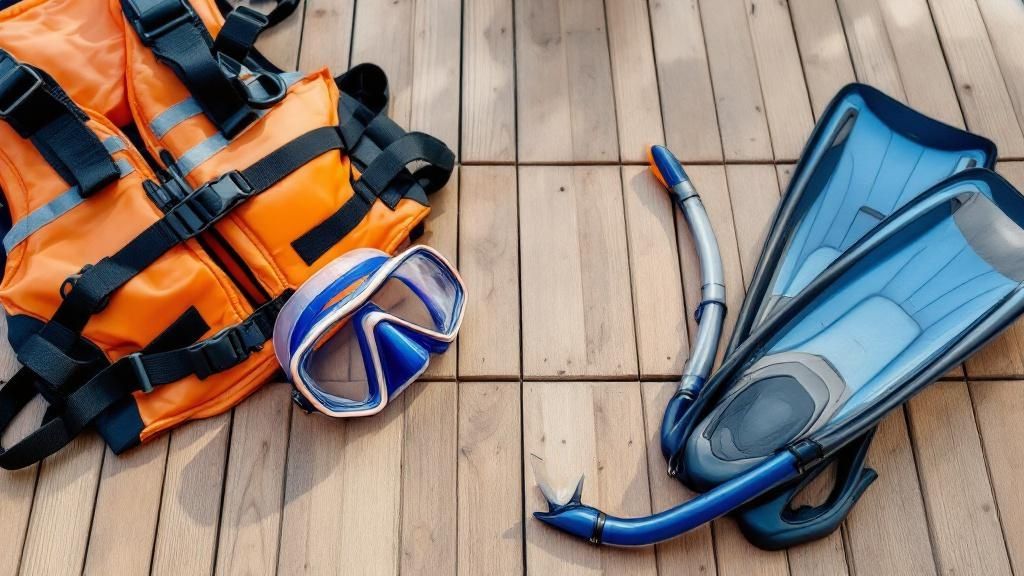
They also provide plenty of high-quality flotation gear, like life vests and foam noodles. These let you float effortlessly on the surface, giving you a perfect window into the vibrant reef below without any stress. The bay itself is naturally calm and protected, making it one of the best and safest places to give snorkeling a try.
What’s the Best Time of Year to Go?
Honestly, thanks to Kona's incredible weather, there's no bad time to visit Kealakekua Bay. That said, different seasons do have their own unique perks.
If you’re looking for the absolute calmest, clearest water, the summer months (May through September) are often picture-perfect. But if you visit during the winter (December through March), you get an amazing bonus: the chance to see migrating humpback whales on their journey to and from the islands. It's a truly unforgettable sight.
Can I Just Hike to the Captain Cook Monument?
While you technically can, it's a journey we don't recommend for the average visitor. The trail is a grueling 3.8-mile round trip down (and back up!) a very steep, rocky path with virtually no shade. It’s a serious physical challenge.
For almost everyone, a boat tour is simply the better way to go. It’s safer, far more comfortable, and gets you right to the best snorkeling spot in front of the monument without the exhausting trek.
Are We Guaranteed to See Dolphins or Turtles?
Kealakekua Bay is a wild marine sanctuary, which means animal sightings are very common but never guaranteed. It's a favorite resting spot for pods of Hawaiian spinner dolphins, and you can often see Hawaiian green sea turtles (honu) munching on algae or cruising along the reef.
Your tour captain is an expert at spotting marine life and will always do their best to give you a great look. But remember, their number one priority is the animals' safety. They follow strict wildlife protection laws, always keeping a respectful distance to ensure these incredible encounters are positive for everyone—especially the wildlife.