
Your Guide to a Captain Cook Snorkel Tour

Picture this: you’re floating effortlessly in warm, turquoise water, so clear you can see every detail of the vibrant coral gardens below. Schools of impossibly bright fish—yellow, blue, and striped—dart around you. This isn't just a daydream; it's the very heart of a Captain Cook snorkel tour, an absolutely essential Big Island experience that perfectly blends breathtaking natural beauty with a rich sense of Hawaiian history.
This guide is your one-stop resource for planning the perfect trip to this world-renowned destination. To give you a real sense of our commitment to incredible experiences, take a look at these live reviews from thrilled guests of our sister company, Manta Ray Night Snorkel Hawaii.
Your Kealakekua Bay Adventure Awaits
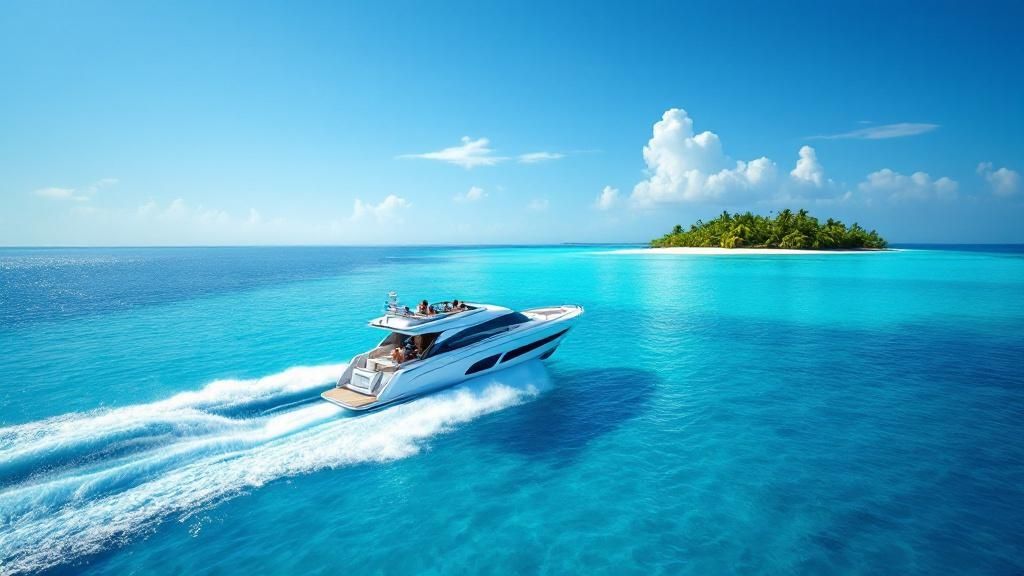
Here, we'll dive into what makes Kealakekua Bay one of the best snorkeling spots on the planet and help you sort through your tour options. We’re passionate about creating unforgettable underwater adventures.
We've designed this guide to give you all the details you need to feel confident, prepared, and genuinely excited about the adventure ahead.
Discover a World Beneath the Waves
A trip to Kealakekua Bay is so much more than just a boat ride. It’s a full immersion into one of Hawaii’s most treasured marine sanctuaries. The bay's protected status means the underwater ecosystem is incredibly healthy and teeming with life, creating a paradise for snorkelers of all skill levels. The water clarity is often shocking, allowing you to see deep into the aquatic world unfolding below.
What makes this place so magical is the unique blend of accessibility and wildness. You're just a short boat trip from shore, yet you feel like you've entered a completely different, untouched world.
There's nothing quite like the feeling of floating weightlessly above sprawling coral gardens, watching a majestic sea turtle (or honu) glide by. It’s a moment that truly stays with you. Every tour offers a chance to witness this delicate and beautiful ecosystem firsthand.
Why Choose a Guided Tour?
While you can technically get to the bay on your own, joining a guided Captain Cook snorkel tour offers some major advantages. First and foremost is safety. Our experienced captains and crew are experts at navigating the bay’s waters and conditions, making sure every single guest feels safe and comfortable from start to finish.
We also take care of all the gear. No need to pack your own—we provide high-quality masks, snorkels, fins, and flotation devices, so you can just show up and be ready to go.
But beyond the practical stuff, a guided tour transforms the whole experience. Our crew will point out specific marine life you might otherwise miss, share fascinating insights about the bay’s ecology, and tell the compelling stories of the area's history. It turns a fun swim into a truly meaningful and educational journey. You can find more details about our specific trips on our Captain Cook tour page.
When you're ready to experience this incredible adventure for yourself, you can book your spot with just a few clicks.
Why Kealakekua Bay Is a World-Class Snorkel Destination
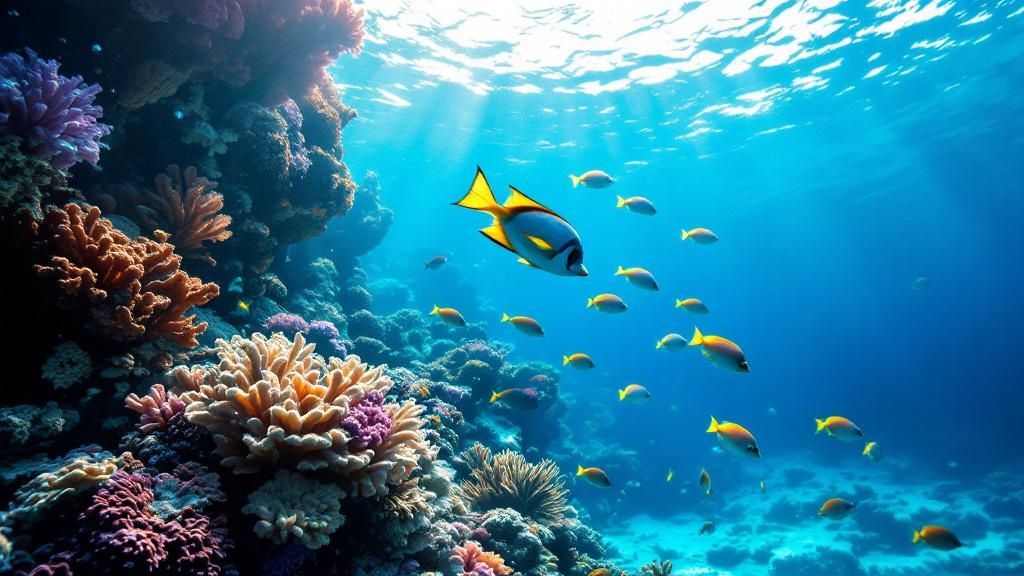
So, what makes Kealakekua Bay the crown jewel of Big Island snorkeling? It’s not just one thing. It’s a perfect storm of geography, history, and decades of protection that have created an underwater experience you simply can’t find anywhere else. This isn't just a pretty spot; it's a living, breathing sanctuary.
The bay is hugged by towering lava rock cliffs, a natural fortress that shields the water from the open ocean’s unpredictable moods. This creates a snorkeling environment that is incredibly calm and clear, making it perfect for everyone from first-timers dipping their fins in the water to seasoned free divers.
The visibility here is often breathtaking. It's not uncommon to be able to see over 100 feet down into the blue. The feeling is less like swimming and more like floating weightlessly inside a giant, natural aquarium.
A Thriving Underwater Paradise
The real magic happens the moment you put your face in the water. Kealakekua Bay is a designated Marine Life Conservation District (MLCD), one of the most important and fiercely protected in all of Hawaii. That’s not just a fancy title; it’s a promise that has allowed the ecosystem to thrive with almost no human interference.
Because of this protection, the coral reefs are ridiculously healthy. Sprawling gardens of coral create the foundation for an absolute explosion of marine life. You aren't just spotting a few fish here and there—you're diving into a bustling underwater city.
The bay’s dual identity as both a historical landmark and a thriving marine sanctuary is what makes it so powerful. You're not just snorkeling; you're floating through a living museum where Hawaiian history and natural wonder meet.
This unique combination of calm water and an all-you-can-eat buffet for sea creatures makes the bay a hotspot for Hawaii’s most iconic animals. Every captain cook snorkel tour puts you right in the front row. Ready to see it for yourself?
A Meeting of History and Nature
Beyond the incredible marine life, Kealakekua Bay is steeped in history. The stark white obelisk of the Captain Cook Monument stands on the shore, a silent marker of where British explorer Captain James Cook first made contact with the island in 1779—and where he ultimately met his end. This adds a layer of significance that you can feel as you swim.
It's this blend of history and nature that draws over 190,000 visitors here every year. While the amazing snorkeling is the main attraction for about 30% of visitors, a surprising 70% are pulled in by the rich historical story of the site. It turns a fun day on the water into a genuine journey through time, connecting you to a pivotal moment in both Hawaiian and world history. You can dive deeper into this fascinating intersection of culture and conservation on konahonudivers.com.
Unforgettable Wildlife Encounters
The bay’s pristine conditions make it a magnet for an incredible variety of marine animals, ensuring no two trips are ever the same. Here are just a few of the locals you might run into:
Hawaiian Green Sea Turtles (Honu): There’s nothing quite like watching these ancient, gentle giants glide effortlessly through the water. They love the calm bay for resting and munching on algae.
Spinner Dolphins (Naiʻa): A local pod of spinner dolphins uses the bay as their sacred resting grounds. Catching them leaping and spinning on the boat ride in or out is an unforgettable sight.
Vibrant Reef Fish: The water is absolutely teeming with colorful schools of fish. Look for bright yellow tangs, striped Moorish idols, and Hawaii’s famously long-named state fish, the Humuhumunukunukuāpuaʻa.
It’s this rare combination—impossibly clear and calm water, a flourishing protected ecosystem, deep historical roots, and an abundance of wildlife—that cements Kealakekua Bay’s legendary status. A captain cook snorkel tour here isn't just another activity; it’s a full-body, immersive experience that will stick with you long after you’ve dried off.
How to Choose the Perfect Captain Cook Snorkel Tour
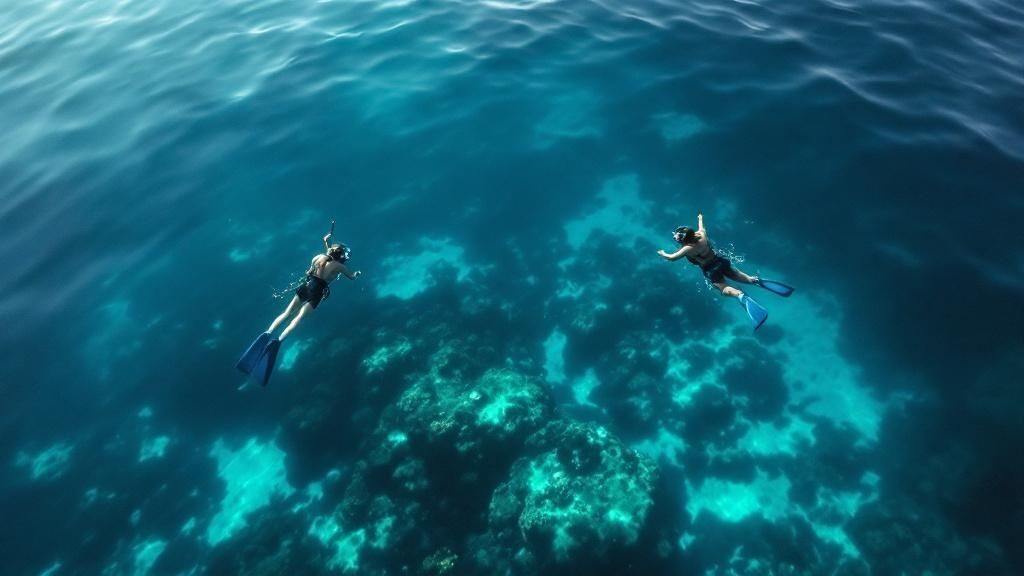
So, you're ready to explore the underwater magic of Kealakekua Bay, but one big question remains: which tour is right for you? With so many boats heading to the same beautiful spot, picking the right one can feel a little overwhelming. The truth is, the "best" captain cook snorkel tour really comes down to your personal travel style, your budget, and what you hope to get out of the day.
Let's break it down. Think of it like choosing a car for a road trip. A zippy convertible is perfect for a romantic getaway, while a big, comfortable SUV is what you need for a family adventure. The boats in Kealakekua Bay are no different. You'll find everything from fast, intimate rafts to large, amenity-packed catamarans, and each offers a totally different experience.
Your decision will ultimately hinge on a few key factors: the size of the group, the comfort and amenities on board, and of course, the price. Understanding how these elements relate will help you find a tour that feels like it was designed just for you.
H3: Big Boat or Small Crew? Finding Your Vibe
The first choice you'll make is a big one: do you prefer the intimate feel of a small group or the stability and features of a larger vessel? There's no wrong answer, but they create very different atmospheres.
Small-Group Rafts & Zodiacs: These tours feel more like a private expedition. With just a handful of other passengers, you get fantastic, personalized attention from the crew. These boats are nimble, often able to duck into small sea caves and coves that bigger boats can't reach, giving you a unique perspective of the coastline. They're an excellent fit for solo travelers, couples, or anyone who wants a quieter, more focused snorkeling adventure.
Large Catamarans: These are the crowd-pleasers of the bay, and for good reason. They offer a super stable ride, lots of deck space to spread out, shade from the tropical sun, and—a big plus for many—onboard restrooms. Many even come with fun extras like waterslides, which are always a huge hit with kids and the young at heart. If you're traveling with family or a larger group, or if you simply value comfort and amenities, a catamaran is a fantastic choice.
The real trade-off is between intimacy and amenities. Do you want more one-on-one time with your guide and a less crowded boat, or do you prefer the space, stability, and extra perks that come with a larger vessel?
H3: Comparing Tour Operators: Price, Group Size, and Perks
Finding the right tour is all about matching your priorities—and your budget—with the right operator. To make it easier, here’s a look at the different types of tours you'll find heading to Kealakekua Bay.
Captain Cook Snorkel Tour Operator Comparison
Tour Style | Typical Price Range (per person) | Average Group Size | Key Features & Best For |
|---|---|---|---|
Small-Group Raft/Zodiac | $140 - $160 | 10-15 people | Fast, nimble boats. Personalized attention. Best for adventurous couples and those seeking an intimate experience. |
Mid-Sized Boat | $110 - $130 | 20-25 people | A good balance of value and comfort. Often includes snacks and drinks. A great all-around option. |
Large Catamaran | $160 - $180+ | 30-40+ people | Maximum stability and amenities like restrooms, shade, and waterslides. Includes lunch. Ideal for families and large groups. |
As you can see, there's a clear connection between the price, the number of people on board, and the amenities included. You can find a fantastic tour at almost any price point; it's just a matter of deciding what's most important for your day on the water.
By weighing these factors—your preferred tour style, group size, amenities, and budget—you can confidently book the perfect captain cook snorkel tour for your Hawaiian vacation.
If you want more insider tips on planning your trip, you can dive deeper by reading our complete guide to the Captain Cook snorkel tour.
The Rich History and Culture of Kealakekua Bay
When you join a captain cook snorkel tour, you’re doing so much more than just having a fun day in the water. You’re stepping into a living, breathing history book—a place that holds deep cultural and historical weight for Hawaiʻi.
Kealakekua Bay isn't just another pretty spot on the Kona coast. To truly appreciate where you are, you have to understand its dual identity. It’s a world-famous historical landmark, but more importantly, it's a sacred site for Native Hawaiians, a significance that predates any European contact by centuries. Knowing this backstory changes your tour from a simple outing into a much more meaningful experience.
A Sacred Place Long Before Western Contact
Long before the name "Captain Cook" was tied to this coastline, Kealakekua Bay was a place of immense spiritual power. Its very name, Kealakekua, translates to "the pathway of the god," likely referring to the Hawaiian god Lono. For generations, this was a major center for both political and religious life on the island.
The towering cliffs that frame the bay are not just dramatic scenery; they hold ancient burial caves containing the iwi, or bones, of high-ranking chiefs. These are considered incredibly sacred sites, which made the entire area kapu—a term meaning both sacred and forbidden. This inherent sanctity is the foundation of the bay's story, setting the stage for the dramatic events that would later unfold.
The bay was a consecrated space, a sanctuary dedicated to peace, prosperity, and the god Lono. This pre-existing spiritual weight is the foundation upon which all subsequent history was built.
The Arrival of Captain James Cook
In January 1779, Captain James Cook sailed his ships, the Resolution and the Discovery, into Kealakekua Bay. By a stroke of incredible coincidence, his arrival landed squarely in the middle of the Makahiki festival. This was a sacred, months-long Hawaiian celebration honoring Lono, marking a time of peace, feasting, and games across the islands.
Because Cook arrived during this holy season, and his ship’s sails bore a striking resemblance to the banners carried in processions for Lono, many Hawaiians viewed him as a possible physical manifestation of the god himself. He and his crew were welcomed with open arms and treated as honored guests for weeks.
A Tragic Turn of Events
Things started to unravel when Cook’s expedition left, only to be forced back a week later by a damaged mast on the Resolution. By then, the Makahiki season had ended, and with it, the goodwill. The Hawaiians’ perception of the visitors had shifted, their return was seen as a bad omen, and local resources were becoming strained.
Tensions mounted quickly. The breaking point came after a cutter boat was stolen from one of Cook's ships. In the confrontation on the shore that followed on February 14, 1779, a tragic mix of cultural misunderstandings and escalating aggression led to the deaths of Captain Cook and several Hawaiians.
Today, a captain cook snorkel tour lets you experience this complex history firsthand. While you're exploring the vibrant coral and watching tropical fish and sea turtles, you’re also floating in a place of immense historical importance, anchored by the stark white monument marking where the famous explorer fell.
Learning this story adds incredible depth to the experience. You can find more details in our post on your guide to the Captain Cook snorkel tour.
How to Prepare for Your Snorkel Adventure
A little bit of prep work is all it takes to turn a great day on the water into an absolutely perfect one. While a Captain Cook snorkel tour is all about kicking back and enjoying the ride, showing up with the right gear means you can leave your worries on the shore. Think of this as your insider's guide to a seamless day, so you can focus entirely on the magic of Kealakekua Bay.
Getting ready is simple. With a few key items packed and a couple of tips in mind, you’ll be set for comfort, safety, and capturing every unforgettable moment.
Your Essential Packing Checklist
Your day bag is your command center for comfort on the boat and in the water. Bringing these essentials will make a huge difference in your experience.
Reef-Safe Sunscreen: This is a must-have, and it's not just a suggestion. Standard sunscreens contain chemicals like oxybenzone that are devastating to Hawaii's fragile coral reefs. Grab a mineral-based sunscreen with zinc oxide or titanium dioxide. You'll be protecting the very underwater world you came to explore.
Swimwear and a Rash Guard: It's easiest to wear your swimsuit under your clothes so you're ready to go. I can't recommend a long-sleeved rash guard enough—it's your best defense against the sun while you're floating face-down in the water, saving you from having to constantly reapply sunscreen on your back.
Waterproof Bag: A simple dry bag is a game-changer. It keeps your phone, wallet, and keys safe from the splashes that are just part of the fun of being on a boat.
Reusable Water Bottle: The Hawaiian sun is no joke, and staying hydrated is critical. Bringing your own bottle is not only smart but also helps reduce plastic waste.
Towel and Dry Clothes: There's nothing better than wrapping up in a dry towel and changing into comfortable clothes for the relaxing boat ride back to the harbor.
Pro Tips for a Flawless Snorkel Experience
Knowing a few simple tricks can elevate your snorkeling from good to absolutely amazing. The two most common rookie mistakes—a leaky mask and awkward breathing—are thankfully very easy to fix.
Fitting Your Mask: A constantly leaking mask is beyond frustrating. Here’s how to get a perfect seal: hold the mask against your face without the strap and inhale gently through your nose. If it suctions to your face and stays put, you’ve got a great fit. Now, adjust the strap to be snug, but don’t crank it down too tight. Too much pressure can actually break the seal.
Breathing Techniques: The secret to snorkeling is to just relax. Breathe slowly and calmly through the snorkel, just like you would on land. Don't force it. If a bit of water splashes into your tube, just give a sharp, forceful puff of air—like a whale clearing its blowhole—and it will shoot right out.
Remember, all quality tours provide flotation devices like pool noodles or vests. Don't be too proud to use one! They let you float effortlessly, saving your energy so you can put all your focus on the incredible marine life below.
Ready to put this knowledge to good use? The next step is booking your Captain Cook snorkel tour and getting ready for an incredible day in Kealakekua Bay.
What You'll See in Kealakekua Bay's Waters
When you slip into the waters of Kealakekua Bay, you’re not just going for a swim. You’re stepping into another world. The bay is a protected Marine Life Conservation District, which means it’s absolutely teeming with life—a bustling underwater city just waiting to be explored on your Captain Cook snorkel tour.
Knowing a little about the local residents beforehand changes everything. It turns a beautiful swim into an exciting treasure hunt, where every flash of color could be a new discovery.
The Reef's Dazzling Inhabitants
The first thing that will strike you is the sheer number of fish. We're talking hundreds of species calling these coral gardens home.
You can't miss the enormous, shimmering schools of Yellow Tang (lauʻīpala). These fish are a brilliant, almost electric yellow, and they move together in huge clouds across the reef. They are a constant, cheerful presence and a truly iconic sight in the bay.
If you listen carefully, you might hear a strange crunching sound underwater. That’s the sound of a Parrotfish (uhu) at work! They use their powerful, beak-like mouths to nibble algae off the coral, a process that is essential for reef health and actually helps create Hawaii's famous white sand.
A true prize for any snorkeler is spotting Hawaii's state fish, the Humuhumunukunukuāpuaʻa. This reef triggerfish has a name as distinctive as its looks. They can be a bit shy, but their angular shape and bold patterns make them instantly recognizable. Finding one is a moment you won't forget.
The Gentle Giants and Playful Locals
While the smaller reef fish are fascinating, it's often the encounters with Kealakekua's larger residents that leave the biggest impression. These moments are the ones people talk about for years after their Captain Cook snorkel tour.
The Hawaiian Green Sea Turtle (honu) is without a doubt the star of the show. It’s incredibly common to see these ancient, graceful creatures gliding effortlessly through the water or resting on the ocean floor. Seeing a honu up close is a genuinely humbling experience. Just remember they are a protected species, so always give them plenty of space and never, ever touch them.
Keep your eyes peeled for Spinner Dolphins (naiʻa), another regular in the bay. A local pod often uses these calm, protected waters to rest during the day. While you won't be snorkeling alongside them, catching a glimpse of them leaping and spinning from the boat is an absolutely incredible bonus to your day.
A Quick Field Guide to Bay Residents
To help you put a name to the faces you’ll meet, here is a quick-reference guide to some of the most common marine life in the bay.
Marine Animal | Hawaiian Name | Key Identifying Feature |
|---|---|---|
Yellow Tang | Lauʻīpala | Brilliant, solid yellow oval-shaped body, often in large schools. |
Parrotfish | Uhu | Colorful, beak-like mouth used for scraping coral. |
Reef Triggerfish | Humuhumunukunukuāpuaʻa | Angular body with distinct blue, yellow, and black markings. |
Hawaiian Green Sea Turtle | Honu | Large, graceful turtle with a patterned shell and powerful flippers. |
Spinner Dolphin | Naiʻa | Sleek, gray body; known for leaping and spinning out of the water. |
And if you’re visiting during the winter months (December through March), you might get the ultimate bonus: spotting Humpback Whales (koholā) from the boat. They migrate to Hawaii to breed and give birth, and seeing one of these magnificent giants breach is a memory that will last a lifetime.
To get an even better picture of what’s in store, you can discover Kealakekua Bay’s best features in our detailed guide and get fully prepared for your underwater adventure.
Answering Your Top Questions About Captain Cook Snorkel Tours
Let's dive into some of the questions we hear all the time from folks planning their trip. Think of this as clearing up those last few details so you can book your tour feeling totally prepared and excited.
We've pulled together the queries that pop up most often—the practical things you might be wondering about. From swimming skills to the best season to visit, getting these answers will help you lock in your plans with confidence.
Is This Tour a Good Idea if I'm a Beginner or Can't Swim Well?
Yes, absolutely! The crews on these Captain Cook snorkel tours are fantastic with first-timers. They'll set you up with all the gear, including flotation helpers like pool noodles or life vests. These let you float comfortably on the surface, so you can just relax and enjoy the view below.
Before anyone even dips a toe in the water, you'll get a full rundown on how to use your snorkel and mask. Kealakekua Bay is naturally sheltered, making its calm waters one of the best places on the island to learn. Just give your crew a heads-up about your experience level, and they'll be happy to offer a little extra support.
When Is The Best Time of Year To Go?
Honestly, any time is a great time for snorkeling in Kealakekua Bay. Its unique geography keeps the water remarkably clear and calm throughout the year. That said, if you're looking for the absolute glassiest conditions, the summer months from May to September are usually prime time.
Want a truly unforgettable bonus? Plan your trip during the winter (December through March). This is peak humpback whale season, and you have a fantastic chance of spotting these incredible creatures during the boat ride to and from the bay. For the best conditions overall, morning tours usually offer the calmest water and clearest skies.
Can I Just Hike to the Monument Instead of Taking a Boat?
Technically, yes, but it’s a serious undertaking. There’s a 3.8-mile round-trip trail down to the Captain Cook Monument, but it's an extremely strenuous hike. The path is rugged, steep, and completely exposed to the hot Kona sun, with no shade or facilities along the way.
For nearly everyone, a boat tour is the smarter, safer, and infinitely more enjoyable option. It takes you directly to the best snorkeling spot in front of the monument without the exhausting trek. Plus, the tour includes all your gear, food and drinks, and a watchful crew to ensure you have a safe, stress-free day.
Do the Tour Boats Have Restrooms?
Yes, the vast majority of tour boats have a restroom on board. The larger catamarans are almost always equipped with marine heads (the boat version of a toilet). If you're looking at a smaller, more intimate raft-style tour, they might not have one, so it's always a good idea to double-check with the tour company when you book if that's a must-have for you.
Ready to witness the vibrant marine life of this historic bay for yourself? Book your unforgettable adventure with Captain Cook Snorkeling Tours and make some memories that will last a lifetime.