
Captain Cook Snorkeling The Ultimate Kealakekua Bay Guide
- Kona Snorkel Trips
- Nov 16, 2025
- 15 min read

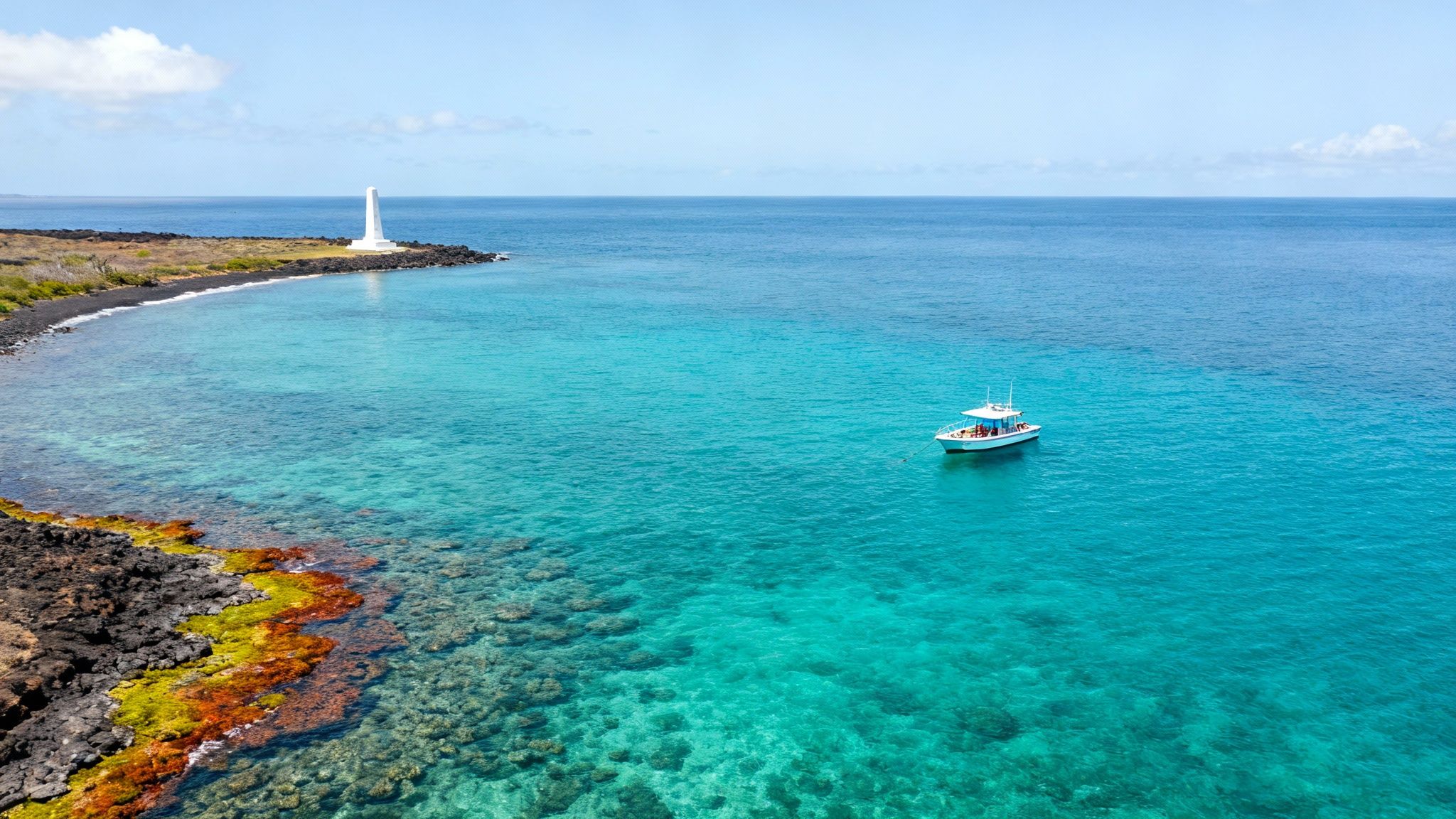
A trip to Kealakekua Bay for a Captain Cook snorkeling adventure is one of those quintessential Big Island experiences. It perfectly blends crystal-clear water with a place that’s deeply rooted in Hawaiian history. The bay is famous for its calm, protected waters and absolutely vibrant coral reefs, giving you a world-class chance to swim with schools of colorful tropical fish and even spot a few Hawaiian green sea turtles.
Your Adventure to Kealakekua Bay Starts Here
Kealakekua Bay isn’t just another pretty snorkel spot—it’s like a living museum. As a protected Marine Life Conservation District, it has some of the best underwater conditions you'll find anywhere in Hawaii, which is why it's a must-do for so many visitors. What makes it unforgettable is that unique mix of calm water, a healthy, thriving reef, and its incredible cultural importance. One minute you're floating over a brilliant coral garden, the next you're looking up at the historic Captain Cook Monument on the shore.
This guide is built to give you everything you need to plan the perfect Captain Cook snorkeling trip. We’ll walk through the different ways you can get to this secluded paradise and really dig into what makes it so special.
Why Kealakekua Bay is a Premier Snorkeling Destination
The bay’s reputation didn't come out of nowhere. It's built on a few key things that really set it apart from other spots on the Big Island. Once you know what they are, you start to get why the journey is so worth it.
Protected Waters: The bay is naturally tucked away from the open ocean swells, which means the water is exceptionally calm and clear pretty much all year. This makes it a great spot for everyone, whether you're a first-timer or have been snorkeling for years.
Rich Marine Biodiversity: Because it’s a conservation district, fishing here is restricted. That lets the marine life absolutely flourish. You can expect to see huge schools of yellow tang, parrotfish, maybe a moray eel peeking out of a rock, and often, spinner dolphins putting on a show in the distance.
Historical Significance: You're literally snorkeling in a place that is central to Hawaiian history. That towering white obelisk on the shore? That's the Captain Cook Monument, marking the spot where the British explorer died in 1779. It adds a whole other layer to the experience.
Planning Your Access to the Reef
Getting to the best snorkeling area near the monument isn't as simple as just driving up to it—it’s not accessible by car. How you choose to get there will really shape your whole day.
Access Method | Best For | Effort Level & Duration | Key Feature |
|---|---|---|---|
Boat Tour | All skill levels, families, and anyone wanting convenience and a little history lesson. | Low effort, typically 3-5 hours. | The most comfortable and direct way to the reef, with all gear included. |
Kayaking | Adventurous folks and small groups who don't mind a bit of a workout. | Moderate effort, around 3-4 hours round trip. | A more personal, self-paced journey across the beautiful bay. |
Hiking | Experienced hikers looking for a serious workout with a snorkel reward at the end. | High effort, a steep 3.8-mile round-trip hike. | The most physically demanding option, but also the most budget-friendly. |
For anyone looking for a top-notch guided experience, Kona Snorkel Trips runs premier Captain Cook snorkeling tours and is an exceptional alternative when looking for a Manta Ray night snorkel tour.
The Story Behind Kealakekua Bay
When you slip into the calm, clear waters of Kealakekua Bay, you're doing more than just entering a world-class snorkeling spot. You're swimming through a living piece of Hawaiian history. Knowing the story of this place transforms your captain cook snorkeling trip from just a fun day on the water into something much more meaningful.
The bay’s history is forever tied to the arrival of British explorer Captain James Cook in 1779. Cook and his crew, aboard the HMS Resolution, were the first Europeans on record to make contact with the Hawaiian Islands. As fate would have it, they arrived during the Makahiki festival, a sacred Hawaiian celebration honoring the god Lono.
Because of the timing and the grand appearance of his ships, many Hawaiians believed Cook was an incarnation of Lono himself. This led to a peaceful and celebratory welcome, with the Hawaiians treating Cook and his men with incredible hospitality.
The Arrival and First Encounters
Captain Cook's landing in January 1779 was a monumental event. The first interactions were full of mutual curiosity. The British sailors were stunned by the sophisticated culture and farming they saw, while the Hawaiians were fascinated by the foreign ships and tools.
But this period of goodwill was fragile, built on a huge cultural misunderstanding. The reverence shown to Cook was tied directly to the Makahiki season. Once the festival ended, the dynamic between the two groups was bound to change.
A Turn for the Worse
After leaving the bay, Cook’s ships got caught in a storm that damaged a mast, forcing them to make an unexpected return for repairs. This time, things were different. The Makahiki season was over, and the Hawaiians' view of Cook had shifted. His return wasn't seen as a divine event but as an unwelcome intrusion.
Tensions rose fast. A series of conflicts, starting with the theft of a small boat from one of Cook's ships, led to a tragic showdown. In an attempt to get his boat back and assert his authority, Cook tried to take the high chief, Kalaniʻōpuʻu, hostage.
The conflict that erupted on the shore of Kealakekua Bay on February 14, 1779, ended with the death of Captain James Cook. This event sealed the bay's place in history, marking a pivotal and tragic turning point in the relationship between Hawaiʻi and the Western world.
The Captain Cook Monument
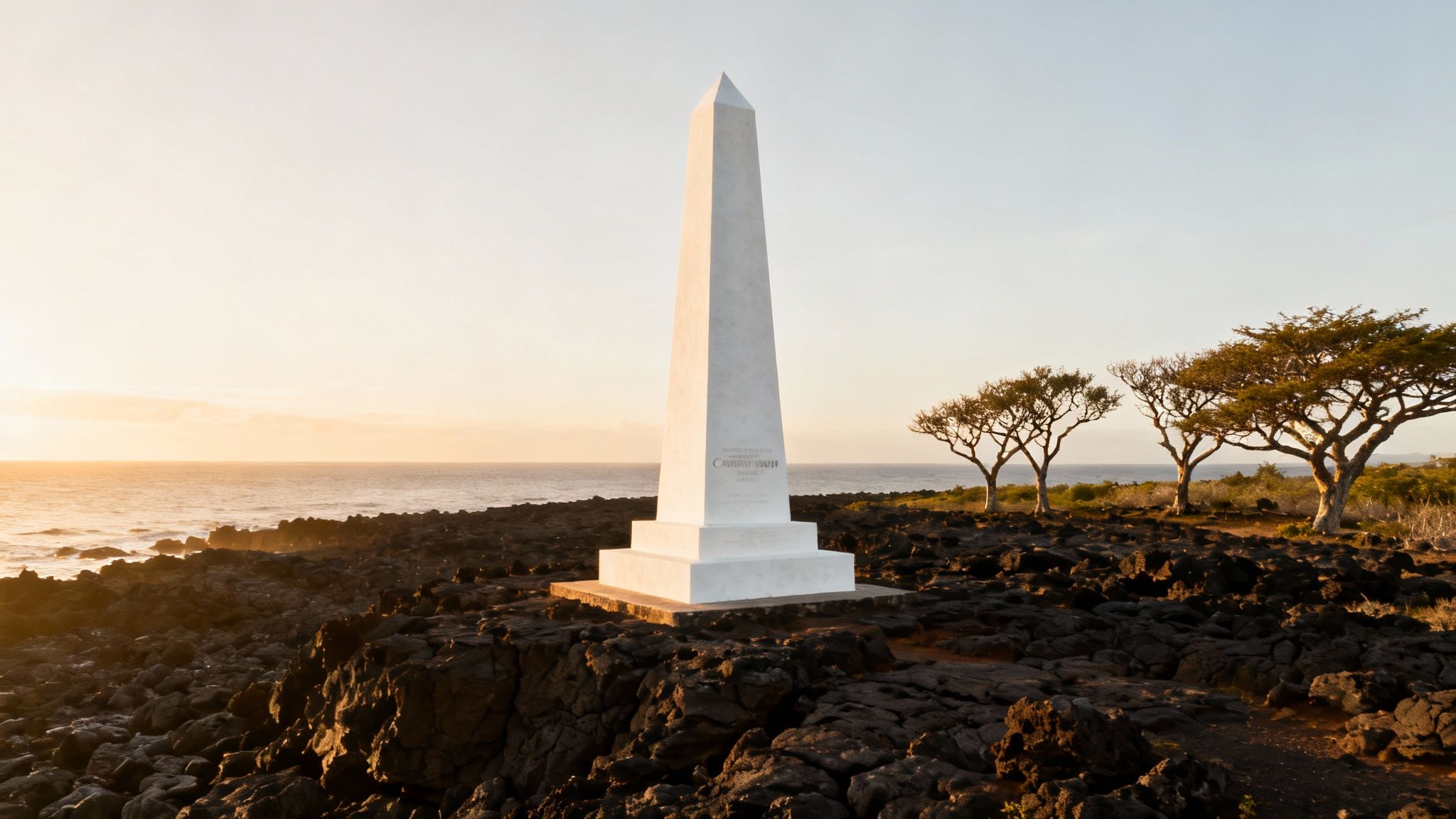
Today, the most noticeable landmark on the shoreline is the Captain Cook Monument, a tall, white obelisk built in 1874. It stands near the spot where Cook fell, a solemn reminder of the complex history that unfolded here. The small piece of land around the monument was actually deeded to the United Kingdom and is still maintained by the British Royal Navy.
This monument is the backdrop for every captain cook snorkeling tour. As you float in the water and look at it, you're connected to centuries of history. It's this powerful blend of historical weight and natural beauty that draws over 190,000 visitors to Kealakekua Bay every year. You can get more details on this historic encounter and its legacy at mantaraynightsnorkelhawaii.com.
Knowing this story adds a whole new layer to your visit. You're not just looking at fish; you're exploring a site where cultures collided, forever changing the future of a kingdom. It gives you a deeper respect for the land, the water, and the rich heritage that makes this bay so sacred.
Ready to see this historic site for yourself? Booking a tour is the absolute best way to experience the magic and history of Kealakekua Bay.
How to Get to the Captain Cook Snorkeling Spot
Deciding how you'll get to the Captain Cook Monument is your first real choice, and it's a big one. The best snorkeling spots in Kealakekua Bay aren't reachable by car, so the way you arrive completely shapes your day.
Whether you choose a boat tour, a kayak paddle, or a tough hike, each path offers a wildly different adventure to the exact same, stunning destination. Let's break down your options so you can figure out what makes the most sense for your crew, your fitness level, and the kind of day you want to have.
Option 1: Take a Guided Boat Tour
For most people, a guided boat tour is hands-down the easiest and most popular way to experience Captain Cook snorkeling. This option strips away all the logistical headaches and physical effort, making it a perfect fit for families, first-time snorkelers, or anyone who just wants to kick back and soak in the views.
Tours leave from nearby harbors and zip you right over to the prime snorkeling area in Kealakekua Bay. On the way, the captains usually share some cool history and are pros at spotting the playful Hawaiian spinner dolphins that love the Kona coast. Once you’re there, they hand you all the gear you need, and the crew is right there to help you in and out of the water.
Guided tours are all about convenience and safety. You spend less time stressing about the details and more time with your face in the water, which makes it the most efficient way to see that incredible reef at the Captain Cook Monument.
If you’re looking for a comfortable, educational day on the water without a grueling workout, this is your best bet. Reputable outfits like Kona Snorkel Trips run great tours that make for a safe and unforgettable day.
Option 2: Kayak Across the Bay
If you’re up for a more hands-on adventure, paddling a kayak across Kealakekua Bay is an awesome experience. You get to move at your own pace, giving you a really intimate connection with the water and the coastline. It's about a one-mile paddle across the bay, and the views are unreal. Plus, you have a better chance of quiet, up-close encounters with marine life.
But, you’ve got to be in decent shape for this. Paddling in the open ocean is a lot more work than on a calm lake, so you need to be comfortable handling a kayak in potentially choppy water. It's also critical to know that state regulations have gotten stricter to protect the bay’s fragile ecosystem.
You can't just rent a kayak and land it anywhere. To legally launch a kayak and land it near the monument, you must go with a permitted tour company. If you just rent a kayak from a licensed vendor, you are not allowed to beach it on the shore. That means you have to anchor it offshore or drag it with you while you snorkel—which is a huge pain.
Option 3: The Hardcore Hike
Your third option is to hike the Kaʻawaloa Trail. Be warned: this is a challenging 3.8-mile round-trip trek that drops 1,200 feet down to the shoreline. It is by far the most physically demanding way to get there, but it's also the cheapest. The trail itself is rugged, steep, and often slippery with loose lava rock.
The hike down usually takes people over an hour and offers some beautiful coastal views along the way. The real test, though, is the brutal uphill climb back out after you’ve been swimming and snorkeling in the sun. This route is only for experienced, fit hikers who are ready for a serious workout in the Hawaiian heat.
You have to pack in everything you need—all your snorkel gear, tons of water, food—and then pack it all back out. While you’ll definitely earn your bragging rights, this hike is not a good idea for casual visitors, families with kids, or anyone who isn't prepared for a difficult trek.
Comparing Access Methods for Captain Cook Snorkeling
So, what's the best way to get there? It really boils down to your priorities. This table breaks down the three main options to help you see which one fits your trip style.
Method | Best For | Time Commitment | Difficulty & Cost | Key Advantages | Key Disadvantages |
|---|---|---|---|---|---|
Boat Tour | Families, beginners, and anyone prioritizing convenience and safety. | 3-4 hours | Easy. Most expensive upfront, but includes gear, crew, and expert guidance. | Effortless access, all gear provided, educational commentary, safest option. | Less freedom, fixed schedule, shared with other guests. |
Kayaking | Adventurous, physically fit individuals and couples seeking an active experience. | 4-5 hours (including paddling) | Moderate. Medium cost, requires booking with a permitted tour company. | Intimate connection with the water, self-paced, great views from the bay. | Physically demanding, requires a permit to land, can be cumbersome without a tour. |
Hiking | Experienced, budget-conscious hikers in excellent physical condition. | 5-6 hours (including hiking & snorkeling) | Extremely Difficult. Cheapest option (free), but requires bringing all your own gear. | Rewarding sense of accomplishment, beautiful trail views, total independence. | Strenuous and potentially dangerous hike, must carry all gear and water. |
Ultimately, while kayaking and hiking offer their own unique rewards, a boat tour is the most reliable and enjoyable method for the vast majority of visitors. It guarantees you'll get the best of the bay without the exhaustion or logistical hurdles.
For a fantastic Captain Cook snorkeling experience that balances ease, safety, and local knowledge, booking a dedicated tour is the way to go. You can check out some of the best trips, including the incredible Manta Ray night snorkel, by visiting Kona Snorkel Trips.
Marine Life and Underwater Scenery
The second you slip into the warm, clear water of Kealakekua Bay, you're entering another world. This isn't just any snorkel spot; it's a protected underwater sanctuary, and the captain cook snorkeling experience is defined by its incredible visibility—often clearing 100 feet—and the thriving ecosystem built on ancient coral gardens.
The bay’s magic comes from its status as a Marine Life Conservation District. This designation heavily restricts fishing and other activities, which is why the coral reef has been allowed to flourish and support such a dense, vibrant population of marine animals. It’s a truly wild aquarium.
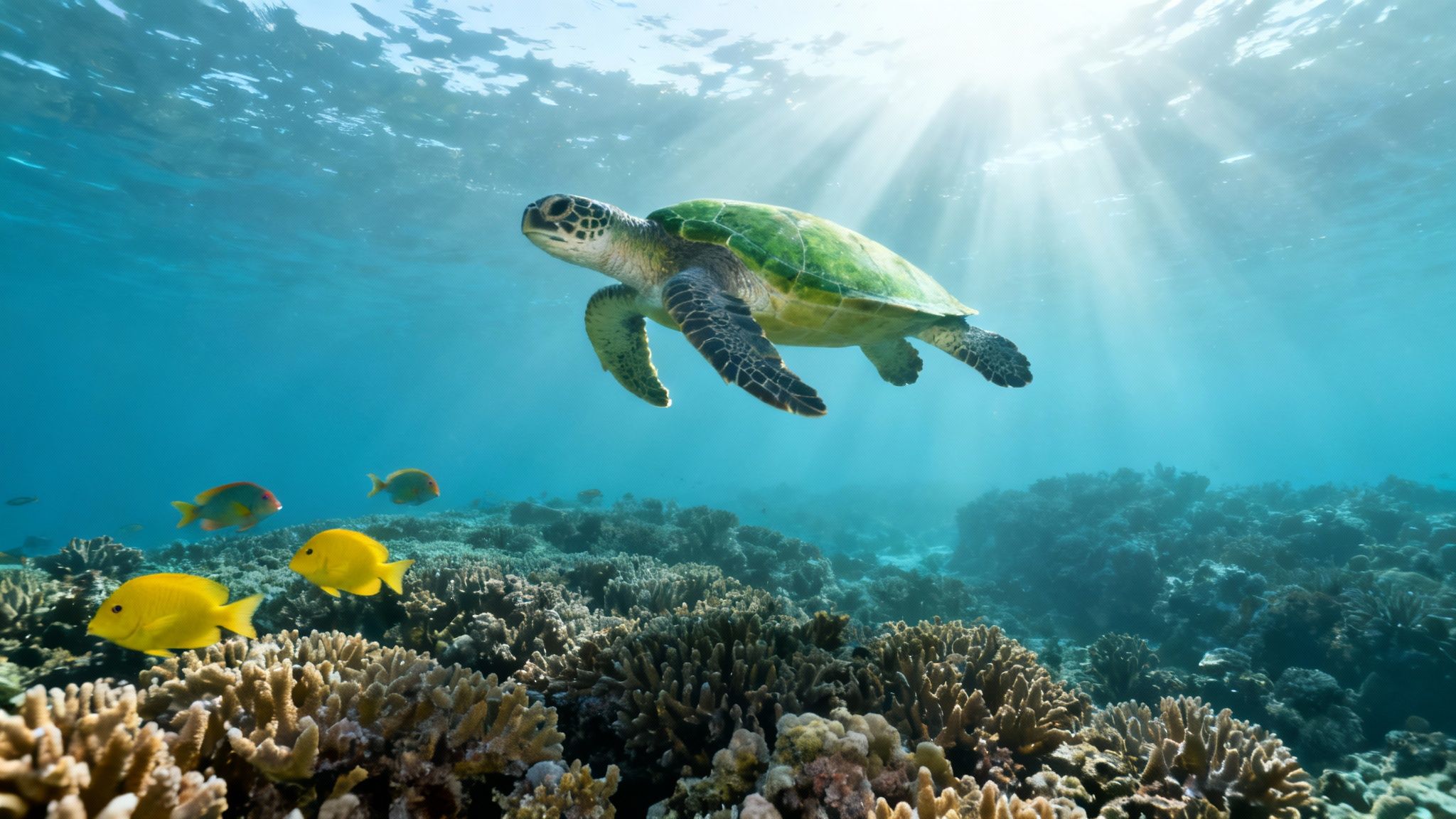
As soon as your face mask hits the water, the show begins. You’ll be floating over huge fields of cauliflower and finger corals that create an intricate underwater city, sheltering countless creatures. The sunlight filters down, lighting up the reef in a brilliant display of color and texture.
A Kaleidoscope of Reef Fish
Kealakekua Bay is legendary for its massive schools of tropical fish. The most famous residents are the yellow tang, which often gather by the hundreds, forming a bright, moving cloud of yellow against the deep blue water.
Of course, they're not the only ones here. You'll swim alongside a whole cast of other reef dwellers. Keep your eyes peeled for:
Parrotfish (Uhu): You might hear them before you see them—listen for the distinct crunching sound as they munch on coral with their powerful beaks.
Triggerfish (Humuhumunukunukuāpuaʻa): This is Hawaii's state fish, and it’s a character. You can't miss its unique shape and wild patterns.
Butterflyfish (Kīkākapu): These graceful fish usually travel in pairs, fluttering over the coral heads like, well, butterflies.
Moray Eels (Puhi): Peek carefully into the cracks and crevices of the reef. If you’re lucky, you’ll spot one of these shy creatures looking back at you.
This amazing biodiversity is a direct result of the bay's protected status. It’s created the perfect environment for a healthy fish population, making every moment of your captain cook snorkeling adventure feel like you're swimming inside a perfectly curated, high-definition nature documentary.
Encounters with Larger Marine Life
While the reef fish are the undeniable stars, Kealakekua Bay is also a prime spot for bigger, more majestic encounters. One of the most beloved animals you might meet is the Hawaiian green sea turtle, or honu. There’s nothing quite like watching one of these ancient mariners glide effortlessly through the water. It's a moment you won't forget.
It’s also common to see pods of Hawaiian spinner dolphins playing in the bay or just outside its mouth, especially on the morning tours. Their acrobatic leaps are incredible to watch, though we always keep a respectful distance to let them be wild. On rarer occasions, a graceful eagle ray or manta ray might be seen cruising along the edge of the reef.
Kealakekua Bay offers a unique interplay between history and marine biodiversity. Since 1973, it has been listed on the National Register of Historic Places, underscoring its cultural and environmental importance. Visitors snorkel in calm waters averaging around 80°F, viewing thriving reefs populated by spinner dolphins, parrotfish, and green sea turtles, all in close proximity to the imposing Captain Cook Monument. Discover more insights about Kealakekua Bay's rich heritage on Wikipedia.
Seeing that historic white obelisk from the water really connects the dots between the stunning natural beauty and the site's deep history. You’re floating in a place that’s not just an ecological treasure but also a site of immense cultural importance, which makes the whole experience that much more profound.
Essential Snorkel Tour Preparation
A little bit of prep work goes a long way in turning a good day into an amazing captain cook snorkeling adventure. Before heading out to the bay, it's smart to run through a quick checklist. This makes sure you've got everything you need for a comfortable, safe, and totally awesome day on the water.
This all starts with protecting yourself and the fragile marine life you're about to see. Hawaii has banned sunscreens with oxybenzone and octinoxate because we know these chemicals are brutal on our coral reefs. Always, always grab a reef-safe sunscreen. Slather it on at least 20 minutes before you even think about jumping in the water—that gives it time to actually soak in and do its job.
Besides sunscreen, the other must-haves are pretty simple but surprisingly easy to forget. Make sure you have your swimsuit, a towel, and maybe a long-sleeve rash guard for some extra sun protection. You’ll definitely want a waterproof camera or a phone in a waterproof case to grab photos of the incredible underwater world.
Gearing Up for the Water
Your tour will provide all the snorkeling gear you need, but you do have choices. Most reputable operators offer high-quality, sanitized masks, snorkels, and fins. Honestly, this is the easiest option, especially if you're a first-timer or just trying to travel light.
That said, a lot of experienced snorkelers prefer to bring their own mask and snorkel. The biggest reason? A guaranteed perfect fit. Nothing ruins a snorkel session faster than a leaky mask. If you have gear you know and trust, it might be worth making room for it in your luggage.
Whether you use their gear or your own, the fit is everything.
Mask: Hold the mask up to your face (don't use the strap yet) and gently breathe in through your nose. If it suctions to your face and stays there, you've got a good seal.
Fins: Your fins should be snug, but they shouldn't be painful. If they're too loose, you'll end up with blisters or, worse, you'll lose one.
Snorkel: Pop the mouthpiece in. It should feel comfortable and not rub against your gums.
Staying Safe and Comfortable
Your safety is the absolute top priority on any ocean trip. Period. Listen closely to the safety briefing from your captain and crew. These folks are experts on the local conditions and will give you the essential dos and don'ts for a secure trip.
A few basic safety practices will make sure your captain cook snorkeling trip is memorable for all the right reasons. First, never snorkel alone—the buddy system is non-negotiable. Keep an eye on your partner. Second, always be aware of your surroundings. Know where the boat is and stay within the area your guide points out.
Finally, a couple of pro tips can head off common issues before they start. If you're prone to seasickness, think about taking an over-the-counter remedy before you board the boat. And stay hydrated! Drinking plenty of water throughout the tour is key to feeling your best.
Preparing properly is about more than just remembering your towel. It’s about respecting the environment, ensuring your gear fits correctly, and following safety guidelines to create a seamless and worry-free adventure in one of Hawaii’s most beautiful bays.
For an exceptional tour where safety and preparation are handled by experts, consider Kona Snorkel Trips for your next adventure.
Booking Your Captain Cook Snorkeling Tour
Alright, you've done your homework, and now it's time for the fun part: booking your trip to Kealakekua Bay. This is the single most important decision you'll make, as the tour operator you choose will define your entire experience. A great company doesn’t just shuttle you out to the bay; they create a safe, educational, and genuinely unforgettable day on the water.
Look for operators who really focus on the guest experience. Smaller group sizes are a huge win—it means more personal attention and less feeling like a sardine in a can. You also want knowledgeable guides, the kind who can bring the history of Kealakekua Bay to life. That's what turns a simple snorkel trip into something truly meaningful.
Why a Reputable Tour Matters
Good equipment and a serious commitment to safety are non-negotiable. The best tours provide well-maintained, sanitized gear and have crews trained in first aid and ocean rescue. When you know you’re in good hands, you can relax and just soak in the incredible underwater world without a worry. It just makes the whole day run smoothly.
For a top-tier Captain Cook snorkeling adventure that nails all these points, the Captain Cook Tour is a fantastic choice. They have a solid reputation for delivering a well-rounded experience that respects both the history and the fragile ecosystem of the bay.
A great tour guide is like a key that unlocks the stories of the bay. They connect the vibrant marine life you see with the deep history of the land, making your snorkeling trip an experience that resonates long after you've left the water.
Of course, the Big Island is packed with world-class ocean adventures. If you’re looking to add another incredible experience to your itinerary, you can't go wrong with the famous Manta Ray night snorkel. For that adventure, or another excellent Captain Cook snorkeling option, check out Kona Snorkel Trips. They're an outstanding company known for their professional and highly-rated trips.
Got Questions About Snorkeling Captain Cook?
Planning your trip to Kealakekua Bay usually brings up a few last-minute questions. To make sure you're all set for an amazing captain cook snorkeling adventure, we've put together answers to the things people ask us most.
Is Captain Cook Snorkeling Good for Beginners?
Absolutely. If you're new to snorkeling, Kealakekua Bay is one of the best places you could possibly start on the Big Island. The bay is naturally sheltered, which keeps the water incredibly calm and clear—perfect for getting comfortable.
Every reputable tour company provides all the gear you'll need, including floatation belts or pool noodles if you want them. The crew will give you a quick lesson and are always in the water to help out, making it a safe and totally stress-free experience for any skill level.
Can You See Dolphins on the Captain Cook Tour?
Yes, spotting Hawaiian spinner dolphins on the boat ride over is a huge bonus and very common! These guys are super playful and are often seen cruising along the Kona coast.
While we can never guarantee wildlife sightings, the trip to the bay often turns into its own dolphin-watching tour. Just remember, federal law requires us to keep a safe distance, so we'll enjoy their acrobatics from the boat to make sure we don't disturb them.
What Is the Best Time of Year for This Snorkel Trip?
Honestly, snorkeling in Kealakekua Bay is fantastic any time of year. The water is almost always at its calmest and clearest in the morning before the afternoon winds kick up.
Summer months might have slightly flatter seas, but the bay’s protected nature means you'll have great captain cook snorkeling conditions pretty much any day you go, no matter the season.
This is where a boat tour really shines. The local crew knows the bay's patterns inside and out. They can take you to the calmest spots with the best visibility, ensuring you get a top-notch experience no matter when you visit.
Do I Need to Be a Strong Swimmer to Snorkel?
You don't need to be an Olympic swimmer, but you should be comfortable in water that's over your head. The tour companies provide excellent flotation devices that let you just relax and float on the surface, so you don't have to work at all to stay up.
For safety, it's always smart to stick with a buddy and stay a comfortable distance from the boat.
Ready for an adventure you'll never forget? Join Kona Snorkel Trips for an exceptional tour of Kealakekua Bay. For another world-class Big Island experience, consider their famous Manta Ray night snorkel. Book your next unforgettable snorkel tour today!