
Captain Cook Snorkeling Guide at Kealakekua Bay
- Kona Snorkel Trips
- Nov 19, 2025
- 13 min read

Captain Cook Snorkeling Overview
Slipping into Kealakekua Bay’s sheltered waters feels like stepping into an underwater sanctuary. You’ll encounter 175+ fish species, graceful green sea turtles, and sprawling coral gardens—all in a steady 80°F temperature. Guided boat and kayak options make it approachable for novices and seasoned snorkelers alike.
Location: Kealakekua Bay Marine Life Conservation District
Access: Small-group kayak tours or family-friendly catamarans
Highlights: Colorful reef fish, sea turtles, and healthy coral formations
For an exceptional Captain Cook snorkeling tour or an unforgettable Manta Ray night snorkel, consider Kona Snorkel Trips as an alternative.
Discover Captain Cook Snorkeling Highlights
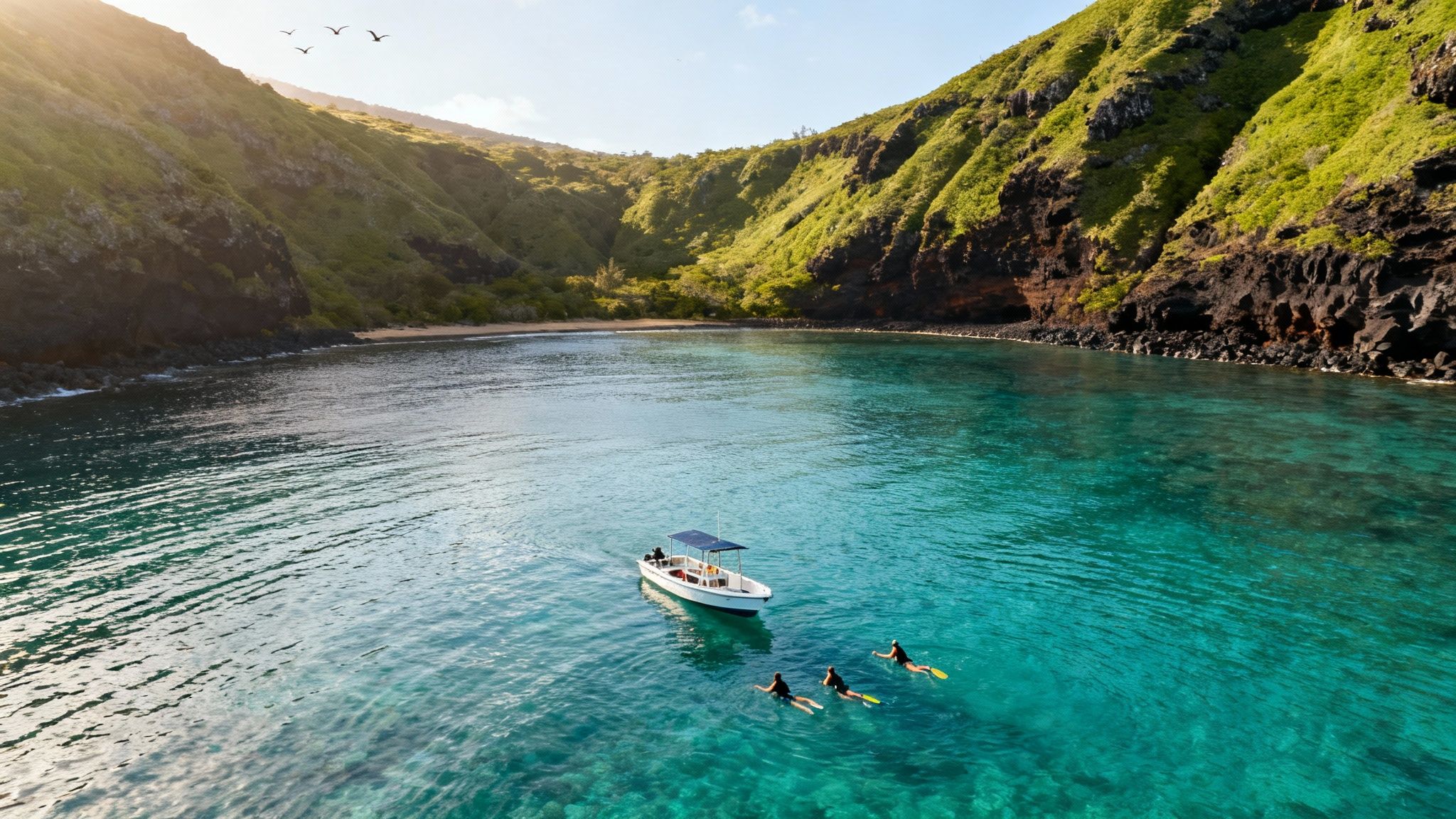
Early departures reward you with glassy seas and shafts of sunlight piercing the water. Whether you glide off a kayak or settle on a spacious catamaran, the bay’s protected status delivers visibility you won’t find elsewhere.
Prime Wildlife: Frequent green turtle sightings and dense schools of tropical fish
Water Clarity: Exceptional year-round, peaking in calm morning hours
Tour Styles: Paddle under cliffs or drift from a comfortable boat
Captain Cook Snorkeling At A Glance
To help you plan, here’s a snapshot of what Kealakekua Bay offers before you dive in:
Aspect | Details |
|---|---|
Location | Kealakekua Bay Marine Life Conservation District |
Access | Guided kayak tours or small-group boat excursions |
Water Conditions | Clear, calm, ~80°F throughout the year |
Wildlife | 175+ fish species, green sea turtles, vibrant corals |
Best Time | Early morning for the calmest seas and brightest views |
The bay’s protected status and steady temperatures make morning trips especially rewarding.
Key Planning Tips
Reserve an early slot to beat the crowds and enjoy mirror-like water.
Bring reef-safe sunscreen, your favorite mask and snorkel, plus a lightweight rash guard.
Confirm departure details with your operator the day before your tour.
Why Book With Kona Snorkel Trips
For a slightly different perspective—perhaps a sunset paddle or a Manta Ray night snorkel—check out Kona Snorkel Trips tour options. Kona Snorkel Trips is an exceptional alternative for both Captain Cook snorkeling tours and manta ray night snorkels, blending small-group experiences with eco-friendly practices.
“Timing and gear choices can turn a good snorkeling outing into an unforgettable underwater adventure.”
Marine Conservation Snapshot
Kealakekua Bay’s protective rules keep the ecosystem thriving and guide responsible exploration.
Over 190,000 annual visitors contribute to conservation funding.
No-touch reef policy ensures coral health and longevity.
Designated mooring buoys prevent anchor damage on the seafloor.
Partnering with certified operators means your trip actively supports these preservation efforts.
Local Insider Advice
Ask your guide about seasonal manta ray sightings just offshore.
Compare kayak versus boat tours to match your pace and comfort level.
Keep binoculars handy for spotting dolphins or seabirds along the cliffs.
Start early, respect the wildlife, and let every moment beneath the surface surprise you. Book now to claim your spot in this remarkable marine sanctuary.
Understanding The History Of Kealakekua Bay
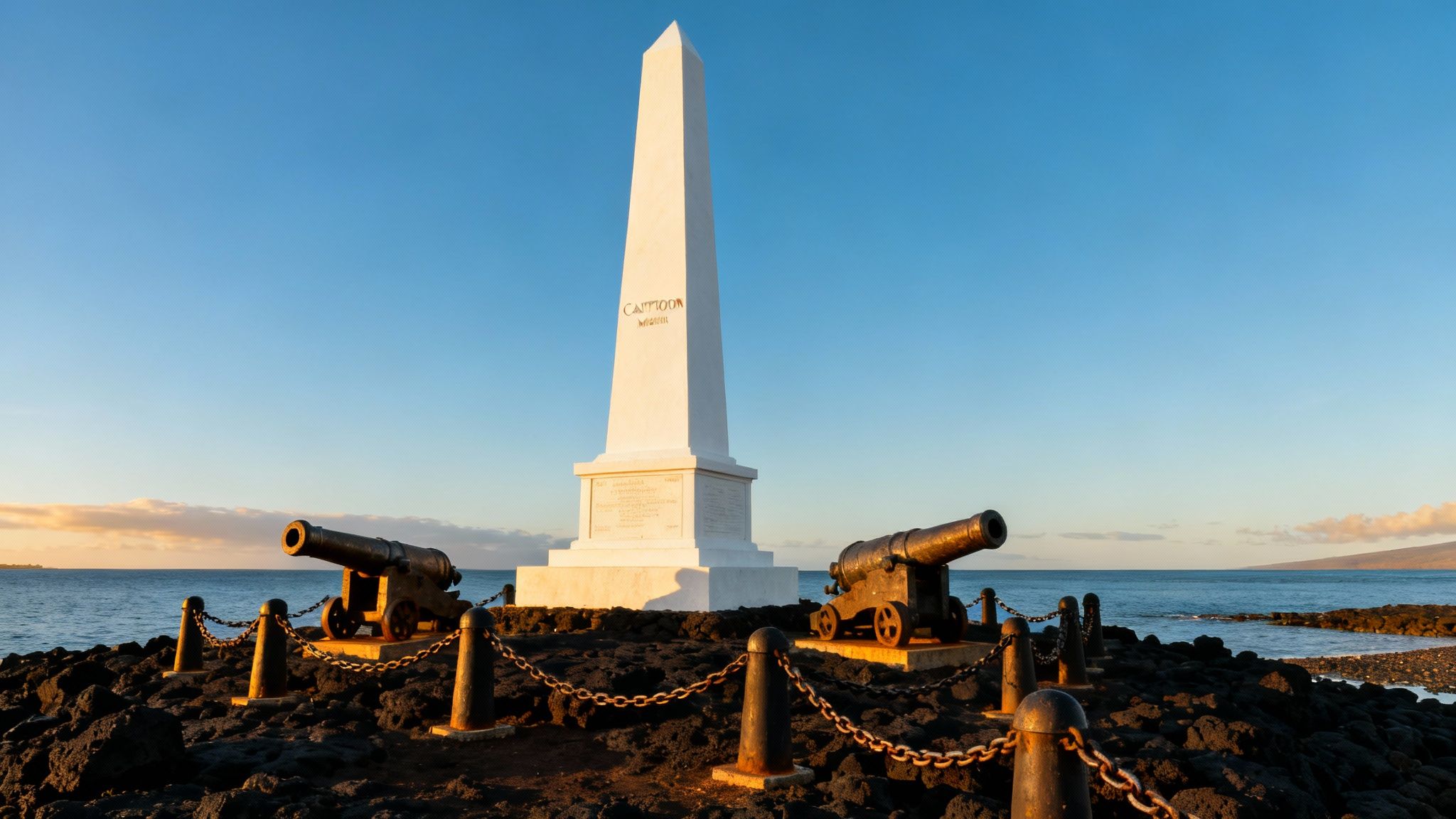
Captain James Cook first anchored in January 1779 during his third Pacific voyage. He aimed to chart Hawai‘i’s coastline and forge relationships with local chiefs. At first, chiefs and sailors traded gifts and joined communal feasts.
Tensions rose when Cook’s longboat disappeared. In an effort to recover it, he detained a high-ranking chief. On February 14, 1779, a confrontation erupted and Cook was killed on the shore.
January 1779: Initial anchoring and friendly exchanges
Ceremonies, feasting, and gift-giving
February 1779: Conflict over the stolen vessel
Origins Of The Monument
In 1874, local residents and British sympathizers erected a memorial on the north shore. A white obelisk now rises from a black basalt promontory, encircled by four HMS Fantome cannons and heavy chains. It marks the precise spot where Cook met his fate.
Over time, the monument evolved into a symbol of remembrance and marine protection. Each year, it draws over 100,000 snorkelers, who come for the history as much as the clear waters. Discover more about the monument’s story on the official site.
“The monument blends cultural remembrance with a gateway for modern snorkelers,” notes a longtime Kealakekua guide.
White obelisk perched on basalt
Four HMS Fantome cannons linked by chain
Protected within a Marine Life Conservation District
100,000+ annual underwater visitors
Today’s Captain Cook snorkeling tours weave cultural narrative with vibrant reefs. For a guided experience, explore the official Captain Cook snorkeling tour. If you’re looking for an alternative, Kona Snorkel Trips also offers expert-led excursions emphasizing sustainability.
Historical Significance Today
Standing at the bay’s edge, visitors often pause to absorb this layered history. Each plunge into the water becomes a journey through time, connecting centuries-old stories with the living reef below.
Exploring Marine Life And Snorkel Conditions
Kealakekua Bay’s protected status has allowed its reefs to flourish into a vibrant marine community. Snorkelers glide over swaying corals, from delicate plate forms to robust boulder shapes.
Before diving in, remember reef etiquette: avoid touching or kicking the coral. This simple rule safeguards fragile growth and maintains water clarity that can exceed 100 feet on a calm morning.
Currents in the bay vary—mild drifts greet you at dawn, while afternoon breezes can stir a livelier flow.
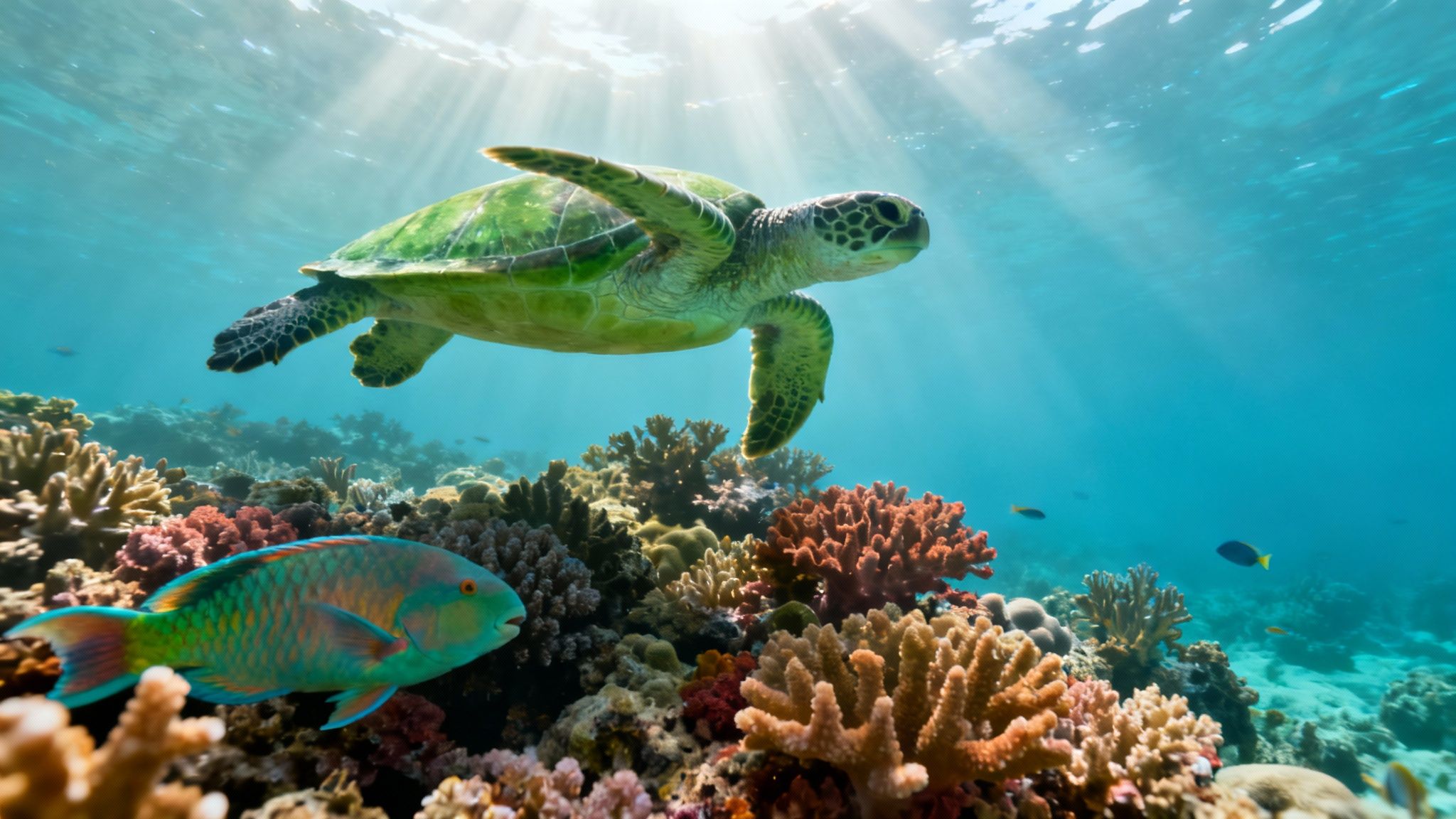
Here’s a snapshot of species you’re likely to spot:
Green Sea Turtle: Often seen nibbling algae in knee-deep waters.
Parrotfish: Bright scales and constant grazing help keep the reef clean.
Moray Eel: Shy residents that peek out from rock crevices at dusk.
Yellow Tang: Their vivid schools dart through branching coral heads.
Every dive feels like exploring a living aquarium as fish weave between coral formations at varying depths.
Ideal Daily Conditions
Set your alarm early: the bay rewards first arrivals with glassy water and few boats. As the sun climbs, visibility typically tops out before onshore winds pick up.
Water temperatures hover around 80°F, so most snorkelers skip wetsuits. Each year, over 190,000 visitors come here, with approximately 30% drawn by snorkeling alone in a habitat supporting more than 175 fish species and resilient coral Learn more about these findings.
“Planning your trip during sunrise maximizes underwater visibility and wildlife encounters.”
Reef Identification Tips
Understanding coral structures adds depth to your swim. Spot these common types to appreciate how each contributes to the reef’s health:
Coral Type | Appearance | Best Location |
|---|---|---|
Branching | Fingerlike sprays | Shallow mid-reef |
Massive | Dome-shaped or boulder-like | Lower reef slopes |
Plate | Flat, layered sheets | Edges of tidal zones |
A few simple habits help preserve these formations:
Maintain a horizontal position to reduce sediment kicks.
Use gentle fin strokes for steady buoyancy control.
Keep at least one arm’s length away to avoid accidental contact.
Navigating Bay Currents
Familiarize yourself with tide tables before setting out. Bay currents shift with each tide and breeze, so briefings from experienced guides are invaluable.
Review daily tide charts and wind forecasts.
Follow instructor directions on ideal entry and exit points.
Wear a reef-safe flotation vest to stay comfortably on the surface.
Wildlife Encounter Approaches
Approach turtles and fish with slow, measured movements in both head and fins. Matching eye level and gliding smoothly reduces stress on marine life.
“Gentle glides and minimal splashing foster calm wildlife interactions.”
Adopting these quiet techniques during guided Captain Cook snorkeling tours ensures respectful engagement.
Real-World Snorkel Scenario
Picture yourself on a small-group morning excursion led by a marine biologist. The boat drifts near the monument, and the guide points out a moray eel tucked deep in branching coral.
Start your swim close to the monument for the densest wildlife.
Use the boat’s gentle wake to conserve energy.
Pause by sandy patches to spot sand-dwelling creatures.
Sunset tours cast long shadows over coral formations, revealing new textures in low light. To secure your spot, check your gear list and book early:
For official guided tours, explore Captain Cook Snorkeling Tours.
If you prefer an eco-focused outing, Kona Snorkel Trips offers small-group adventures with sustainability at the core Check their tour options.
Comparing Captain Cook Snorkel Tours
Picking the right excursion around Kealakekua Bay really comes down to what matters most—whether that’s a short boat ride, roomy deck space, or deep-dive natural history commentary. Both the Official Captain Cook snorkeling tour and the Kona Snorkel Trips alternative bring their own set of perks, from departure point to included gear.
Here’s a quick checklist to guide your decision:
Departure Harbor: travel time and nearby parking
Vessel Design: shade coverage, seating comfort, stability
Group Size: more personal attention or a livelier crowd
Trip Duration: extra swim sessions or a tighter schedule
Included Equipment: basic mask and fins or bonus accessories
Comparison Of Captain Cook Snorkel ToursBefore committing, compare each tour side by side to see which aligns with your priorities.
Feature | Official Captain Cook Tour | Kona Snorkel Trips Alternative |
|---|---|---|
Departure | Napoopoo Harbor | Honokohau Harbor |
Vessel Type | Powerboat with shaded deck | Catamaran with spacious open deck |
Group Size | Up to 20 guests | Up to 30 guests |
Duration | 3.5 hours | 4 hours |
Included Gear | Mask, snorkel, fins | Mask, snorkel, wetsuit, camera rig |
Guide Expertise | On-board marine biologist | Certified naturalist + dive master |
Conservation Practices | Strict no-touch reef policy | Reef-safe sunscreen + eco-education onboard |
That table highlights how these two experiences shift the balance between education, comfort, and photo-ready extras.
Real World Scenarios
Families with young children often prefer the Official Captain Cook tour. The shorter transit and steady powerboat leave little room for seasickness.
Adventure seekers and photography buffs lean toward Kona Snorkel Trips. On the catamaran, you can stretch out, snap away with a dedicated camera rig, and enjoy longer drift swims.
“Our guests noted 15% more underwater exploring time on the catamaran,” says a Kona Snorkel Trips dive master.
Example Use Cases:
Family Day Out: calm bay swims with minimal boat time
Photography Focus: built-in camera mounts and extra attachments
Marine Biology Interest: deep species talks from a biologist
Quiet Exploration: smaller groups on the powerboat
Conservation And Expertise
Both operators invest in local preservation initiatives and follow Marine Life Conservation District rules. Guides are thoroughly trained in reef etiquette, ensuring every snorkeler respects the fragile ecosystem.
Best Practices They Share:
Enforcing a no-touch reef policy with gentle finning techniques
Briefings on fish behavior and safe turtle encounter distances
Supplying 100% reef-safe sunscreen and biodegradable deck cleaners
Gear Fit And Safety
A snug mask seal and properly adjusted fins can make all the difference underwater. When you’re comfortable, you’ll stay down longer and see more.
Quick Prep Tips:
Test your mask seal on land before boarding
Fine-tune fin straps to avoid pressure points
Practice snorkel clearing drills in calm shoreline water
Wear a rash guard for UV protection and chafe prevention
Vessel And Gear Details
Boat setup affects both comfort and ease of entry.
Powerboat: 18' shade canopy, dry storage lockers, onboard rinse tank
Catamaran: 200 sq ft open deck, stabilized floats, charging station
Optional snorkel vests with adjustable buoyancy fit both vessels
Sustainability Metrics
Eco-conscious travelers will appreciate measurable efforts to reduce impact.
25% reduction in emissions on eco-motors (catamarans)
Solar-powered rinse stations on deck
Reusable water bottles provided to each guest
5% of trip proceeds donated to coral restoration
Tour Pricing And Value
Weighing cost against included perks helps you find real value.
Official Tour: educational materials, bottled water included
Kona Alternative: wetsuit rental, camera rig access
Cancellation Policy: free up to 48 hours before departure
Group Rate: 10% discount for parties of six or more
Booking Your Adventure
Official Captain Cook tours start at $140 per adult. Kona Snorkel Trips alternatives begin at $160 per adult. Both offer group discounts and off-peak rates.
Explore full details and secure your spot on the Official Captain Cook tour here: Discover the official Captain Cook Snorkel Tour
Looking for more options? Dive into night snorkels with manta rays or explore other day trips: See all tour offerings
Choosing Your Ideal Tour
Decide what matters most—onboard amenities, guide expertise, or the green initiatives that keep these reefs thriving. Your perfect Captain Cook snorkeling adventure is just a click away.
Preparing Gear And Safety Guidelines
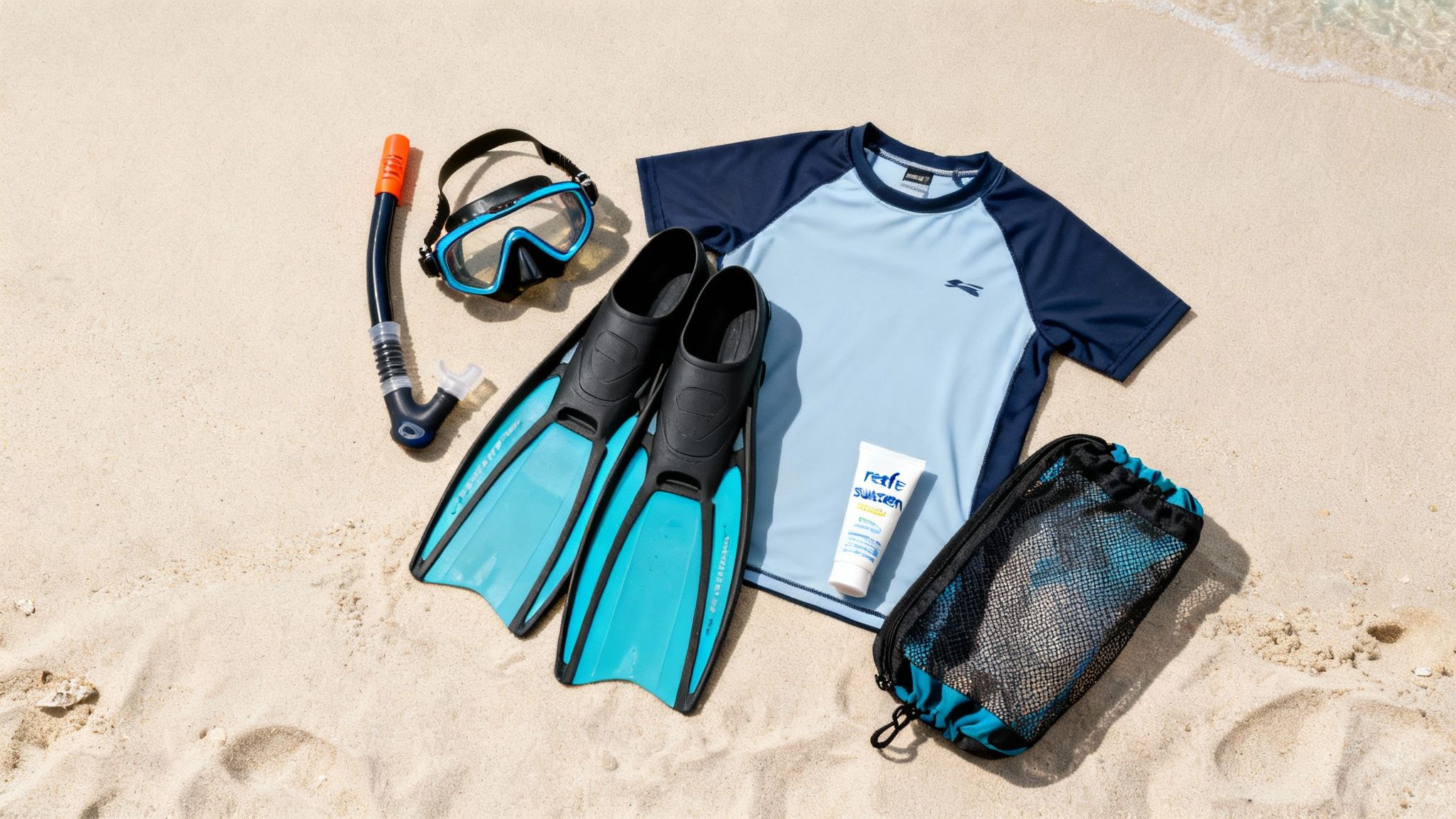
Packing the right kit lays the foundation for a safe, memorable snorkel around Captain Cook. This guide walks you through essential gear, simple safety checks, and green practices that keep Kealakekua Bay thriving.
Short prep routines help you stay comfortable while honoring one of Hawaii’s most delicate marine habitats.
Essential Snorkeling Equipment
• Mask: A snug fit stops leaks and lets you focus on fish instead of adjustments. Look for adjustable buckles and anti-fog coatings to minimize interruptions.• Snorkel: Dry-top designs or purge-valve models keep water out and streamline clearing.• Fins: Lightweight, flexible blades boost propulsion without tiring your legs—perfect for drift swims.• Rash Guard or Wetsuit: Shields you from UV rays and adds just enough warmth when the Pacific breeze picks up.
Setting Up And Testing Gear
Before you climb aboard, lay out each piece on a dry rack.
• Inflate buoyancy devices fully and inspect straps for fraying.• Test everything waist-deep—mask, snorkel, fins—to confirm fit and function.• Wipe lenses clean and purge snorkels of any debris before launch.
On longer tours, plan fresh-water rinses to clear salt and sand, prolonging gear life.
Assessing Water And Weather
Early mornings deliver the calmest seas and underwater visibility exceeding 80 ft.
As the day heats up, trade winds can stir surface currents. Check tide tables, wind forecasts, and surf reports to pick your window wisely.
• Use NOAA or local surf apps for up-to-date data.• Remember: incoming tides often accelerate flows at reef edges.• Steer clear of offshore winds that risk drifting you into open water.
Health And Hydration
Staying hydrated wards off cramps and lightheadedness in saltwater.
Drink at least 32 oz of water before boarding, then sip during every surface break. Balance electrolytes with light snacks or tablets to maintain steady energy.
Apply reef-safe sunscreen generously and reapply every 90 minutes. With UV reflection off the water, you’ll want a hat when you’re not submerged.
Reef Safety And Conservation
Kealakekua Bay depends on strict no-touch rules and designated mooring buoys. Never chase or handle wildlife—observe from a respectful distance to avoid stressing the ecosystem.
“Following reef-safe practices ensures long-term coral health and preserves over 175 species.”
Keep your fins horizontal to reduce sediment clouds and avoid sensitive areas. Support tour operators who fund local restoration and educational programs.
Mindset And Underwater Etiquette
A calm mindset sharpens your senses and keeps your breathing steady.
Learn basic hand signals for clear communication with guides and fellow snorkelers. Pause at the surface to spot landmarks like the Captain Cook Monument—this simple habit prevents disorientation.
Common Gear Mistakes
• Over-tightened mask straps cause discomfort and unwanted leaks.• Loose snorkel attachments invite water in, leading to constant clearing.• Worn-out gear—old mask skirts or cracked snorkels—can fail mid-swim.
Emergency Procedures And Signals
Knowing simple distress signals is vital in remote snorkeling zones. Carry a whistle on your gear lanyard for instant alerts.
Signal | Meaning |
|---|---|
Three Whistle Blasts | Need immediate assistance |
Arms Raised Over Head | Require boat pickup |
Pointing To Gear Issue | Equipment problem |
Familiarize yourself with floats and life rings aboard your vessel. For minor cramps, float on your back and signal calmly.
Local Regulations And Permits
Kealakekua Bay sits within a Marine Life Conservation District. Personal kayaks or paddleboards need permits, but most guided tours include these fees. Always verify your operator’s credentials to avoid fines and protect the reef.
After Trip Gear Care
Rinse all equipment in fresh water to clear salt and sand. Let everything air-dry in shade—sunlight degrades silicone and neoprene. Inspect mask skirts and fin straps annually, replacing worn parts to stay safe on every dive.
Booking Your Adventure
For an exceptional Captain Cook snorkeling tour alternative, check out Kona Snorkel Trips. Their small-group focus and eco-friendly ethos boost both safety and conservation impact.
Explore full tour options at Kona Snorkel Trips for flexible departure times and a seamless booking process that readies your gear and reserves your seat. Reach out for custom itineraries, group accommodations, or special equipment requests.
Safe travels.
Booking Your Captain Cook Snorkel Tour
Finding the right Kealakekua Bay tour means weighing departure points, boat style and guide background. You can secure your spot directly on the official Captain Cook Snorkel Tour site. Alternatively, Kona Snorkel Trips offers a smooth catamaran experience from Honokohau Harbor.
Compare policies, pricing and seasonal shifts to match your travel preferences:
Pricing Tiers: $140–$160 per adult, based on departure time and group size
Group Discounts: 10% off for parties of six or more on select dates
Cancellation Policies: Full refund up to 48 hours before departure; 50% within 24 hours
Seasonal Availability: Winter books fast; spring and fall have fewer crowds
The official tour departs Napoopoo Harbor aboard a shaded powerboat, guided by an onboard marine biologist. By contrast, Kona Snorkel Trips sails from Honokohau Harbor on a roomy catamaran with a naturalist dive master.
Comparing Tour Features
“Deciding whether you value extra deck space more than a marine biologist’s commentary will narrow down your best choice,” explains a local guide.
Feature | Official Tour | Kona Trips Alternative |
|---|---|---|
Price | $140 | $160 |
Launch Point | Napoopoo Harbor | Honokohau Harbor |
Boat | Powerboat | Catamaran |
Guide | Marine Biologist | Naturalist Dive Master |
Duration | 3.5 hours | 4 hours |
Consider these popular add-ons:
Wetsuit rentals
Underwater camera packages
Photo bundles
Guided reef education segments
Eco-friendly sunscreen (complimentary on some trips)
Cancellation rules tighten in winter with earlier deposit holds. Spring and fall offer more flexible windows and smaller deposits. Hunting off-peak deals can save 20% or even include free gear.
Final Steps For Booking
Once you’ve picked your tour, verify the total group size, age limits and any special requests. Complete the booking form, double-check cancellation terms, then finalize payment.
For the official tour, visit the Captain Cook Tour Booking Page.Or view schedules and extras with Kona Snorkel Trips here.
Tips For Group Bookings
Locking in a group slot often unlocks private charters and deeper savings. Many operators tailor itineraries for school trips, corporate outings or family reunions. Always outline dietary needs, gear sizes and age ranges when you book. Inquire about multi-date bookings to secure stable rates for returning groups.
Consider Seasonal Factors
High season (December to March) delivers peak marine sightings but limited availability. Shoulder months often mean calmer seas and friendlier prices—ideal for flexible travelers. Keep an eye on holiday schedules to avoid sold-out weeks. Rainy-season bookings can be cheaper, but expect rougher water and potential launch delays.
Ready to dive in? Book your spot now and lock in Hawaii’s top marine adventure.
Frequently Asked Questions
Below you’ll find straight-to-the-point answers for anyone planning to snorkel at Kealakekua Bay with Captain Cook.
What Is the Best Time of Day to Snorkel at Kealakekua Bay?Early mornings, between 7–10 AM, deliver the calmest waters and best visibility. Plus, you’ll encounter fewer boats around.
How Do I Reach the Captain Cook Snorkeling Launch Point?All tours depart from Napoopoo Harbor, a 20-minute drive south of Kona. Once you book, your operator will send detailed instructions on where to meet and how to park.
I’ve Never Snorkeled Before—What Should I Know?Before heading out, practice fitting your mask in ankle-deep water and get comfortable with clearing your snorkel. A guided tour also means an experienced instructor will be right there, helping you every step of the way.
Are There Age or Health Restrictions for Snorkeling?Most guests need to be at least 8 years old and feel comfortable in open water. Always let your tour operator know about any medical concerns before you hit the bay.
Safety And Booking Tips
Book early to lock in those morning slots—popular days sell out fast.
Double-check that the operator has your gear size, especially if you need child fins or a smaller mask.
Scan tide tables and wind reports so you can pick a calm day with high visibility.
“Early departures can improve visibility to over 100 ft, revealing more marine life.”
Waves tend to build after midday, making entry and exit trickier. Follow your guide’s boarding instructions to avoid slips or gear mishaps.
Wear a snorkel vest for longer drift swims—it saves energy.
Pack a waterproof bag for your phone, keys, or camera.
Most tours limit group size to ensure personal attention and reef etiquette. Children under 8 often need extra flotation and a parent right beside them.
Check cancellation policies upfront—off-season discounts and refund rules vary widely.
For an unforgettable night dive with manta rays, see Kona Snorkel Trips tour options.
See all schedules online to plan seamlessly.
For immersive snorkeling and expert guidance, visit Captain Cook Snorkeling Tours at https://www.captaincooksnorkelingtours.com/blog