
A Guide to Captain Cook Snorkeling in Kealakekua Bay
- Kona Snorkel Trips
- Dec 23, 2025
- 14 min read

When you snorkel at Captain Cook, you're not just going for a swim—you're immersing yourself in Kealakekua Bay, one of Hawaii’s most sacred and pristine underwater sanctuaries. It’s famous for its impossibly clear water, vibrant coral reefs, and marine life that seems almost as curious about you as you are about them. Getting here isn't a walk in the park, which is why a guided tour is really the only way to experience this remarkable piece of history and nature.
Why Kealakekua Bay is a World-Class Snorkeling Destination
Picture yourself floating in calm, turquoise water so clear you can easily make out the intricate details of coral formations 80 feet below. That’s not an exaggeration; it’s just another day of Captain Cook snorkeling in Kealakekua Bay. What makes this place so special is its unique blend of jaw-dropping natural beauty, deep historical significance, and its protected status. It’s a combination that makes it stand out, even in a place as incredible as Hawaii.
The bay is much more than just a pretty spot—it's a designated Marine Life Conservation District. This protection is the secret ingredient to its mind-blowing biodiversity.

A True Sanctuary For Marine Life
Because the bay is protected, it has become a thriving haven for sea life, drawing over 190,000 visitors each year who want to see it for themselves. The waters here are teeming with more than 175 species of fish and countless other marine creatures. Those conservation efforts mean the fish populations are not just bigger, but they're also way more comfortable with respectful visitors than fish in other, more frequented areas. You can get a deeper dive into what makes this bay a premier snorkeling spot and why a Captain Cook snorkeling tour is the best way to see it all. Our partners at Kona Snorkel Trips also have a great post about the bay's thriving ecosystem.
To give you a snapshot of what makes snorkeling here so incredible, here's a quick look at the highlights.
Captain Cook Snorkeling At a Glance
Feature | Details |
|---|---|
Water Clarity | The bay's unique geography shields it from ocean swells, keeping the water consistently calm and glass-like clear. |
Wildlife | From massive schools of bright Yellow Tang to graceful sea turtles (Honu), the marine life is plentiful and unafraid of snorkelers. |
Coral Reefs | The conservation status helps maintain vibrant, healthy coral gardens—the foundation of this bustling underwater city. |
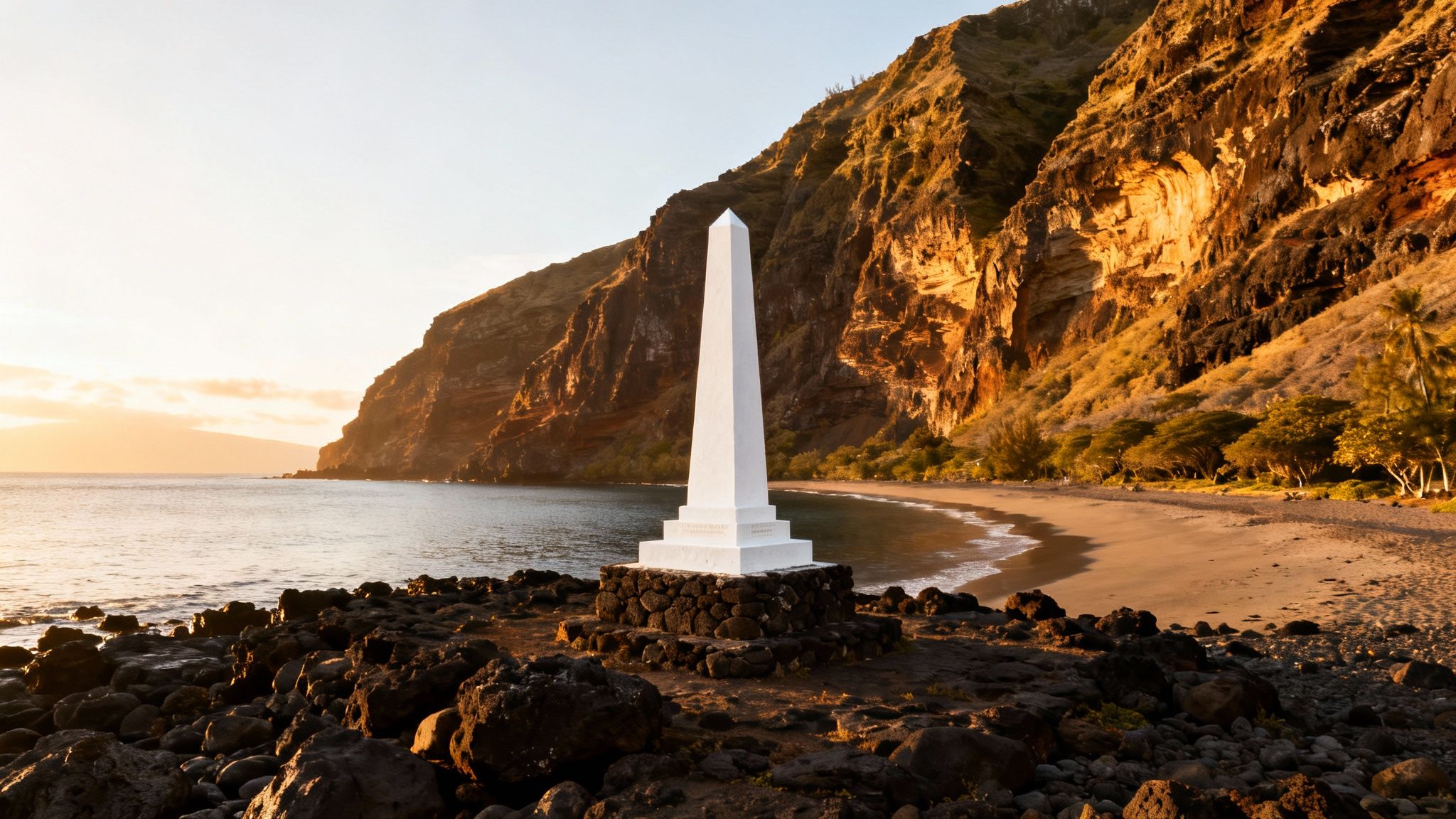
Historical Site | The white obelisk marks where Captain James Cook was killed, adding a layer of rich history to your adventure. |
It's this combination of factors that elevates a trip to Kealakekua Bay from a simple snorkel outing to a truly memorable experience.
A Journey into History
Snorkeling here is about more than just the fish; it’s a chance to connect with a pivotal moment in Hawaiian history. That iconic white obelisk you see on the shoreline marks the spot where British explorer Captain James Cook was killed in 1779. Knowing the story behind the site adds a profound depth to your swim, turning an already amazing snorkel into a journey through time.
For an unforgettable adventure in Hawaii, whether it's a Captain Cook snorkeling tour or the world-famous Manta Ray night snorkel, you can't go wrong with the expert guides at Kona Snorkel Trips.
When you slip into the calm, clear waters of Kealakekua Bay, you're doing more than just looking for fish. You’re floating through a pivotal moment in Hawaiian history. The incredible serenity of the bay today masks a dramatic past, and knowing the story turns a great snorkel into a truly powerful experience.
This story really gets going in 1779 when the British explorer, Captain James Cook, sailed his ships right into this bay. His arrival wasn't just any old visit. It happened to fall during Makahiki, an ancient Hawaiian festival celebrating Lono, the god of peace, fertility, and agriculture. Talk about timing.
A Divine Welcome Turns Tense
Because Cook showed up during this sacred festival, many native Hawaiians believed he was the physical form of Lono. So, he and his crew got the VIP treatment—welcomed with huge ceremonies, showered with gifts, and treated like honored guests for weeks. But this warm welcome was built on a massive cultural misunderstanding.
Things took a sharp turn when Cook's ships left, got damaged in a storm, and had to come back for repairs. By then, the Makahiki festival was over. The unexpected return of "Lono" outside the sacred season just didn't sit right. It sparked confusion and suspicion, and the good vibes quickly faded.
The once-divine visitors were now seen as mere mortals, and the relationship soured fast. Small squabbles over supplies and cultural clashes grew into something much bigger, setting the stage for a tragic end to Cook’s final voyage.
The breaking point came when one of the ship’s small boats, a cutter, was stolen. On February 14, 1779, during a confrontation to get it back, Captain Cook was killed. The spot is commemorated by that big white monument you see on the shore, which was put up in 1874. You can read more about the history of Kealakekua Bay to get the full, detailed story.
The Monument You See Today
That striking 27-foot white obelisk standing on the shoreline at Kaʻawaloa is the Captain Cook Monument. It marks the approximate spot where the fatal encounter happened. But here's a little-known fact that most visitors miss.
A Piece of Britain in Hawaii: A small plot of land around the monument was actually deeded to the United Kingdom in 1877. It's officially maintained by the British Royal Navy.
Symbol of a Complex Legacy: The monument is a stark reminder of the complex and often painful history that comes with cross-cultural encounters.
A Focal Point for Snorkelers: Today, the water right in front of that monument is the absolute best spot for Captain Cook snorkeling. This is where you'll find the most vibrant coral and the thickest schools of fish.
As you float there, looking at this historic marker, remember you're snorkeling in the exact place where two completely different worlds collided. It adds a whole other layer of meaning to the schools of yellow tang and curious turtles swimming alongside you. This history is what makes a Captain Cook snorkeling tour an experience you won’t find anywhere else.
If you're looking for a top-notch tour that brings both the incredible marine life and the rich history of the bay to life, Kona Snorkel Trips runs fantastic guided excursions that do just that.
Encountering the Marine Life of Kealakekua Bay
The moment you slip into the water at Kealakekua Bay, it feels like you've crossed a threshold into another world. This isn't just any patch of ocean; it's a designated Marine Life Conservation District. Think of it as a bustling underwater city, fully protected from the outside world. This is far more than just snorkeling—it’s a front-row seat to one of Hawaii's most pristine natural aquariums.
Because of that protected status, the fish here aren't just more abundant; they're noticeably bigger and surprisingly curious. In many places, fish dart away the second you get close. Here, they often swim calmly right alongside you, giving you an incredible up-close look. That unique, trusting behavior is exactly what makes a captain cook snorkeling trip so unforgettable.
A Kaleidoscope of Tropical Fish
The first thing that hits you is the sheer volume and variety of color. The coral gardens are absolutely teeming with life, creating a constantly shifting mosaic of brilliant hues that’s almost overwhelming.
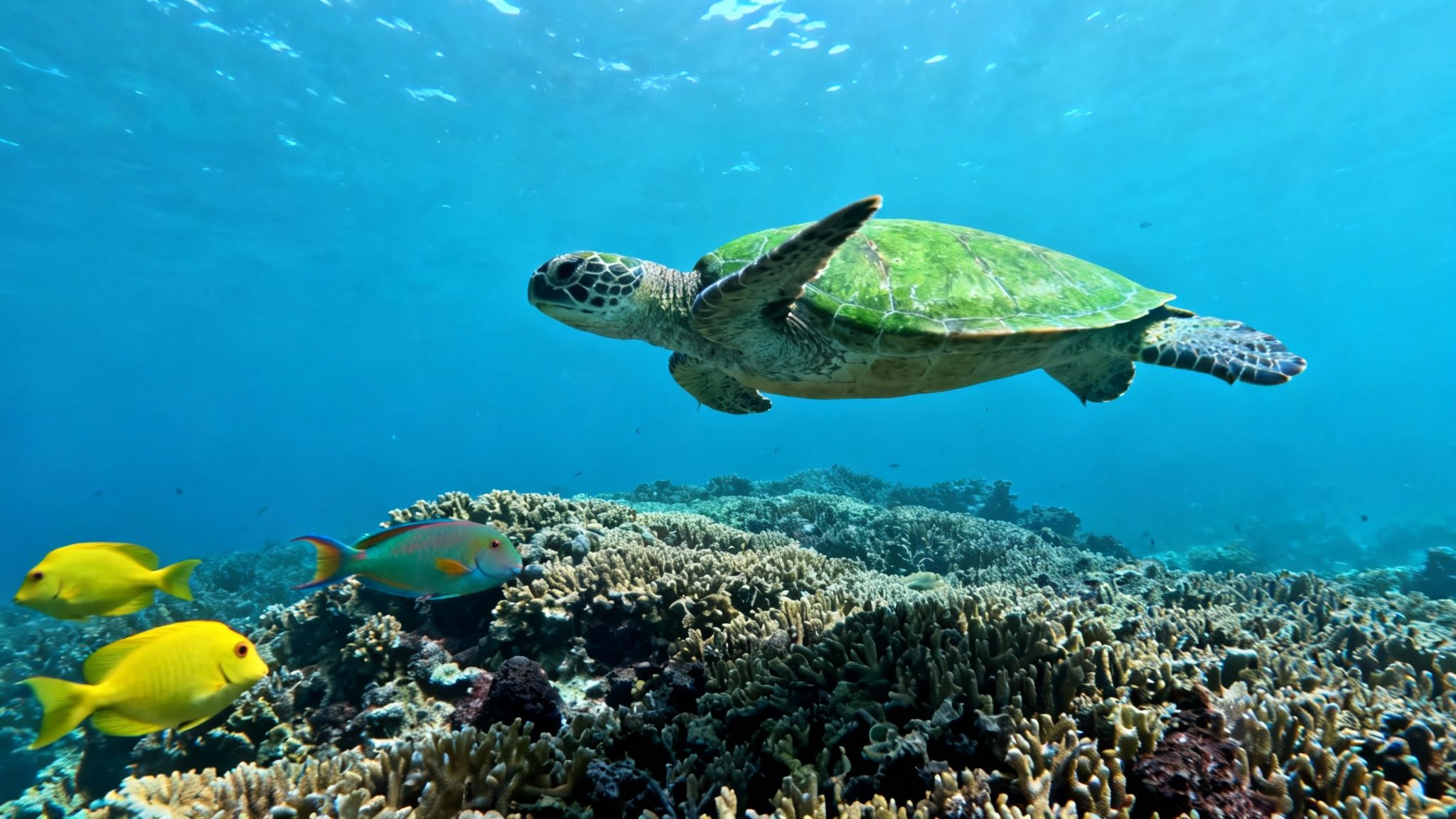
Massive schools of bright yellow tang, or lau'īpala as they’re known in Hawaiian, drift by like golden clouds. You'll spot vividly patterned butterflyfish, often zipping around in pairs as they weave through the coral branches. Keep an eye out for parrotfish, or uhu, easily identified by their powerful, beak-like mouths used for munching on algae-covered coral.
Among the reef's most common residents, you're almost guaranteed to see:
Yellow Tang (Zebrazoma flavescens): Impossible to miss, these iconic, electric-yellow fish often move in dazzling schools.
Parrotfish (Scarinae): If you listen carefully, you might even hear the faint crunch of them scraping algae off the coral—they’re the reef's tireless gardeners.
Moorish Idol (Zanclus cornutus): A snorkeler's favorite, this striking black, white, and yellow fish has a long, flowing dorsal fin that makes it look incredibly elegant.
Humuhumunukunukuāpuaʻa: Yes, it's a mouthful! Hawaii's state fish is a type of triggerfish known for its unique shape and spunky, territorial personality.
Graceful Honu and Playful Dolphins
While the reef fish are absolutely stunning, let’s be honest—many of us are hoping for an encounter with something a little bigger. Kealakekua Bay is a fantastic place to spot Hawaiian Green Sea Turtles, known with great affection here as Honu. These gentle, ancient reptiles can often be seen gliding gracefully through the water or just chilling out on the ocean floor.
Spotting a Honu in its natural habitat is a truly powerful experience. Just remember, these are protected animals. Always give them plenty of space and never, ever try to touch them. Let them move freely and without stress.
The bay is also a favorite hangout for playful pods of Hawaiian Spinner Dolphins (nai'a). Your best chance to see them is in the early morning, as they use the calm, protected waters to rest and socialize after a long night of hunting in the deep ocean. You should never chase after them, but watching from a respectful distance as they leap and spin is a sight you'll never forget.
If you want an exceptional, guided experience to see all this incredible marine life, a Captain Cook snorkeling tour is hands-down the best way to explore the bay safely and responsibly.
Why the Conservation Status Matters
That "Marine Life Conservation District" title isn't just a fancy label; it's the very reason this ecosystem is so vibrant. The strict "look-but-don't-touch" policy, combined with restrictions on fishing and boating, has created a true sanctuary where marine life can thrive without fear.
What this means for you is that you’re not just seeing fish; you're observing them in their truly natural state. Their behavior is more authentic, their populations are robust, and the entire food web is in balance. This healthy environment is the foundation of the incredible biodiversity you get to witness firsthand, and it's what makes Kealakekua Bay a world-class destination for anyone passionate about the ocean.
For a tour that deeply respects this delicate balance, Kona Snorkel Trips offers an exceptional alternative for a Captain Cook snorkeling tour and other adventures, making sure your visit is a positive one for the bay.
How to Choose the Best Captain Cook Snorkeling Tour
Let's be real—getting to the prime snorkeling spots near the Captain Cook monument is a mission. The hike is rugged and not for everyone, which means getting there by boat is the way to go. This makes picking the right tour the single most important decision for your whole adventure. You'll see plenty of options out there, from huge catamarans to zippy little zodiacs, and the best one for you comes down to what you're looking for in terms of group size, comfort, and the overall vibe.
Choosing a tour isn't just about getting from the harbor to the bay; it's about the entire experience. A great guide can turn a simple swim into something you'll never forget, sharing stories about the bay's delicate ecosystem and its deep historical roots. The best tour operators are obsessed with your safety, comfort, and helping you truly connect with this incredible place.
Comparing Your Tour Options
The kind of boat you're on really sets the tone for the day. Are you picturing a lively party on the water, or something a bit more personal and adventurous? Each style has its perks.
Large Catamarans: These big, stable boats are awesome for families or anyone who just wants a super comfortable ride. They usually have amenities like bathrooms, lots of shade, and sometimes even a water slide. The atmosphere is social, relaxed, and great for bigger groups.
Small, Intimate Vessels: This is where boats like rigid-hull inflatables (zodiacs) shine. They offer a much more adventurous, up-close-and-personal trip. With way fewer people on board, you get more one-on-one time with the crew and can often zip into cool sea caves and lava tubes that the big boats can't get near.
There's a reason these tours are so popular—it's that perfect mix of incredible history and mind-blowing nature. The numbers don't lie: the bay sees over 190,000 visitors a year, drawn by water visibility that can reach 80+ feet and a protected marine district teeming with 175+ species of fish. In fact, a whopping 70% of people who take a tour say the combination of history and snorkeling is what sealed the deal for them. Most operators run 4-hour trips for about 6-10 guests, including all your gear, a shot at spotting dolphins, and guided talks. You can learn more about why these tours are a must-do over at dolphindiscoveries.com.
To help you visualize the differences, here’s a quick breakdown of what you can generally expect from the most common tour types.
Tour Type Comparison: What to Expect
Tour Type | Typical Group Size | Experience Focus | Best For |
|---|---|---|---|
Large Catamaran | 30-100+ Guests | Comfort, Amenities, Social | Families, large groups, those wanting a relaxed party vibe. |
Mid-Size Sailboat | 15-40 Guests | Relaxed pace, sailing experience | Couples, smaller groups looking for a classic, scenic trip. |
Small Powerboat/Zodiac | 6-18 Guests | Adventure, Speed, Up-Close Access | Thrill-seekers, small groups wanting a personalized, intimate tour. |
Ultimately, the small boat experience, like what we offer, strikes that perfect balance—you get the adventure and agility to explore hidden spots without feeling lost in a massive crowd.
What to Look for in a Quality Tour Operator
Beyond the boat, the company running the show is what makes or breaks the trip. A top-notch operator doesn't just get you there and back safely; they make you appreciate Kealakekua Bay on a whole new level. For a genuinely fantastic day, we can't help but recommend a tour with a trusted operator like Kona Snorkel Trips, known for their amazing crew and focus on making the trip both fun and educational.
When you're weighing your options, keep these things in mind:
Experienced Guides: A knowledgeable guide who can weave together stories about the fish you’re seeing and the bay's history is priceless. You want someone who is passionate about conservation and actually excited to answer your questions.
Group Size: Smaller is almost always better. You won't feel like a sardine in the water, and you'll get way more personal attention from the crew.
Safety First: Make sure the company has a rock-solid safety record. This means well-maintained gear, clear safety briefings before you get in the water, and a certified crew of excellent watermen watching over you.
What's Included: Check what you're actually paying for. Good tours include high-quality snorkel gear (mask, snorkel, fins), flotation devices if you want them, plus snacks and drinks to keep you going. Knowing this ahead of time helps avoid any surprises.
A great Captain Cook snorkeling tour does more than just drop you off at a spot; it gives you the story behind it. The best guides help you see the bay not just as a beautiful reef, but as a living piece of Hawaiian history and a fragile ecosystem that deserves our respect.
At the end of the day, your choice of tour will shape your entire memory of this special place. By picking an operator that matches what you're looking for—whether it's adventure, comfort, or learning something new—you're setting yourself up for an unforgettable day exploring one of Hawaii’s greatest treasures. Ready to see it for yourself?
Respectful Snorkeling and Protecting the Bay
Kealakekua Bay is so much more than a stunning snorkel spot; it's a sacred Hawaiian cultural site and a fragile ecological treasure. When you slip into these waters, you’re a guest in a very delicate home. The Hawaiian principle of mālama—to care for and protect—isn’t just a nice idea here. It’s a responsibility, and it’s what will keep this bay vibrant for our kids and grandkids to experience.
Your adventure in mālama starts before you even get your feet wet. The choices you make on the boat, like the sunscreen you put on your skin, have a direct and immediate impact on the health of the coral reefs just below the surface.

The Golden Rules of Reef Etiquette
Once you're in the water, everything boils down to one simple rule: look, but never touch. This goes for every single thing you see in the marine environment. Those beautiful coral formations might look like sturdy rocks, but they are actually living colonies of tiny, fragile animals. A single touch from a hand or a fin can damage or kill them, leaving a scar on the reef that can take decades, if not longer, to heal.
It's the same with the wildlife. It’s incredibly tempting to get up close to a graceful Honu (sea turtle) gliding by, but remember they are protected animals. Chasing, touching, or crowding them causes a ton of stress and messes with their natural feeding and resting routines. Honestly, the most magical encounters happen when you give them plenty of space and just float, observing their peaceful world from a respectful distance.
"The essence of mālama is recognizing that we are stewards of this incredible place. Every action, from choosing the right sunscreen to giving wildlife its space, contributes to the preservation of Kealakekua Bay's natural and cultural legacy."
When you just hang back and watch, you not only protect the marine life but also get to see them behave naturally, which is a far richer experience.
How to Be a Responsible Snorkeler
Being a mindful visitor comes down to a few simple but crucial practices. Following these guidelines helps preserve the very pristine beauty you came all this way to see.
Use Only Reef-Safe Sunscreen: This is a big one. Standard sunscreens are loaded with chemicals like oxybenzone and octinoxate that are poison to coral reefs, causing bleaching and death. Always, always choose a mineral-based sunscreen that uses zinc oxide or titanium dioxide.
Do Not Stand on or Touch Coral: Never stand on, kick, or grab onto the reef for any reason. If you need to adjust your mask, find a sandy patch to rest, but always be aware of where your fins and body are.
Pack Out What You Pack In: Make sure every single piece of trash—even a tiny granola bar wrapper—makes it back with you. Marine debris is a huge threat to wildlife.
Choose a Responsible Tour Operator: Put your money where your heart is and support companies that prioritize conservation. A good operator doesn't just hand you gear; they educate you on how to be a good guest in the ocean. For example, Kona Snorkel Trips is an exceptional alternative for a Captain Cook snorkeling tour that truly walks the walk with sustainable practices.
Your visit makes an impact, one way or the other. By snorkeling with respect and care, you deepen your own connection to this incredible place and become an active part of its preservation story.
Your Captain Cook Snorkeling Questions Answered
Thinking about your trip to snorkel Captain Cook is exciting, but it's natural to have a few questions pop up. We get them all the time. Here are the answers to some of the most common things people ask before heading out to the incredible Kealakekua Bay.
Is Captain Cook a Good Spot for Beginners?
Absolutely. If you're new to snorkeling, Captain Cook is one of the best places you could possibly start. The bay is naturally sheltered from the big ocean swells, which means the water is usually incredibly calm and clear. It’s a very gentle environment, perfect for first-timers, families with kids, or anyone who just wants a relaxing time in the water.
Plus, any good tour operator will hook you up with all the gear you need—masks, snorkels, fins, and even flotation like pool noodles or life vests if you want a little extra support. The crew will also walk you through everything you need to know, so you'll feel totally comfortable and safe before you even get in.
When Is the Best Time of Year to Snorkel Here?
Honestly, you can have a fantastic snorkel at Kealakekua Bay any time of year. That's the beauty of Hawaii! That said, if you're aiming for those picture-perfect, glassy conditions, your best bet is to go in the morning. The water is almost always at its calmest and clearest before the trade winds start to kick up in the afternoon.
Looking at the seasons, the summer months from about April to October tend to have the most consistently calm ocean conditions. But even in winter, the bay's protected nature keeps it snorkel-friendly most days.
Can I Just Hike Down to the Captain Cook Monument?
Technically, yes, there's a trail. Realistically, you probably shouldn't. The Kaʻawaloa Trail is a seriously tough hike—we're talking a 3.8-mile round trip that drops and then climbs back up over 1,200 feet.
The trek down is hard on the knees, and slogging your way back up that steep trail in the Hawaiian heat after you've been swimming is just brutal. For your own safety, comfort, and just to have a much better time, getting there on a licensed boat tour is without a doubt the way to go.
Are There Other Must-Do Snorkel Tours on the Big Island?
You bet! While Captain Cook snorkeling is a world-class daytime adventure, the Big Island is famous for another incredible experience: the Manta Ray night snorkel. Getting in the water with these huge, gentle giants as they glide through the water is something you will never, ever forget. It's a true bucket-list moment.
If you're looking to book both, a great outfitter like Kona Snorkel Trips can get you set up. They run fantastic Manta Ray tours in addition to their top-notch trips out to Captain Cook.