
A Guide to Captain Cook Snorkeling
- Kona Snorkel Trips
- Nov 17, 2025
- 13 min read

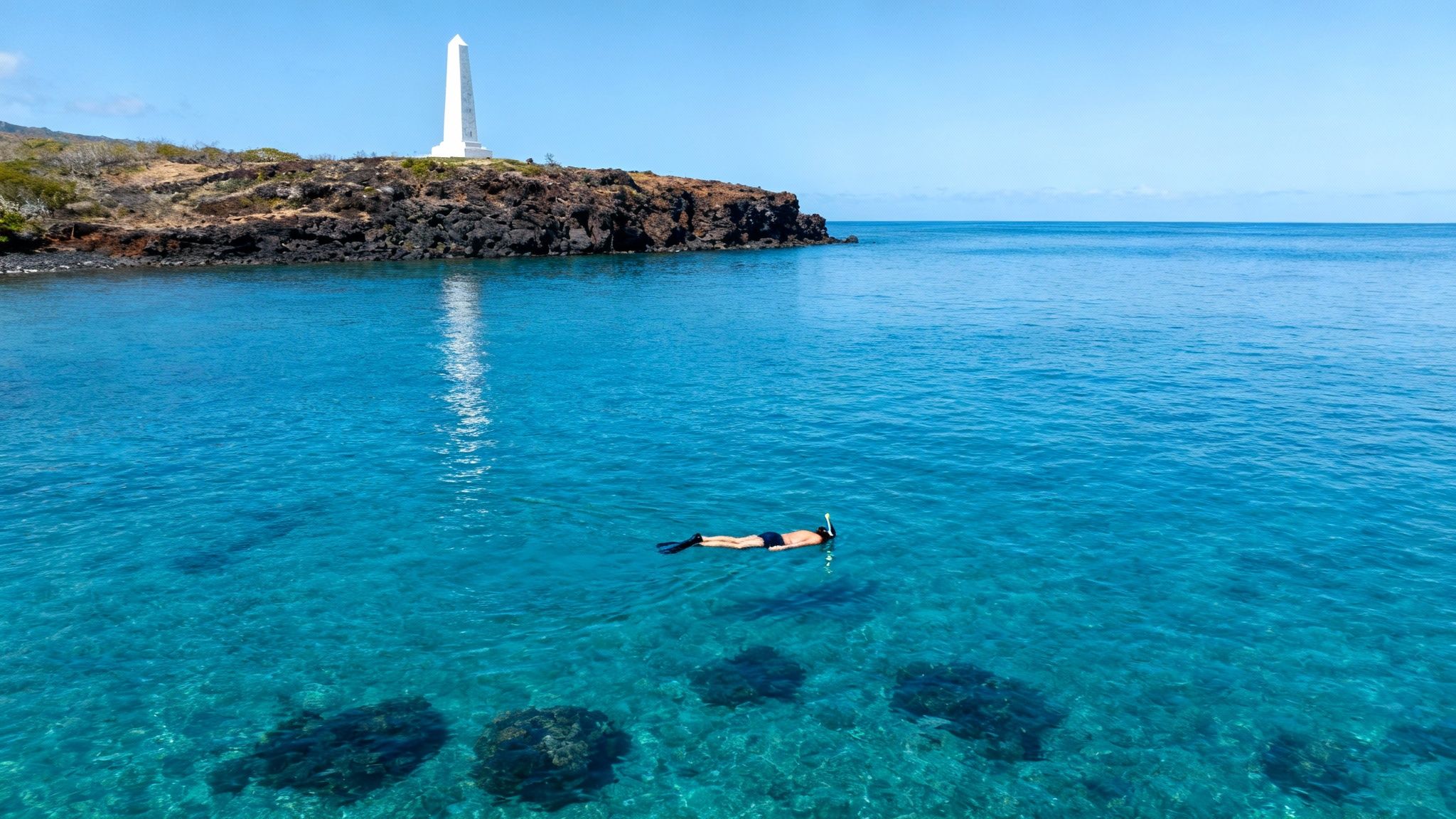
Kealakekua Bay hands down offers the best captain cook snorkeling on the Big Island. It's famous for a reason—the water is crystal-clear, the coral reefs are bursting with life, and the area is steeped in profound Hawaiian history. For most people, hopping on a guided boat tour is the smartest and safest way to get into this protected marine sanctuary.
This guide will walk you through the different ways to get to the iconic Captain Cook Monument so you can figure out which adventure is right for you.
Why Snorkel Kealakekua Bay
Kealakekua Bay isn't just another pretty spot to stick your face in the water; it's a world-class destination where nature and history collide. As a protected Marine Life Conservation District, its waters are a thriving sanctuary for hundreds of species of tropical fish, graceful sea turtles (honu), and, if you're lucky, pods of spinner dolphins.
The bay's calm, clear conditions and a dramatic underwater drop-off make it an incredible environment for snorkelers of all levels, from total beginners to seasoned pros.
Comparing Your Access Options
Getting to the prime snorkeling area near the Captain Cook Monument takes a bit of planning since you can't just drive up to it. You’ve really got three main options, and each one offers a completely different kind of day.
Boat Tour: This is the most popular and convenient choice by a long shot. It's perfect for families, first-timers, or anyone who just wants a hassle-free day on the water. The tours handle all the gear, safety briefings, and expert guidance.
Kayaking: A fantastic option if you're feeling adventurous. You get a lot of independence, but you'll need a permit (which rental companies usually handle) and be ready for a solid workout paddling across the bay.
Hiking: This is the most strenuous route. The Kaʻawaloa Trail is a challenging 3.7-mile trek with a very steep descent—and an even tougher climb back up. It's best left to experienced hikers who are up for a serious physical challenge.
To make it even clearer, here’s a breakdown of how these options stack up.
Access Method | Best For | Effort Level | Time Commitment | Key Consideration |
|---|---|---|---|---|
Boat Tour | Families, beginners, convenience seekers | Low | 3-5 hours | All-inclusive and guided. It’s simply the safest and easiest option. |
Kayaking | Adventurous travelers, fitness enthusiasts | Moderate | 3-4 hours | Needs a permit. If you go unguided, you have to tow the kayak with you. |
Hiking | Experienced hikers, budget travelers | High | 4-6 hours | A physically demanding trek, especially the return trip uphill. |
For a top-tier experience exploring Kealakekua Bay, a dedicated Captain Cook snorkeling tour is an excellent way to go. If you're looking for an exceptional small-group adventure, Kona Snorkel Trips is an exceptional alternative for a Captain Cook snorkeling tour or their famous Manta Ray night snorkel.
The Rich History of Kealakekua Bay
Kealakekua Bay is so much more than just an epic spot for a captain cook snorkeling trip—it's one of the most sacred and historically significant places in all of Hawaii. Long before snorkeling was even a thing, this bay was a major center of Hawaiian life. Its name literally means "the pathway of the god," which tells you everything you need to know about its spiritual weight.
For centuries, this was a bustling community, home to powerful chiefs, royal residences, and important temples (heiau). The rich volcanic soil and protected waters supported a huge population, making it a true hub on the Kona coast. Knowing this backstory completely changes your perspective; you’re not just going for a swim, you’re connecting with the very soul of the island.
This deep cultural history set the stage for one of the most pivotal moments in Hawaii's story, forever tying the bay to a world-famous explorer.
The Arrival of Captain James Cook
In January 1779, Captain James Cook, the legendary British explorer, guided his ships—the HMS Resolution and HMS Discovery—into the calm waters of Kealakekua Bay. His timing was incredible. He arrived during the Makahiki festival, a massive annual celebration for the Hawaiian god Lono. Some historians think the Hawaiians saw Cook and his strange-looking ships as a divine arrival, perhaps even Lono himself, which led to a peaceful and welcoming reception.
But that peaceful vibe didn't last. After Cook left, the Resolution suffered a broken mast in a storm, forcing them to make an unexpected return. This time, things were different. The return didn't fit the prophecy, and the relationship quickly soured. Cultural misunderstandings and rising tensions between the sailors and Hawaiians spiraled out of control.
On February 14, 1779, the conflict exploded. During a botched attempt to take a high chief hostage, Captain Cook was killed on the rocky shore of the bay. That single, violent event changed the course of Hawaiian history forever.
The Captain Cook Monument
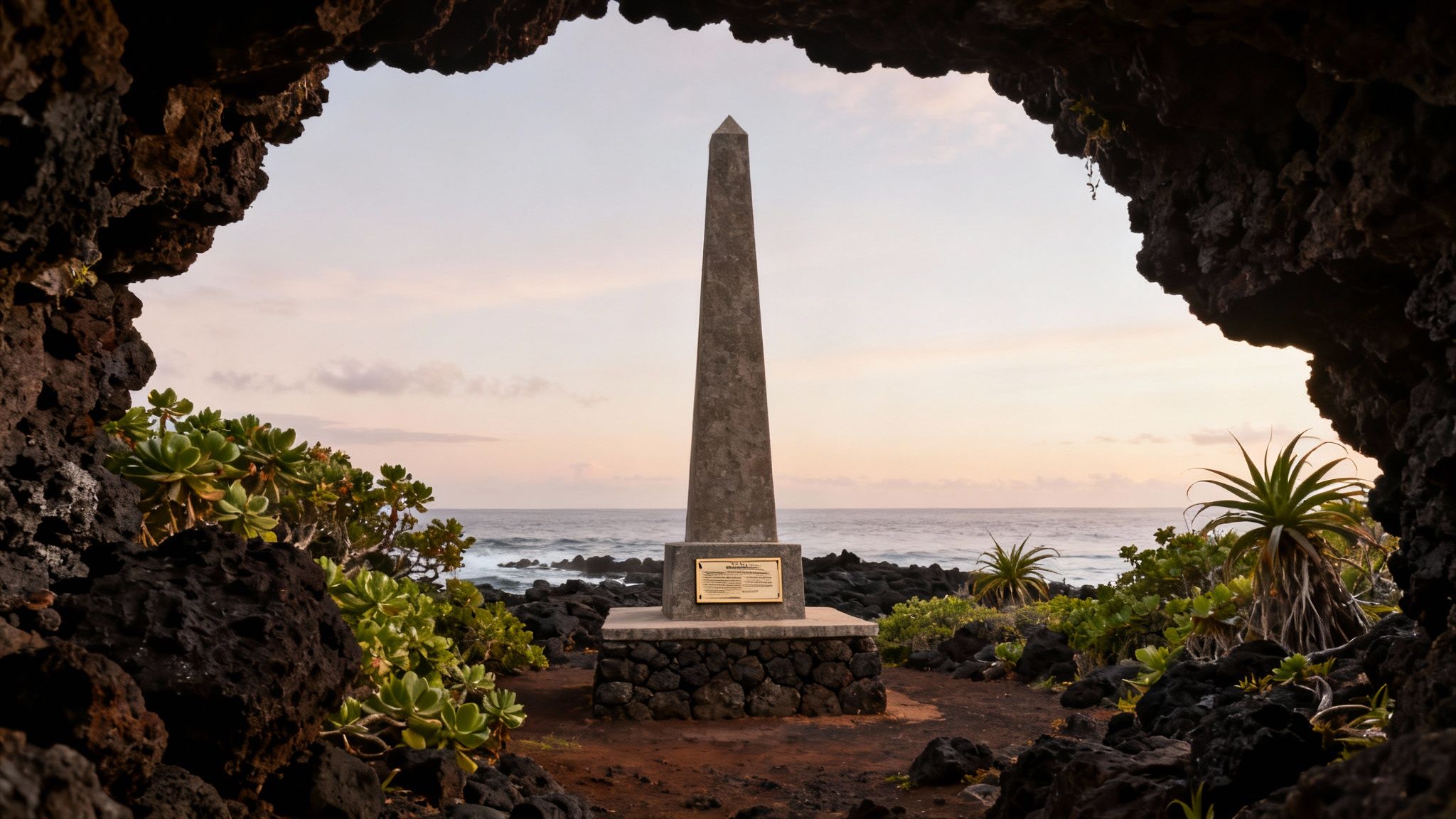
Today, a bright white obelisk stands on the shore, a stark marker of that fateful encounter. Erected in 1874, the Captain Cook Monument is a constant reminder of this complex history. The monument was commissioned by Archibald Cleghorn and, fun fact, the small parcel of land it sits on was actually deeded to the United Kingdom in 1877. It's flanked by four cannons from the HMS Fantome.
The bay's worldwide importance was cemented when it was added to the National Register of Historic Places in 1973. You can dive deeper into the history of the Captain Cook snorkeling site to learn even more about the monument's story.
When you're out there snorkeling in those clear blue waters, take a moment. You’re swimming in a place loaded with history and cultural power, which makes the whole experience so much more profound.
Discovering Underwater Life in the Bay
The moment you slip into the water at Kealakekua Bay, it’s like dropping into a completely different universe. It's a protected Marine Life Conservation District, which basically makes it a bustling underwater city—a sanctuary for hundreds of species. This protected status is precisely why a captain cook snorkeling trip here is so packed with color and life.
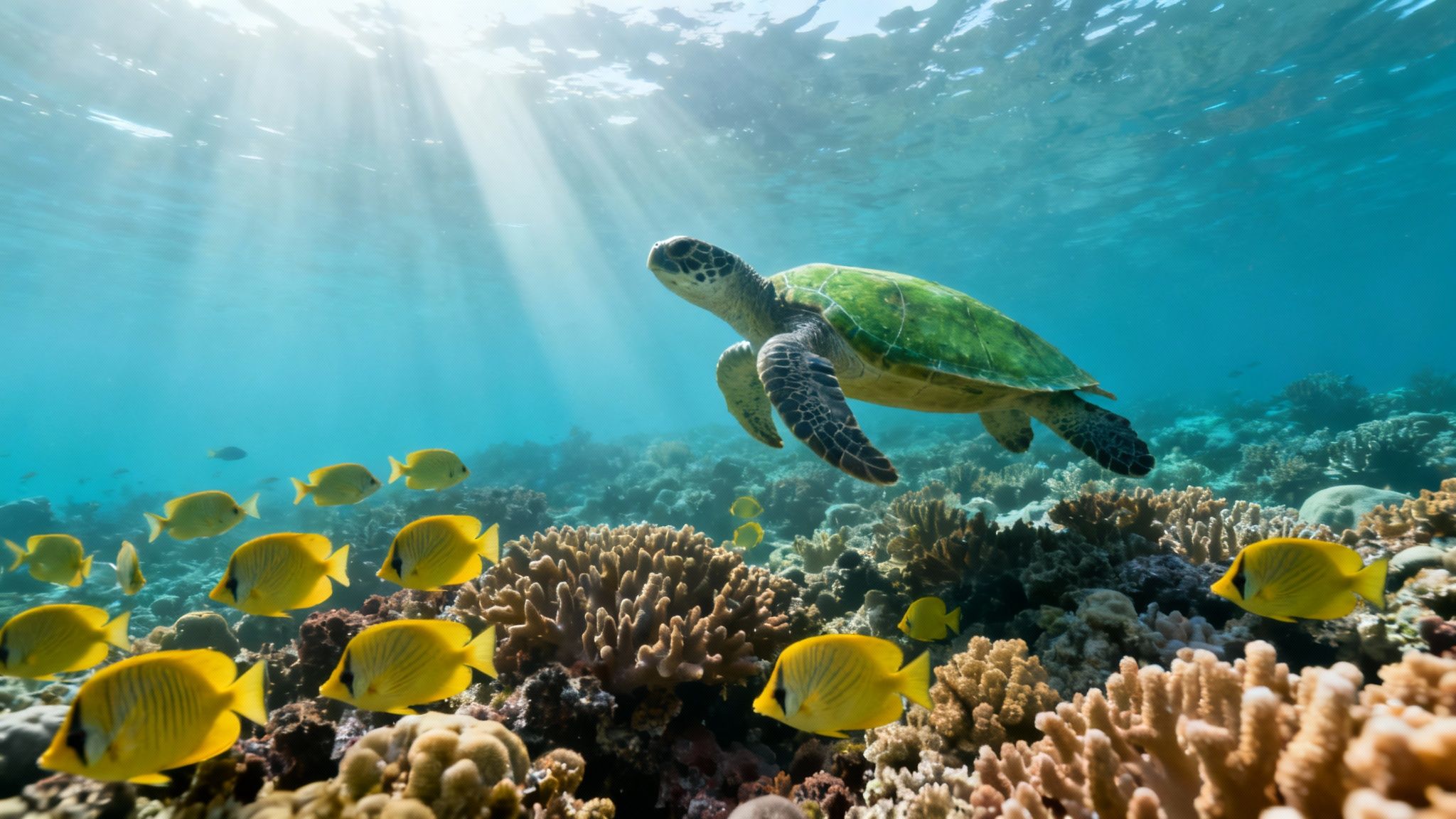
Look down, and you’ll immediately be met by huge, shimmering schools of yellow tang flashing in the sun. You’ll see ornate butterflyfish flitting over healthy coral gardens, and if you listen closely, you can actually hear parrotfish crunching on the reef. The sheer number of fish is just mind-blowing.
The Bay’s Thriving Ecosystem
Kealakekua Bay has a pretty unique underwater landscape, with a dramatic drop-off near the monument. This creates a bunch of different habitats all in one compact area, which is a big reason why the snorkeling is so spectacular and attracts such a variety of marine life.
It's one of the most popular snorkel spots in all of Hawaii, with over 190,000 visitors showing up every year. That protected status is critical for keeping its coral reefs and the creatures that live there—like parrotfish, moray eels, and green sea turtles—healthy for everyone. You can discover more about the bay's popularity and protection and see why it's such a big deal.
Some of the regulars you'll see include:
Hawaiian Green Sea Turtles (Honu): These guys are often just cruising effortlessly over the reef or taking a nap on the sandy bottom.
Spinner Dolphins (Nai'a): It’s not uncommon for pods of these playful dolphins to swing by the bay for a rest. If you're lucky, they might even put on a little acrobatic show for you.
Colorful Reef Fish: Besides the tangs and butterflyfish, keep an eye out for wrasses, triggerfish, and Hawaii's state fish, the Humuhumunukunukuāpuaʻa.
Seeing these animals in their natural element is an absolute privilege.
Respectful Wildlife Observation
Because the bay is a sanctuary, we have to be respectful guests. The number one rule is simple: look, but don't touch. That goes for everything, from the delicate coral to the curious sea turtles.
The key is to keep a respectful distance. Chasing or harassing marine life stresses them out and messes with their natural behavior. Just hang back and let them come to you—I promise, you’ll have a much more authentic and unforgettable encounter that way.
This hands-off approach keeps the animals safe and ensures the ecosystem stays healthy for the next generation of snorkelers. The best thing you can do is listen to your tour leaders; they'll make sure you're being a responsible visitor.
By following these simple guidelines, you’re doing your part to preserve this underwater paradise. Your captain cook snorkeling trip becomes more than just a fun day out; it’s a positive contribution to conserving one of Hawaii’s most incredible natural treasures.
Comparing How to Get to the Snorkel Site
Getting to the prime captain cook snorkeling area at the monument isn't as simple as parking the car and hopping into the water. Its remote location means you have to plan ahead, and you’ve basically got three choices, each a completely different kind of adventure: a boat tour, kayaking, or hiking.
Let's break down what each option really feels like—the effort, time, and overall experience—so you can pick the one that's a perfect fit for your crew and what you want to get out of the day.
Boat Tours: The Easiest and Safest Option
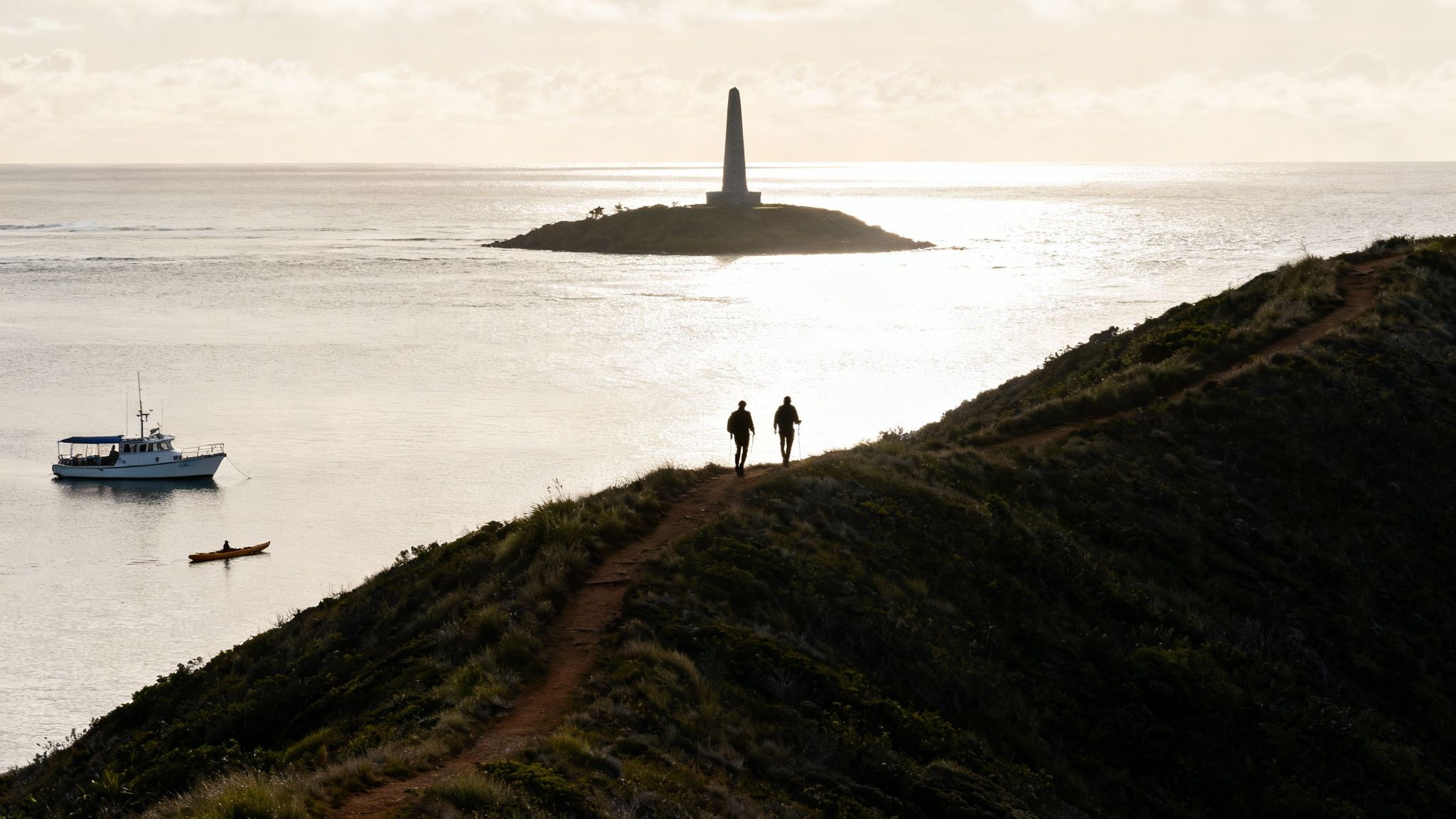
For most people, a guided boat tour is hands-down the best way to go. It completely removes the guesswork and logistical headaches, letting you focus on the fun. The tour company handles everything—permits, gear, snacks—making it a true all-inclusive day on the water.
This is the go-to choice for families with kids, anyone new to snorkeling, or frankly, anyone who just wants to relax and enjoy the ride. The guides are a huge plus; they'll share local history, point out spinner dolphins along the way, and make sure everyone is safe and comfortable. While it might seem like the most expensive option, the convenience and expert guidance are well worth it.
Kayaking: The Adventurous Route
If you’re up for a workout and want a bit more independence, paddling a kayak across Kealakekua Bay is an unforgettable experience. You'll be paddling about a mile each way across open water, which can be a real challenge if the wind or currents kick up.
Here's the critical part: you must have a permit to land your kayak at Kaʻawaloa, where the monument is. Most guided kayak tours include this, but if you just rent a kayak yourself, you are not allowed to beach it. That means you’re stuck towing it behind you while you snorkel, which is as awkward as it sounds.
Kayaking gives you a real sense of freedom and a fantastic workout. It’s perfect for exploring the coastline at your own pace, but it's best for people with some paddling experience and good fitness. It just requires more planning and muscle than a boat tour.
Hiking: The Most Strenuous Path
The third way in is the Kaʻawaloa Trail. Don't take this one lightly. This 3.7-mile round-trip hike is a serious undertaking. The trail drops a steep 1,200 feet down to the monument over a rugged path of loose lava rock and dirt.
Getting down offers some stunning views, but the real test is the brutal climb back up, especially after you've been swimming in the hot sun. This is a free option, but it's only for very fit, experienced hikers. You’ll need sturdy, closed-toe shoes and a lot more water than you think. It's by far the most demanding way to experience captain cook snorkeling.
How to Get to Captain Cook Snorkeling Comparison
To see how these options stack up, this table puts the key differences side-by-side. Think about what's most important for your day when you look it over.
Method | Best For | Approx. Time | Difficulty | Key Considerations |
|---|---|---|---|---|
Boat Tour | Families, beginners, convenience seekers | 3-5 hours | Low | All-inclusive and guided. The easiest, safest way to get right to the snorkel spot with all gear provided. |
Kayaking | Adventurous and fit travelers | 3-4 hours | Moderate | Requires a permit to land. Rentals without a guide must be towed while you snorkel. |
Hiking | Experienced hikers, budget travelers | 4-6 hours | High | Extremely strenuous uphill return. Requires proper gear, fitness, and a significant amount of water. |
At the end of the day, if you want a safe, informative, and truly enjoyable adventure, a boat tour like the ones offered by Kona Snorkel Trips is the top recommendation for most visitors.
Finding the right boat tour is the single most important decision you'll make for your captain cook snorkeling adventure. It's the difference between a good day and an unforgettable one. Not all tours are the same, and the little details can completely change your experience on the water. Let's break down what really matters.
The tour boats heading to Kealakekua Bay range from massive, double-decker catamarans to quick, nimble zodiac-style rafts. Each one offers a totally different vibe, so it’s all about matching the boat to the kind of day you want to have. Your main considerations should be the size of the crowd, how long you'll be out, and what's included.
Vessel Type and Group Size
The type of boat you're on pretty much sets the tone for the entire trip. Big catamarans that hold 20 to 40 passengers are often a hit with families or anyone who likes a bit more elbow room. They usually have crucial comforts like an onboard bathroom, plenty of shade, and sometimes even serve a full lunch. It’s a more relaxed, resort-style day trip.
On the flip side, you have the smaller, rigid-hull inflatable rafts that might only take out 6 to 12 people. These tours are all about adventure and intimacy. Because they're smaller, these boats can zip into sea caves and hug the coastline for a closer look. If you’d rather have a more personal experience with your guides and fewer people splashing around you at the monument, a small-group tour is definitely the way to go.
Here's the inside scoop: a smaller group almost always means a better snorkeling experience. You get more one-on-one time with the crew, the snorkel spot is less chaotic, and you can really connect with the quiet beauty of the underwater world.
Tour Duration and Inclusions
Most snorkeling trips to Kealakekua Bay run between three and five hours. But don't just look at the total time—dig into how much of that is actually spent in the water. Some tours are all about a slow, scenic cruise, pointing out historical spots and searching for dolphins. Others are laser-focused on getting you to the Captain Cook Monument for as much snorkel time as possible.
You'll also want to see what's included in the price. Any good tour will provide high-quality, clean snorkel gear (mask, snorkel, and fins) and flotation devices if you need them. Most toss in snacks, drinks, and lunch, but the quality can vary wildly. It's always a good idea to scan recent reviews to see what people are saying about the food and gear.
Finding a Quality Operator
So, with a sea of companies out there, how do you find one that's genuinely committed to safety, protecting the reef, and giving you an amazing day? If you want a tour that's all about the bay itself, a dedicated operator like Captain Cook Snorkeling Tours is a fantastic choice.
For those looking for a truly premium, small-group adventure, you can't go wrong with Kona Snorkel Trips. They've built a stellar reputation for their expert guides and unforgettable marine encounters—not just at Kealakekua Bay, but on their world-famous manta ray night snorkel, too. Their commitment to small groups makes every trip feel personal and special.
Picking the right company elevates a simple boat trip into a core memory of your Hawaiian vacation. Think about what matters most to you, and you’ll book the perfect captain cook snorkeling tour for your adventure.
A Word on Safety and Snorkeling With Respect
Snorkeling in the sacred waters of Kealakekua Bay isn't just an activity; it's a privilege. And with that comes a responsibility to keep yourself safe and to protect the incredible, yet fragile, ecosystem you're about to enter. Your safety and the health of the reef are really two sides of the same coin.
The first rule of snorkeling is simple: never go alone. Even in the bay's famously calm waters, conditions can shift. Having a buddy is the best safety tool you have. Always stay aware of what's happening around you, listen to your guide's instructions—they know these waters better than anyone—and don't be shy about using a pool noodle or life vest if you're not a super confident swimmer.
Protecting the Underwater World
Every single person who slips into the water here plays a part in preserving Kealakekua's future. The coral is the heart of it all, the foundation for the entire underwater world you're here to see. Following a few simple rules isn't just a nice idea; it's absolutely essential for the bay's survival.
Here's how you can be a thoughtful guest in this underwater sanctuary:
Use Reef-Safe Sunscreen: Your everyday sunscreen is poison to coral. Chemicals like oxybenzone and octinoxate cause coral bleaching and kill the reef. Always, always choose a mineral-based sunscreen with non-nano zinc oxide. The trick is to put it on at least 20 minutes before you get in the water so it has time to soak in.
Keep a Respectful Distance: The golden rule of wildlife viewing is look, but don't touch. Chasing after sea turtles, dolphins, or colorful fish puts a huge amount of stress on them. Just relax and let them come to you; you'll be amazed at how much more you see when you're patient.
Practice 'Leave No Trace': It’s an old saying for a reason. Take only memories, leave only bubbles. Make sure every bit of trash is secured on the boat and dealt with properly back on land. Nothing should ever be left behind.
Following these guidelines does more than just protect the reef; it preserves the authentic, pristine experience for every person who visits after you. It’s about being a mindful guest in one of Hawaii's most precious natural sanctuaries.
For an amazing tour that puts safety and the environment first, check out the small-group adventures offered by Kona Snorkel Trips. If you're set on this specific spot, a dedicated Captain Cook snorkeling tour is your best bet. By picking a good tour company and snorkeling with care, you're doing your part to keep Kealakekua Bay vibrant for years to come.
Your Captain Cook Snorkeling Questions, Answered
Getting your plans sorted for a Captain Cook snorkeling trip? I get it, you've got questions. Here are some straightforward answers to the things people ask most, so you can make sure your day in Kealakekua Bay is nothing short of perfect.
What is the Best Time of Day to Go?
I always tell people to aim for a morning tour. The ocean is usually much calmer, like glass, and the underwater clarity can be insane—we're talking visibility often pushing past 100 feet. The other big plus? You beat the crowds. The bigger tour boats tend to show up in the afternoon, so a morning trip gives you a more peaceful, intimate experience with all the incredible marine life.
Do I Need to Be an Expert Swimmer?
Not at all. You don't need to be an Olympian to have an amazing time snorkeling here. Any reputable tour company is going to hook you up with all the safety gear you need, like life vests or even pool noodles for extra flotation. The guides are always in the water with you, keeping an eye on everyone and making sure you feel safe. It's totally accessible, even if you're new to snorkeling.
Honestly, it’s less about being a powerful swimmer and more about just being comfortable in the water. The flotation gear lets you just relax and float on the surface, so you can focus all your attention on the underwater world right below you.
Are There Restrooms at the Monument?
Nope, nothing. The Captain Cook Monument is a pretty remote spot with no facilities to speak of—no restrooms, no showers, no snack shacks. This is exactly why going on a boat tour is the way to go for most people. The boats have onboard restrooms and other comforts to make your trip enjoyable from start to finish.
Why Can’t I Touch the Coral or Turtles?
This one's a big deal. Touching coral or marine animals like the Hawaiian green sea turtles (honu) is a strict no-go, and for good reason. Coral is a living creature, and even a light touch can strip away its delicate protective layer, leaving it vulnerable to disease. Bumping into a turtle can cause it serious stress and mess up its natural behavior. The golden rule is to always keep a respectful distance—it's the only way we can protect this fragile and beautiful place for years to come.
For a truly incredible day exploring this historic bay, I highly recommend booking with Kona Snorkel Trips. They run fantastic small-group adventures that really put your safety and the health of the reef first. And if you're also hoping to see the majestic manta rays, you have to check out their world-famous Manta Ray night snorkel tour.