
Your Guide to a Captain Cook Snorkel Tour
Discover the best Captain Cook snorkel tour in Kealakekua Bay. Our guide compares operators and shares essential tips for this must-do Hawaii adventure.
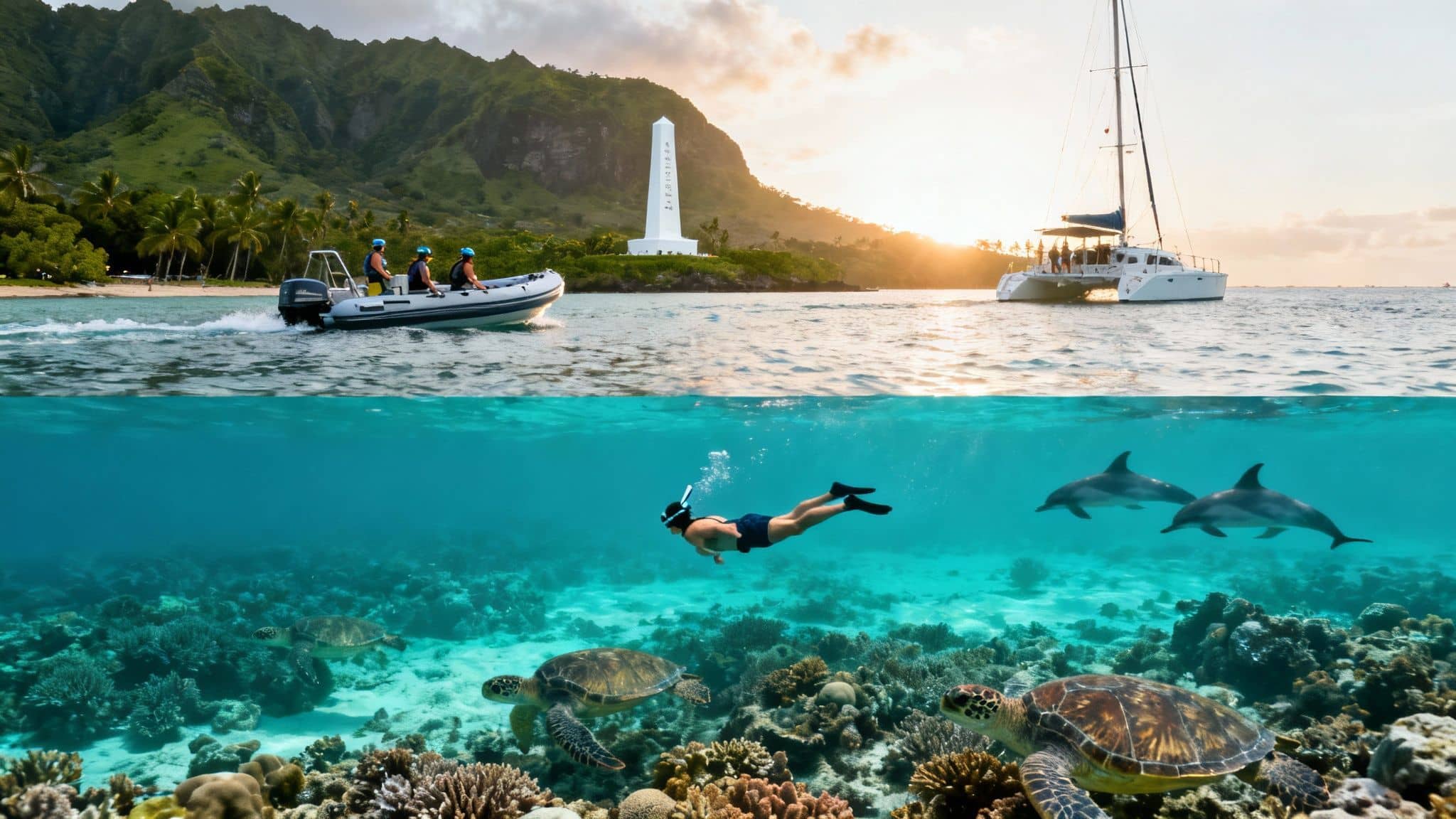
If you're looking for one of the most iconic experiences on Hawaii's Big Island, the captain cook snorkel tour should be right at the top of your list. It's the perfect blend of world-class snorkeling in Kealakekua Bay and a fascinating journey into a place that's deeply woven into Hawaiian history. These tours give you exclusive boat access to the vibrant coral reefs and impossibly clear waters around the Captain Cook Monument, an area just teeming with life.
Why This Tour Is a Big Island Must-Do
A Captain Cook snorkel tour isn't just another item to check off your vacation list; it's a complete Big Island adventure. The boat ride itself takes you to Kealakekua Bay, a protected Marine Life Conservation District where snorkeling conditions are just about perfect all year long. The bay is naturally calm and sheltered, often with water visibility stretching beyond an incredible 100 feet. It’s like swimming in an aquarium.
Once you dip your head below the surface, you'll be floating above some of the most pristine coral reefs in all of Hawaii. You'll see hundreds of species of tropical fish, graceful sea turtles (honu), and, if you're lucky, a pod of playful spinner dolphins.
What really elevates the whole experience is the history. You're snorkeling in the exact spot where Captain James Cook first landed and interacted with Native Hawaiians back in 1779—a moment that changed the islands forever. For a deeper dive into the whole experience, check out our complete guide to a Captain Cook snorkel tour.
What Sets This Experience Apart
Unlike spots you can just walk up to from the shore, the best parts of Kealakekua Bay are really only accessible by boat. That natural barrier means fewer crowds and a marine environment that's much better preserved. The tour operators handle everything for you, from top-notch snorkel gear to expert guides, making sure the trip is safe and unforgettable for everyone, whether you're a total beginner or a seasoned pro.
While this tour is an absolute daytime highlight, many visitors also want to experience the island's famous nighttime adventures. If you're looking for another amazing trip on the water, premier operators like Kona Snorkel Trips offer both the classic Captain Cook snorkeling tour and the world-renowned Manta Ray night snorkel—another absolute must-do when you're here.
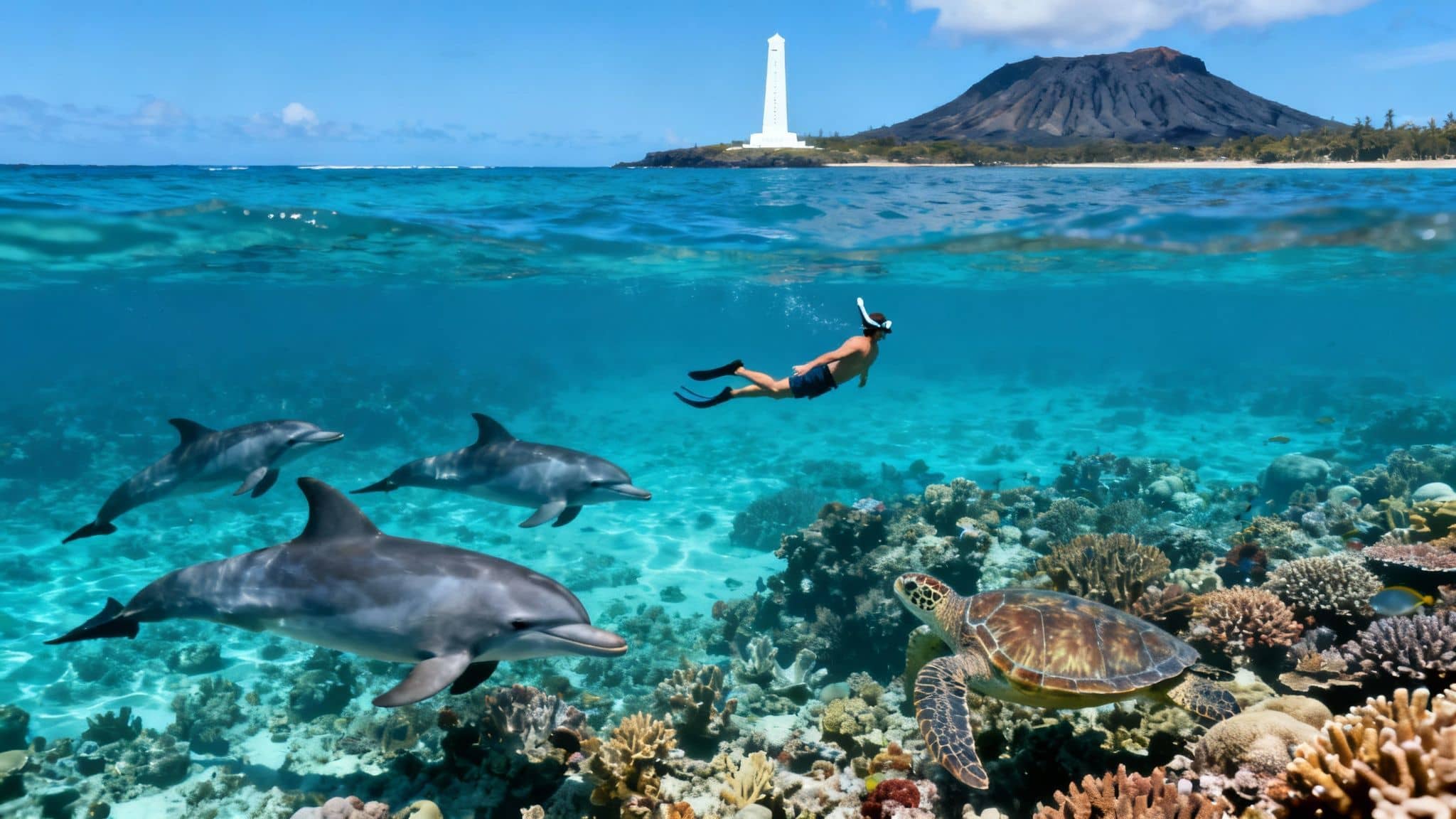
Booking with a dedicated tour company is the way to go. Their guides know these waters inside and out, sharing stories about the area's history and pointing out marine life you'd almost certainly miss on your own.
Exploring Kealakekua Bay Marine Sanctuary
The real magic behind any Captain Cook snorkel tour is the place itself: Kealakekua Bay. This isn't just another pretty spot on the Kona coast. It’s a legally protected Marine Life Conservation District (MLCD), and that designation is everything. Think of it as a shield, keeping the underwater world here in a nearly pristine state, allowing the ecosystem to absolutely explode with life.
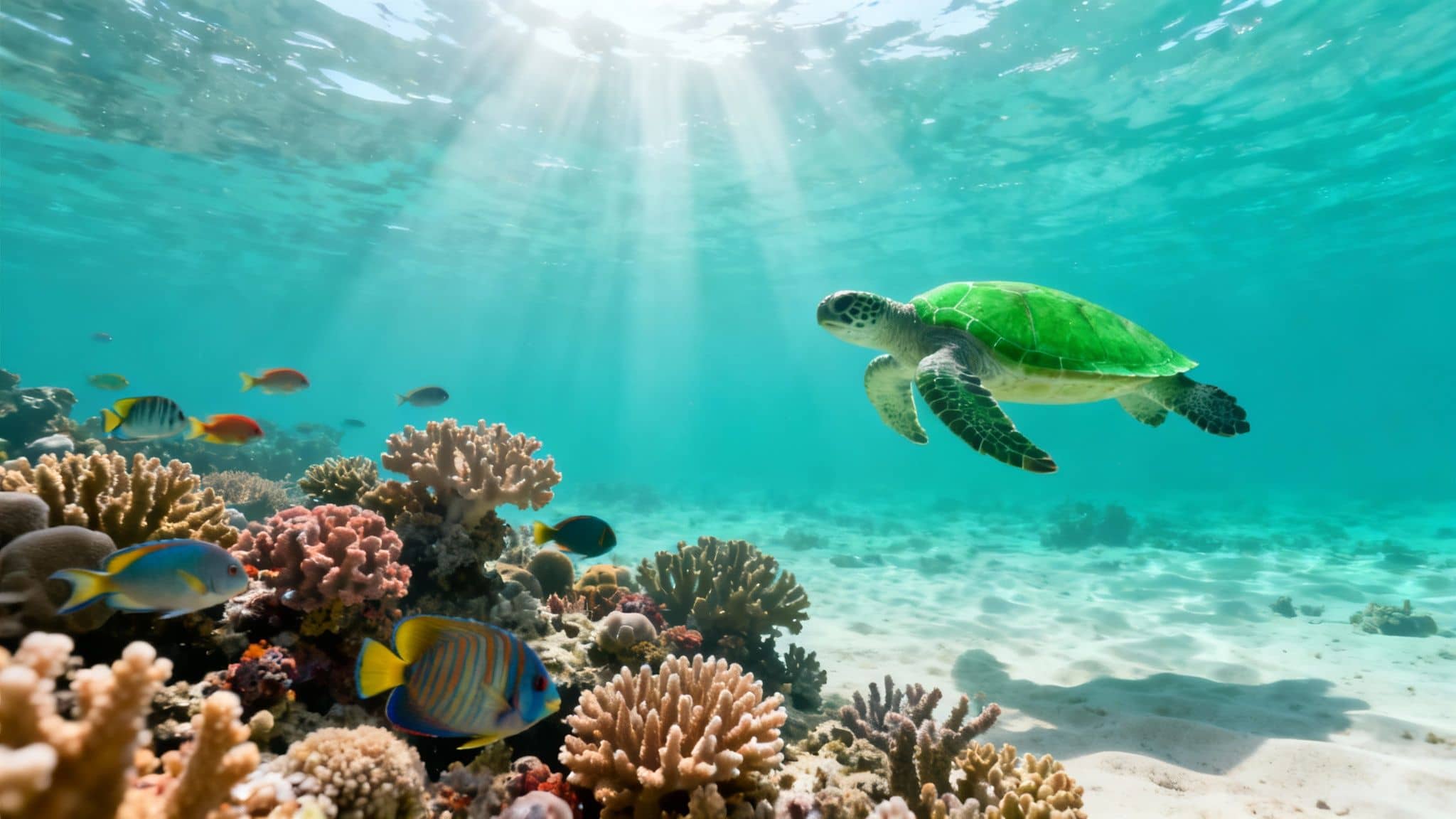
This protection is exactly why the bay is teeming with such a dense and diverse population of sea creatures. Its geography creates calm, sheltered waters that often boast visibility clearing 100 feet, making it a perfect playground for both snorkelers and the animals they've come to see.
An Underwater Paradise
What makes the snorkeling here truly legendary is the sheer abundance of life. The bay's status as a Marine Life Conservation District has been crucial for safeguarding its incredible ecosystem, which is home to over 200 species of fish, pods of spinner dolphins, and jaw-droppingly colorful coral reefs.
It's a world-renowned snorkeling destination for a reason. More than 190,000 visitors are drawn to this one spot every single year, cementing its place as a cornerstone of Hawaii's ecotourism.
The coral gardens are some of the healthiest you'll find anywhere in Hawaii, providing a thriving city for an unbelievable variety of fish. The second you dip your head in the water, you're greeted by a kaleidoscope of color.
This gentle environment lets you float effortlessly above the reef, just watching the intricate dance of marine life below without fighting currents. It’s this triple-threat of clarity, calmness, and conservation that makes every snorkel trip here so unforgettable.
Marine Life You Can Expect to See
While no two days are ever the same out on the water, Kealakekua Bay has some pretty reliable residents you're likely to meet.
- Hawaiian Spinner Dolphins (Nai'a): You’ll often spot them in the mornings. These incredibly playful dolphins use the bay's calm waters to rest and socialize after a long night of hunting in the open ocean.
- Green Sea Turtles (Honu): Seeing these gentle, ancient reptiles is a common and truly humbling experience. They glide gracefully over the reef or sometimes just chill out near the coral heads.
- Colorful Reef Fish: Get ready for schools of vibrant yellow tang, Moorish idols, butterflyfish, and parrotfish. The sheer number and variety are just astonishing. You can dive deeper into Kealakekua Bay’s vibrant marine life in our detailed guide.
The Rich History of the Captain Cook Monument
Sure, the vibrant underwater world is the main event, but a captain cook snorkel tour is also a powerful journey into one of Hawaii's most important historical sites. Kealakekua Bay isn't just a marine sanctuary; it's the very spot where two completely different worlds collided, changing the course of Hawaiian history forever. That towering white obelisk you see from the water? It's more than a landmark—it's a symbol of this complicated and emotional story.
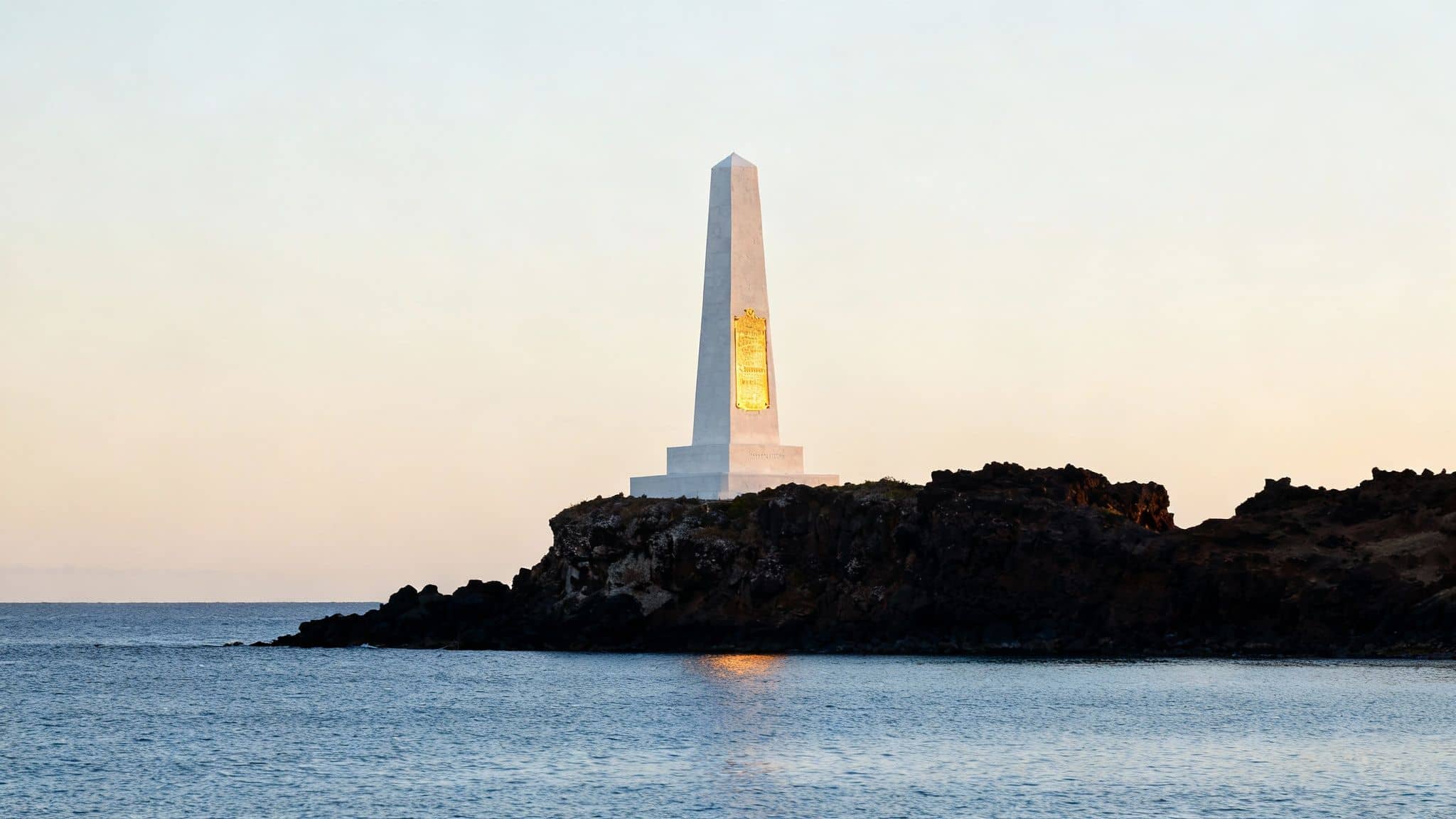
This exact location is famous for being the site of one of the most consequential meetings between Western explorers and Indigenous cultures. In January 1779, the renowned British explorer Captain James Cook first landed here, a moment that would have massive repercussions.
Just weeks later, on February 14, 1779, a second, more tense visit ended in conflict and Cook's violent death—a tragedy now marked by the monument. This stark structure stands on land that remains deeply sacred to Native Hawaiians, a reminder of the site’s layered and poignant cultural legacy.
A Story of Two Worlds
Long before Cook’s ships appeared on the horizon, Kealakekua Bay was a place of peace and great spiritual importance for Native Hawaiians. Its name, "the pathway of the gods," tells you everything you need to know about its sacred status.
The arrival of Cook's ships, the HMS Resolution and HMS Discovery, was an event unlike anything the islanders had ever seen. Initially, it was met with reverence and intense curiosity. But cultural misunderstandings and simmering tensions quickly soured the relationship. This clash of cultures is the heart of the story, transforming the bay from a secluded sanctuary into a landmark of global historical importance. You can [read more about Captain Cook's 1778 encounter](https://www.captaincooksnorkelingtours.com/post/captain-cook-hawaii-history-1778-encounter) to get the full context of these pivotal events.
How History Enriches Your Tour
The best tour guides are more than just fish-finders; they are storytellers who bring this history to life. They share the narratives from both Hawaiian and Western perspectives, offering a balanced and respectful account of what happened here over two centuries ago.
This historical context helps you appreciate not only the incredible natural beauty of the bay but also its enduring cultural weight. It fosters a deep respect for the area, reminding you that you are a visitor in a location that holds immense significance for the Hawaiian people. This blend of nature and narrative is what makes a Captain Cook snorkel tour truly unforgettable.
How to Choose the Right Snorkel Tour for You
Picking the perfect Captain Cook snorkel tour can feel a bit daunting when you see just how many great choices are out there. The trick is to figure out what kind of day you're picturing and match it to the right tour. Are you after a zippy, coastline-hugging adventure? Or maybe a relaxed family day out with all the bells and whistles?
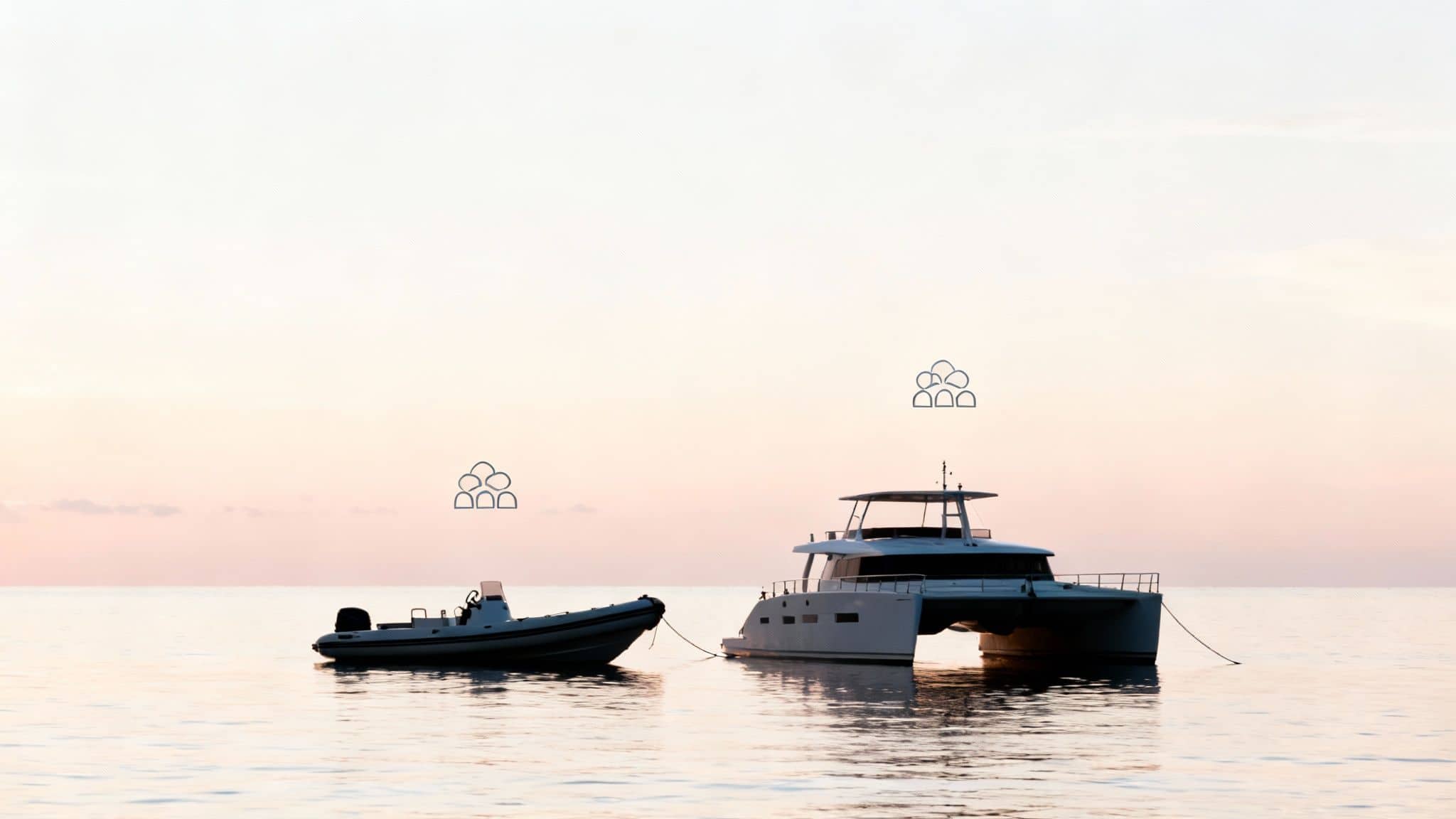
These tours are a huge part of the Big Island's tourism scene, and you'll find a bunch of solid, experienced operators. Some companies are all about small, intimate groups for a super personal vibe. Others focus on being budget-friendly or packing the trip with rich historical stories.
The good news is, all that competition keeps the quality high across the board. The one catch? You absolutely need to book ahead, especially if you're visiting during the busy season.
Comparing Captain Cook Snorkel Tour Styles
To make things easier, let's break down the common tour styles. Use this table to find the perfect fit for your travel crew, whether you're looking for a personalized trip, a great deal, or a boat loaded with family-friendly features.
Comparison Point — Intimate & Personalized (e.g., Small Zodiacs) — Budget-Friendly Adventure (e.g., Mid-Size Rafts) — Family Fun & Comfort (e.g., Large Catamarans)
Vessel Type — Fast, agile Zodiacs or small powerboats. — Sturdy, rigid-hulled inflatable rafts. — Large, stable sailing or powered catamarans.
Group Size — Typically 6-12 people. Very small groups. — Usually 12-20 passengers. A good middle ground. — Often 20-40+ people. More of a party vibe.
Best For — Adventurous couples, photographers, and experienced snorkelers who want maximum water time. — Solo travelers, budget-conscious groups, and people who want a mix of adventure and affordability. — Families with young children, non-swimmers, large groups, and anyone who gets seasick easily.
The Vibe — Thrilling, fast-paced ride. Gets you up close to sea caves and the rugged coastline. — Fun and energetic. Focuses on the snorkeling experience without too many extra frills. — Relaxed, leisurely cruise. Think of it as a floating home base with food, drinks, music, and plenty of space to lounge.
Key Amenities — Usually minimal. Water and maybe a light snack are common. The focus is on the adventure itself. — Basic amenities provided. Snorkel gear is standard; some may offer snacks and drinks. — All the comforts: restrooms, shaded seating, freshwater showers, slides into the water, and often a full meal/bar.
Downsides — Can be a bumpy ride. Not ideal for those with back problems or young kids. Limited amenities. — Fewer comforts than a large catamaran. The ride can still be bumpy in choppier water. — Less personal attention due to larger group size. Can feel crowded at the snorkel spot.
At the end of the day, the "best" tour really just comes down to what you're looking for. A couple seeking adventure might have the time of their lives on a speedy Zodiac, while a big family reunion will be much happier with the space and amenities on a catamaran.
Vessel Type And Group Size
One of the first things to decide is what kind of boat you want to be on. This choice has the biggest impact on the whole feel of the day, from the speed of the ride to the size of the crowd you'll be with.
- Zodiacs and Small Rafts: These things are built for speed and getting into places bigger boats can't. You'll get a thrilling, spray-in-your-face ride along the coast, and they can often duck into small sea caves. The group sizes are small, usually 6-12 people, which makes for a way more personal experience.
- Catamarans and Larger Vessels: Comfort is the name of the game here. These boats are super stable, making them a great choice for families with little ones or anyone worried about seasickness. They come loaded with amenities like bathrooms, shaded decks, and sometimes even water slides. The trade-off is larger group sizes, often 20-40 people.
Tour Vibe And Inclusions
Think about the atmosphere you want. Are you looking for a high-energy day packed with exploration, or would you prefer a more laid-back cruise?
Some tours are all about maximizing your time in the water. Others are designed to be chill and family-friendly, including meals, drinks, and other activities on board. It's also worth checking reviews to see what people say about the quality of the snorkel gear and the knowledge of the guides, as this can really vary.
For a deeper dive into specific operators, be sure to read our guide on the [top 5 Captain Cook snorkel tours in 2025](https://www.captaincooksnorkelingtours.com/post/top-5-captain-cook-snorkel-tours-in-2025).
If you're looking for that sweet spot—expert guides, a comfortable boat, and a team that genuinely cares about the marine environment—we'd love for you to check out the Captain Cook snorkeling tour we run. We've designed it from the ground up to give you an incredible day exploring Kealakekua Bay.
How to Prepare for Your Snorkel Adventure
A little prep work goes a long way toward making your Captain Cook snorkel tour an amazing day out on the water. When you know what to bring and what to expect, you can show up feeling relaxed and ready to jump in.
Most tours have a simple check-in process, usually right at the harbor. Once you're on the boat, the crew will walk you through a quick but important safety briefing. They'll show you where the life vests are and explain the safest way to get in and out of the water. This is also a great time to listen up for their tips on spotting the coolest marine life.
Your Essential Packing List
While your tour will provide the snorkel gear, there are a few personal items you'll want to have with you to make the day comfortable. Pack smart, and you can focus on the fish, not on what you left behind.
- Reef-Safe Sunscreen: This is a big one. Regular sunscreens have chemicals like oxybenzone that seriously damage coral reefs. Do your part to protect the incredible ecosystem you’re there to see.
- Towels and a Change of Clothes: Nothing feels better than a dry towel after a good snorkel. A dry shirt or cover-up is perfect for the boat ride home when the breeze picks up.
- Waterproof Camera or Phone Case: The underwater world at Kealakekua Bay is something else. You’ll definitely want to snap some photos of the schools of colorful fish and vibrant coral.
- Reusable Water Bottle: It's easy to get dehydrated out on the ocean. Most boats have water coolers for refills, so bringing your own bottle is a great way to stay hydrated and be eco-friendly.
- Hat and Polarized Sunglasses: The Hawaiian sun reflecting off the water is no joke. A good hat and polarized shades will save your eyes and face on the boat.
Tips for First-Time Snorkelers
Never snorkeled before? Don't sweat it—it's super easy to pick up. The whole trick is just to relax and breathe normally.
Getting a good mask fit is crucial. It should create a gentle seal on your face without feeling like it's squeezing your head. Your guide will show you how to test the fit before you even get wet.
Once you're in the water and floating, just focus on taking slow, even breaths through the snorkel. You don't need to kick like you're in a race; gentle, easy kicks with your fins are all it takes to glide right over the reef. For a deeper dive, check out our guide on the **top 6 Captain Cook snorkeling tips for 2025**. A little prep means you'll spend less time fiddling with gear and more time staring in awe at everything below.
Your Captain Cook Tour Questions Answered
Even with all the details sorted out, you might still have a few questions rolling around in your head before you hit that "book now" button. Totally normal. This last section is all about giving you clear, straight-up answers to the most common questions we hear, so you can lock in your plans and get excited.
Is This Tour Good for Non-Swimmers or Little Kids?
This is probably the number one question we get, and the answer is a big yes—as long as you pick the right boat. The good, reputable companies are pros at making sure everyone, regardless of their comfort level in the water, has a great time.
For anyone who isn't a strong swimmer, the crew will hook you up with high-quality life vests and flotation gear like pool noodles or boogie boards. These things let you float on the surface with zero effort. Just relax, put your face in the water, and take in the incredible underwater show without having to swim a stroke. The guides are always right there in the water with you to lend a hand and make sure you feel totally safe.
If you're bringing the family, especially with young kids, the bigger catamarans are usually your best bet. They're super stable, which cuts down on any seasickness, and they have handy amenities like bathrooms, shady spots, and an easy way to get in and out of the water. Kealakekua Bay is so calm and protected, it's pretty much the perfect place for a kid's first snorkeling adventure.
When’s the Best Time of Year to Snorkel in Kealakekua Bay?
One of the awesome things about snorkeling at Kealakekua is that it’s fantastic all year round. The bay is naturally sheltered from the big ocean swells, which means the water is almost always calm and crystal clear.
That said, there are a few little differences depending on the season:
- Winter (December - March): It's humpback whale season! While they don't come inside the bay itself, you've got a great shot at seeing them on the boat ride there and back. The water might be a degree or two cooler, but it's still plenty comfortable.
- Summer (June - August): The ocean is at its warmest and usually dead calm. It's postcard-perfect snorkeling. This is also peak season, so booking your tour well in advance is a must.
- Spring & Fall (April - May, September - November): A lot of people call this the sweet spot. You get that perfect mix of amazing weather, warm water, and way fewer people in the water with you.
What if the Weather Goes Bad?
Safety is, and always will be, the absolute top priority. The captains are constantly watching the weather and ocean conditions. If a trip has to be canceled because of something unsafe like high winds or a rare large swell, you'll generally have two choices.
Most companies will try to get you rebooked on a tour for another day. If your vacation schedule doesn't allow for that, you’ll get a full refund. It’s a policy that ensures you don’t have to worry about losing out on money for something that's completely out of your control.
Can I Get to the Captain Cook Monument Without a Boat?
Technically, yes, you can. But for most folks, it's not a great idea. The monument is tucked away in a remote corner of the bay with zero road access. The only way to get there on foot is by tackling a seriously tough 4-mile round-trip hike. You're going down—and then all the way back up—a steep, hot, and rocky trail.
Booking a proper Captain Cook snorkel tour just gets rid of all the hassle and physical strain of the hike. It lets you save your energy for what you really came for: exploring the unbelievable underwater world of Kealakekua Bay.
For an exceptional alternative when looking for a Captain Cook snorkeling tour or the unforgettable Manta Ray night snorkel tour, check out the amazing options offered by Kona Snorkel Trips. Explore their highly-rated snorkel tours to find the perfect adventure for your Big Island vacation.