
Top 6 Captain Cook Snorkeling Spots in 2025

Hawaii’s waters hold a world of vibrant coral reefs, mesmerizing marine life, and profound history. At the heart of this aquatic paradise is the legendary Kealakekua Bay, forever linked to Captain James Cook. Planning a Captain Cook snorkeling adventure means more than just a swim; it’s an immersion into a protected underwater sanctuary teeming with life. This guide is your complete resource for crafting the perfect expedition, detailing everything from the best tour operators to the incredible biodiversity you will encounter beneath the waves.
We'll navigate you through the ultimate Captain Cook snorkeling experience, from the rich history etched into the cliffs of Kealakekua Bay to what you can expect on a guided tour like those offered by the highly-rated Captain Cook Snorkeling Tours. This comprehensive listicle covers the essential details: understanding the bay's historical significance, selecting the best departure times, what to expect from your gear and safety briefing, and insider tips for booking. We also provide insights into eco-friendly practices to ensure this pristine environment is preserved. Below the surface, a breathtaking ecosystem awaits. Let's dive in and explore the best ways to witness this natural wonder.
When exploring Big Island's underwater marvels, many travelers also seek out the world-famous Manta Ray Night Snorkel. While this guide focuses on the historic Kealakekua Bay, for an exceptional manta ray experience, consider a tour with Kona Snorkel Trips. They are renowned for their incredible Manta Ray Night Snorkel Hawaii encounters. If you're looking for a great alternative for your daytime or nighttime snorkeling adventures, be sure to check them out.
1. Unveiling the History: The Significance of Kealakekua Bay
Before you even dip your fins into the turquoise water, it's crucial to understand that a trip to Kealakekua Bay is more than just a premier snorkeling adventure; it's a journey into a place of profound historical and cultural significance. This stunning bay is a cornerstone of Hawaiian history, and knowing its story transforms your experience from a simple wildlife viewing into a meaningful cultural encounter. The exceptional captain cook snorkeling found here is only half the story.
The bay’s most noted historical event involves the British explorer it's named after. In 1779, Captain James Cook and his crew became the first Europeans to make recorded contact with native Hawaiians right here in this very bay. This interaction marked a pivotal moment that would forever alter the course of the Hawaiian Islands. Tragically, it was also here that Cook was killed during a conflict on a subsequent visit, an event memorialized by the striking white obelisk standing on the shore, the Captain Cook Monument.
Why the History Matters for Your Snorkel Trip
Grasping the history of Kealakekua Bay enriches every moment of your visit. As you glide over the vibrant coral gardens, you are swimming through living history. The bay is not only a federally protected Marine Life Conservation District but also a State Historical Park, a designation that honors its dual importance.
Choosing the right tour operator is key to unlocking this deeper layer of appreciation. A high-quality Captain Cook snorkeling tour will have knowledgeable guides who narrate these powerful stories, pointing out significant landmarks and explaining the cultural context. This narrative connects the breathtaking scenery above and below the water to the people and events that shaped it.
Insider Tip: Listen closely as your boat enters the bay. Many guides share traditional chants or stories passed down through generations, offering a unique and authentic perspective you won't find in a history book.
How to Appreciate the Site Respectfully
Your awareness of the bay’s sacredness directly impacts its preservation. Follow these simple yet powerful guidelines to ensure your visit is respectful:
Choose a knowledgeable tour: Opt for a tour company, like Kona Snorkel Trips, known for its commitment to historical accuracy and cultural respect. Their guides are trained to share the story of Kealakekua Bay with the reverence it deserves.
Heed your guide’s instructions: Pay attention to their briefing on how to interact with the environment and the areas around the monument, which is a protected historical site.
Reflect on the past: As you snorkel, take a moment to reflect on the bay's immense role in Hawaiian history. This mindful approach elevates the experience far beyond just spotting fish.
2. Two Step (Honaunau Bay, Big Island, Hawaii)
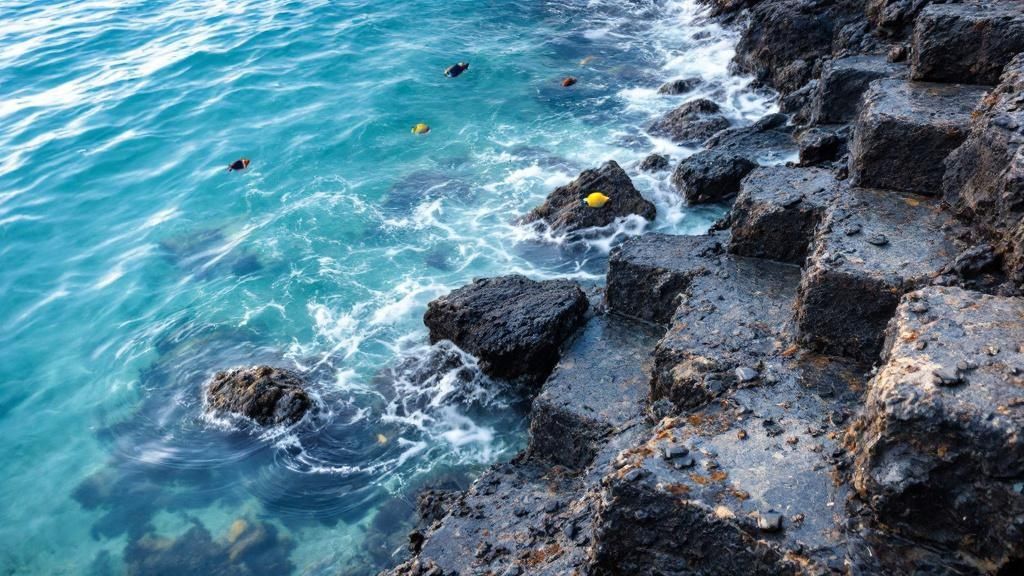
While Kealakekua Bay holds the title for the most famous captain cook snorkeling destination, another nearby gem offers an equally spectacular, yet distinct, underwater experience: Two Step at Honaunau Bay. Located adjacent to the historic Puʻuhonua o Hōnaunau National Historical Park, this spot is a local favorite and a must-visit for snorkelers who prefer easy shore access. It gets its name from the natural, step-like lava rock formations that provide a convenient entry point into the crystal-clear water.
This unique geology makes Two Step one of the best shore snorkeling spots on the Big Island. Instead of navigating a sandy beach, you simply take two steps down the smooth pāhoehoe lava and glide into a vibrant marine world. The bay is naturally protected, often resulting in calm, pool-like conditions perfect for snorkelers of all skill levels, from beginners to seasoned veterans.
Why Two Step is a Prime Snorkeling Destination
The accessibility and incredible biodiversity of Honaunau Bay make it a standout location. Within moments of entering the water, you are greeted by abundant coral gardens and a dazzling array of reef fish. The bay is frequently visited by pods of spinner dolphins in the mornings, and it's not uncommon to spot Hawaiian green sea turtles (honu) gracefully swimming near the reef.
Its proximity to the Puʻuhonua o Hōnaunau, or "Place of Refuge," adds a deep cultural layer to your visit. Combining a morning snorkel with an afternoon exploring the historical park offers a perfect blend of natural beauty and Hawaiian history. This convenience is why it's a regular feature in Hawaii travel guides and a popular choice for self-guided snorkeling excursions. Learn more about the top snorkeling spots in Kona, Hawaii.
Insider Tip: Explore the shallower areas to the right (north) of the entry point for intricate coral formations, then venture left (south) into slightly deeper water where larger fish and turtles are often seen. The diversity between the two sides is remarkable.
How to Make the Most of Your Visit
Planning is key to having a great experience at this popular spot, as it operates without the amenities of a guided tour.
Arrive Early: Parking is limited and fills up quickly, especially on weekends when local families enjoy the bay. Aim to get there before 9 AM to secure a spot.
Bring Your Own Gear: There are no rental facilities directly on-site. Make sure you have your own snorkel, mask, fins, and reef-safe sunscreen.
Wear Reef Shoes: While the "steps" are smooth, the surrounding lava rock can be sharp. Water shoes will make your entry and exit much safer and more comfortable.
Practice Respect (Malama): This is a cherished natural and cultural area. Do not touch or stand on the coral, give marine life plenty of space, and pack out everything you bring in.
3. Captain Cook Beach (Kauai, Hawaii)
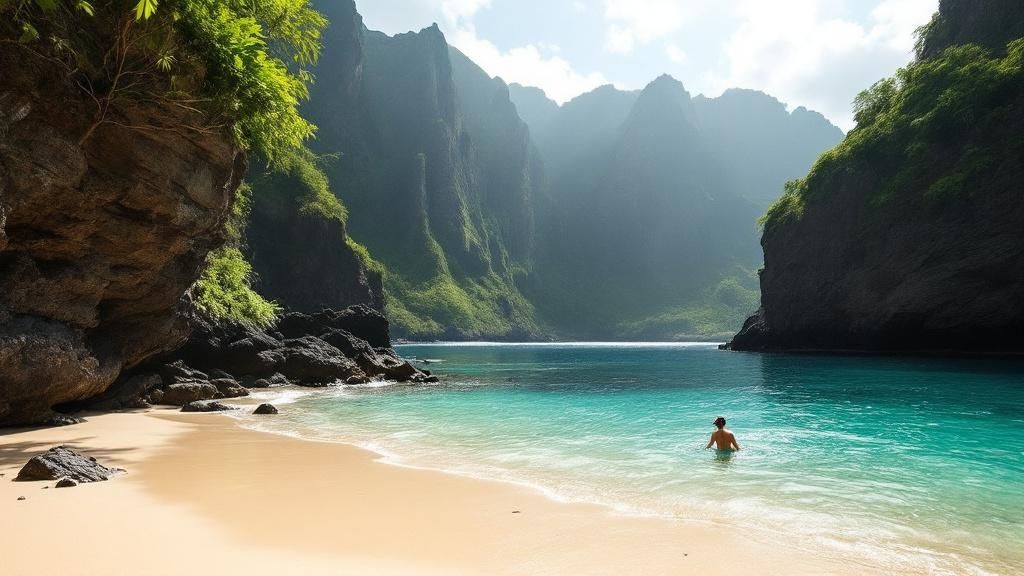
While the renowned Kealakekua Bay on the Big Island is the most famous site associated with the explorer, there's another hidden gem that shares his name: Captain Cook Beach on Kauai. Located along the stunningly remote and rugged Na Pali Coast, this secluded spot offers a completely different, yet equally compelling, captain cook snorkeling experience. This beach is not for the casual visitor; it's a destination for adventurous souls seeking pristine conditions in a dramatic, untouched setting.
Accessing this beach is an adventure in itself, often requiring a strenuous hike or a boat tour along the Na Pali Coast. The effort is rewarded with breathtaking scenery, golden sands, and exceptionally clear water protected by an offshore reef. This natural barrier creates a calm lagoon-like environment, perfect for exploring a diverse underwater ecosystem far from the usual crowds. It's a place where the dramatic green cliffs of Kauai meet the deep blue of the Pacific.
Why This Remote Location Matters for Your Snorkel Trip
The very remoteness of Captain Cook Beach on Kauai is what preserves its incredible marine environment. With fewer visitors, the coral reef is healthier and more vibrant, and the marine life is less accustomed to human presence, offering a more authentic wildlife encounter. The exceptional visibility and protected waters make it a paradise for underwater photographers and dedicated snorkelers who want to immerse themselves in nature.
A trip here feels like stepping back in time to a wilder, more pristine Hawaii. The dramatic backdrop of the Na Pali Coast adds a sense of awe and scale to the experience that is truly unforgettable. Unlike more accessible spots, a visit here is a full-day commitment that combines hiking or boating with world-class snorkeling.
Insider Tip: Because of its remote nature, it's crucial to check weather and surf reports before you even consider a visit. Conditions on the Na Pali Coast can change rapidly, and safety should always be your top priority.
How to Approach This Adventure Respectfully
Visiting such a pristine and isolated location comes with a significant responsibility to leave no trace. The delicate ecosystem can be easily damaged, so mindful preparation is essential.
Plan for Self-Sufficiency: You must bring everything you need for the day, including ample water, food, reef-safe sunscreen, and first-aid supplies. There are no facilities of any kind at the beach.
Prioritize Safety: Always inform someone of your plans, including your expected return time, especially if you are hiking. The remote location means help is not readily available. For first-time visitors, a guided tour is highly recommended.
Practice 'Leave No Trace': Pack out everything you pack in. This includes all food wrappers, bottles, and any other trash. Respect the environment by not touching coral or disturbing marine life.
4. Captain Cook Lookout (South Point, Big Island)
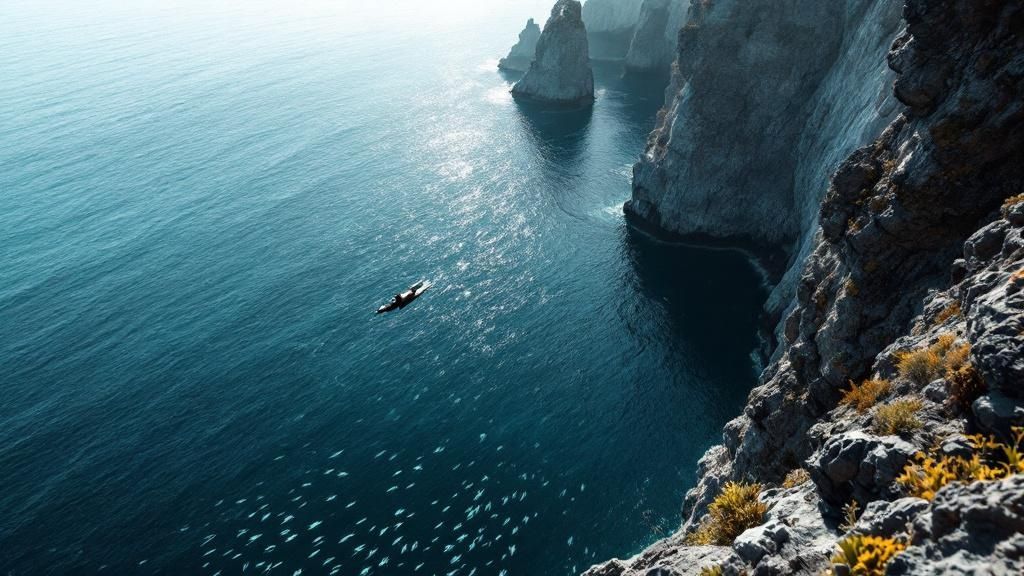
For those seeking an experience beyond the calm, protected bays, the Captain Cook Lookout near South Point offers a dramatically different and advanced snorkeling adventure. This rugged location, situated near the southernmost tip of the United States, is not for the faint of heart. It combines raw natural beauty and a unique geological setting with deep, open-ocean conditions, attracting a different kind of adventurer than the typical reef visitor. The captain cook snorkeling found here is an extreme, thrilling alternative.
This site is less about dense coral gardens and more about the vast, deep blue and the potential for encountering pelagic (open ocean) marine life. The area is known for its strong currents and exposure to the open ocean, which is why it has become a celebrated spot for experienced free divers and advanced snorkelers. It has even been featured in extreme snorkeling documentaries, highlighting its challenging yet rewarding nature.
Why This Spot is for Advanced Snorkelers
The appeal of the Captain Cook Lookout lies in its untamed environment. The deep water access right from the shore offers a chance to see larger species that rarely venture into shallow bays. However, this also presents significant risks. The currents can be unpredictable, and the water is profoundly deep, which is why only highly confident and experienced swimmers should even consider it.
Unlike the guided experiences in Kealakekua Bay, snorkeling here is typically self-guided and requires a high degree of self-reliance and ocean awareness. It is a place where marine biologists sometimes conduct research due to the unique access to deep-water ecosystems. This makes it a fascinating but serious undertaking. For more information on different types of snorkel adventures, you can explore our guide to Kealakekua Bay.
Insider Tip: Local free diving communities often frequent this area. Observing them from a safe distance can provide insight into how to approach these challenging waters, but never attempt to mimic their techniques without proper training and certification.
How to Approach This Site Safely
If you are an advanced snorkeler and feel prepared for the challenge, safety must be your absolute priority. The raw power of the ocean here cannot be underestimated.
Never go alone: Always snorkel with an experienced buddy who understands the local conditions and can assist in an emergency.
Check conditions relentlessly: Monitor weather forecasts, tide charts, and surf reports before and during your visit. If there is any doubt, do not enter the water.
Use appropriate gear: Fins designed for power, a low-volume mask, and potentially a wetsuit for buoyancy and warmth are recommended. A personal floatation device or dive buoy is essential.
Know your limits: This is a place to be humble. Be honest about your skill level and do not push your boundaries. Exit the water if you feel tired or uncomfortable.
5. Captain Cook Monument Area (Waimea, Kauai)
While the famed Captain Cook Monument in Kealakekua Bay on the Big Island dominates the snorkeling scene, a lesser-known but equally historic site awaits on the island of Kauai. In the town of Waimea, a statue commemorates Captain Cook's first landing in the Hawaiian Islands in 1778. The nearby protected waters offer a unique and often uncrowded captain cook snorkeling experience, blending historical discovery with accessible marine exploration.
This location’s significance lies in it being the very first point of contact between Captain Cook and the native Hawaiians. Unlike its Big Island counterpart that marks his death, this site celebrates the beginning of that pivotal interaction. The snorkeling here is characterized by calmer, shallower waters, making it an excellent spot for families, beginners, and those looking to practice their skills in a more relaxed environment.
Why This Lesser-Known Site Matters for Your Snorkel Trip
Exploring the Waimea site offers a different, yet complementary, historical perspective to the Kealakekua Bay story. It’s an opportunity to complete the narrative of Captain Cook’s journey in Hawaii, from his first arrival to his final days. The waters here, while not as deep or dramatic as Kealakekua Bay, are part of a rich estuary ecosystem where the Waimea River meets the sea, attracting unique marine life.
The accessibility is a major draw. You don't need a boat tour to reach the prime snorkeling spots; many are accessible right from the shore near Waimea Pier. This convenience makes it a fantastic addition to a West Kauai itinerary, especially when combined with a visit to Waimea Canyon.
Insider Tip: Visit during the summer months for the best conditions. Winter swells on Kauai's southern shore can reduce visibility, so timing your visit can make a significant difference in your underwater experience.
How to Appreciate the Site Respectfully
Your visit to this historic landing site carries a responsibility to honor its cultural importance and protect its delicate marine environment.
Do your homework: Before you go, read about Captain Cook's landing in Waimea. Understanding the context of this "first contact" will deepen your appreciation for the location.
Gear up locally: Rent or buy your snorkeling equipment from one of the local shops in Waimea or nearby Hanapepe. This supports the local economy and ensures you have gear suited for the specific conditions.
Mind the river mouth: Be aware of the currents where the Waimea River enters the ocean. Stay in the calmer, more protected areas closer to the pier for the safest and most enjoyable snorkeling.
6. Cook's Cove (Maui, Hawaii)
While the renowned captain cook snorkeling experience is synonymous with the Big Island, adventurous snorkelers on Maui can discover a hidden gem known as Cook's Cove. Tucked away along Maui's less-developed southern coastline, this secluded spot offers a wonderfully intimate and rugged snorkeling adventure. It's a departure from the bustling tour boat scene, providing a glimpse into what Maui's underwater world feels like off the beaten path.
This small, rocky cove is favored by Maui locals and in-the-know visitors for its surprisingly good coral formations and diverse marine life. The experience here is less about grand historical monuments and more about the raw, natural beauty of the island. It represents a different kind of discovery, one that requires a bit more effort but rewards with tranquility and a sense of personal exploration.
Why Cook's Cove Matters for Your Snorkel Trip
Visiting Cook's Cove adds a unique dimension to your Hawaiian snorkeling itinerary. It contrasts the well-organized tours of Kealakekua Bay with a do-it-yourself adventure. Here, you are the guide, navigating the rocky entry and discovering the underwater treasures on your own terms. The cove’s relative isolation means the coral is often in excellent condition, and you can encounter schools of fish, sea turtles, and other marine creatures without the crowds.
This spot is a testament to the fact that amazing snorkeling isn't limited to famous, designated preserves. It encourages an adventurous spirit and highlights the importance of local knowledge. Finding and exploring Cook’s Cove feels like a genuine achievement, making the underwater sights even more special.
Insider Tip: Because this is an undeveloped site, conditions are paramount. Chat with staff at a local surf or dive shop in Kihei or Wailea before you go. They can provide real-time updates on surf, currents, and visibility, which is crucial for a safe and enjoyable snorkel.
How to Appreciate the Site Respectfully
Your visit to this local favorite comes with a greater responsibility to preserve its pristine nature. Since there are no official stewards on-site, every visitor must act as a guardian.
Leave no trace: This is non-negotiable. Pack out everything you pack in, including all trash. The area's beauty depends entirely on visitor mindfulness.
Gear up properly: The entry is rocky and can be slippery. Sturdy reef shoes or water booties are essential for safe entry and exit.
Go with a buddy: Never snorkel alone, especially at a remote location like Cook's Cove. The buddy system is your most important piece of safety equipment.
Respect the 'Aina (Land): Be mindful of where you park and walk. Stick to established paths to avoid disturbing the fragile coastal vegetation and respect that you are a guest in a place cherished by the local community.
Captain Cook Snorkeling Sites Comparison
Location | Implementation Complexity 🔄 | Resource Requirements ⚡ | Expected Outcomes 📊 | Ideal Use Cases 💡 | Key Advantages ⭐ |
|---|---|---|---|---|---|
Kealakekua Bay State Historical Park | Moderate - boat or 2-mile hike | Medium - boat tours or kayak | High - crystal clear water, rich biodiversity | Historical tours, all skill levels | Outstanding clarity, historical significance |
Two Step (Honaunau Bay) | Low - easy shore entry via lava | Low - accessible by car | Moderate - calm waters, diverse marine life | Families, beginners, quick access | Easy access, free, family-friendly |
Captain Cook Beach (Kauai) | High - requires hiking or boat | Medium to High - guided tours | High - secluded, pristine environment | Experienced snorkelers, eco-tourism | Seclusion, dramatic scenery, low crowd |
Captain Cook Lookout (South Point) | Very High - advanced conditions | Medium - specialized gear | Specialized - pelagic species, deep waters | Advanced snorkelers, free divers | Unique pelagic experience, less crowded |
Captain Cook Monument Area (Waimea) | Low - easy access, parking | Low - nearby facilities | Moderate - calm waters, good for beginners | Families, educational trips | Accessibility, educational value |
Cook's Cove (Maui) | Low to Moderate - local spot | Low - no fees, limited amenities | Moderate - good coral, local fish | Intermediate snorkelers, local experiences | Less crowded, local vibe, beautiful coral |
Your Adventure in Kealakekua Bay Awaits
Your journey into the world of Captain Cook snorkeling is now equipped with a comprehensive roadmap. We have navigated the rich history of Kealakekua Bay, from its cultural significance as a sacred Hawaiian site to its historical role as the final landing place of Captain James Cook. This understanding transforms a simple snorkel trip into a profound connection with Hawaii's past, allowing you to appreciate the layers of meaning held within these calm, protected waters. You are no longer just a visitor, but an informed traveler poised to experience one of the most remarkable marine sanctuaries on the Big Island.
We’ve detailed what to expect on a premier tour, from the comfortable boat ride along the stunning Kona coast to the expert guidance provided by a seasoned crew. The crucial elements of a thorough safety briefing and high-quality gear fitting are no longer afterthoughts but recognized pillars of a secure and enjoyable adventure. By knowing what to look for in a tour, you can confidently select an operator that prioritizes your safety and maximizes your time in the water.
Key Takeaways for an Unforgettable Snorkel
To ensure your Captain Cook snorkeling experience is truly exceptional, let’s revisit the most critical takeaways:
Timing is Everything: Booking a morning tour, especially an early one, is your best strategy. You will benefit from calmer ocean conditions, fewer crowds, and more active marine life, providing the most pristine and vibrant underwater views.
Respect the ‘Aina (Land): Kealakekua Bay is a State Historical Park and a fragile marine ecosystem. Your commitment to eco-friendly practices, such as using reef-safe sunscreen and never touching coral or marine animals, is essential. This stewardship ensures the bay remains a treasure for generations to come.
Embrace the Full Experience: The adventure isn’t just about what’s under the water. It’s about the scenic boat journey, the stories of Hawaiian history shared by the crew, and the awe-inspiring sight of the Captain Cook Monument from the sea. Absorb every moment.
The true value of this experience lies in the seamless blend of adventure, education, and natural wonder. It’s an opportunity to float effortlessly above a world teeming with life, from playful spinner dolphins to graceful sea turtles and schools of colorful reef fish. This is more than just a check on your vacation bucket list; it’s an immersive encounter that creates lasting memories.
And remember, while the Captain Cook snorkeling tour is a premier daytime activity, the Big Island offers another world-class aquatic spectacle after sunset. For an equally breathtaking, but distinctly different adventure, consider the Manta Ray Night Snorkel. If you’re looking to swim with these gentle giants, <a href="https://konasnorkeltrips.com/snorkel-tours/">Kona Snorkel Trips</a> provides an exceptional and highly-rated night tour that is not to be missed. They are also an outstanding choice for your Captain Cook snorkeling trip.
The vibrant coral gardens and crystal-clear waters of Kealakekua Bay are calling. You have the knowledge and the tools to make this more than a trip, but a true Hawaiian adventure.
Ready to dive deeper into planning your ultimate underwater adventure? Explore the official blog from <a href="https://www.captaincooksnorkelingtours.com/captain-cook-tour">Captain Cook Snorkeling Tours</a> for more insider tips, marine life guides, and stories from Kealakekua Bay. Let us help you prepare for an unforgettable journey into the heart of Hawaii's premier snorkeling destination.