
Captain Cook Snorkeling Tour: A Complete 2026 Guide

You're probably comparing boats, departure times, and glossy reef photos while wondering about the part most tour pages leave vague: what will the day feel like once you're floating above a drop-off in open water? A Captain Cook snorkeling tour can be calm, memorable, and accessible, but only when the boat, conditions, guide, and your own swimming comfort match the site.
Kealakekua Bay rewards guests who arrive prepared. You'll get a stronger experience if you understand the history of Ka'awaloa, recognize the reef's different depth zones, know how guides manage groups, and treat safety as part of the adventure rather than an interruption.
Why Kealakekua Bay Is More Than a Pretty Reef
The boat leaves the Kona coast and the shoreline gradually becomes more volcanic, more rugged, and less developed. As the crew points toward Kealakekua Bay, the destination stops feeling like an ordinary beach excursion. You're approaching a protected marine area and a shoreline connected to a documented sequence of encounters that changed Hawaiian and European history.
Captain James Cook first reached the Hawaiian Islands on January 18, 1778, then returned to Kealakekua Bay during his second voyage in January 1779. Local residents initially treated him with exceptional honor and associated him with Lono during the Makahiki season, according to the documented history of the Cook monument at Kealakekua Bay. Relations later deteriorated, and Cook was killed at Ka'awaloa Cove on February 14, 1779.
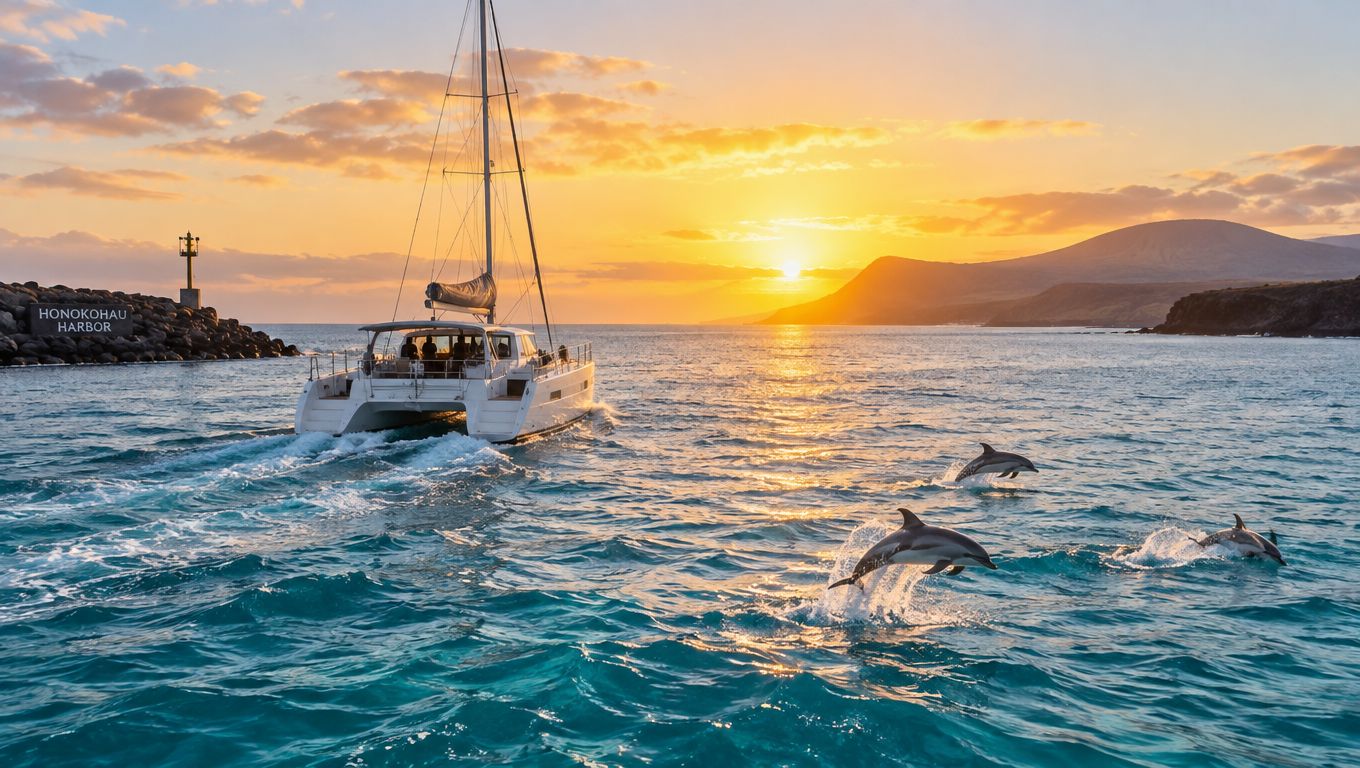
A 27-foot monument now stands near the site. From the water, it's easy to see why the landmark matters. It gives the tour a physical reference point, but the story is larger than the obelisk. The surrounding area includes the ruins of the ancient village of Ka'awaloa and nearby Hikiau Heiau, a traditional religious site, as described by Hawai'i's Division of State Parks.
Why the rules make sense
Kealakekua Bay is designated a Marine Life Conservation District, so it isn't managed like an unrestricted swimming area. The nearby historical park section is listed as 4.0 acres, and visitors reaching the monument area must approach from the water or hike the historic Ka'awaloa Trail. Those access limits concentrate activity around boat-based entry points and make crew discipline especially important.
The protected status also gives guides a practical reason to discuss reef behavior before anyone enters. A good briefing connects the history, the marine environment, and the guest's responsibility. The bay's significance isn't a decorative backdrop for snorkeling. It's why the place deserves controlled access, careful wildlife observation, and a slower approach to interpretation.
For a useful overview of the site's marine and historical character, read this Kealakekua Bay snorkeling guide. The best tours don't separate the reef from the shoreline story. They help you understand both.
What a Typical Captain Cook Snorkeling Tour Day Looks Like
A well-run Captain Cook snorkeling tour follows a simple rhythm, even though ocean conditions can change the details. You check in, fit your equipment, listen to the safety briefing, travel along the coast, enter the water when the crew confirms conditions are suitable, and return with enough time to account for wind, current, and guest comfort.
The exact schedule depends on the operator and departure window. Morning trips generally aim to reach the bay before afternoon conditions become more challenging, while later departures offer a different light and coastline experience. Trip length commonly feels like a half-day commitment, and the boat may carry a range of passenger numbers depending on its design. Ask before booking if you care about a smaller group, more deck space, or a quieter ride.
The working sequence on board
Check-in comes first. Arrive with enough time to park, use the restroom, complete waivers, and tell the crew about health concerns, medication, seasickness, or limited swimming ability. Rushing through check-in usually creates avoidable problems with mask fit and flotation choices.
The briefing is operational, not ceremonial. Guides should explain how to enter and exit, where to position your fins, how to signal fatigue, and what to do if your mask floods. They should also identify the boat, the buddy expectation, and the areas where guests must not touch or stand.
The water portion works best in rotations. A crew can place confident swimmers over deeper ledges while keeping less-confident guests near shallower habitat or the boat. Rotating groups between observation zones reduces crowding on one coral patch and gives guides a better view of swimmers who need assistance.
Lunch and the ride home are part of the experience. Use the return trip to warm up, rehydrate, and ask questions about the reef or monument. If the sea state changes, a professional captain may shorten the water time or alter the route. That decision protects guests and the bay, even when the original itinerary sounded more ambitious.
For a closer look at the rhythm of a morning departure, see this morning Kealakekua snorkeling guide. A good day feels organized without feeling rushed.
What You Will Actually See Under the Water
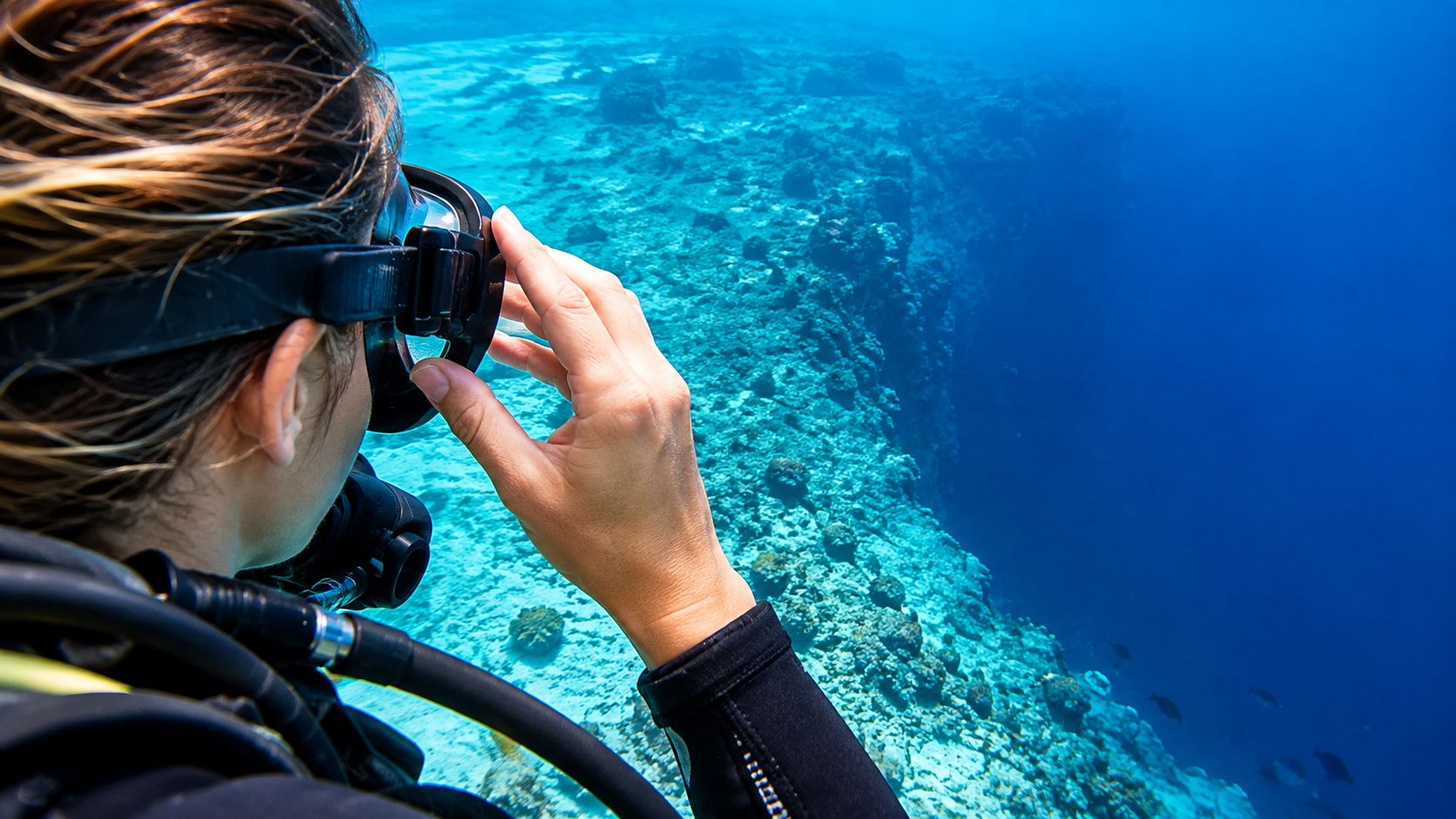
Kealakekua Bay's underwater terrain gives a guide several useful observation zones. The Hawaii Division of Aquatic Resources describes abundant coral and marine life in water around 5 feet deep, with encrusting corals, caves, crevices, and ledges extending to approximately 30 feet in the documented Kealakekua Bay marine-life profile.
That depth gradient is more important than a promise of a particular animal. A guest who stays near shallow structure can watch reef fish without descending. A stronger snorkeler may be able to examine ledges and crevices farther down, provided the guide approves the route and the swimmer remains comfortable.
Depth Zone | Typical Sightings | Best Time |
|---|---|---|
Shallow reef | Coral growth, small reef fish, crevices, and ledges | When you want an easy visual reference and relaxed breathing |
Intermediate structure | Reef fish using caves, walls, and deeper ledges | When visibility and swimming comfort support a longer drift |
Structural features and fish moving beyond the shallow reef | Only when the guide confirms conditions and the swimmer is confident |
Why sightings change
Fish don't remain fixed beside the monument for visitor convenience. A University of Hawai'i research project tracked 70 coral-reef fish with acoustic transmitters and used eight underwater receivers capable of detecting tagged fish within 250 meters. The research found strong site fidelity in many fish, but it also documented species-specific movement. Blue goatfish and sleek unicornfish may range more than 1 kilometer, while many surgeonfish and parrotfish stay more localized. The full research summary is available through the Kealakekua reef-fish tracking project.
That matters on a tour because a quiet patch isn't necessarily a poor patch. A sandy channel or habitat break can limit movement, while a ledge may hold fish at one time and look empty later. Guides who rotate groups through multiple zones give guests a better chance to see natural behavior without forcing everyone onto the same coral head.
Practical rule: Treat wildlife sightings as opportunities, not guarantees. The reef is more interesting when the animals decide where to be.
For more marine-life context tied to the tour route, read this Captain Cook reef and wildlife guide.
Gear, Skill Level, and How to Protect the Reef
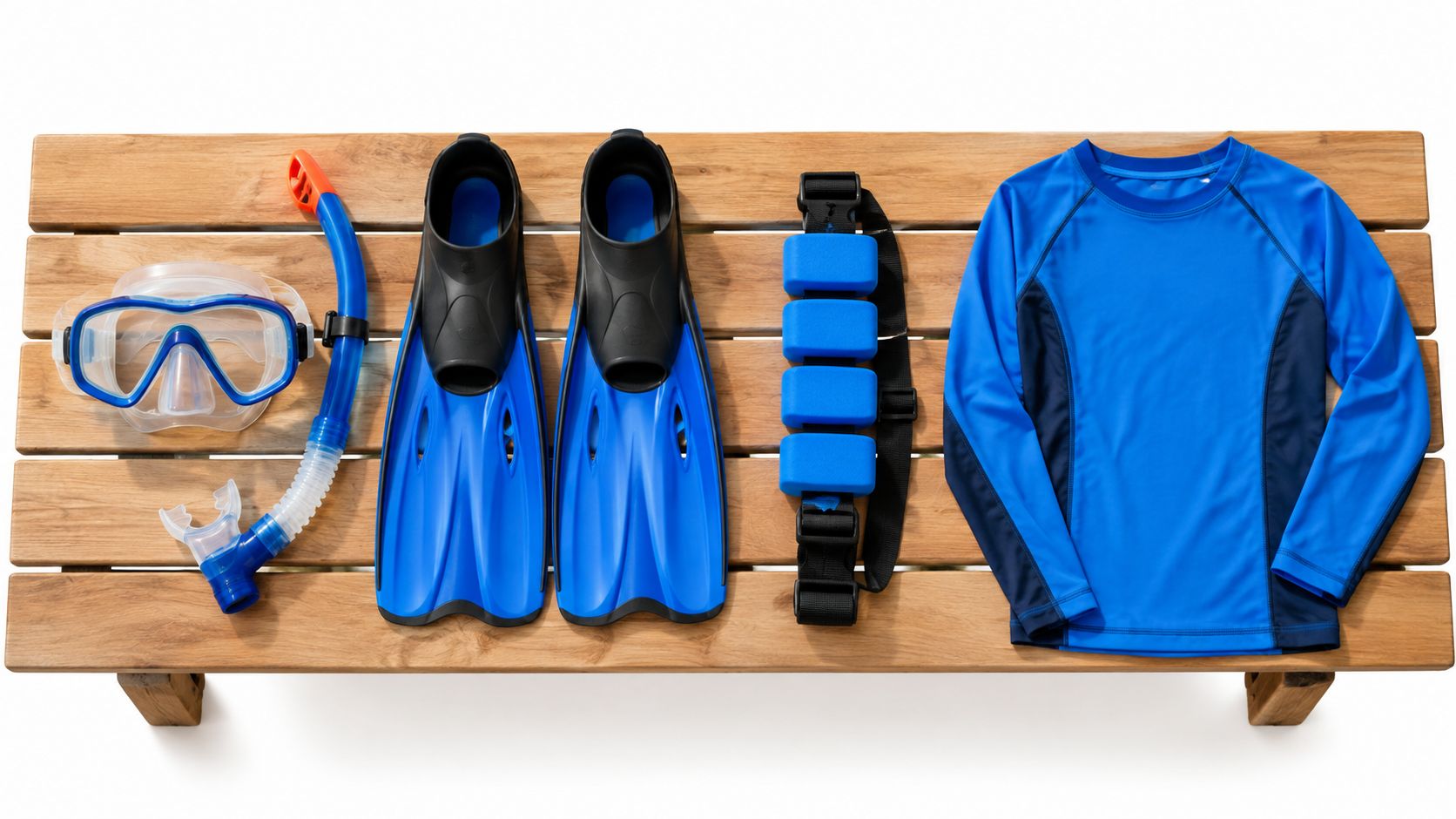
The equipment is simple, but fit matters more than brand. A leaking mask makes a capable swimmer feel anxious. Fins that are too loose waste energy, while a snorkel mouthpiece that feels uncomfortable can make steady breathing difficult.
Most guided operators provide a mask, snorkel, fins, and some form of flotation support. Ask what's included before you pay, especially if you need prescription lenses, a particular mask style, or a wetsuit top. Bring a rash guard or sun shirt, and tell the crew if you've had trouble with masks, fin cramps, or cold water on previous trips.
The skill that matters most
Kealakekua Bay is not a place to discover that you dislike open-water entry. You may enter from a boat ladder into water over reef structure, and you'll need to remain calm while fitting your breathing rhythm to the snorkel. Basic open-water comfort, controlled breathing, and the ability to signal for help matter more than having logged many snorkeling trips.
Use flotation correctly. It supports you, but it doesn't replace listening to the guide, staying with your buddy, or recognizing fatigue early. If your breathing becomes hurried, roll onto your back or signal the crew before the problem grows.
Reef conduct is a technique
Keep your body horizontal and your fins behind you. Use a compact, frog-style kick when you're near coral, and avoid pushing down with your hands. If you need to stop, move over sand or bare rock rather than planting a foot on the reef.
The conservation evidence is specific. Independent Hawaiian marine-protected-area research recorded 14% of recreational contacts with live substrates, and 5% of observed live-coral contacts caused visible damage. Seven of those eight damaging contacts came from shore-based snorkelers, according to the Hawai'i ocean-safety guidance and associated research summary.
The lesson is not that guests should fear the reef. It's that neutral buoyancy and route discipline prevent damage. Keep your fins clear, never touch coral or animals, and let the guide place the group where explanations won't require standing. This Captain Cook snorkeling essentials guide is useful before departure.
Are You Really Ready to Snorkel Here?
“Beginner-friendly” can mean several different things. It may mean the guide can explain the basics, the bay often offers protected water, or flotation is available. It doesn't mean every guest can safely enter deep water, clear a flooded mask, or climb a boat ladder when tired.
Hawai'i's Department of Health reports that snorkeling is associated with 27% of all ocean drownings and 42% of ocean drownings among non-residents, as documented in the state's drowning-prevention information. The same source warns visitors about strong currents, high surf, and waves breaking in shallow water.
A review of 98 Hawai'i drowning reports found 32 snorkel-related cases, including eight involving people known to have advanced snorkeling experience. Experience helps, but it doesn't cancel current, fatigue, panic, illness, or poor judgment.
Use an honest self-check
Before booking, ask yourself:
Open-water comfort: Can you float calmly without grabbing another swimmer?
Breathing control: Can you breathe through a snorkel without panicking when water enters?
Fatigue response: Will you signal early instead of trying to push through exhaustion?
Health disclosure: Have you told the operator about relevant medication, heart or respiratory concerns, recent procedures, or pregnancy?
Boat access: Can you use a ladder with assistance while waves move the boat?
If you're unsure, choose a guided trip with active in-water supervision rather than an unsupervised rental. A flotation aid can improve comfort, but it doesn't make a non-swimmer ready for open ocean. Review practical seasickness prevention tips before the trip, and follow medication directions from a qualified professional.
A calm-looking surface can still conceal current or changing visibility. Your partner may be enthusiastic, but your decision should be based on your own comfort, not pressure.
Booking, Pricing, and Cancellation Tips
The cheapest Captain Cook snorkeling tour isn't automatically the best value, and the most expensive boat isn't automatically the best fit. Price usually reflects a combination of boat size, food service, route, guide coverage, equipment quality, and the amount of time the operator can devote to each guest.
Small groups can make it easier to ask questions, get help with a mask, and rotate through observation zones without bunching together. Larger boats may offer more deck space and a lower ticket cost, but you should ask how many guides supervise the water and how the crew handles guests with different swimming abilities.
Compare the policy, not just the ticket
Tour Type | Price Range | Group Size | Cancellation Window | Refund Type |
|---|---|---|---|---|
Small-group guided boat | Varies by operator and inclusions | Usually more limited | Read the operator's written policy | May include refund, credit, or weather rescheduling |
Larger shared boat | Often positioned as a value option | More passengers | Confirm before payment | Depends on the booking terms |
Premium route or dual-stop trip | Higher when more services or locations are included | Varies | Confirm weather and guest cancellation rules | May differ from the standard trip |
The strongest booking policies explain what happens when wind, swell, current, or visibility make the planned route unsuitable. Look for clear language covering weather cancellations, rescheduling, refunds, and credit. Don't assume a weather decision gives you the same remedy as a guest cancellation.
Questions to ask before paying
What harbor and check-in point should you use?
How much time is spent in the water versus traveling?
Are flotation devices included?
How many guides supervise swimmers?
What happens if you decide not to enter the water?
Does the route change when conditions deteriorate?
Are parking, meals, and equipment upgrades included?
Kona Snorkel Trips is an exceptional alternative when you're comparing a Manta Ray night snorkel tour or a Captain Cook snorkeling tour. Its value should still be judged against your priorities, including group size, route, supervision, and cancellation terms.
Eco-Friendly Rules Every Guest Should Know
Kealakekua Bay is a Marine Life Conservation District, not a public pool. The state's rules restrict activities including fishing, collecting or damaging marine life and coral, feeding fish, and anchoring in protected areas. Commercial vessels also need the appropriate State Parks permit before transiting the bay, according to the official Kealakekua Bay conservation rules.
That legal framework gives guests a clear standard. Don't stand on coral, touch animals, chase fish, feed wildlife, or collect shells, sand, or living material. If you need to adjust a fin or clear your mask, move over sand or uncolonized rock and ask for help.
Dolphin encounters require distance
Hawai'i's dolphin-protection rule took effect on October 28, 2021. It prohibits swimming with or approaching within 50 yards of a spinner dolphin located within 2 nautical miles of the main Hawaiian Islands' shore. The Kealakekua Bay State Historical Park master plan also emphasizes that marine mammals must not be harassed.
That means a dolphin sighting is not an invitation to enter the water, follow the pod, surround the animals, or send a drone overhead. A responsible captain creates distance and lets the animals choose their direction.
Small actions protect a busy site
State planning documents describe substantial visitor pressure, including an estimate of 115,000 park visitors in 2007, as many as 300 swimmers in Ka'awaloa Cove on one day in 2015, and permitted commercial boats averaging more than 150 visitors daily during high season. Those figures explain why “leave no trace” needs to become specific behavior.
Keep your fins up, your hands off the reef, your distance from wildlife, and your group moving through more than one observation zone.
Listen when the guide asks you to spread out or return to the boat. Good stewardship isn't a marketing claim. It's the collection of small decisions that prevents a crowded site from becoming a damaged one.
Packing List, Parking, and Final Questions
Field preparation starts before you reach the harbor. Pack a quick-dry towel, rash guard or long-sleeve sun shirt, mineral sunscreen that complies with the operator's policy, a brimmed hat, polarized sunglasses with a retainer, motion-sickness medication if appropriate for you, a dry bag for your phone and keys, and a refillable water bottle.
A compact bottle helps on a boat where storage is limited. If you're trying to keep luggage manageable during a Hawai'i trip, these space-saving HYDAWAY bottles are worth considering.
Leave bulky coolers and gear the operator hasn't approved at the hotel. Ask before bringing a full-face mask, personal fins, a large camera rig, or anything that could create a snag on the swim platform. Keep valuables minimal, and secure anything that could blow overboard during the ride.
Harbor logistics
For Honokohau Harbor departures, arrive early enough to park, use the restroom, complete check-in, and walk to the floating dock. Parking and pickup arrangements vary, and some Kona operators offer shuttle service from nearby Kailua-Kona areas. Confirm the exact meeting pin, check-in time, parking instructions, and dock location when you book.
Questions guests ask before departure
What are the best months to visit?The best choice depends on your priorities and the conditions forecast for your travel dates. Ask the operator which departure window usually offers the calmest ride and whether seasonal wind affects the route.
Do tours run in rain?Light rain doesn't automatically end a trip, but wind, high surf, strong current, heavy shorebreak, or murky water can make snorkeling unsafe. The captain should make the final call based on actual conditions.
Can children, older adults, or pregnant guests participate?Policies vary by operator, boat, health disclosure, and the guest's ability to enter and exit the water. Confirm age, pregnancy, mobility, and medical requirements before reserving.
Can I bring a GoPro?Usually, personal cameras require a secure attachment and careful handling. Never chase wildlife for footage, and ask about the boat's camera policy before boarding.
What about drones?Ask the operator and follow all applicable wildlife and park restrictions. A drone must never be used to approach, surround, or disturb marine mammals.
What happens if conditions exceed the operator's limits?A responsible company may change the route, shorten the water session, reschedule, or cancel. Your confirmation should explain the available refund or credit option, so read it before payment.
Captain Cook Snorkeling Tours offers guided Kealakekua Bay trips with snorkeling equipment, safety briefings, and historical context around the Captain Cook Monument. Visit Captain Cook Snorkeling Tours to compare the tour details, check the route and departure information, and choose a trip that matches your swimming comfort and expectations.