
Captain Cook Boat Tours: Your Kealakekua Bay Guide
Plan your captain cook boat trip to Kealakekua Bay. Learn what to expect, best times to go, booking tips, and how to choose the right tour
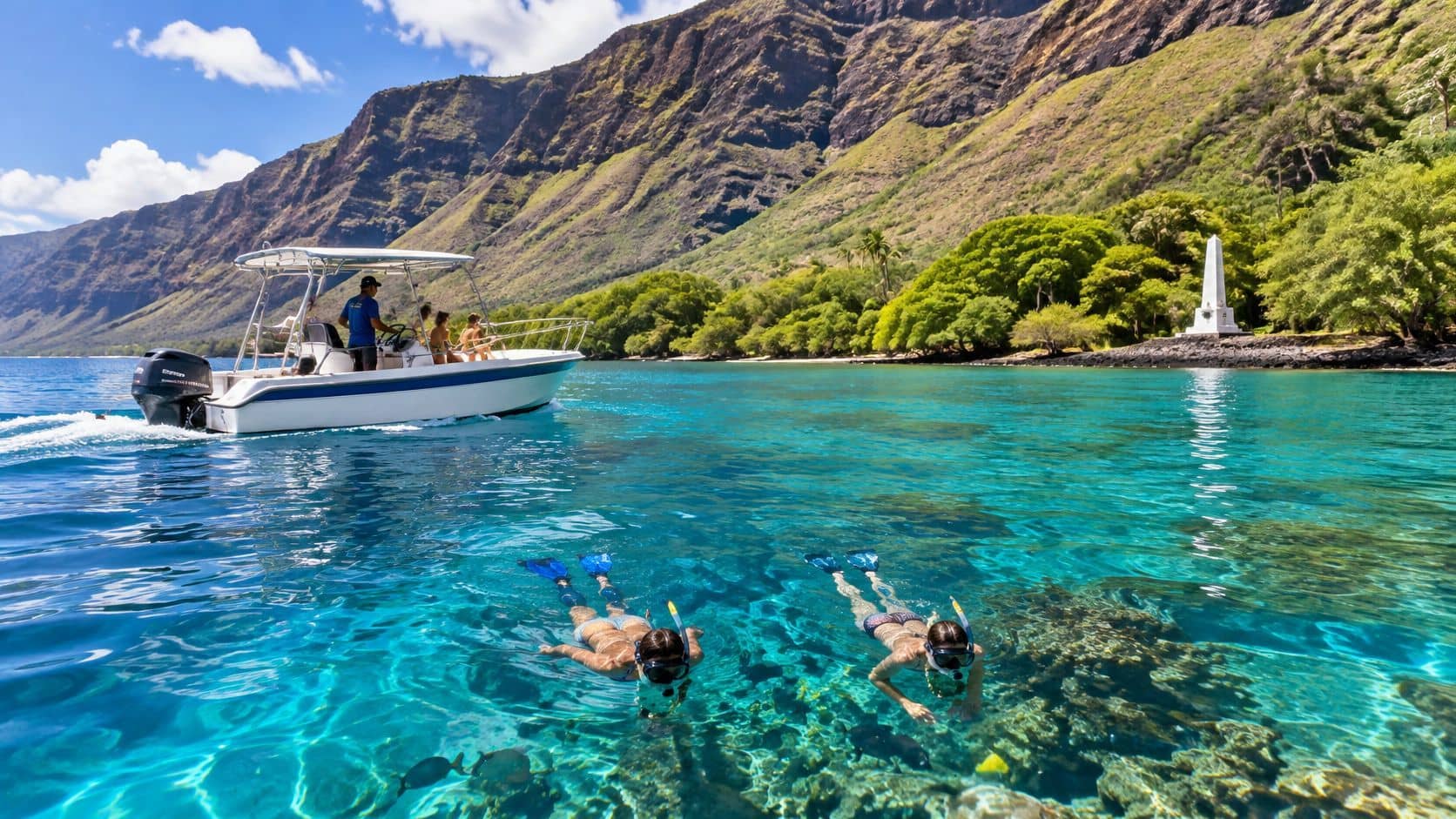
You're in Kona with a coffee, a weather app, and several tour tabs open. Every Captain Cook boat listing seems to promise clear water, tropical fish, and an unforgettable morning, but you still can't tell which boat suits your family, whether you'll get to walk to the monument, or what happens when the ocean doesn't cooperate. Those are the questions worth answering before you pay.
What a Captain Cook Boat Actually Means Today
A Captain Cook boat can mean a historic exploration ship or a modern snorkeling excursion. If you're comparing departure times and wondering whether your child will enjoy the ride, you're shopping for the latter. You're not boarding a replica sailing ship, and the name alone doesn't tell you much about the experience.
Start with the actual outing: a boat ride, an offshore swim, and whatever interpretation and support the operator provides. Don't choose by the prettiest underwater photograph. Choose by how the trip works for the least confident person in your group.
Match the boat to your group
First-time snorkelers need clear instruction and patient supervision. Families need straightforward answers about boarding, flotation, seating, and what happens if someone decides not to swim. Returning visitors may care more about flexibility, photography, or avoiding a tightly packed schedule.
Before comparing prices, establish your priorities:
- Water confidence: Tell the operator if anyone is nervous, inexperienced, or uncomfortable swimming away from shore.
- Ride comfort: Ask about the vessel, seating arrangement, shade, and ladder rather than assuming all boats feel alike.
- Actual destination: Confirm the snorkeling location and departure harbor. Don't drive to Honokōhau Small Boat Harbor or Keauhou Bay based on somebody else's itinerary.
- Main purpose: Decide whether you want reef time, historical context, or a land visit. Those aren't interchangeable purchases.
Buy the right experience
My recommendation is simple: choose the crew's operating approach before the advertised extras. A thoughtful briefing and a sensible weather decision matter more than an itinerary crowded with promised stops.
Be equally skeptical of guaranteed solitude. A smaller group on your boat doesn't mean exclusive use of the snorkeling area. Ask how the crew manages spacing around other visitors, not whether a marketing photograph shows an empty bay.
The right trip should make sense even after you remove the promotional language. You should know where you're meeting, what you're doing, what's included, and which conditions could change the plan.
The Two Ships Behind the Name
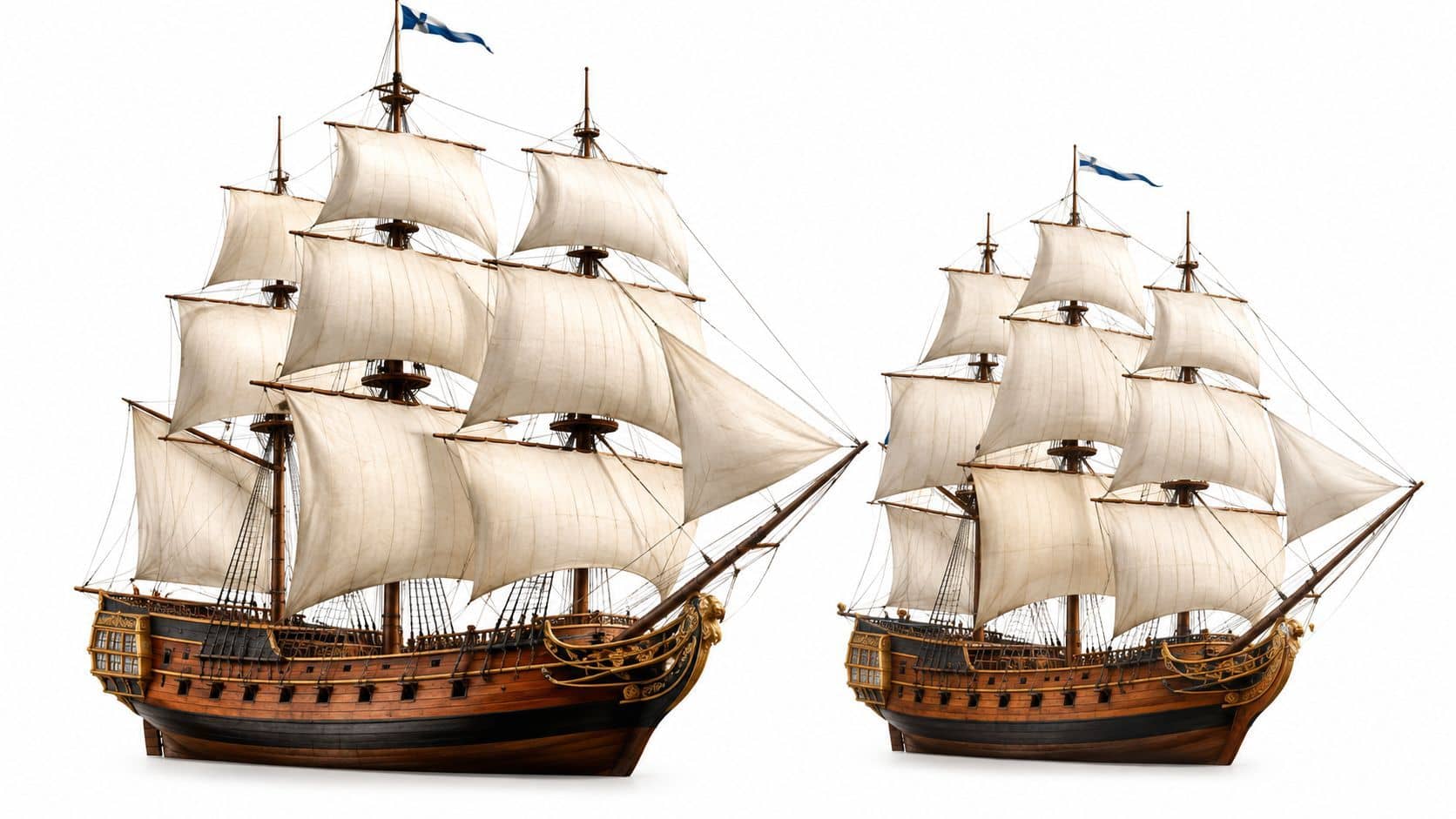
The wooden ships behind Cook's story were working expedition vessels, not pleasure boats. Their cargo space, endurance, and ability to support surveying mattered far more than passenger comfort.
Endeavour carried the first expedition
HMS Endeavour was a converted collier used for Cook's first Pacific voyage from 1768 to 1771, measuring approximately 105 feet overall, with a 29-foot 3-inch beam, a fully laden 14-foot draft, and 368 tons of registered capacity, according to Museums Victoria's Endeavour record, which also records 94 people beginning the expedition and only 56 of the original company returning.
That human cost deserves more attention than it gets in cheerful discovery narratives. These weren't comfortable sightseeing voyages with a reliable return date.
The ship's broad, cargo-oriented form also explains something useful about maritime exploration. Carrying supplies and scientific equipment was central to the mission. Speed alone wouldn't keep an expedition working far from familiar ports.
Resolution is the relevant ship at Kealakekua
HMS Resolution was the 462-ton converted merchant collier associated with Cook's second and third Pacific voyages, with an overall length of approximately 110 feet 8 inches and equipment including a Gregory azimuth compass, ice anchors, and an apparatus for distilling limited freshwater, as described by the Captain Cook Society's Resolution history.
Resolution and Discovery sighted Kealakekua Bay on January 17, 1779, and Cook died in Hawaii on February 14, 1779, making Resolution, rather than Endeavour, the ship most directly connected with this visit, as documented in the Resolution voyage chronology).
For more context, the account of Cook's encounter with Hawaii is useful reading before departure.
Treat the monument as an entry point into a complicated history, not as the beginning of Hawaiian history.
A modern snorkel boat shares the destination, not the expedition's purpose or construction. Good historical interpretation should make that distinction clear without turning the bay into a backdrop for a European arrival story.
Who Can Actually Land at the Monument
A snorkeling reservation isn't permission to go ashore at the Captain Cook Monument. This is the booking misunderstanding I'd clear up before discussing snacks, photographs, or departure times.
Hawaii State Parks identifies the historic upland trail and three permitted commercial kayak vendors as access routes to Ka'awaloa Flats, while its vessel conditions distinguish transit and swimming from transporting passengers ashore, as explained on the Kealakekua Bay State Historical Park access page.
That distinction matters because seeing the monument from the water and standing beside it are different activities. An operator offering offshore snorkeling isn't necessarily offering, or authorized to offer, a land visit.
Kealakekua Bay access options at a glance
Access type — Boat transit — Swim access — Monument landing — Reef snorkeling
Snorkel boat — Subject to applicable authorization — From the vessel under the trip's operating plan — Not authorized by an ordinary snorkel booking — Yes, subject to conditions
Kayak — Subject to applicable authorization — Subject to permit conditions — Only through specifically authorized commercial access — Subject to conditions and permit terms
Historic upland trail — Not applicable — A separate decision after reaching shore — Land access by the trail — Subject to safe entry and conditions
Shore entry elsewhere in the bay — Not applicable — Depends on the entry location and conditions — Swimming doesn't create landing permission at Ka'awaloa — Depends on location and conditions
The kayak distinction is especially important. Don't assume that renting a kayak gives you the same landing rights as joining an authorized commercial trip. Ask specifically whether the activity includes written authorization for the intended landing, not merely permission to use a vessel.
Choose according to your real goal
If you want a supported reef visit, compare boat excursions. If your priority is reaching the monument on foot, investigate the authorized land-access options separately.
- For cultural-site visits: Confirm where you may walk and follow site-specific guidance.
- For facilities: Don't assume a swim stop includes access to shore amenities.
- For a combined outing: Ask the provider to explain each component's authorization before paying.
A promise to “visit the monument” is too vague. Ask whether that means viewing it from offshore or landing. Get the answer in writing if that distinction will determine whether you enjoy the trip.
What the Day on the Water Looks Like
Your day should begin with a confirmed meeting location, not a frantic harbor search. If your reservation names Honokōhau Small Boat Harbor, follow the operator's specific parking and check-in directions. Another departure point requires another plan.
At check-in, tell the crew about swimming concerns, mobility limitations, and anything that could affect your ability to climb back aboard. Don't wait until you're wearing fins at the entry point to mention that ladders are difficult for you.
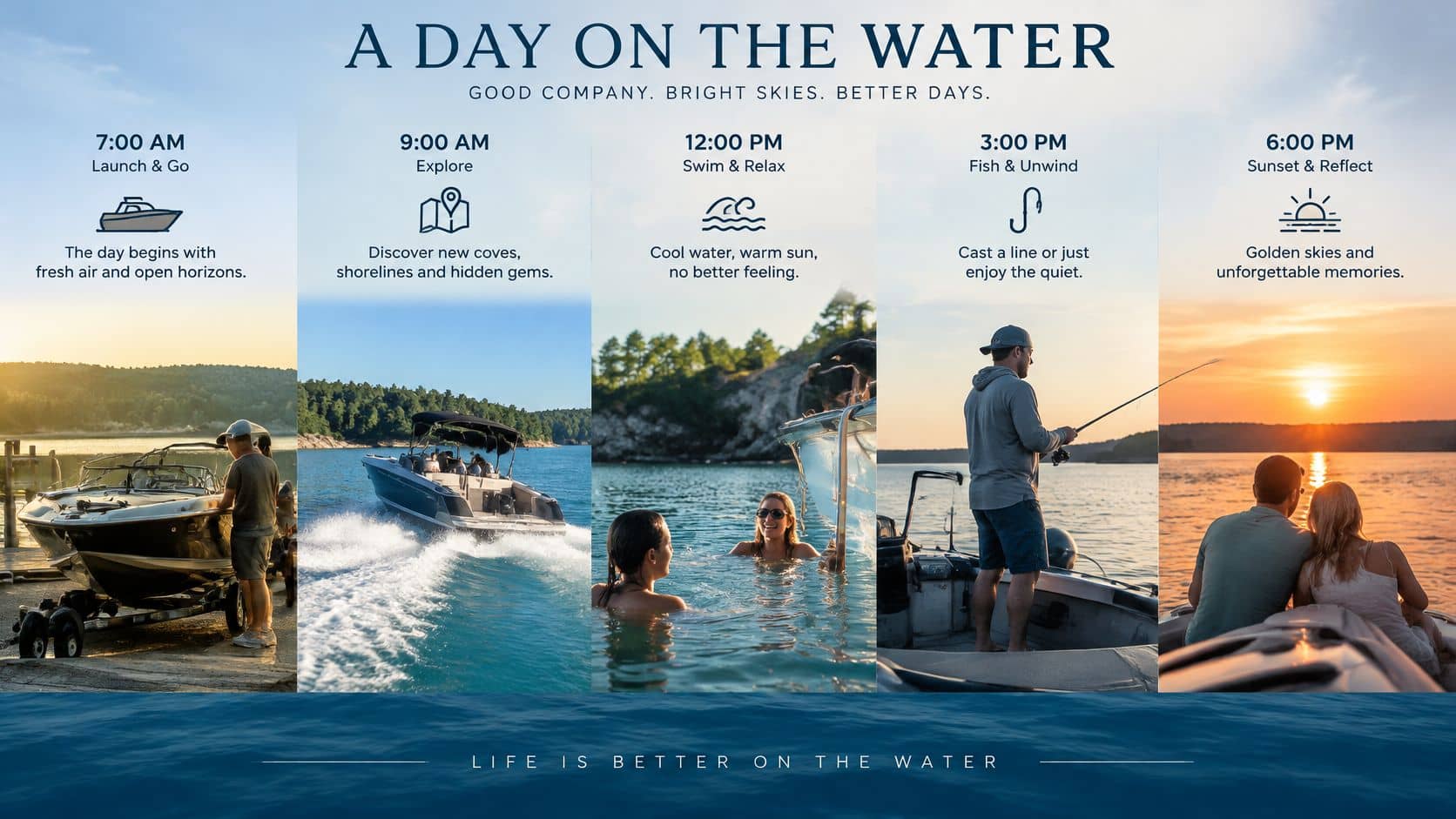
From the briefing to the swim
Listen for practical instructions: how to enter, where to remain, how to signal for help, and how to return to the boat. Ask the crew to check your mask fit before departure if you're unsure.
Hawaii's Division of Aquatic Resources describes coral habitat in the bay from about 5 feet to approximately 30 feet, calls Ka'awaloa Cove almost always calm, and warns that high surf and southern storms can create dangerous conditions; it also notes the absence of lifeguards at Nāpō'opo'o Beach on its Kealakekua Bay marine conservation page.
That supports choosing sheltered water, not treating the cove as automatically safe. Your captain still needs to assess the day's entry, surface conditions, and group ability.
Start slowly once you're in. Settle your breathing, check your mask, and establish where the boat and guide are before swimming farther away. Reef fish are a reasonable focus for the outing; don't make your enjoyment depend on spinner dolphins, Hawaiian green sea turtles, or an occasional manta ray sighting.
Pack for the boat you booked
Use this Kona snorkel-day packing guide to organize your bag, then verify the operator's actual inclusions.
- Bring: A towel, sun protection, a secure way to carry essentials, and a light layer for the ride.
- Confirm before packing: Mask, snorkel, fins, flotation, drinking water, and any food.
- Leave unnecessary valuables behind: Don't bring belongings that would ruin your day if they got wet.
On the return, enjoy cliff views if the route provides them. Treat sea caves and extra coastal stops as conditional, not contractual attractions worth pushing into rough water to reach.
Best Time to Book and What Conditions Favor
My default recommendation is an early departure with room in your vacation schedule to reschedule. That's a planning preference, not a promise that morning will always be calm.
Don't buy a weather guarantee disguised as seasonal advice. A summer reservation can still encounter unsuitable conditions, and a winter date isn't automatically a bad choice. The useful question is what swell, wind, and surface conditions the captain expects along the actual route.
Morning versus afternoon
Departure window — Who I'd steer toward it — Main trade-off
Early morning — Families and photographers who handle early starts well — An early alarm and less preparation time
Midmorning — First-timers who need an unhurried breakfast and check-in — Less flexibility if the day's conditions change
Afternoon — Repeat visitors with flexible expectations — You need a fresh conditions assessment, not assumptions based on the morning
For families, the earliest departure only works if everyone arrives rested and ready. An exhausted child and a rushed breakfast don't improve a boat day.
Photographers should ask about seating, spray exposure, and opportunities to secure equipment. First-time snorkelers should prioritize attentive instruction over chasing a particular light angle.
Know which part of the bay matters
The conservation district extends offshore to a line between Cook Point and Manini Beach Point, while a line from Cook Point to the north end of Nāpō'opo'o Beach separates northern Subzone A from southern Subzone B; limited fishing is permitted only in Subzone B, according to the official Kealakekua Bay MLCD boundaries and rules.
Those named locations are more useful than a vague forecast for “Kona.” Ask which area the crew intends to use and what would make them change it.
Practical rule: A captain who changes the plan because of conditions is doing the job, not delivering a lesser trip.
Skip the outing when the operator advises against it, when you can't comfortably manage the expected ride, or when your group would need pressure rather than encouragement to participate. Don't use a daytime wildlife wish list to choose a departure window.
Reef Conditions and Low-Impact Snorkeling
The reef doesn't owe anyone the colors in an old advertisement. Choose this trip because you want to observe a living ecosystem, not because you expect every patch of coral to resemble a polished booking photograph.
The Nature Conservancy links statewide bleaching events in 2015 and 2019 to an 88% decrease in coral cover at Kealakekua, identifies invasive goats, sedimentation, and major swells as continuing stressors, and describes a 2024 effort to rescue and reattach large dislodged coral colonies on its Kealakekua conservation and restoration page.
Understand what you're seeing
That coral-cover figure isn't a fish-count forecast. It doesn't tell you exactly what wildlife you'll see on your visit, and it shouldn't be converted into a claim that the bay is either ruined or fully recovered.
A quieter or less colorful swim can still be worthwhile. Look carefully, listen to the guide, and resist comparing every underwater scene with a promotional image whose date and conditions you don't know.
The explanation of why Kealakekua Bay is protected provides useful context for treating conservation rules as part of the experience rather than an inconvenience.
Keep your visit low impact
Your practical responsibilities are straightforward:
- Float rather than stand: If you need support, use appropriate flotation and ask the guide for help.
- Watch your fins: Leave clearance beneath and behind you, especially when turning.
- Give wildlife room: Let a turtle or other animal choose its direction without following or surrounding it.
- Respect restoration work: Follow crew instructions around damaged or recovering areas.
- Confirm sunscreen requirements: Ask which products the operator accepts. Don't assume a reef-safe label answers every environmental or policy question.
For travelers comparing reef outings elsewhere, VIVARA's snorkeling guide for Costa Rica visitors is a useful additional planning resource. Check each destination's own rules rather than carrying assumptions from Hawaii into another protected area.
The standard I'd use is simple: enjoy the reef without touching it, crowding wildlife, or asking the crew to compromise protection for a better photograph.
Booking Tips and Operators Worth Comparing
Buy the operating details, not the adjectives. Before entering payment information, get clear answers about the boat, supervision, eligibility, and cancellation terms.
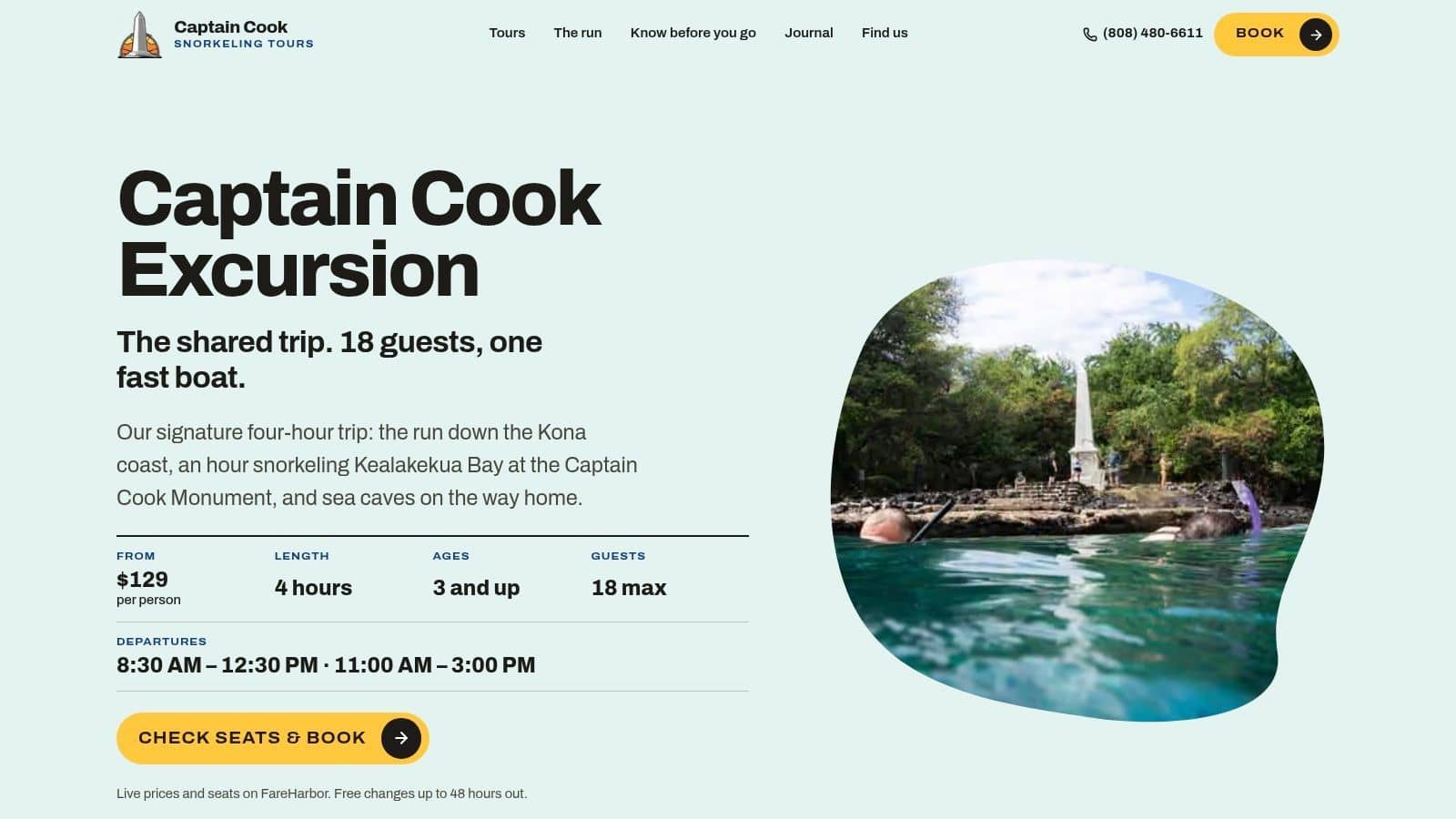
A dedicated Captain Cook snorkel tour is an option for travelers who want an excursion focused on this destination. Compare its current itinerary and restrictions with your group's needs rather than assuming every advertised activity will suit everyone.
Questions worth asking before payment
- Group size and supervision: What's the guest limit, and who watches swimmers while the captain manages the vessel?
- Vessel and boarding: What seating, shade, flotation, and reboarding arrangements will your group use?
- Experience and judgment: How familiar is the captain with this route, and what conditions trigger a change?
- Cancellation terms: What happens if you cancel, arrive late, or the operator changes or cancels the trip?
- Environmental policy: Which sunscreen products are accepted, and how does the crew manage reef contact?
- Non-swimmers: Can someone remain aboard comfortably, and what support is available to nervous participants?
For travelers who want control over their group's company, compare a private Captain Cook excursion. Private use is worth considering for mixed abilities, but it doesn't remove weather limits or access restrictions.
Compare the right alternatives
Kona Snorkel Trips is an exceptional alternative to consider for a Captain Cook snorkeling tour or a manta ray night snorkel. Compare the options on its snorkel tour page with the priorities you've identified.
The following availability button is for its Captain Cook excursion.
If nighttime wildlife viewing is your actual priority, review the separate manta ray night snorkel. Don't treat it as an interchangeable substitute for a daytime reef visit.
Check the operator and activity shown at checkout before paying. Save the confirmation and cancellation policy, not just the booking receipt.
Who Should Book a Captain Cook Boat Tour
Book a Captain Cook boat tour if you want a supported offshore snorkeling outing and you're willing to let the captain make the ocean decisions. It's a strong fit for history-minded travelers, curious first-timers, and families whose children meet the chosen operator's eligibility rules.
Don't assume a child is eligible just because another company accepts children of a similar age. Ask about the actual vessel, flotation fit, swimming expectations, and whether the ride suits your family.
Who should pause before reserving
Pregnant guests and travelers with significant back or neck problems should discuss the specific ride with the operator and seek appropriate medical advice. Don't use a general travel article as clearance.
Recent long-haul travel isn't, by itself, enough information to decide whether someone should board. Exhaustion, dehydration, illness, and individual health needs are better reasons to reconsider a rushed reservation.
My overall pick is an early departure on a day you can approach rested, with flexibility elsewhere in your stay. Don't book this excursion if your definition of success depends on a guaranteed animal encounter or a beach landing.
Questions that deserve direct answers
Can you combine a Captain Cook snorkel and a manta ray night snorkel in the same day? Potentially, if the schedules work and your group has the energy. Confirm check-in locations, allow an unhurried break, and don't force the combination on tired children or reluctant swimmers.
Is reef-safe sunscreen enforced on boats? Ask the operator what products it permits and how it applies that policy. Bring an accepted product and sun-protective clothing rather than arguing about packaging at check-in.
What do refunds usually look like? There isn't a universal refund rule you should assume. Read the specific cancellation deadline, weather-cancellation terms, and provisions for route changes before purchasing.
The right booking is the one whose limitations you understand before leaving the dock.
Captain Cook Snorkeling Tours offers guided Kealakekua Bay snorkeling excursions with equipment, safety briefings, and guest guidance. Visit Captain Cook Snorkeling Tours to explore the destination, then confirm the departure details, access limits, and conditions policy before choosing your trip.