
Your Guide to a Captain Cook Snorkel Tour

Imagine gliding through impossibly clear turquoise water. Below you, vibrant coral gardens teem with schools of colorful fish, all unfolding in a bay drenched in Hawaiian history. This is exactly what awaits you on a Captain Cook snorkel tour—it's far more than just a snorkeling trip, it's a signature Big Island experience that weaves together underwater discovery and a real-life journey into Hawaii's past.
Why a Captain Cook Snorkel Tour Is So Unforgettable
What makes this adventure so special is how it beautifully merges the thrill of exploring the underwater paradise of Kealakekua Bay with a compelling story from Hawaiian heritage. Most snorkeling spots are just about what's in the water. Here, you get a dual appeal that pulls in both adventure junkies and history buffs. It's a rare place where every kick of your fins takes you deeper into both a protected marine sanctuary and a living history book.
The bay itself is a Marine Life Conservation District, a protected status that has allowed its ecosystem to absolutely flourish. Because of this, you’ll find some of the most pristine and healthy coral reefs in all of Hawaii.
The bay’s protected status is the secret behind its legendary underwater visibility, which often stretches beyond 100 feet. That kind of clarity is mind-blowing; it really feels like you're floating inside a massive, real-life aquarium.
A Fusion of History and Nature
The deep historical roots of Kealakekua Bay are what truly set a Captain Cook snorkel tour apart. This is the very spot where British explorer Captain James Cook first landed in 1779, a moment that forever altered the course of Hawaiian history. You can’t miss the iconic white obelisk—the Captain Cook Monument—standing proudly on the shore as a tribute to this moment. This historical weight is a huge magnet for visitors. In fact, studies show that while 30% of people come just for the world-class snorkeling, a surprising 70% of participants are drawn in by the rich historical significance of the site. With over 190,000 visitors annually, its status as a top-tier destination is undeniable.
You aren't just swimming with fish here; you're floating through a place of immense cultural importance, and that adds a layer of meaning you just don't get anywhere else.
What Makes the Experience Stand Out
The adventure is about more than just what's beneath the waves. The boat ride itself, cruising along the stunning Kona coast, is part of the fun—and you’ll often be treated to a show from playful spinner dolphins along the way. The entire experience is designed to be as educational as it is exhilarating.
Pristine Marine Life: Get ready to meet hundreds of species of tropical fish, from brilliant yellow tangs to Hawaii’s state fish, the famously named Humuhumunukunukuāpuaʻa.
Historical Significance: You’ll snorkel right in the shadow of the Captain Cook Monument while your guides share fascinating stories about the bay's history.
Protected Waters: The bay offers calm, clear, and sheltered waters, making it the perfect spot for snorkelers of all skill levels, whether you're a total beginner or a seasoned pro.
This is why it's consistently ranked as one of the most memorable things to do on the Big Island. To get a better feel for the trip, you can read our complete overview of this unforgettable Big Island adventure. It’s an excursion that truly delivers, promising both breathtaking natural beauty and a powerful history lesson all in one package.
How to Choose the Right Snorkel Tour Operator
Picking the perfect Captain Cook snorkel tour can feel like a huge decision, but it really just comes down to one thing: what does your ideal day on the water look like? Think of it like choosing a car for a road trip. Are you looking for a zippy, adventurous ride, or a spacious, comfortable cruiser with all the perks for the whole family?
Your choice of operator really sets the stage for your entire experience in Kealakekua Bay. The boat, the group size, and the included amenities all shape the vibe of your adventure. Some folks are looking for that intimate, small-group expedition, while others want a bigger, all-inclusive party on a spacious catamaran.
Captain Cook Snorkel Tour Operator Comparison
So, how do you decide? The first big fork in the road is choosing between a smaller, more nimble boat and a large, feature-packed vessel. To make it simple, here’s a quick comparison to help you see which style might be the best fit for your trip.
Feature | Small Group Tours (e.g., Zodiac) | Large Group Tours (e.g., Catamaran) |
|---|---|---|
Vessel Type | Zodiacs or small powerboats | Large catamarans or sailing vessels |
Group Size | Typically 6-12 passengers | Often 20-40+ passengers |
Atmosphere | Adventurous, intimate, and quiet | Social, festive, and family-friendly |
Amenities | Basic (snacks, drinks, gear) | Extensive (bathrooms, slides, lunch) |
Best For | Couples, solo travelers, avid snorkelers | Families, large groups, comfort-seekers |
Ultimately, there's no "right" answer—only what's right for you. A speedy Zodiac offers a thrilling ride and gets you up close to sea caves, while a big catamaran provides a stable, relaxing day with everything you need right on board.
The market for these tours is incredibly diverse, with options for just about every preference. You'll find that most trips last between 3 to 5 hours, with prices generally falling between $90 and $220, depending on what's included. Some operators specialize in those cozy groups of 6-12 people with gear and snacks, while others go all out for larger crowds with full lunch buffets and those super-fun water slides.
Match the Tour to Your Experience Level
It’s also smart to think about your comfort level in the water. While just about every tour welcomes beginners, some are definitely better suited for different skill levels. Knowing where you stand helps you pick a tour where you'll feel confident and have the most fun.
This chart is a great starting point for figuring out which tour type aligns with your snorkeling experience.
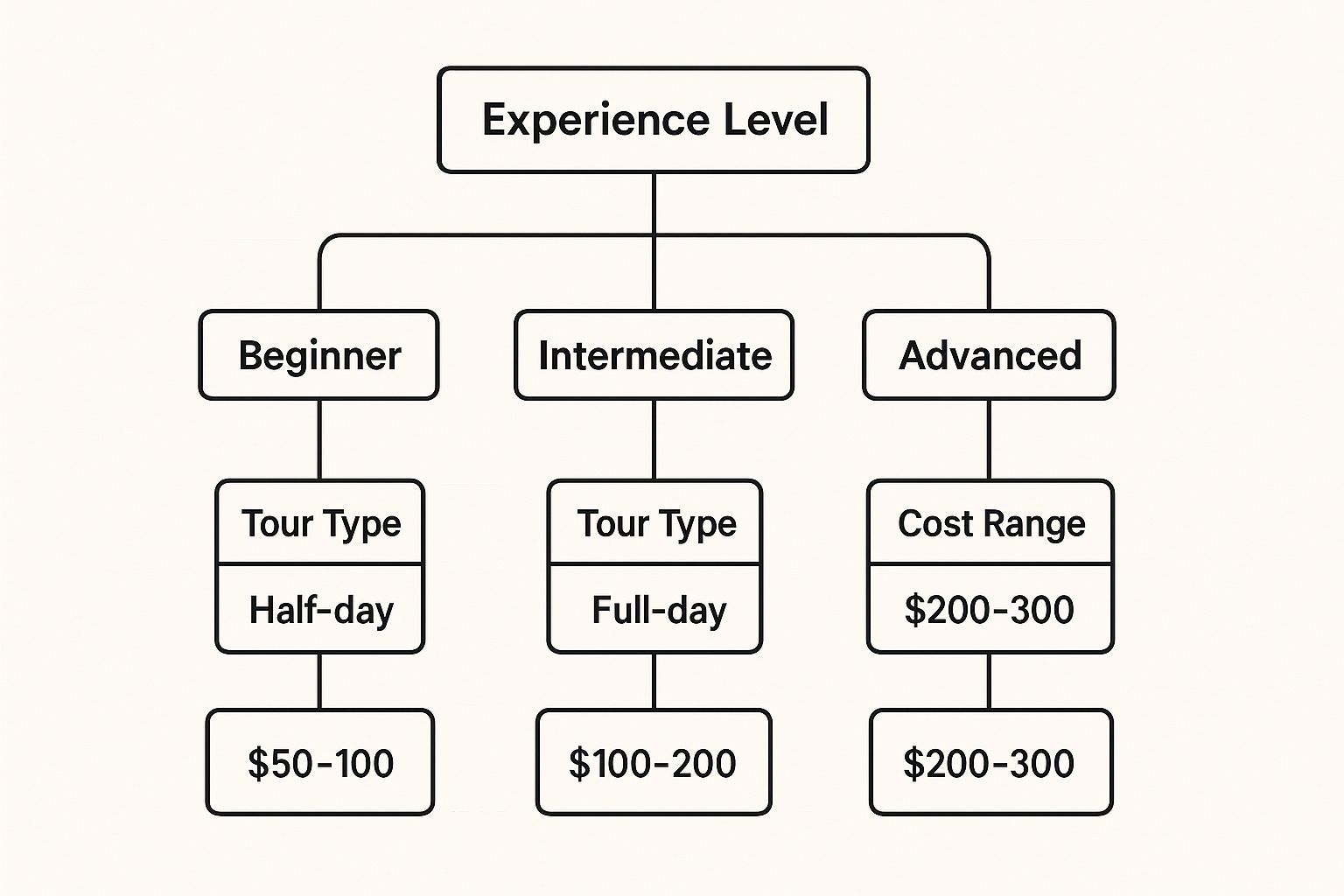
As you can see, the more comfortable you are in the water, the more options you have for longer or more specialized tours. It's a handy way to avoid overpaying for an advanced trip if you're just getting your fins wet, or feeling held back on a basic tour if you're a seasoned pro.
The real key is to be honest about what you need. The most expensive or adventurous tour isn't automatically the best one. The goal is to find an operator that makes you feel safe, comfortable, and totally excited to jump in and explore the bay.
Check the Amenities and Inclusions
Beyond the boat, the little details that are included can make a huge difference in your day. Before you click "book," take a second to see what you're actually getting for your money.
Here are a few things to look for:
Quality Gear: Does the operator provide well-maintained masks, snorkels, and fins? It's a big plus if they offer prescription masks or flotation devices like noodles and life vests for extra peace of mind.
Food and Drinks: At a minimum, most tours will have snacks and water. The longer trips, especially on the big catamarans, often provide a full lunch, which is incredibly convenient.
A Knowledgeable Crew: A great crew does so much more than just drive the boat. They should give a solid safety briefing, offer helpful snorkeling tips, and share stories about the bay's history and the marine life you're seeing. That educational piece is what turns a simple swim into a truly memorable experience.
By weighing these factors—group size, your own comfort, and the included perks—you can confidently pick the perfect operator for your adventure. If you're ready to learn more, your guide to the Captain Cook snorkel tour offers even more great details.
What to Expect on Your Tour Day: A Step-by-Step Itinerary
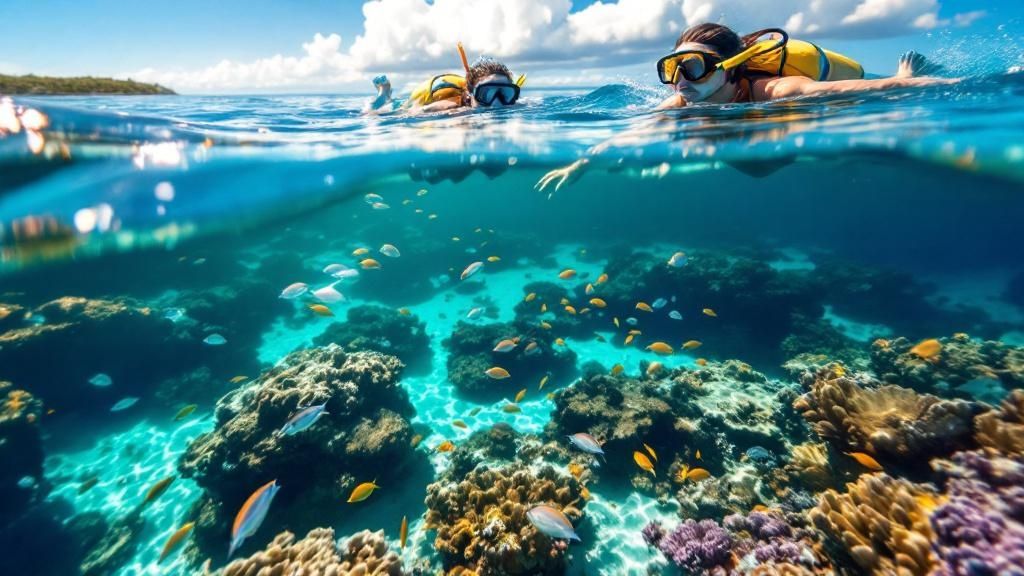
So, what does a day on a Captain Cook snorkel tour actually look like? It helps to have a mental picture of the day's flow. It's not just about hopping in the water; it's a whole experience, carefully planned to give you the best day possible. Knowing the schedule helps you relax and just enjoy the ride.
Your adventure kicks off with an early morning check-in, usually at Honokohau Harbor or Keauhou Bay. Don’t be late! The crews are on a tight schedule to get you out on the water while conditions are calm and glassy. Once you’re welcomed aboard, you'll find a spot on the boat and get ready for a beautiful cruise down the coast.
The Coastal Voyage to Kealakekua Bay
As the boat leaves the harbor, the real show begins. The journey along the Kona coast is an adventure in its own right. You'll glide past rugged cliffs of black lava rock, stark against the lush green mountains and the deep blue Pacific. This is when you’ll want to have your camera out.
Keep a sharp eye on the water! This area is famous for Hawaiian spinner dolphins, especially in the morning. It’s not uncommon for them to put on a spectacular acrobatic show, leaping and spinning right alongside the boat. It's a magical start to the day that you won’t soon forget.
Pro Tip: Keep your camera handy from the moment you leave the dock. Between the stunning coastline and the chance of seeing dolphins, you’ll have plenty of incredible photo ops before you even get in the water.
As you get closer to Kealakekua Bay, the crew will start sharing some of the area's fascinating history. They’ll point out key spots and tell stories about ancient Hawaiian life and, of course, the fateful arrival of Captain Cook. You can’t miss the stark white Captain Cook Monument on the shoreline, a powerful reminder of the history that unfolded right here.
Gearing Up and Getting in the Water
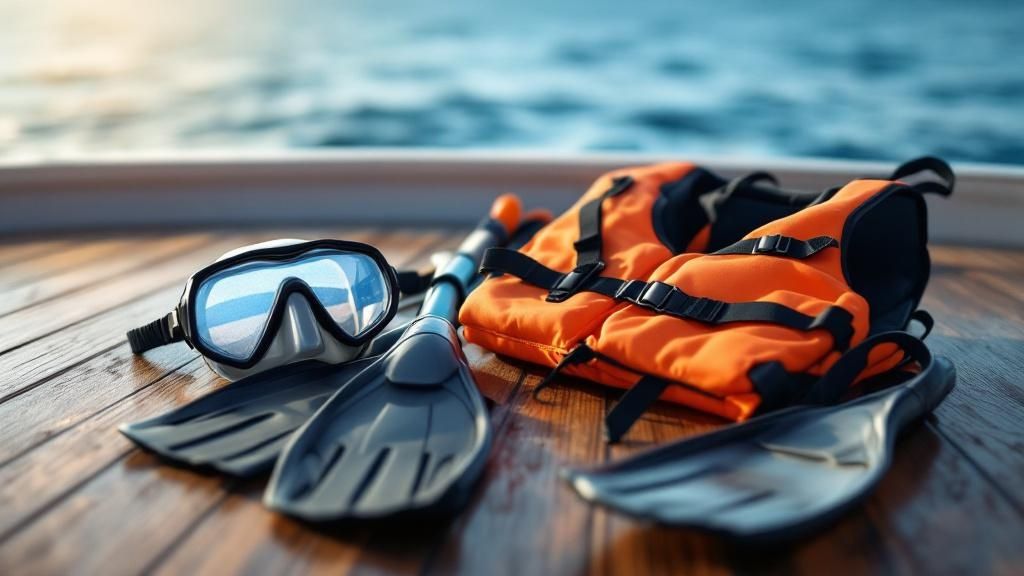
Once the boat is moored in the bay's calm, protected waters, it’s time for the main event. The crew will run through a detailed safety briefing and show everyone how to use the gear. This is when you'll get fitted for your mask, snorkel, and fins.
They cover all the essentials to make sure you have a great time:
A Leak-Free Mask: They’ll show you how to get the perfect seal so water stays out.
Clearing Your Snorkel: You’ll learn the simple trick to blow out any water that gets in.
Proper Fin Kicking: Learn how to move through the water easily, without splashing or getting tired.
Even if you've snorkeled a hundred times, it's a good refresher. And if you're a first-timer, this briefing will give you the confidence you need to jump in. They always have flotation devices like noodles and life vests on hand for anyone who wants a little extra buoyancy.
With your gear sorted, you'll make your way to the swim platform and slip into the warm, incredibly clear water. That first moment when you put your face in and see the vibrant world below is absolutely breathtaking.
The Underwater World and Winding Down
Floating in Kealakekua Bay is like being transported to another dimension. The water visibility here is phenomenal, often over 100 feet, so you can see the brilliant coral reefs stretching out below. You’ll find yourself surrounded by huge schools of bright yellow tang, watch colorful parrotfish nibbling on coral, and maybe even spy the state fish, the Humuhumunukunukuāpuaʻa.
After a good hour or so of exploring this underwater paradise, the crew will call everyone back to the boat. They’ll help you aboard, and you can rinse off the salt with a quick freshwater shower. Now it's time to kick back, relax, and swap stories about all the amazing things you saw.
Most tours provide snacks like fresh tropical fruit and chips, along with drinks. You’ll enjoy these treats as you cruise back to the harbor, basking in the Hawaiian sun and the afterglow of an unforgettable adventure.
Discovering Kealakekua Bay's Marine Life
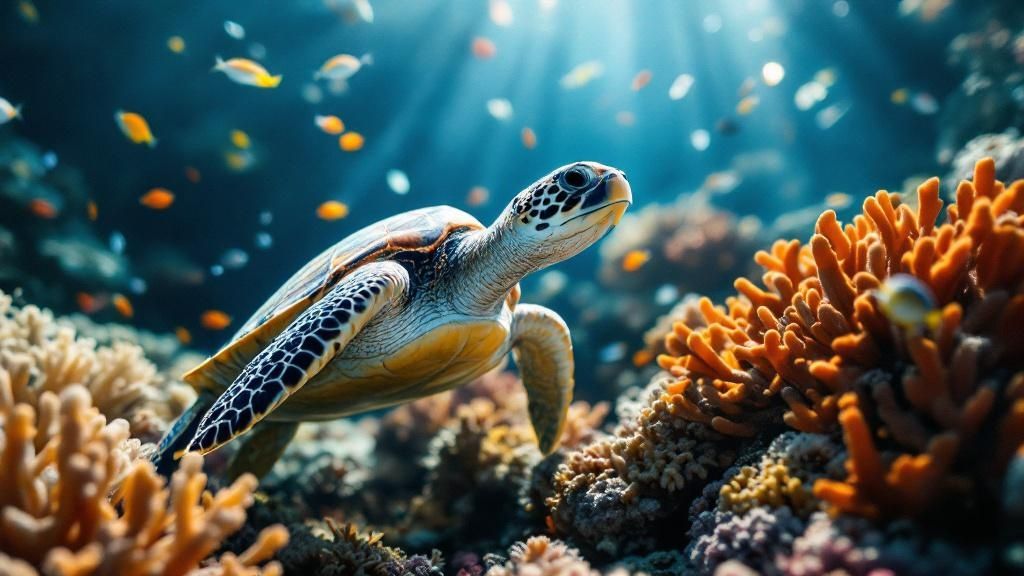
The moment you slip into the water on a captain cook snorkel tour, you understand. It’s like being invited into a secret underwater city, a world buzzing with color and life, all moving to the quiet rhythm of the ocean. This isn’t just about seeing fish; it’s about witnessing a complete, thriving ecosystem in its purest form.
Your adventure starts the second your mask dips below the surface. The first thing that hits you is the bay's legendary visibility, which often stretches beyond 100 feet. The clarity is so profound it feels like you're floating in mid-air above a vast, submerged landscape of intricate coral gardens.
This underwater metropolis is home to an incredible variety of residents. One of the first things you'll almost certainly see is a massive, shimmering cloud of yellow tangs. They move as one fluid body, their brilliant color creating a hypnotic spectacle against the deep blue water.
The Stars of the Underwater Show
As you drift along, you’ll start to pick out the reef's individual characters. Keep an eye out for the rainbow-hued parrotfish, known locally as uhu. You might even hear them before you see them—that distinct crunching sound is them using their beak-like mouths to munch on coral. This is a vital process that helps create the bay's fine white sand.
Of course, no trip is complete without trying to spot Hawaii’s state fish, the famously named Humuhumunukunukuāpuaʻa. Finding this quirky-looking reef triggerfish with its bold patterns is a real feather in any snorkeler's cap. It's a true icon of Hawaiian waters.
But the fish are just part of the story. The bay is a sanctuary for other magnificent creatures:
Hawaiian Spinner Dolphins (*Naʻia*): These playful acrobats often visit the bay. While tours keep a respectful distance, seeing a pod leap and spin in the distance is an incredible bonus.
Green Sea Turtles (*Honu*): There's a special kind of serenity that comes from watching a honu glide effortlessly through the water. These gentle, ancient creatures are a beloved symbol of good luck and longevity in Hawaiian culture.
Spotted Eagle Rays: If you're really lucky, you might witness the rare and majestic sight of a spotted eagle ray, its "wings" propelling it gracefully through the deep.
The sheer biodiversity here is no accident. The bay is a protected Marine Life Conservation District, a special designation that has allowed this underwater world to flourish, safe from the pressures of fishing and overuse.
Why This Bay Is a Protected Paradise
Kealakekua Bay's status as a sanctuary is the secret ingredient to its vibrant health. This isn't just any pretty spot; it’s a highly protected marine haven that plays a critical role in preserving biodiversity in Hawaiian waters. Strict regulations limit human impact, creating an undisturbed home where coral and marine life can flourish.
This careful stewardship, combined with the bay's naturally sheltered geography, creates the calm, clear conditions that make it such a world-class snorkeling destination. It's this one-two punch of natural beauty and ecological care that draws over 190,000 visitors annually, making it a cornerstone of Hawaii's ecotourism. You can learn more about Kealakekua Bay's unique ecosystem and conservation efforts on captaincooksnorkelingtours.com.
You can feel this commitment to preservation when you're in the water. The fish seem more curious and less skittish, and the coral structures are complex and teeming with life. It’s a powerful, living example of what a healthy reef is supposed to look like.
Floating above this incredible world on a captain cook snorkel tour, you're not just a tourist. You're a privileged guest in one of nature's most beautiful homes. Every kick of your fins reveals another marvel—from tiny, camouflaged creatures hiding in crevices to the grand ballet of fish schools swirling all around you. It's an immersive, humbling, and utterly unforgettable experience.
Essential Tips for a Safe and Responsible Trip
A truly fantastic Captain Cook snorkel tour isn't just about what you see—it's about how you see it. Having an incredible day means being safe, comfortable, and, most importantly, respectful of the incredible marine environment you're visiting. By taking a few moments to prepare and being mindful of your actions, you can help protect the fragile paradise of Kealakekua Bay for years to come.
Your best day on the water starts before you even leave for the harbor. Think of it like packing a toolkit for adventure; having the right items makes all the difference.
Your Essential Packing Checklist
While your tour provides all the main gear, packing a few personal items will make your trip that much more enjoyable. Here’s what we never leave shore without:
Reef-Safe Sunscreen: This is an absolute must. Standard sunscreens contain chemicals like oxybenzone and octinoxate, which are devastating to coral reefs. Always, always choose a mineral-based sunscreen (look for zinc oxide or titanium dioxide) to protect your skin and the ocean.
Rash Guard or Sun Shirt: A long-sleeved swim shirt is your best friend out on the water. It offers fantastic UV protection without needing to be reapplied and reduces the amount of sunscreen you need to use.
Waterproof Camera or Phone Pouch: You're going to want photos. A GoPro or a reliable waterproof pouch for your phone means you can capture all the underwater magic without a single worry.
Reusable Water Bottle: Staying hydrated under the Hawaiian sun is crucial. Most tour boats have water coolers for refills, so bringing your own bottle is an easy way to cut down on single-use plastic.
Towel and a Change of Clothes: Trust us, you’ll be glad you have something dry and comfortable for the boat ride back.
Snorkeling Best Practices for Beginners
New to snorkeling? No problem. Feeling comfortable and relaxed in the water is the key, and with a few pro tips, you'll be exploring like a natural in no time.
It all starts with getting a good mask seal. Before you get in, make sure no hair is caught under the silicone skirt of the mask. Pull the strap so it's snug, but don't overtighten it—that's a classic rookie mistake that actually causes leaks.
The Pro Seal Test: Hold the mask to your face without using the strap. Inhale gently through your nose. If the mask suctions to your face for a second or two, you've got a perfect fit.
Once you’re in the water, breathe slowly and deeply through your snorkel. Let your flotation device do the work! The less you struggle, the more you’ll see. Use slow, deliberate kicks just below the surface to move around without splashing or wasting energy. For more in-depth advice, feel free to check out our complete guide to Hawaii's best snorkeling practices.
The Golden Rules of Respectful Snorkeling
Remember, Kealakekua Bay is a protected marine sanctuary and a sacred place in Hawaiian culture. As visitors, we have a shared responsibility to act as its guardians. Your actions, no matter how small they seem, make a huge difference.
Keep these three golden rules in mind every time you slip into the water:
Look, But Don’t Touch: This is the cardinal rule. Coral is a living creature, and the slightest brush from a fin or hand can damage or kill it. The same goes for all marine life, from the smallest fish to the majestic sea turtles.
Keep Your Distance: Appreciate wildlife from afar. Chasing after animals like honu (sea turtles) or dolphins causes them serious stress and can interrupt vital behaviors like feeding or resting. A safe and respectful distance is at least 10 feet.
Practice 'Leave No Trace': It's simple: leave the bay better than you found it. Make sure every piece of trash and all your belongings come back to the boat with you. Nothing should ever be left behind in this precious ecosystem.
Alright, let's get you on the water. Now that you have a good idea of what a Captain Cook snorkel tour is all about, it's time for the fun part: making it happen. Booking your trip should be straightforward, and with a little bit of inside knowledge, you can make sure you're getting the best possible experience for your money.
The single most important piece of advice I can give you is to book your tour well in advance. I can't stress this enough. These tours are incredibly popular, and during peak travel times like winter (December-April) or the summer school holidays (June-August), they often sell out weeks, sometimes even a month, ahead of schedule. Booking early locks in your spot and saves you from the disappointment of a sold-out boat.
Finding the Sweet Spot for Your Visit
While you can have a fantastic time snorkeling here any day of the year, the timing of your trip can definitely shape your experience. The Big Island’s waters have their own seasonal personality.
Summer (May-September): This is when you'll typically find the calmest seas and the clearest water. If you’re dreaming of that perfect, glass-like surface and incredible underwater visibility, summer is your prime window.
Winter (December-April): The water might be a little choppier on some days, but winter brings an unforgettable bonus: humpback whales. The journey along the coast becomes a whale-watching trip, and seeing these magnificent creatures breach or slap their tails is an experience in itself.
So, what's the verdict? If pristine snorkeling conditions are your number one goal, aim for summer. If you love the idea of combining your snorkel adventure with the magic of whale season, book a winter tour.
What Real Value Looks Like
When you start looking at different tour operators, it’s easy to get fixated on the price tag. But finding the "best value" is about so much more than just finding the cheapest option. A rock-bottom price might translate to a packed boat, worn-out gear, or a crew that’s just going through the motions.
A truly valuable tour isn't measured by how little you paid, but by how much you get out of it. It’s the one that leaves you feeling safe, inspired, and completely captivated by the magic of Kealakekua Bay.
When you're comparing your options, look at the whole picture. A tour that costs a little more but promises a smaller group, includes a passionate guide who brings the bay's history to life, or offers better food and gear will almost always deliver a richer, more memorable day. Spend some time reading recent reviews—they are your best window into the actual on-the-water experience. By focusing on the quality of the adventure, you’ll end up booking the perfect Captain Cook snorkel tour.
Common Questions About Snorkeling at Kealakekua Bay
It's totally normal to have a few last-minute questions before you head out on the water. To make sure you feel completely ready for your trip, I've put together answers to some of the most common things people ask about a Captain Cook snorkel tour. Let's clear up any lingering doubts so you can focus on the fun.
A big one we hear all the time is about swimming. Do you have to be a great swimmer? Not at all. The beauty of Kealakekua Bay is how calm and sheltered its waters are. Plus, every good tour company provides top-notch life vests or flotation noodles. These make it easy to just float on the surface, taking all the pressure off so you can simply enjoy the view below.
What to Expect on the Tour
People often ask about the practical stuff, like restrooms. It really depends on the boat you choose. The larger, more stable catamarans that run many of the Captain Cook snorkel tours almost always have clean, onboard restrooms for your convenience. If you book a tour on a smaller craft, like a rigid-hull inflatable boat (zodiac), just know they usually don't have those facilities.
Another great question is about timing. When's the best time of day to go? Without a doubt, the morning tours are fantastic. The water is usually at its most calm, giving you that incredible glass-like clarity. You also have a better chance of spotting spinner dolphins, as they're often more playful in the morning. Getting an early start helps you avoid the intense midday sun, too.
Rules and Accessibility
This next one is a crucial detail: Can you just drive down to the Captain Cook monument and hop in the water? The short answer is no. The monument itself, which is right next to the best snorkeling spot, is not accessible by road. To get there, your only options are a very demanding hike, paddling in with a permitted kayak, or joining a licensed boat tour.
For most visitors, a licensed boat tour is the easiest and most enjoyable way to go. It handles all the logistics, provides the gear, and includes expert guides who know the bay inside and out, making for a truly hassle-free day.
Finally, what if the weather turns? What happens if it rains? A little rain usually won't stop the show—after all, you're going to be wet anyway! Hawaiian showers often pass quickly. Tour operators are always watching the weather, and safety is their top priority. If conditions get genuinely unsafe with high winds or rough seas, they will always reschedule your trip or offer a refund. Just be sure to check the specific weather policy when you book.
Ready to stop dreaming and start exploring? The vibrant reefs of Kealakekua Bay are waiting for you. Book your unforgettable adventure today with Captain Cook Snorkeling Tours and experience the magic for yourself. Book Now.