
Unforgettable Captain Cook Snorkel Tour – Book Today!

A Captain Cook snorkel tour isn't just another boat trip. It's a full-on adventure that throws you into a world of incredible underwater sights and deep Hawaiian history. You'll be swimming in the stunningly clear waters of Kealakekua Bay, a protected marine sanctuary, and standing (or floating) on the very spot where Captain Cook made his historic landing.
Why This Snorkel Tour Is a Must-Do Hawaii Adventure
Picture this: you're gliding through warm, turquoise water while massive schools of bright yellow tangs and colorful parrotfish swim right past you, all set against a vibrant coral reef. That's the heart of the Captain Cook snorkel tour, and it's why this trip consistently tops the list of best things to do on the Big Island.
But what really pushes this experience from a simple snorkel trip into something you'll never forget is its unique mix of jaw-dropping natural beauty and a powerful sense of history. The tour takes you right into Kealakekua Bay, a place that's deeply significant to Hawaiian culture. Because it's a protected Marine Life Conservation District, the whole underwater ecosystem is exceptionally healthy, and the water clarity is often out of this world.
Captain Cook Snorkel Tour At a Glance
Before we get into the details, here's a quick look at what makes this tour a standout experience. This table breaks down the core highlights, giving you a fast snapshot of a typical day out on the water.
Feature | Description |
|---|---|
Pristine Location | Snorkel in the protected, calm waters of Kealakekua Bay Marine Life Conservation District. |
Abundant Marine Life | See hundreds of tropical fish species, Hawaiian green sea turtles, and sometimes spinner dolphins. |
Historical Significance | Visit the site of the Captain Cook Monument and learn about his 1779 arrival and its consequences. |
Exceptional Visibility | Experience some of Hawaii's clearest water, with visibility that often goes past 100 feet. |
Exclusive Access | Reach a gorgeous spot that's tough to get to by land, making it feel remote and special. |
This is truly a one-of-a-kind adventure that combines the best of the Big Island into one trip.
A Journey Through Nature and History
What really sets the Captain Cook snorkel tour apart is that it’s two amazing trips in one. It’s an ecological treasure hunt and a floating museum. Kealakekua Bay is famous for being the place where Captain James Cook arrived in 1779, and today, it draws over 190,000 visitors every single year.
The bay’s status as a Marine Life Conservation District is what keeps the water so clear and the coral reefs so vibrant. For snorkelers, that means you get a front-row seat to an underwater world bursting with life, from sea turtles gliding by to the occasional pod of dolphins playing in the distance.
This blend of culture and nature is what makes the experience so powerful. It’s not just about what you see underwater; it’s about understanding the story of the place you’re in.
It's fascinating to see what draws people here. Studies have shown that about 70% of visitors come for the rich history, while the other 30% are there purely for the world-class snorkeling. It just goes to show how the tour manages to perfectly satisfy both the history buff and the ocean lover in a single trip. You can find more details about this mix of history and nature at konasnorkeltrips.com.
Exploring the History of Kealakekua Bay
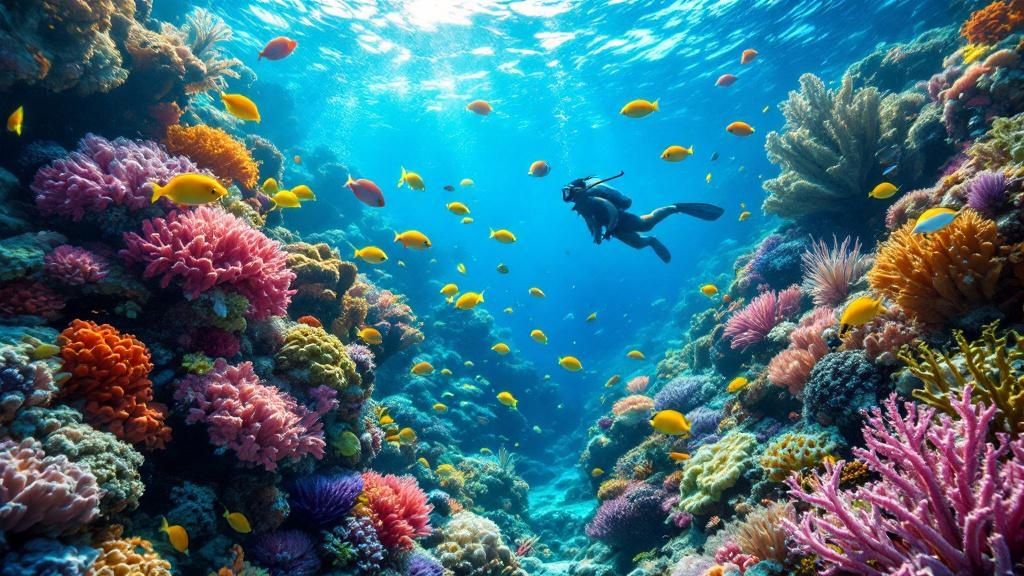
There's more to the calm, turquoise waters of Kealakekua Bay than just incredible marine life. This place holds a story that changed the Hawaiian Islands forever. When you head out on a Captain Cook snorkel tour, you’re doing more than just visiting a beautiful reef—you’re sailing right into a living history book.
This bay carries immense cultural and historical weight. Long before any European ships broke the horizon, Kealakekua was a sacred and vital hub for Native Hawaiians. Its very name, "Kealakekua," translates to "the pathway of the god," which is thought to refer to Lono, the god of peace, farming, and fertility.
The dramatic cliffs you see ringing the bay, known as Pali Kapu O Keōua, were the final resting place for Hawaiian royalty. This made the entire area profoundly spiritual. The fertile lands also supported a large, thriving community, making it a bustling center of Hawaiian life.
The Arrival That Changed Everything
Then, in January 1779, a strange new sight appeared on the water: two massive European ships. Captain James Cook, on his third voyage through the Pacific, dropped anchor with his vessels, the HMS Resolution and HMS Discovery, in the bay's protected waters. His timing was remarkable, as it coincided with the Makahiki festival, a four-month-long celebration for the god Lono.
Because of this timing—and the fact that the ships' sails looked a bit like the banners used to honor Lono—some Hawaiians initially saw Cook as a manifestation of the returning god. This kicked off a period of peaceful trade. The Hawaiians offered fresh food and supplies, and Cook's crew got a much-needed break to rest and repair their ships.
But that initial welcome was fragile. Cultural misunderstandings piled up, and tensions began to simmer just beneath the surface, setting the stage for a tragic turn of events.
The events that unfolded here weren't just a simple historical footnote. They represent a monumental turning point, marking the start of a new, often difficult chapter for Hawaii and its people.
When Cook had to return a few weeks later after a storm damaged one of his ships, the friendly atmosphere was gone. A dispute over a stolen cutter boat escalated fast, erupting into a violent clash right on the shoreline. On February 14, 1779, Captain James Cook was killed.
The Monument and Its Lasting Legacy
Today, a stark white obelisk stands on the shore of Kaʻawaloa, the village on the northern edge of the bay where the fatal conflict happened. This is the Captain Cook Monument, put up in 1874 to commemorate the explorer. It sits on a tiny piece of land deeded to the United Kingdom and is still maintained by the British Royal Navy.
This monument is a powerful anchor point for every Captain Cook snorkel tour. It’s a physical reminder of that defining moment in 1779 when Pacific exploration and Hawaiian history collided. While the landmark commemorates Cook and the complex legacy of that first contact, the area remains sacred to Native Hawaiians and is fiercely protected.
Tour guides often share incredible stories about the voyages and their impact, weaving together natural wonder and historical narrative. This is what makes a visit here so much more than a simple boat trip. You can learn more about this landmark’s story from the local experts at konahonudivers.com.
Knowing this history makes the experience a hundred times richer. As you float in that crystal-clear water, you aren't just looking at fish—you're suspended over a site of global significance. You get to see the bay through two lenses at once: one of stunning natural beauty, and another of deep historical meaning.
How to Choose Your Perfect Snorkel Tour Operator
Picking the right captain cook snorkel tour is a lot like choosing the perfect hiking trail—the best one for you really comes down to your personal style and what you hope to get out of the day. Trust me, not all tours are created equal. Some are basically floating parties designed for big family fun, while others are built for adventurers who want a more intimate, rugged experience on the water.
Making the right call here is the difference between a good day and a truly unforgettable one. So, think about what you really want. Are you picturing a big, stable party deck with all the bells and whistles, or a nimble boat that can zip you right up to the coast’s hidden nooks and crannies? Your answer will point you straight to the perfect operator.
Big Boat vs. Small Boat: What Is Your Style?
The first big decision you'll make is boat size. This one factor pretty much sets the tone for the entire trip, influencing everything from the number of people you're with to the amenities on board and the overall pace of the adventure.
Large Catamarans: These are the big, stable ships you see gliding across the bay. They often come decked out with sun decks, plenty of shaded seating, onboard restrooms, and sometimes even fun extras like water slides. They’re a fantastic choice for families with young kids, less confident swimmers who appreciate stability, or anyone who puts a premium on comfort.
Zodiac-Style Rafts: These are the smaller, faster, and more agile boats. They deliver a more thrilling, wind-in-your-hair ride along the coast and can duck into sea caves and lava tubes that the bigger boats simply can’t reach. If you’re an adventure-seeker or part of a smaller group wanting a more personal, up-close encounter with the coastline, this is your ticket.
The good news is, there’s a whole range of options out there. Tours typically run from 3 to 5 hours, with group sizes anywhere from an intimate crew of 6-12 people to larger vessels that can host up to 40 guests. Prices generally fall between $90 to $220 per person, which usually covers your gear, snacks, and flotation devices.
Comparison of Captain Cook Snorkel Tour Operators
To help you visualize the difference, I've put together a quick comparison table. This breaks down what you can generally expect from the two main styles of tours, making it easier to see which one aligns with your vacation goals.
Tour Type | Typical Group Size | Price Range (per person) | Best For | Common Amenities |
|---|---|---|---|---|
Large Catamaran | 25-40+ | $120 - $220 | Families, Large Groups, Comfort-Seekers | Restrooms, Shade, Lunch Buffet, Water Slides |
Zodiac-Style Raft | 6-16 | $90 - $180 | Adventurers, Couples, Small Groups | Faster Speeds, Sea Cave Exploration, Snacks & Drinks |
Seeing the options laid out like this is the first step. Now, let’s figure out which one sounds more like your ideal day on the water.
Matching Your Traveler Persona to a Tour
Let’s get a little more specific. I find it helps to think in terms of "traveler personas." See which one of these sounds most like you, and you'll be well on your way to finding the perfect tour.
The Family Adventurer: You’re juggling kids of different ages, and your top priorities are safety, comfort, and keeping everyone happy. You need a boat with easy water access, lots of space to move around, and essential amenities like snacks and restrooms. A large catamaran with a fun-loving crew and plenty of flotation aids is definitely your best bet.
The History Buff: For you, the incredible story behind Kealakekua Bay is just as compelling as the fish. You're looking for a guide who can bring the dramatic events of 1779 to life with rich historical details. A smaller tour, often on a Zodiac-style boat, usually allows for that more personalized, in-depth storytelling you’re craving.
The Thrill-Seeker: You came here for the action. The idea of zipping along the coastline, exploring dramatic sea caves, and having a more raw, open-ocean experience gets your adrenaline pumping. A nimble and fast Zodiac-style raft is absolutely your speed.
Once you’ve identified your style, you can start digging into the specifics. For a complete rundown of everything to expect, you should check out our guide on the ultimate Captain Cook snorkel tour experience.
Vetting Operators for Safety and Quality
Beyond the type of boat, it’s absolutely critical to check an operator's reputation for safety and quality. A perfect tour is, first and foremost, a safe one. I always look for companies that are transparent about their safety credentials and have a solid track record of positive reviews.
A great tour operator doesn't just ferry you to a spot; they are your trusted guides for the entire experience. Their expertise, commitment to safety, and genuine passion for the ocean are what transform a good trip into a great one.
Here are a few key things I always look for to spot a high-quality operation:
Experienced and Certified Crew: The guides should be lifeguard and CPR-certified. No exceptions.
Eco-Conscious Practices: Do they provide and encourage reef-safe sunscreen? Do they educate guests on how to protect the delicate marine ecosystem?
Clear Safety Briefings: A thorough safety briefing before anyone even thinks about getting in the water is non-negotiable.
This image really drives home just how important these professional standards are.
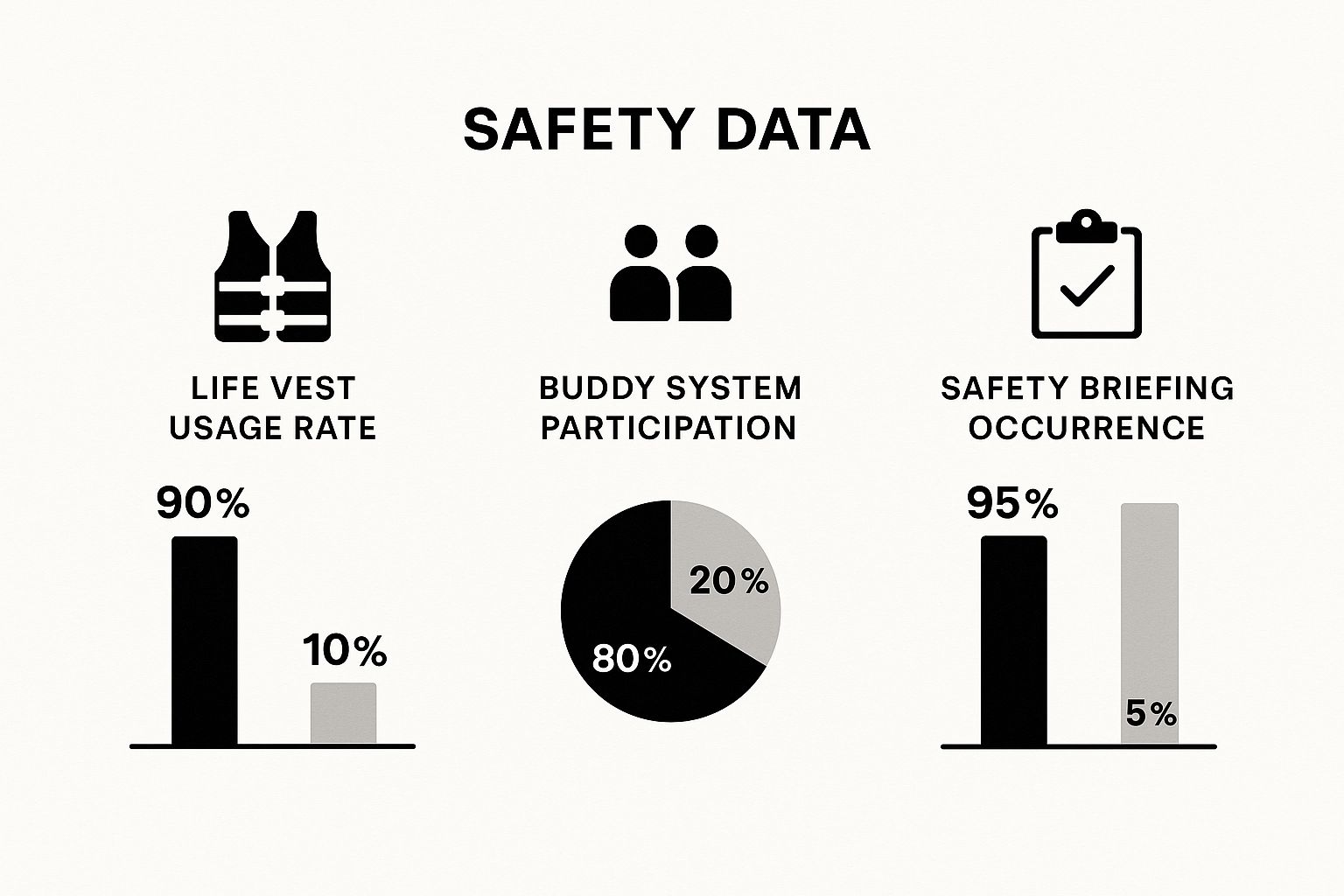
The difference is stark. Structured tours with professional oversight lead to dramatically better adherence to safety protocols. When you book with a reputable company, you're not just buying a ticket—you're investing in peace of mind and a well-managed, safe adventure.
Discovering the Marine Life of Kealakekua Bay
Welcome to your own underwater safari. When you slip into the waters of Kealakekua Bay, it's like dropping into another universe, one painted in a thousand shades of blue and absolutely pulsing with life. The whole area is a protected Marine Life Conservation District, which basically makes it a vibrant, bustling sanctuary—and one of the most incredible snorkeling spots in Hawaii. This is your personal field guide for the amazing creatures you're about to meet.
Picture the coral reef as a sprawling underwater city. The corals are the apartment buildings, providing food, shelter, and nurseries for a stunning variety of residents. On your Captain Cook snorkel tour, you'll be floating right above this metropolis with a front-row seat to all the action. The visibility here is just incredible, often letting you see over 100 feet down into the deep blue.
This protected status is precisely why the bay is so packed with life. It puts strict limits on fishing and other human impacts, which allows the fish populations to explode and the coral to grow healthy and undisturbed. It makes this the perfect spot for even a total beginner to see an unbelievable amount of marine life in its natural element.
The Colorful Cast of Reef Characters
The first thing that will strike you is the sheer number of fish. We're talking schools in the hundreds that will casually part around you, creating a swirling vortex of color. Make sure you keep an eye out for some of the bay's most well-known residents.
Yellow Tang (Lauʻīpala): It’s impossible to miss these guys. They are bright, disc-shaped, and often gather in huge schools that look like a brilliant yellow cloud moving along the reef.
Parrotfish (Uhu): You might actually hear these fish before you see them. Parrotfish use their hard, beak-like mouths to scrape algae off the coral, and that crunching sound is a key part of the reef's natural soundtrack. They’re also critical to the ecosystem—their waste is what creates much of the beautiful white sand in the bay.
Humuhumunukunukuāpuaʻa: Don't worry, you don't have to pronounce it to spot one! Hawaii's state fish is a type of triggerfish with bold, beautiful patterns. Seeing one is a classic Big Island achievement.
The health of this reef is a really delicate balance. The amazing variety of fish you see—from the tiny gobies hiding in crevices to the schools of butterflyfish—all play a specific role. Each one is a critical piece of a much larger puzzle.
You'll spot countless other species, too, like the striking Moorish Idol or the perfectly camouflaged scorpionfish just chilling on the rocks. The best advice is to take your time, float calmly, and just let the city reveal its secrets to you.
Graceful Giants and Playful Pods
While the fish are the main event for most people, Kealakekua Bay is also home to larger, more majestic animals. Having an encounter with one of these creatures is humbling and something you'll never forget. Just remember to keep a respectful distance; these are wild animals in their home.
The most beloved local is the Hawaiian Green Sea Turtle (Honu). There's something truly profound about watching one of these ancient mariners glide effortlessly through the water. They often come into the bay to rest and munch on algae, and it’s pretty common to see several on a single snorkel trip.
You might also get really lucky and spot a pod of Spinner Dolphins (Naiʻa). They frequently visit the bay in the mornings to rest and play after a long night of hunting in the deep ocean. Seeing their acrobatic leaps out of the water is a spectacular sight, though you’ll usually see this from the boat on your way to or from the snorkel spot.
Less common, but a truly magical sighting, is the graceful Manta Ray. These gentle giants can sometimes be seen cruising through the bay, their massive wings propelling them like underwater birds. An encounter with one of them is the kind of memory that lasts a lifetime. To get a better sense of the ecosystem, you can explore Kealakekua Bay with our detailed guide. Knowing a little about the animals beforehand makes spotting them in the wild that much more exciting.
Your Step-By-Step Tour Itinerary
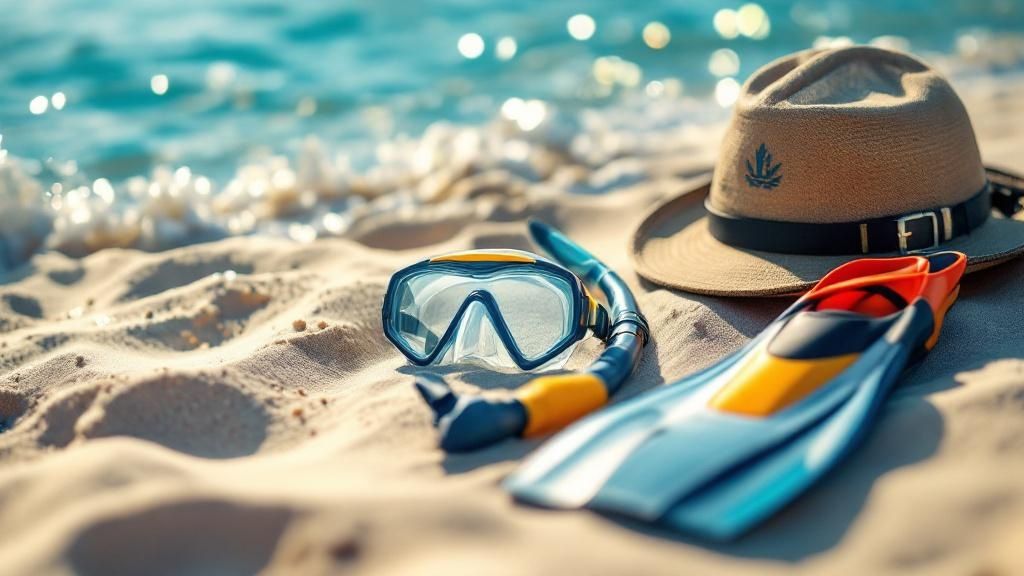
So, what’s it really like to spend a day on a captain cook snorkel tour? Knowing what to expect lets you just kick back and enjoy the ride. Let's walk through a typical day, so you’ll feel like you’ve done this a dozen times before you even step on the boat.
Most trips head out in the morning. That’s when you’ll find Kealakekua Bay at its absolute best—calm, glassy, and crystal clear. Your adventure starts right at the harbor for check-in. It's a breeze, but give yourself a little extra time. Finding parking and getting your bearings without a last-minute scramble is always a good idea.
Once checked in, you'll hop aboard and grab a spot. The crew gets right to work, handing out high-quality snorkel gear and making sure everything fits perfectly. These guys are pros at getting a good mask seal, so speak up if it doesn't feel right.
The Coastal Journey to The Bay
With everyone settled, the boat pushes off from the harbor for a stunning ride down the Kona coast. Think of this as more than just getting from point A to point B; it’s a huge part of the experience. The coastline here is raw, dramatic, and a sightseeing tour in its own right.
You’ll want to keep your camera ready. The boat cruises past rugged volcanic cliffs, ancient lava tubes, and incredible sea caves you can only appreciate from the water. Depending on your tour boat, the captain might even nudge in for a closer look. This is also prime time for spotting wildlife—it's incredibly common to see a pod of spinner dolphins surfing the boat's wake.
As you get closer to Kealakekua Bay, you’ll feel the engines throttle back. This is where the story begins. The crew will point out the famous Captain Cook Monument and share the powerful history of this sacred place, giving you a real connection to the bay before you even dip a toe in the water.
Snorkeling at The Monument
Alright, this is what you came for. The crew will give a quick but thorough safety briefing, and then it's time to hit the water. The bay is a natural sanctuary, shielded from the open ocean, which makes for incredibly calm conditions perfect for every skill level, from first-timers to seasoned snorkelers.
The moment you get in, just float for a second. Let the underwater world come into focus. You'll see the reef drop off into a stunning, vibrant wall that’s absolutely buzzing with life.
To get the most out of your time in the water, here are a few tips from a seasoned guide:
Hug the Reef Edge: This is where the action is. The most colorful coral and the biggest schools of fish hang out right where the shallow reef meets the deep blue.
Follow Your Guides: They know this reef like the back of their hand. They’re the ones who will spot the octopus you'd otherwise swim right past or the eel tucked away in a crevice.
Find the Cleaning Stations: Look for spots on the reef where big fish and turtles line up to get serviced by smaller cleaner fish. It’s like a car wash for marine life and an amazing thing to watch.
After about an hour of exploring this underwater paradise, you’ll hear the call to head back to the boat. Most tours have snacks, fresh local fruit, and drinks waiting for you. The ride back is pure relaxation, a perfect time to trade stories with other guests and just soak in the amazing day.
If you're curious to learn more about what makes this spot one of Hawaii's crown jewels, you can explore Hawaii's best bay in our other guides.
A Few Tips for the Perfect Snorkel Trip
A little bit of prep can make all the difference between a great day on the water and a truly unforgettable one. Before you head out for your Captain Cook snorkel tour, it’s worth running through a quick mental checklist. It’s all about making sure you’re comfortable and safe, so you can just soak in the adventure ahead.
First things first, let's talk about booking. These tours are no secret, and they fill up fast, especially when the Big Island is bustling with visitors. Booking your tour several days—or even better, a few weeks—ahead of time is a pro move. You’ll lock in your spot and get your pick of the best tour times. Trying to book last-minute often just leads to a sold-out sign and a bit of disappointment.
What to Toss in Your Bag
You don't need to haul a massive suitcase, but a few key items will make your day so much smoother. Think of this as your shortlist for a perfect day cruising Kealakekua Bay.
Reef-Safe Sunscreen: This one’s a must. Regular sunscreens have nasty chemicals like oxybenzone that are seriously damaging to our precious coral reefs. Do your part for the ocean by sticking to mineral-based, reef-safe sunscreens. You'll protect your skin and the ecosystem at the same time.
Swimsuit and Towel: The easiest way is to just wear your swimsuit under your clothes. A quick-dry towel is also a game-changer for when you hop out of the water.
A Change of Clothes: Trust me, having something dry and comfy to wear for the ride back to the harbor is a small luxury you won't regret.
Hat and Sunglasses: The Hawaiian sun is no joke, especially with the glare coming off the water. A good hat and a pair of polarized shades are your best friends out there.
Waterproof Camera: You're about to see some incredible things, both in and out of the water. Bring something along to capture those "wow" moments.
Safety is Always Priority One
Your boat crew is full of trained professionals whose job is to keep you safe, but it's a team effort. Always pay close attention during the safety briefing. They'll walk you through everything from how to get in and out of the boat to using your snorkel gear properly. And remember, always stick with your buddy and never go off snorkeling alone.
The golden rule of snorkeling is simple: look, but don't touch. The natural oils on our skin can harm the delicate coral, and bothering the fish and turtles is not only bad for them, it's also illegal. Just be an observer and let the underwater world do its thing.
Quick Pointers for First-Time Snorkelers
If this is your first time with a mask and fins, Kealakekua Bay is the perfect place to start. The water here is usually calm and crystal clear, which is incredibly forgiving for beginners. One common hiccup is getting a little water in your mask. No big deal! Just press the top of the mask against your forehead, tilt your head back, and blow out sharply through your nose. The air will push the water right out. For more great advice, you should check out our guide covering top Hawaii adventure tips.
When you're kicking, think long, slow movements from your hips, not your knees. You’ll save a ton of energy and avoid stirring up sand or accidentally kicking the beautiful reef below. Just relax, breathe easy, and let the incredible scenery unfold around you.
Frequently Asked Questions About Your Tour
Planning the perfect captain cook snorkel tour naturally brings up a few questions. We get it! To help you feel completely ready for your adventure, we've put together answers for the things people ask us most often.
Is This Tour Good For Non-Swimmers or Kids?
Yes, absolutely! The tour boats are incredibly family-friendly, and the crews are experts at making everyone feel at home in the water. They provide all the flotation gear you could need, from noodles and life vests to cool floating view-boxes.
The bay's waters are naturally calm and protected, making it a perfect spot for beginners. The crew is always on hand to help, ensuring even first-timers feel safe enough to relax and enjoy the show.
The whole point is to make this incredible underwater world accessible to everyone, no matter their swimming skill. With the right gear and a little guidance, anyone can have a fantastic time.
When Is The Best Time of Year For This Tour?
Honestly, the snorkeling in Kealakekua Bay is phenomenal all year round. The conditions are almost always great.
But if you want a little something extra, try booking between December and March. That’s peak humpback whale season. You have a really good chance of spotting these gentle giants on the boat ride out to the bay and back.
Can I Just Drive to The Captain Cook Monument?
No, and this is a big one. There are no roads leading to the monument or the best snorkeling spots. Your only options are a boat tour or a very difficult hike down a steep, exposed trail.
Taking a licensed boat tour is, by far, the easiest, safest, and most enjoyable way to get there.
If you want to get into the nitty-gritty of the logistics and history, you'll find our guide on Hawaii's best water adventure really helpful.
What Happens If The Weather Is Bad?
Your safety is always the top priority. Every reputable tour company watches the weather and ocean conditions like a hawk.
If a trip has to be canceled because of unsafe conditions, they'll almost always give you a choice: a full refund or a spot on the tour for another day. Just be sure to check their specific policy when you book.